REVIEW · BOGOTA
Bogotá: Shared Bike Tour
Book on GetYourGuide →Operated by Gran Colombia Tours · Bookable on GetYourGuide
Wind on your face beats slow sightseeing. This shared bike tour strings together La Candelaria’s founding plazas, Parque Nacional, and Bogotá’s famous 7th Avenue corridor for a fast, street-level view. I love the small-group pace and the way the route links north and south along 7th Avenue.
I also like that the guide experience is more than facts on a plaque. On rides with guides such as Luis or Jose, you get the stories behind neighborhoods, including how everyday life and social issues show up on the street. The one drawback to weigh: it runs in all weather, and you must already be comfortable riding a bike.
In This Review
- Key things to know before you pedal
- Why pedal through Bogotá’s downtown instead of walking
- Starting at El Gato Gris and finding the yellow umbrella
- Chorro de Quevedo Plaza: the easy first story stop
- La Candelaria founding plazas: how the city’s center shifted
- Riding 7th Avenue: the historic salt road turned city artery
- Parque Nacional: half forest-reservoir, half cultural crossroads
- Santamaría Bullring: public spectacle and civic identity
- Parkway Boulevard: the tree-lined breath between blocks
- El Dorado Avenue crossing and the return toward La Candelaria
- Hidden neighborhoods and graffiti as social commentary
- Coffee tasting and a short walk to end the ride
- Price and value: is $19 worth a 210-minute ride?
- Who this Bogotá shared bike tour suits best
- Should you book the Bogotá Shared Bike Tour?
- FAQ
- How much does the Bogotá Shared Bike Tour cost?
- How long is the tour?
- Where do I meet the guide?
- How many people are in the group?
- Do I need to know how to ride a bike?
- What should I bring?
- What’s included, and what’s not?
- What languages are the guides?
- Does the tour run in all weather, and can I get a refund if plans change?
Key things to know before you pedal
- La Candelaria founding plazas: Start downtown and learn how the city’s core evolved
- 7th Avenue, built on older routes: You ride the historic spine that began as an indigenous salt road
- Parque Nacional stop: A mix of green space and cultural hub energy
- Parkway Boulevard: A tree-lined, nature-feeling stretch that breaks up the city blocks
- Neighborhood graffiti with context: Street art used to speak up about social issues
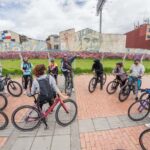
- Small group, bike + helmet included: Limited to 10 people, plus technical help and risk insurance
Why pedal through Bogotá’s downtown instead of walking
Bogotá is big, and the center has layers. Walking can work, but it bottlenecks you in the same tight lanes. On a bike, you keep moving and you start noticing how different districts feel just by crossing a few blocks.
This tour is built for getting your bearings fast: you see the old downtown core, then you reach outward through major corridors and calmer park stretches. It’s the kind of route that helps you understand how the city functions, not just what it looks like.
You can also read our reviews of more cycling tours in Bogota
Starting at El Gato Gris and finding the yellow umbrella
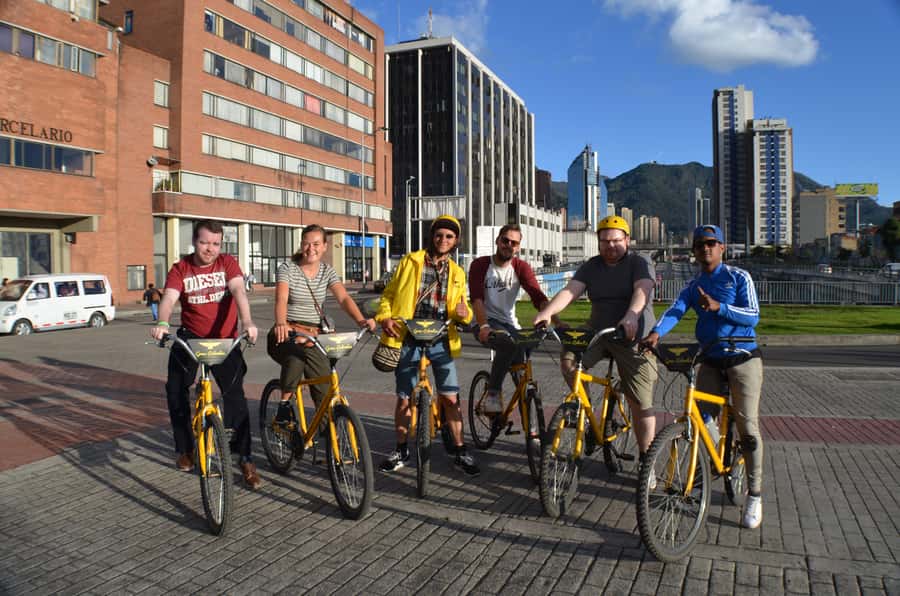
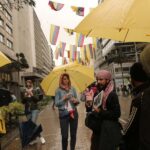
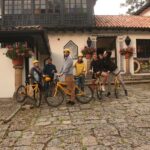
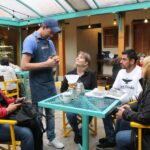
You meet next to the fountain in Plaza del Chorro de Quevedo. Look for the yellow umbrella, and you’ll be pointed toward the starting area around El Gato Gris.
Plan to arrive a few minutes early. You’ll get your bike and helmet, and there’s technical assistance if you need help before rolling. That setup matters, because the ride assumes you can handle a bicycle.
Chorro de Quevedo Plaza: the easy first story stop
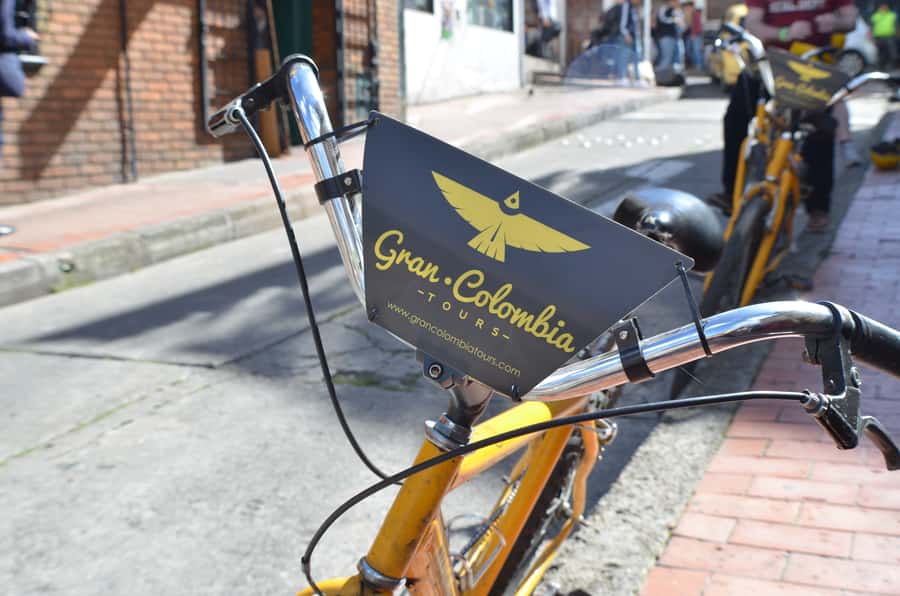
The tour begins with a guided sightseeing moment at Chorro de Quevedo Plaza. This is a friendly warm-up: you’re not out in traffic right away, and your guide can set the tone for the route.
In practical terms, this is where you learn what kind of streets you’ll be on and how you’ll get from stop to stop. It also helps if you’re new to Bogotá’s pace, since you’ll be riding with the group and watching how the guide moves you through the city.
La Candelaria founding plazas: how the city’s center shifted
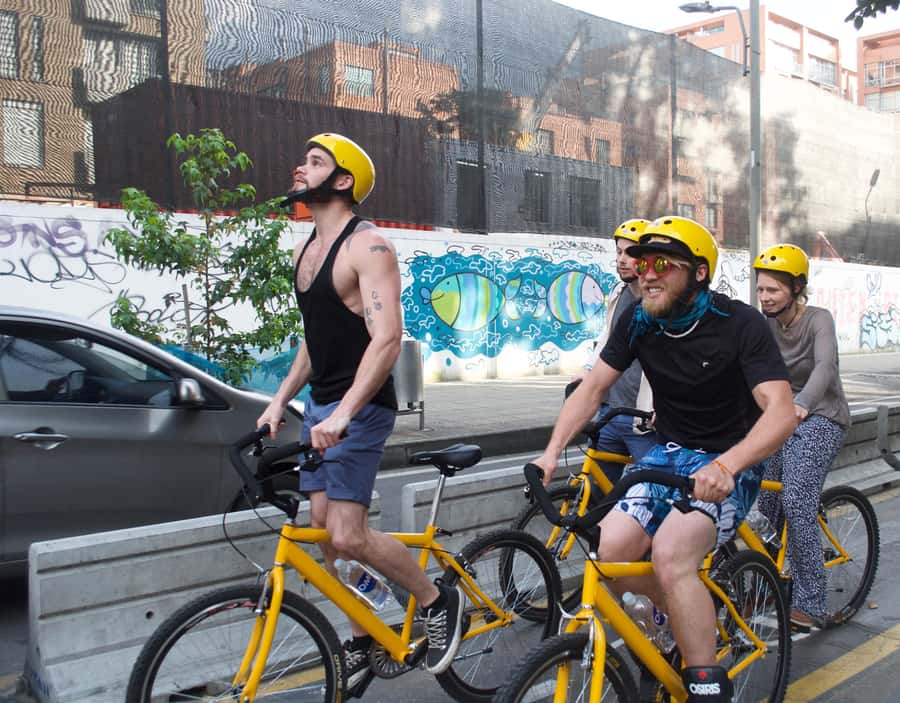
From the plaza area, you head into La Candelaria for a guided tour tied to the city’s origins. The idea isn’t just old buildings; it’s how the downtown changed over time and what that means for everyday life today.
You’ll cover multiple founding-plaza moments in this area, so you don’t end up with a single “one-and-done” stop. Instead, you get repeated context—how the city’s identity moved, expanded, and reorganized.
What I like about this section is the balance between culture and real-world streets. You’re watching the city from a moving seat, which makes the historical talk feel connected to what you can actually see.
Riding 7th Avenue: the historic salt road turned city artery
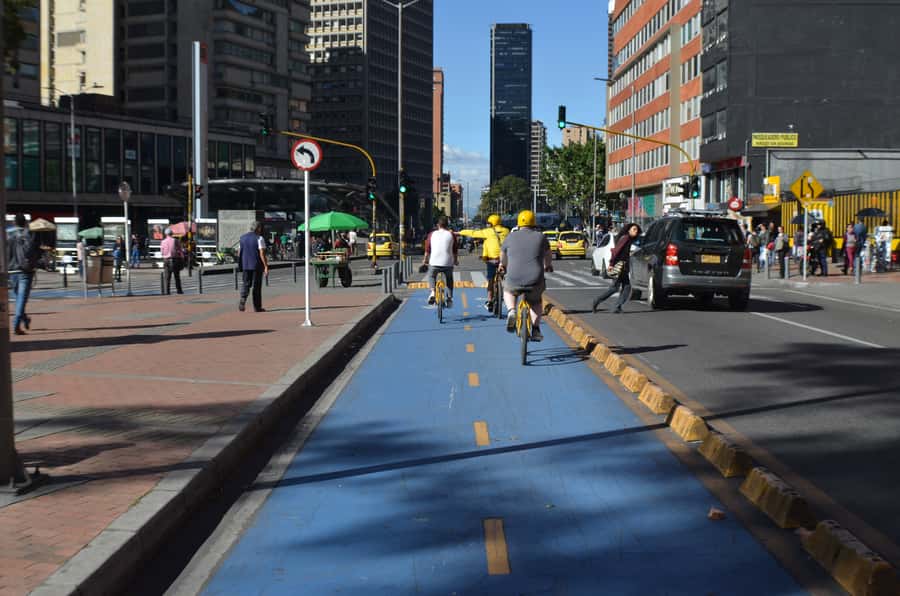
Then comes one of the main reasons to choose this tour: you bike along 7th Avenue, including the stretch that connects north and south. The guide frames it with a neat timeline—this route traces back to an indigenous salt road.
On a bicycle, 7th Avenue feels like a spine. You can sense the rhythm of commuting zones and the way different neighborhoods plug into the same main corridor. It’s also where you start understanding Bogotá’s scale, because the city opens up fast when you’re moving.
If you’re the type who likes to connect place to meaning, pay attention here. The avenue is a practical shortcut for learning the city’s geography in one ride.

Parque Nacional: half forest-reservoir, half cultural crossroads
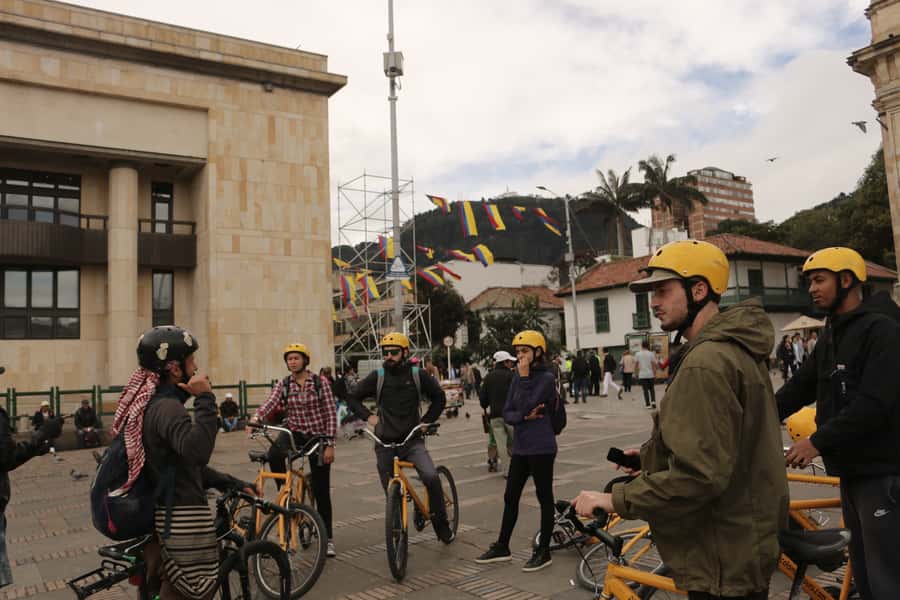
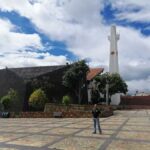
Next you’ll stop at Parque Nacional, described as half forest-reservoir and half cultural hub. That blend is what makes it such a good mid-tour reset.
You’re not just rolling from point A to point B. You get a guided moment to notice how the city creates a green space that still acts like a meeting point for culture. It’s an important contrast to the more urban-feeling streets before and after.
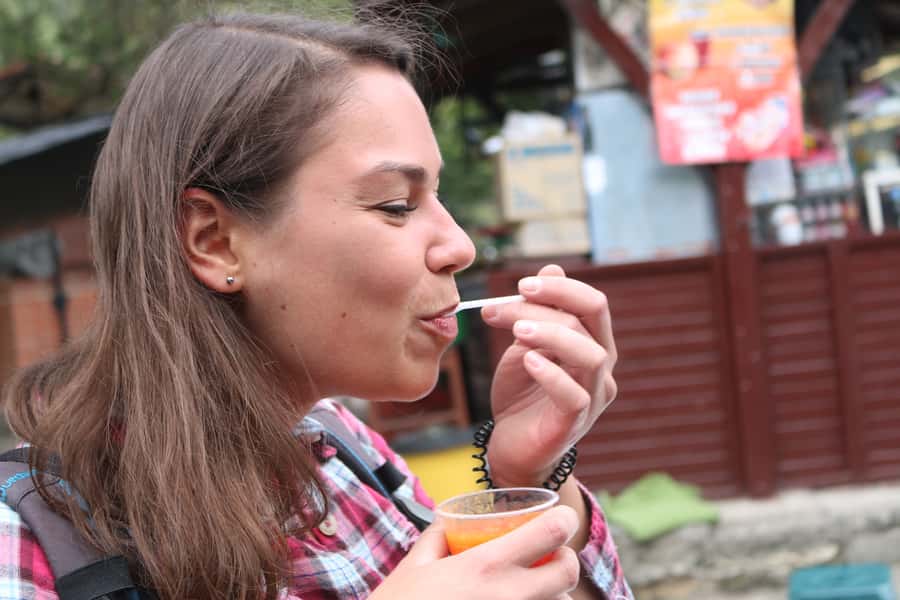
Depending on how the guide structures the break, you might even have a chance to try something local at a park stop, like fruit-based refreshments. Either way, this section is your chance to catch your breath, drink water, and check in with your bike comfort before continuing.
Santamaría Bullring: public spectacle and civic identity
You’ll also visit Santamaría Bullring, with a short guided sightseeing stop. This is one of those landmarks that tells you how Bogotá handles public life—big, visible, and tied to local tradition.
Even if you’re not a bullfighting fan, it’s still worth seeing because it helps you understand the city as a place where major cultural events have dedicated spaces. From there, you’re positioned to move back toward the greener, tree-lined stretch later.
Parkway Boulevard: the tree-lined breath between blocks
After the main sights, you ride along to Parkway Boulevard, a natural path full of trees. This is where the tour becomes more than monuments. It feels like the city is letting you move through it at a slower speed for a bit.
If you’ve been stuck walking between crowded streets in La Candelaria, you’ll feel the relief here. Biking along a greener corridor makes the whole day easier on your legs and your attention span.
It’s also a good moment to look around and notice how the city’s textures change—more greenery, different street feel, and less of the constant urban glare.
El Dorado Avenue crossing and the return toward La Candelaria
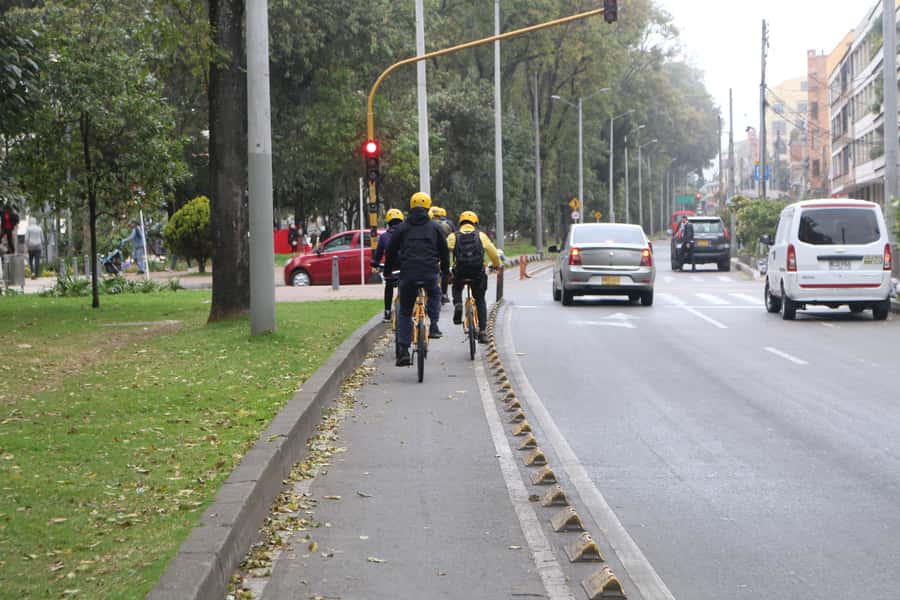
You cross El Dorado Avenue as part of the route, then you head back toward La Candelaria for the closing moments. This part is practical: you’re moving between zones so your mental map starts to click.
A bike tour shines here because it gives you a sense of distance that walking can hide. When you cross a major avenue with the guide, you also get cues about how to navigate Bogotá’s street layout on your own later.
Hidden neighborhoods and graffiti as social commentary
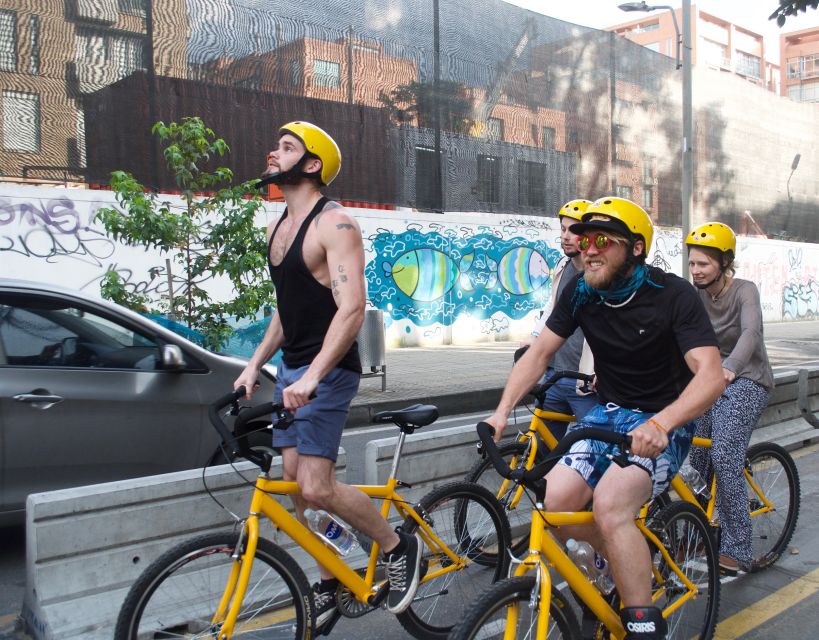
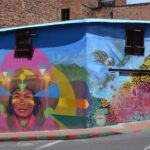
One of the most interesting sections is the time in less expected neighborhoods, where graffiti shows up as a way to face social issues. This isn’t presented as random street art. It’s framed through the lens of community voice and street-level reality.
From a rider’s perspective, this is where the tour feels most human. You see walls, corners, and daily-life details at close range, which makes the guide’s explanations stick.
If you like street-level stories, this part can be a highlight. If you prefer only classic sights, you may find it a bit more “about people” than “about landmarks,” but that’s also why it works.
Coffee tasting and a short walk to end the ride
Toward the end, you return to La Candelaria for a guided segment that includes a walk and a coffee tasting. It’s a nice way to slow down after three-plus hours of motion.
This closing block also helps you process what you saw. You’ve got the sights, the corridor rides, the park contrast, and then you finish with something calm and local—an easy transition from sightseeing mode to normal life.
Price and value: is $19 worth a 210-minute ride?
At $19 per person for 210 minutes, this tour is priced like a “serious deal” rather than a luxury experience. You’re not just paying for a guide to point at buildings. You get the bike and helmet, technical assistance, and risk insurance.
The biggest value is time. In about 3.5 hours, you cover downtown, major corridors, and park-like stretches—hard to replicate on foot without turning the day into a marathon.
The main trade-off is that it’s not a casual sightseeing stroll. You need bike comfort, and you should expect some real riding time. If that’s a fit, the cost feels fair because you’re buying both motion and context.
Who this Bogotá shared bike tour suits best
You’ll likely love this if you want:
- A practical way to see more parts of Bogotá than walking allows
- A guided explanation that connects streets to how the city evolved
- A route that mixes La Candelaria, parks, and big-city corridors
It might not be your best match if:
- You don’t feel confident riding a bike
- You hate weather-related surprises (the tour operates in all weather)
- You want only the most famous monuments with zero neighborhood context
Should you book the Bogotá Shared Bike Tour?
I think this is a strong booking choice if you want one organized ride that helps you understand Bogotá’s downtown layout and energy. The small group format (limited to 10) keeps it manageable, and the guide focus on history plus real social context makes the stops feel connected instead of stitched together.
Book it if you’re comfortable pedaling and you’d rather move through the city than stand around waiting for a view. Skip it only if bike riding is a weak spot for you—because the tour is designed around that basic skill, and the weather won’t pause for comfort.
FAQ
How much does the Bogotá Shared Bike Tour cost?
It costs $19 per person.
How long is the tour?
The duration is 210 minutes (about 3.5 hours).
Where do I meet the guide?
Meet next to the fountain in Plaza del Chorro de Quevedo, and look for the yellow umbrella.
How many people are in the group?
It’s a small group, limited to 10 participants.
Do I need to know how to ride a bike?
Yes. It’s stated that it is imperative to know how to ride a bike.
What should I bring?
Bring water and comfortable clothes.
What’s included, and what’s not?
Included: tour guide, bike, helmet, technical assistance, and risk insurance. Not included: hotel pick-up and drop-off.
What languages are the guides?
The live tour guide is available in Spanish and English.
Does the tour run in all weather, and can I get a refund if plans change?
It operates in all weather conditions. There is free cancellation up to 24 hours in advance for a full refund, plus a reserve now & pay later option.