REVIEW · MENDOZA
From Mendoza: 3 Wineries, Olive Oil Factory Tour & Tasting
Book on GetYourGuide →Operated by Viajes y Diseño · Bookable on GetYourGuide
Six hours, three wineries, no stress. This tour is a small-group Mendoza afternoon built around real production, not just looking at rows of vines. You’ll taste through different styles in Maipú, then finish with an olive oil factory stop where bread, olive paste, and other treats show up at the end.
I especially like the structured tastings: each winery is set up so you can compare white, red, and rosé wines, plus younger vs. more aged expressions. I also like the value math—entrance fees and tastings are included in the $34 price, and the stops are spread across an artisanal-style cellar, a more industrial operation, and a sweet-wine producer.
One consideration: it’s not suitable for wheelchair users, and while the wineries feel like guided visits, the olive oil factory can be more crowded. Plan for that and wear shoes you’re happy to stand in.
In This Review
- Key highlights worth your attention
- Mendoza, Maipú, and why this tour works as a 6-hour plan
- Pickup in Mendoza city: expect a little waiting, then enjoy the ride
- The 3 wineries in Maipú: tasting across styles, not just checking a box
- Stop vibe: artisanal cellar
- Stop vibe: industrial-style winery
- Stop vibe: sweet wine cellar
- The olive oil factory: bread-and-oil tasting that resets your palate
- Guides, bilingual pacing, and how the explanations actually land
- How much you’ll taste, and how to handle it like a pro
- Value check: why $34 can be a surprisingly fair deal
- Where this tour fits best (and who should rethink it)
- Practical details that make the day smoother
- Should you book this Mendoza wine and olive oil tour?
Key highlights worth your attention
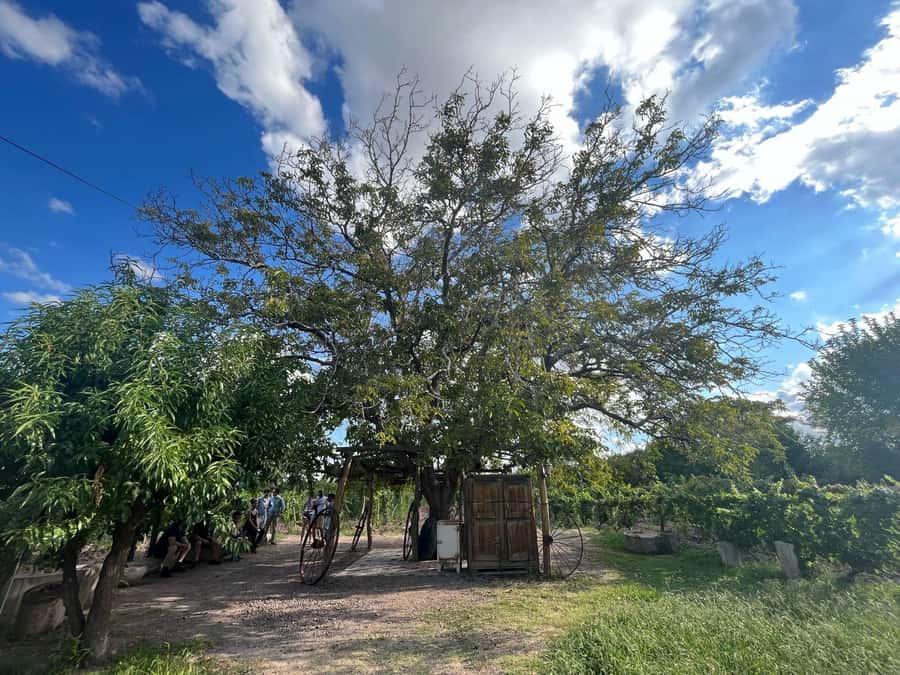
- Three winery styles in Maipú (artisanal, industrial, and a sweet-wine focus) so you taste Mendoza’s range, not just one house style
- Wine flights built for comparison with white, red, rosé and younger vs. age-focused tastings at each stop
- Olive oil factory tasting with food pairings including bread with olive oil and samples like olive paste
- Bilingual guiding (English and Spanish), often split into smaller language groups at each winery
- Pickup-and-drop logistics designed for low planning stress—you start in the city and get back by 8:00 p.m.
- Good value for a “fees included” day with admissions and tastings covered in the ticket
Mendoza, Maipú, and why this tour works as a 6-hour plan
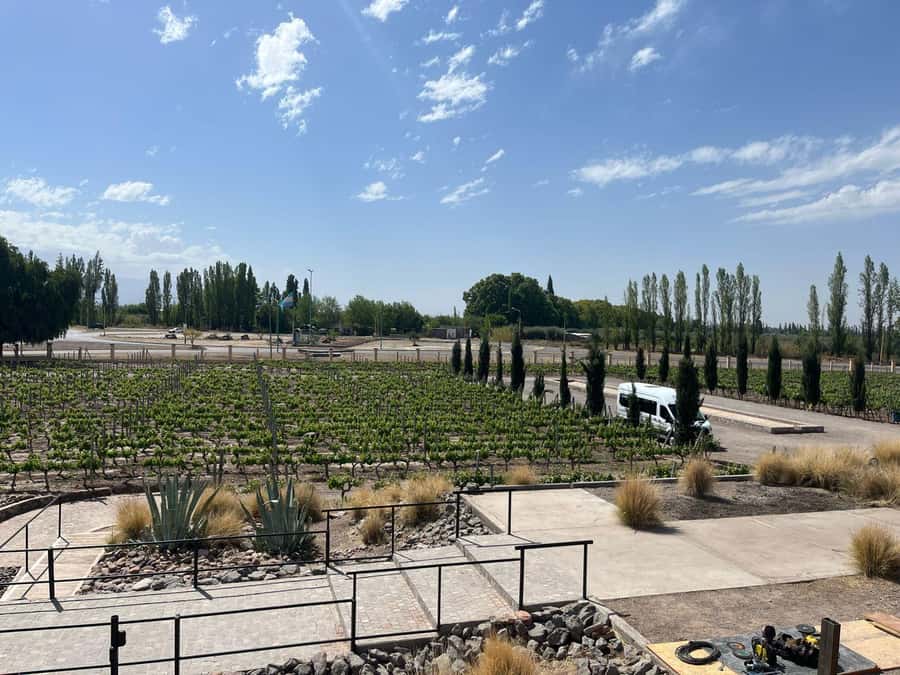
This is one of those Mendoza tours that fits the way most people travel: you get enough time to feel like you saw “wine country,” but not so long that the day turns into a blur. Starting at 2:00 p.m. and returning around 8:00 p.m., the timing lands perfectly for an afternoon that’s social and tasty, without stealing your whole day.
The price point—$34 per person—matters because it’s not just transportation. Your admissions and tastings are included, which means fewer surprise add-ons. For international visitors, the listing also notes that card payments from outside Argentina include local taxes, so you don’t have to guess how the total will behave at checkout.
You can also read our reviews of more tours and experiences in Mendoza.
Pickup in Mendoza city: expect a little waiting, then enjoy the ride
The day begins with a hotel pickup window. You’ll be collected from Mendoza city hotels and hostels starting at 2:00 p.m., but the operator also allows about 45 minutes to pick everyone up—so don’t plan a tight lunch-to-tour shuffle. If your pickup point is earlier than you think, great; if it’s later, treat it as part of the rhythm of a shared tour.
The vehicle is described as air-conditioned/heating, which is worth caring about in Mendoza—weather can swing during the afternoon. Past guests also noted the transportation is well organized and the driving is smooth, which helps when you’re focused on tasting, not white-knuckle turns on the way out of town.
And yes, the group format is a big part of the experience: this is described as small groups. That usually means you spend more time listening at each stop and less time waiting in a crowd.
The 3 wineries in Maipú: tasting across styles, not just checking a box
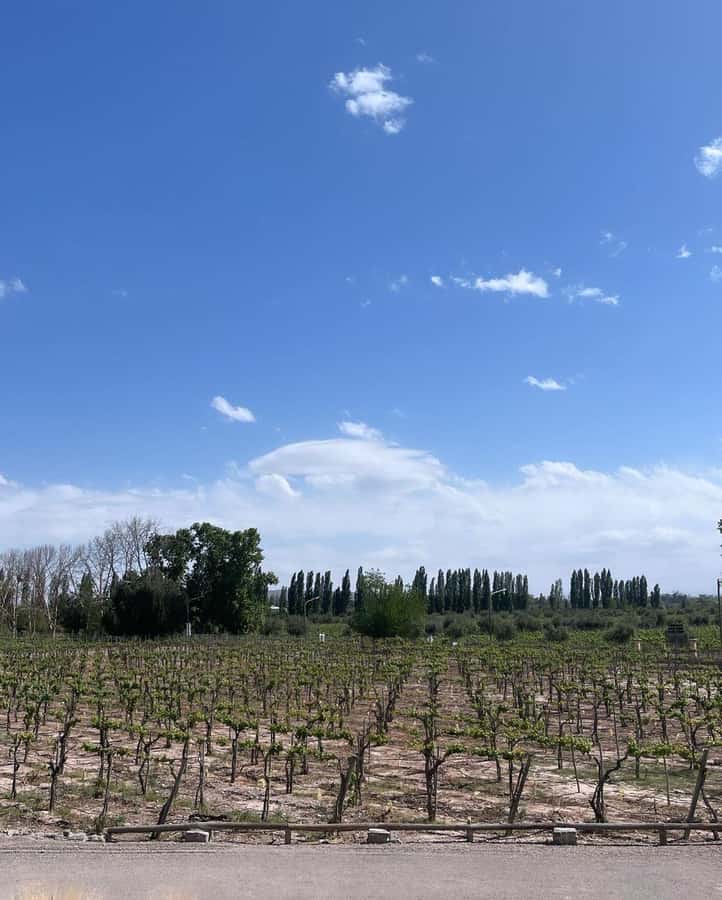
You visit three wineries in Maipú, plus the olive oil factory at the end. Those winery stops are intentionally different: you’ll go to an artisanal producer, an industrial operation, and a sweet-wine cellar. That set-up is what keeps the day from becoming repetitive.
At each winery, you’re not just given one generic pour. The tasting is built to compare:
- White, red, and rosé options
- Younger vs. more aged expressions (so you can taste how time changes flavor, not just how grapes differ)
That comparison is the secret sauce for beginners and returning wine lovers alike. If you’re new to wine, it helps you build a basic sense of what you like before you start buying bottles. If you already drink Mendoza Malbec, Cabernet, or blends, you’ll still get value because the flight structure pushes you to notice how winemaking choices and aging show up in the glass.
Stop vibe: artisanal cellar
The artisanal place is typically where you get the “how they work the land” feeling—more hands-on, more tradition, more explanation about craft. Even if you don’t catch every technical term, you can still follow the process because the guides are set up to walk you through what you’re tasting.
A practical tip here: take a moment to write down which wines you actually preferred (and why). The day includes multiple tastings, and your memory will blur fast once you’re well into reds.
Stop vibe: industrial-style winery
Then the tour shifts gears to a more industrial producer. This is useful because it gives you the other side of the Mendoza story: scale, systems, and efficiency—still focused on quality, just with different tools and processes. It’s also where you’ll often hear explanations that connect vineyard decisions to what happens in the cellar.
This contrast matters because Mendoza isn’t one style. It’s a region with different approaches, and your three stops are designed to show that range.


Stop vibe: sweet wine cellar
The third winery is sweet-wine focused. This can be a surprise if you’re thinking only of dry reds and classic Malbec. Even if sweet wines aren’t your main love, the value is in taste education: you’ll learn what sweetness comes from and how the winemaking process shapes it.
One small drawback to accept: you might find you personally prefer the drier styles more than the sweet bottles. That doesn’t make the stop bad; it just means your palate will decide the order in your favorites list.
The olive oil factory: bread-and-oil tasting that resets your palate
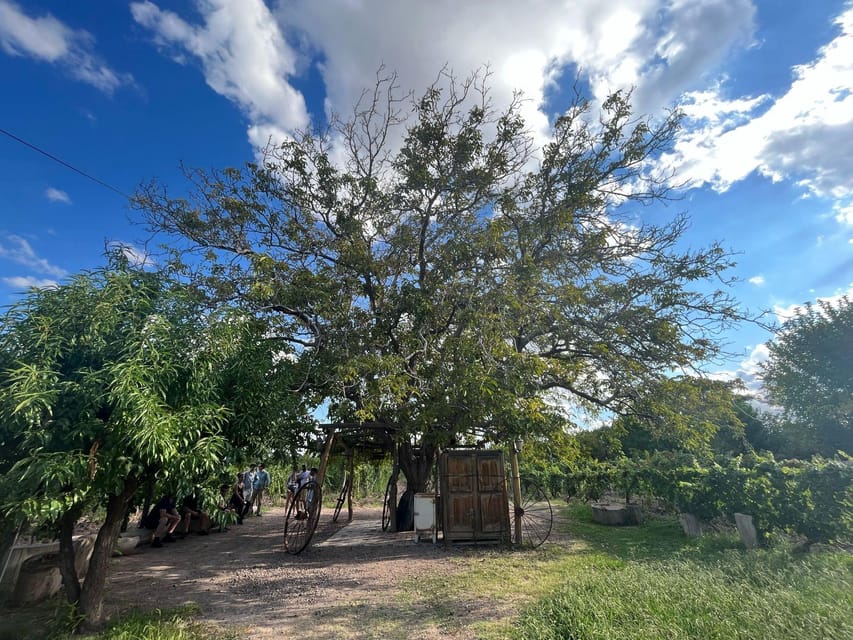
The final stop is the olive oil factory, and it’s more than a “quick look.” You’ll taste products along with food. The tour description specifically includes:
- Bread with olive oil
- Olive paste
- Other delicatessen-style tastings
This part works for two reasons. First, it’s a flavor reset. After wine tastings, your palate needs something savory and fatty to recalibrate. Olive oil does that job fast.
Second, it’s a different kind of production education. Wine gets all the attention in Mendoza, but olive oil is serious work here too. Expect the experience to feel like a guided production visit with tasting at the end, led by staff on-site.
A small caution: one review noted the olive factory stop can feel crowded and not as packed with information as the wineries. That doesn’t mean it’s disappointing—just set your expectations. If it’s busy, you’ll still get the tasting value, but you might move through quicker.
Guides, bilingual pacing, and how the explanations actually land
The tour is guided in English and Spanish, and one of the best practical features is that you won’t have to miss the story if you only speak one language. Reviews note that the group may split by language at the winery stops, which keeps explanations clearer and helps you stay engaged.
You might be guided by names like Dolores, Alejandro, Maru, Rocío, or Rosita (names vary by date). What stays consistent is the approach: guides explain what you’re tasting and why the winery methods matter. Several reviews highlight energy and movement—meaning you’re not stuck for long stretches with no direction.
There is one quality note to keep in mind. At least one past booking mentioned the audio system wasn’t very helpful. If you’re sensitive to sound or you’re hard of hearing, consider bringing your own listening support (like a simple hearing aid or earbuds if you use them). The main explanations at each stop still come through the winery guides, but this is worth knowing.
How much you’ll taste, and how to handle it like a pro
This is a wine-and-olive day, not a museum tour. The format is built around tastings at each stop, and the tour description states that you’ll taste multiple wines per winery. Reviews also describe getting a lot of pours, with at least one group reporting more than the minimum (like 11 wines) and multiple olive oil tastings.
So plan your body like you plan your schedule:
- Drink water during transfers
- Eat something before pickup if you can
- Don’t drive that night (you won’t need to—pickup and drop are part of it)
A humorous but real point: more than one review suggests you may get tipsy. That’s not a reason to avoid it. It’s a reason to be smart about pace so the last stop still tastes great.
Value check: why $34 can be a surprisingly fair deal
On paper, $34 sounds almost too good. The value becomes clear because the cost is tied to experiences you’d normally pay for separately: entry fees and tastings at multiple wineries and the olive oil factory.
Also, the regional focus helps. You’re in Maipú, which is a major Mendoza wine zone, and you’re seeing multiple kinds of wineries in one afternoon. If you’ve ever paid for a single tasting and felt like the day was over too quickly, this format gives you more time in the cellar-to-glass story.
One thing I like about the setup: reviews describe there’s no sales pressure. You may be offered the chance to buy wine or snacks, but you’re not pushed into it. That makes the day feel like a learning experience, not a retail detour.
Where this tour fits best (and who should rethink it)
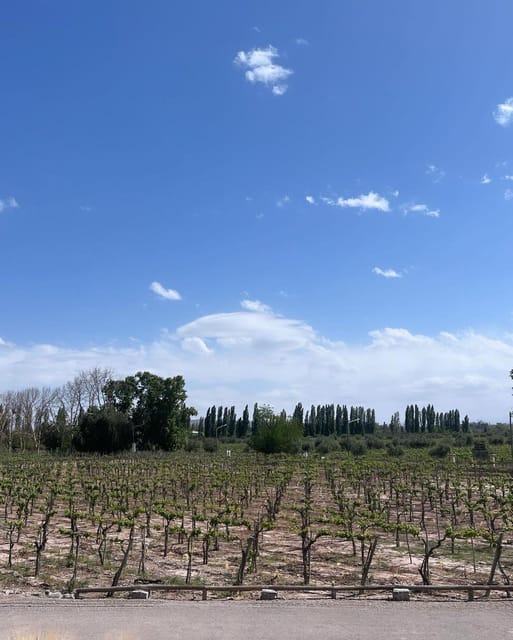
This is a great fit if:
- You want a relaxed, planned wine day with minimal logistics
- You’re a first-timer who wants structured tastings across white, red, and rosé
- You like contrast—artisanal vs industrial vs sweet
- You’d rather spend your energy tasting and listening than figuring out transportation
It’s less ideal if:
- You need wheelchair access (it’s not suitable for wheelchair users)
- You’re looking for long, quiet, in-depth museum-style visits at every stop—this is paced as an afternoon circuit
If you’re debating whether to focus on Maipú or another Mendoza wine area, the structure here is built to change your mind. You get variety without committing to a full-day drive across the province.
Practical details that make the day smoother
A few small things can upgrade your experience fast:
- Keep an eye out for your pickup group. The tour operator allows up to 45 minutes to collect everyone, so don’t assume you’re late if they’re still working their list.
- Wear layers. Even with a heated/air-conditioned vehicle, you might feel temperature swings between city pickup, winery shade, and outdoor segments.
- Bring a quick note-taking habit. The tasting format includes comparisons, and it’s easy to forget which wine you loved until it’s time to buy.
Also, since this is a shared experience with bilingual explanations, don’t worry if you don’t catch every word. The tastings and process walk you through the rest.
Should you book this Mendoza wine and olive oil tour?
If your goal is a low-stress introduction to Mendoza wine with a serious tasting plan, I think you should book it. The best reasons are simple: included tastings and admissions, three distinct winery styles in Maipú, and a final olive oil stop that actually changes the flavors in your mouth—not just more wine.
Book it especially if you like structure. Each winery tasting is designed for comparison (white/red/rosé plus younger vs aged), and the bilingual guide setup helps you stay part of the conversation.
Skip it if mobility is an issue, since it’s not suitable for wheelchair users. Also, if you hate busy factory environments, know the olive oil stop can feel more crowded than the wineries.
If you want a thoughtful, tasty Mendoza afternoon that doesn’t demand planning talent, this one is an easy yes.