REVIEW · ANTIGUA GUATEMALA
Antigua: Cooking Class with Local Family
Book on GetYourGuide →Operated by Columbus Guatemala · Bookable on GetYourGuide
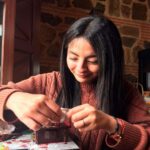
A pedernal stone turns dinner into a hands-on lesson. This Antigua Guatemala cooking class has you working alongside a local family to make classic Guatemalan dishes, using traditional tools and techniques that have survived for centuries. I love the fact that you are not just watching a show. You actually grind corn, seeds, and spices by hand—so you understand the flavors at their source—then you cook and eat together.
Two things stand out right away: the Mayan-style grinding with the pedernal stone, and the chance to cook with a local family (not a commercial kitchen). You learn Mayan cooking techniques and use heritage utensils while making dishes like Pepián, Jocón, Kak’ik, or a vegetarian option.
The main thing to consider is timing and flexibility. With a 4-hour format and a small group capped at 10, you’ll want to plan for a full block of active cooking. If you have allergies or medical needs, tell the team in advance so the menu can be adjusted.
In This Review
- Key Highlights You’ll Really Notice
- Entering the Pedernal Stone Era in Antigua
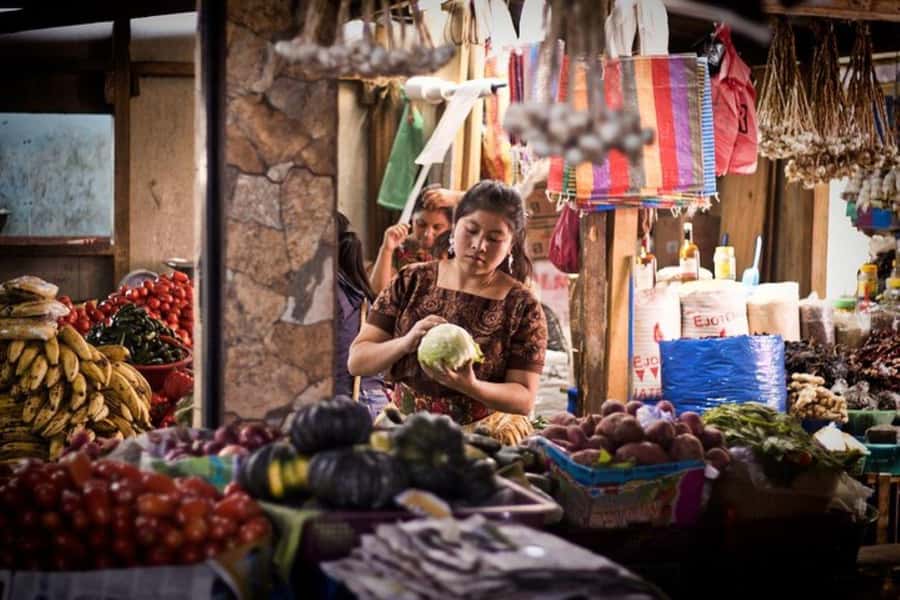
- The Start: Fresh Ingredients and Getting Oriented
- Grinding Corn, Seeds, and Spices: The Real Skill Transfer
- Cooking Guatemalan Classics: Pepián, Jocón, Kak’ik, and Vegetarian
- Local Family Cooking: Heritage Utensils and the Value of Day-to-Day Pride
- Transportation, Small Group Energy, and a 4-Hour Reality Check
- What You Bring Home: Recipes, Technique, and a Better Way to Cook
- Price and Logistics: Why $75 Makes Sense for This Format
- Who Should Book This Antigua Cooking Class (and Who Might Skip It)
- Should You Book This Cooking Class With a Local Family?
- FAQ
- Do I need to know what dish I’ll cook?
- How long is the Antigua cooking class?
- What’s included in the price?
- Is alcohol included?
- Do I need to tell them about dietary restrictions or allergies?
- What language will the guide speak?
- How big is the group?
Key Highlights You’ll Really Notice
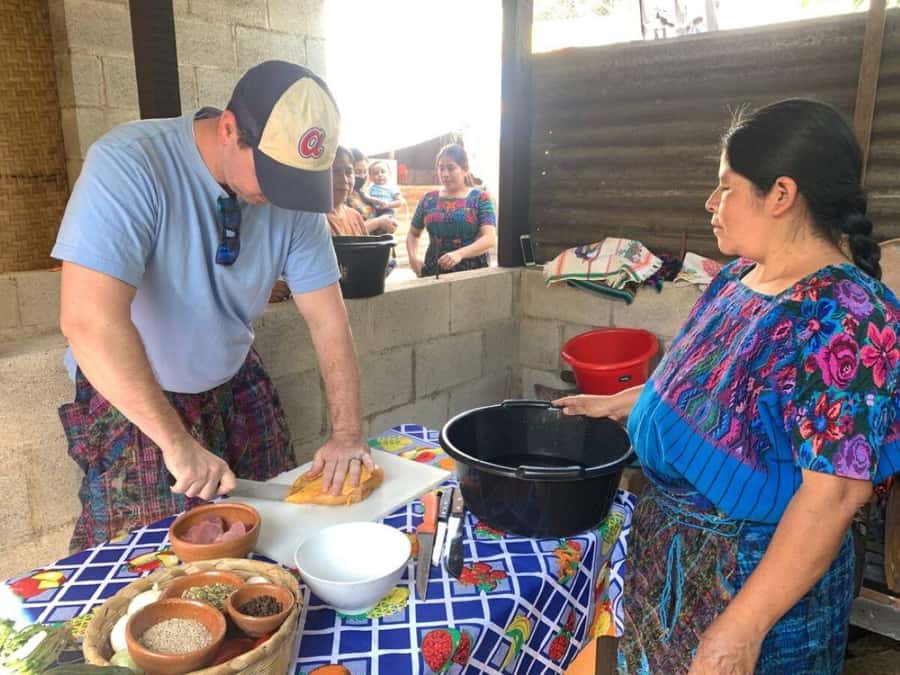
- Grind by hand with a pedernal stone mill, the same method used in Mayan times
- Cook alongside a local family with guidance from a live Spanish/English tour guide
- Heritage utensils and traditional Mayan techniques, not shortcuts or pre-made bases
- Choose your dish direction: Pepián, Jocón, Kak’ik, or a vegetarian menu
- All ingredients, fees, and taxes included, plus water and snacks during the experience
- Take recipes home so you can recreate the flavors after your trip
Entering the Pedernal Stone Era in Antigua
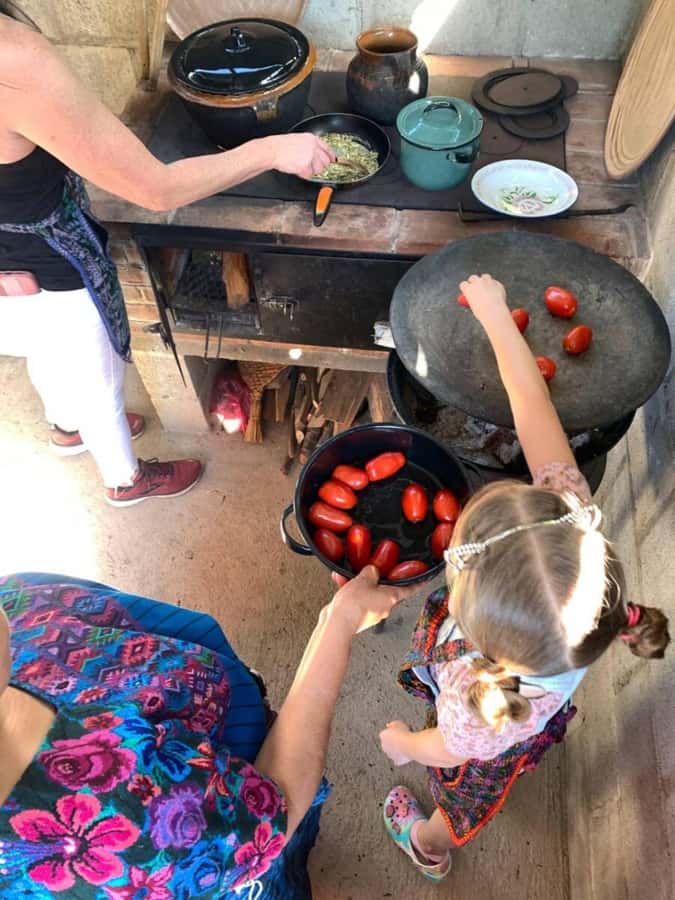
If you want a cooking class that does not feel like a worksheet, this one works because the first step is physical. You start by grinding corn, seeds, and spices using a pedernal stone (a traditional stone mill). The point is simple: you taste what you build. That grinding step matters because it changes the texture and helps create the base flavors for what you’ll cook next.
You also get the rare feeling of learning a technique, not memorizing a recipe. Yes, you’ll end up with food in your bowl. But the skills you practice—how to work with ingredients, how to pace yourself, and how the traditional process shapes the final dish—are what make this class useful back home.
And because it’s in Antigua Guatemala with local economy support baked into the experience, you’re not just consuming culture as a souvenir. You’re participating in daily-life skills that locals still use.
Quick practical note: plan to arrive ready to cook. The experience starts with the grinding, and you’ll be in active mode for most of the 4 hours.
You can also read our reviews of more tours and experiences in Antigua Guatemala.
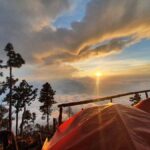
The Start: Fresh Ingredients and Getting Oriented
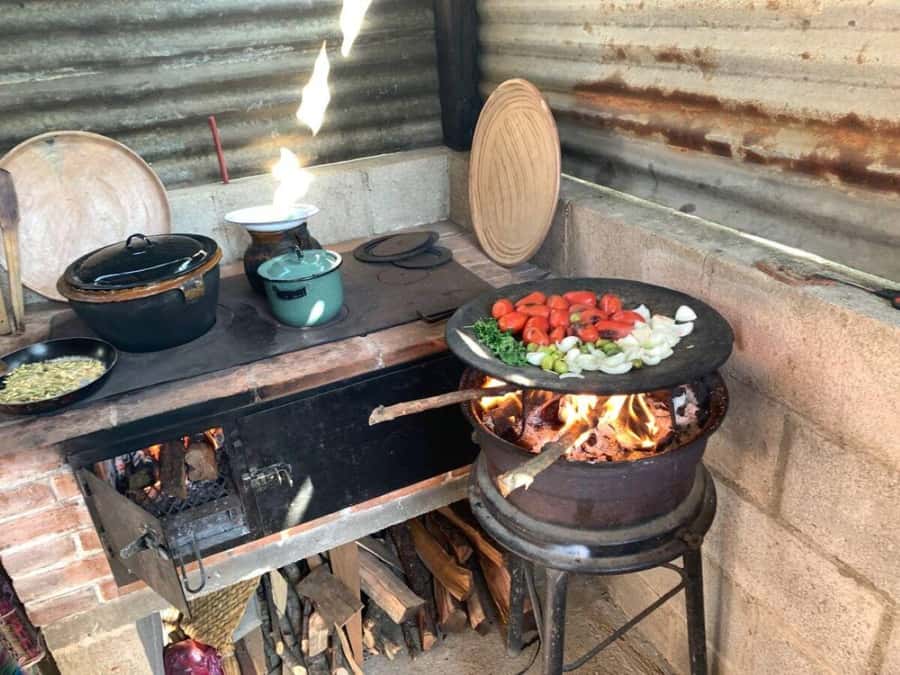
Most people think a cooking class begins at the chopping board. Here, it begins earlier—when you’re getting the ingredients that will power the dishes you make. The class is built around traditional ingredients prepared with deep understanding of feeding the body and delighting your palate.
You’ll also have a local tour guide who helps translate the experience in Spanish or English. This matters more than you might think. When you can ask questions and clarify steps, you cook with confidence instead of guessing. The guide also helps connect the dots between what you’re doing in the kitchen and why these steps are part of Mayan cooking traditions.
Transport is handled for you. You get private transportation, and the group stays small (limited to 10). That keeps the experience calm and focused. You spend your energy cooking, not coordinating routes.
If you’re the type who likes to know what you’re eating, tell your guide what you care about—flavor direction, vegetarian needs, or what you want to learn most. The menu can be adapted if there is a special season, and dietary restrictions are something they specifically ask you to communicate ahead of time.
Grinding Corn, Seeds, and Spices: The Real Skill Transfer
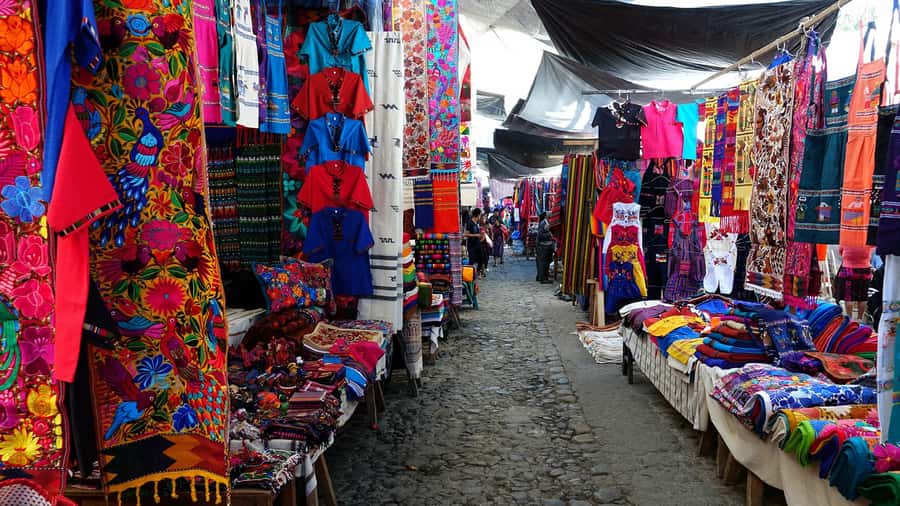
Here’s where this class earns its keep. You grind corn, seeds, and spices by hand using the ancient pedernal stone. This is the moment that turns the class from a fun afternoon into real knowledge you can repeat.
Grinding by hand teaches three useful things quickly:
- You learn how long it takes for the texture you want.
- You develop a sense for how ingredients behave as they break down.
- You start noticing how aroma changes as you grind.
That might sound abstract, but it’s not. When you cook later at home, you’ll remember the feeling and adjust faster. Most recipe books tell you the end result. This class teaches you the path to get there.
It’s also a grounding experience in the best way. The rhythm of grinding and the pace of the work keeps you present. There’s no rushing, because the process itself sets the speed.
If your wrists or hands tire easily, this is the one part to plan for. You’ll be doing the grinding yourself, and the class is only 4 hours. Let the team know about physical restrictions so they can accommodate you better.
Cooking Guatemalan Classics: Pepián, Jocón, Kak’ik, and Vegetarian
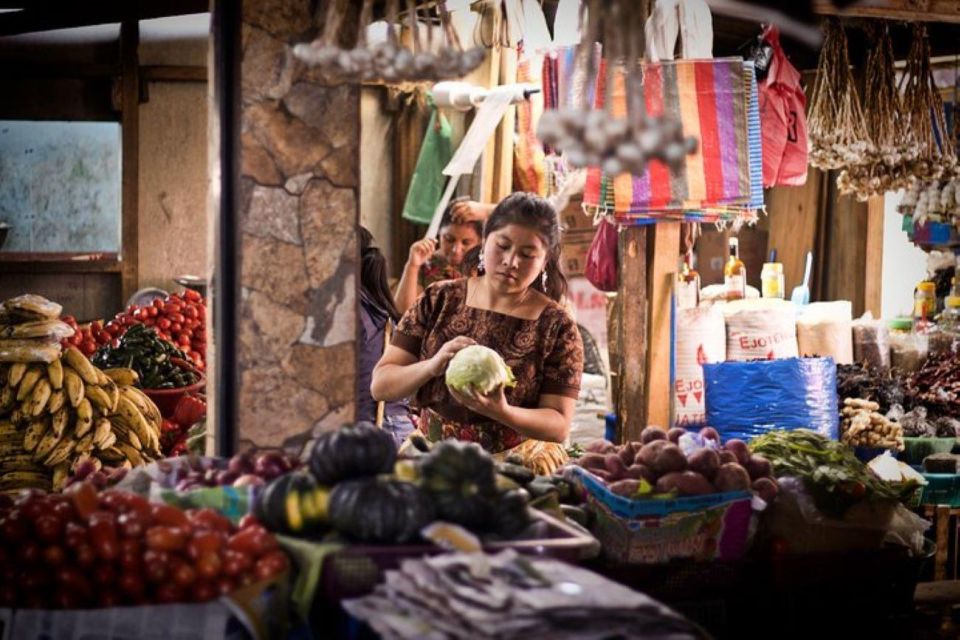
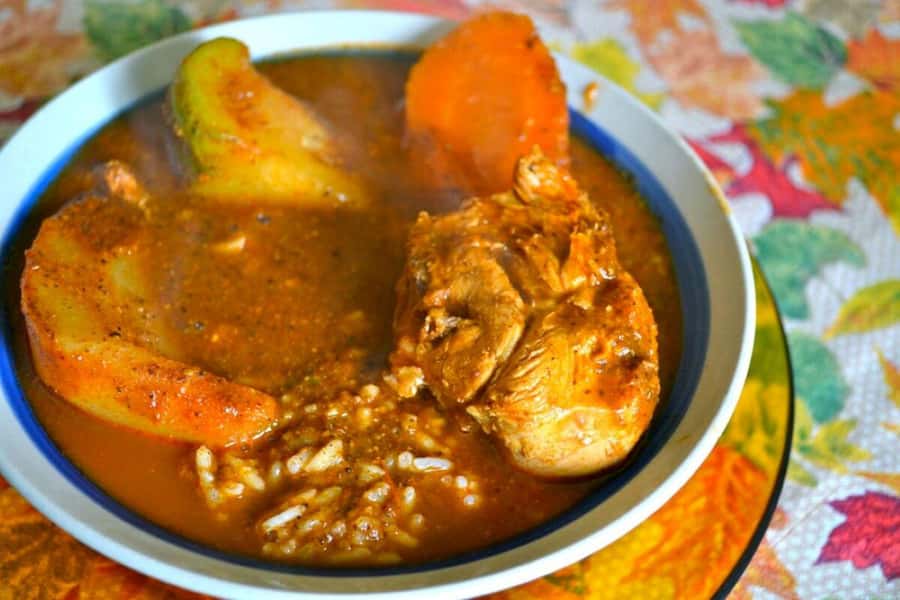
After grinding, the class shifts into cooking mode. You’ll prepare Guatemalan dishes such as Pepián, Jocón, Kak’ik, or a vegetarian option. Which dish you end up focusing on can vary, but you’ll be working from real traditional techniques and ingredients rather than a simplified tourist version.
This is also where the local family element pays off. Families cook from experience: how to handle spices, how to balance steps, and how to know when something is ready. You are guided through the process, but you’re also allowed to participate, which makes the outcome feel earned.
The menu adapts depending on region and seasonal factors. So don’t treat this as a strict menu guarantee. Instead, treat it as a chance to learn the method and then follow the flavors the family is cooking that day.
One more detail worth knowing: alcohol is not included. If you want to pair food with a drink, you’ll need to arrange that separately. But water and snacks are included, which is helpful since you’ll be active and working through the full meal timeline.
Local Family Cooking: Heritage Utensils and the Value of Day-to-Day Pride
Cooking with a local family is the heart of the experience. You’re not just learning recipes; you’re learning how a family feeds people. You’ll also use heritage utensils, which is part of why traditional dishes taste like themselves. Tools shape the process, and the process shapes the dish.
What you get from this setup is more than hospitality. It’s continuity. The class presents Mayan roots as living practice, not museum content. When you see ingredients handled in the way people still do, it changes how you think about what you’re eating.
And you’ll get that human layer too: conversation, questions, and warmth while you cook. In the best cases, the guide picks up on your pace and helps you get it right without rushing you.
A small but memorable detail: after you finish, they encourage you to share photos of your creation. That’s a fun way to compare your home version to what you made here and to keep the learning going after your trip.
You can also read our reviews of more tours and experiences in Antigua Guatemala
Transportation, Small Group Energy, and a 4-Hour Reality Check
The experience runs about 4 hours, and that duration is both the charm and the constraint. Four hours is long enough to do the grinding, cook, eat, and learn techniques. It’s also short enough that you won’t feel stuck in a half-day lecture.
The group size is limited to 10 participants, and it’s described as a private activity, meaning only your group participates. That matters if you prefer a calmer environment. With fewer people, you get more attention and smoother hands-on time.
Private transportation is included, along with bottled water and snacks. That’s not glamorous, but it’s smart. It removes friction so you can show up and cook without worrying about getting hungry early or finding your way between stops.
The only real consideration is energy management. You are actively involved, and you’re doing the core work yourself. If you’re trying to stack three other tours the same day, keep it realistic.
What You Bring Home: Recipes, Technique, and a Better Way to Cook
The class is built for learning that lasts. You’re not just eating and leaving. You take the recipes and skills home so you can recreate the flavors in your own kitchen.
That matters because home cooking usually fails for one of two reasons: people copy the list of ingredients but miss the technique. Here, you practiced the technique first—especially the grinding process and how traditional utensils and steps fit together.
You’ll also have a clearer sense of what to pay attention to when you cook again. Instead of guessing how long something needs or how the texture should feel, you’ll have a memory of the method.
If you’re worried this will turn into a folder of printed pages you never use, don’t. The whole format is hands-on. That makes the recipes more practical. You can follow them because you already understand what you were doing while you made the dish.
And yes, you’ll likely want to cook again quickly. The class gives you a flavor target and the process to reach it.
Price and Logistics: Why $75 Makes Sense for This Format
At $75 per person for 4 hours, this class isn’t the cheapest way to eat in Antigua. But it can be good value because you’re paying for several things that many cheaper classes skip:
- You’re paying for hands-on instruction (especially the grinding step).
- You’re paying for a local family setting and traditional utensils.
- You’re getting all ingredients plus all fees and taxes.
- You also get private transportation, water, and snacks.
When you add those up, $75 looks less like a random price tag and more like a fair rate for a real experience: time with a family, labor-intensive instruction, and an outcome you can recreate later.
Alcohol not being included also helps keep the cost straightforward.
So if your goal is a memorable meal plus a skill you’ll use again, this price is easier to justify.
If your goal is only eating, there are cheaper options in Antigua. But if you want to leave with technique—not just a full stomach—this class fits.
Who Should Book This Antigua Cooking Class (and Who Might Skip It)
This is a strong fit if you:
- Want a hands-on cooking experience rather than a sit-and-watch lesson
- Enjoy learning traditional techniques like Mayan-style grinding
- Prefer small group settings and guided conversation
- Care about taking home recipes you can actually recreate
It may be less ideal if you:
- Have difficulty participating in manual work like grinding (tell the team about physical or medical restrictions)
- Need a very sedentary experience (the class is active for most of the time)
- Are only looking for a quick meal without cooking
Also, if you have food allergies, tell the team in advance. The menu can be adjusted, and that’s crucial for your comfort and safety.
Should You Book This Cooking Class With a Local Family?
I’d book it if you want Antigua Guatemala to teach you something real, not just feed you. The combination of pedernal stone grinding, cooking with a local family, and taking recipes home makes this more than a fun afternoon. It’s a skill-and-flavor experience you can carry forward.
If you’re on the fence, ask yourself one question: do you want to cook, or do you just want to eat? For people who actually want to cook, this class hits the sweet spot.
FAQ
Do I need to know what dish I’ll cook?
You’ll prepare Guatemalan dishes such as Pepián, Jocón, Kak’ik, or a vegetarian option. The menu can vary depending on region and special season.
How long is the Antigua cooking class?
It lasts about 4 hours.
What’s included in the price?
The experience includes all fees and taxes, bottled water, snacks, private transportation, a local tour guide, and all ingredients used in the recipe.
Is alcohol included?
No, alcohol is not included.
Do I need to tell them about dietary restrictions or allergies?
Yes. You need to inform them of dietary restrictions in advance so they can accommodate you. Also let them know if you have food allergies.
What language will the guide speak?
The live tour guide speaks Spanish and English.
How big is the group?
It’s a small group limited to 10 participants, and it’s described as private for your group only.