REVIEW · NAZCA
From Nazca: 35-Minute Flight Over Nazca Lines
Book on GetYourGuide →Operated by JD ADVENTURE TRAVEL · Bookable on GetYourGuide
That patch of desert suddenly looks alive. This short Nazca Lines flight lets you spot 14 famous geoglyphs from above and line up great photos in real time. I like that the pilot points out what to look for as you fly, and I also like the down-to-earth organization on the ground—pickup, check-in, and clear instructions.
The main downside is physical, not cultural: the small plane is bumpy and turns are part of the sighting plan. If you’re prone to motion sickness, plan for it (tablets help), and keep snacks light or skip eating beforehand.
In This Review
- Key Things You’ll Notice on This Nazca Lines Flight
- The 35-Minute Nazca Lines Flight: What You Really See Above the Desert
- Pilot Spotting vs. Historical Explanation: How Guidance Works On Board
- Hotel Pickup, Time Slots, and the Real Meaning of “On Schedule”
- Check-In at Nazca Airport: Passport, Weight, and Cash Fees
- The Small Plane Experience: Bumpy Turns and Motion-Sickness Reality
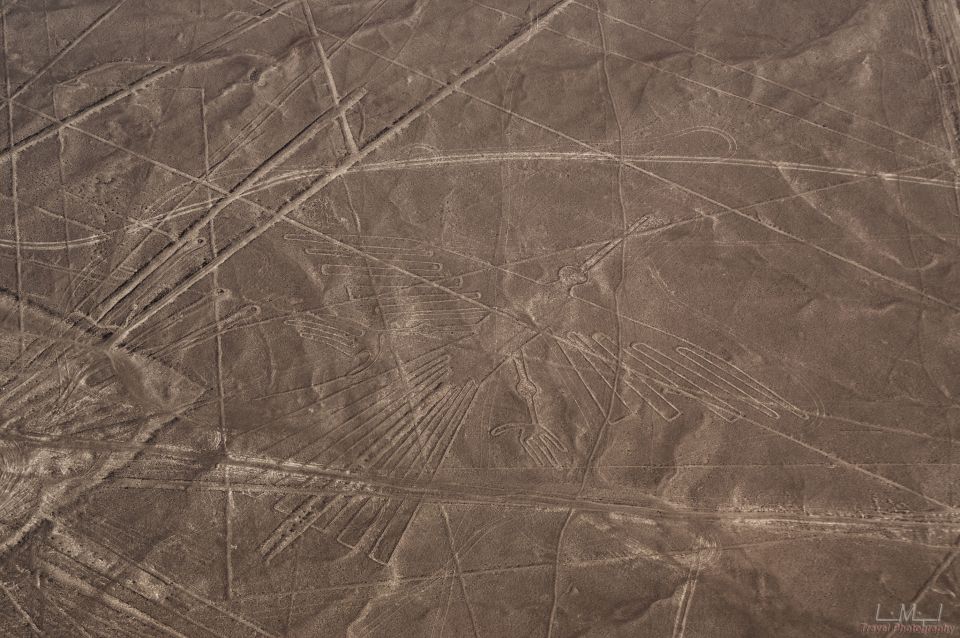
- The Flight Itself: 14 Geoglyphs, Photo-Friendly Passes, and a Simple Viewing Strategy
- Ground Stops Before and After: Why the Day Feels Longer Than 35 Minutes
- Price and Value: Is $125 a Smart Use of Your Nazca Time?
- Who This Flight Fits Best (and Who Should Skip It)
- The Booking Reality: What Can Go Wrong, and How to Prevent It
- Should You Book This Nazca Lines Flight?
- FAQ
- How long is the flight over the Nazca Lines?
- What does the price include, and what extra cash fees are required?
- Do I need a passport for check-in?
- Is there a historical explanation onboard the flight?
- How early do they pick you up before the flight?
- Is there a weight limit?
- What should I do about motion sickness?
Key Things You’ll Notice on This Nazca Lines Flight
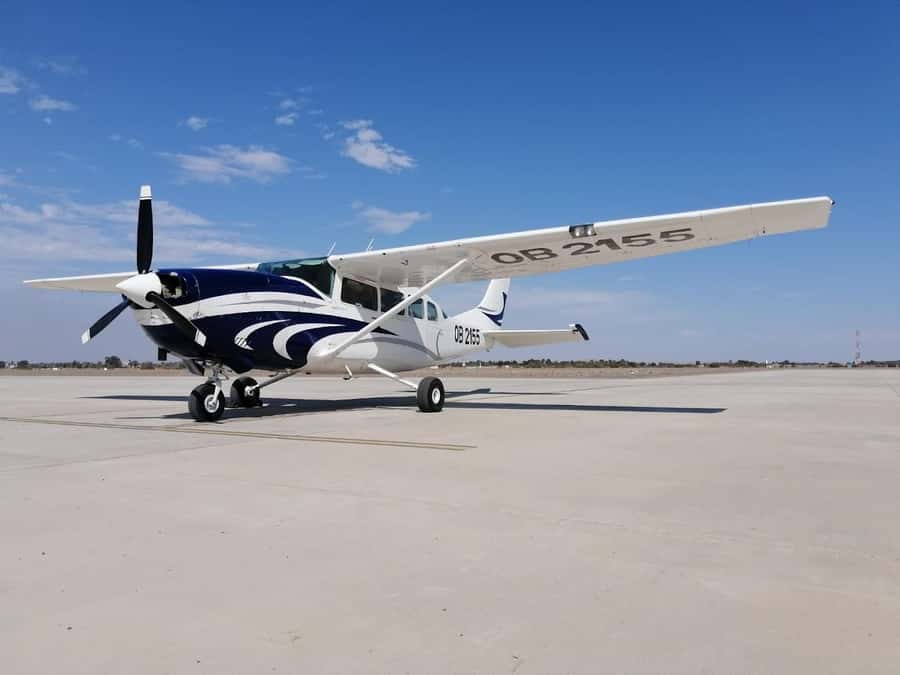
- You’re there for the view, not a lecture: it’s sightseeing only, with the pilot/co-pilot calling out figures as you pass overhead
- You’ll see 14 geoglyphs in a single 35-minute flight: including some of the most iconic designs
- Strict weight limits apply: you must stay at or under 100 kg, or you may pay extra or be reassigned for balance
- Cash-only airport and entry fees: bring the exact-feeling amount in soles since there’s no ATM at the airport
- Return transfers can mean waiting: transport is shared and runs at fixed times, unless you book a private taxi
The 35-Minute Nazca Lines Flight: What You Really See Above the Desert
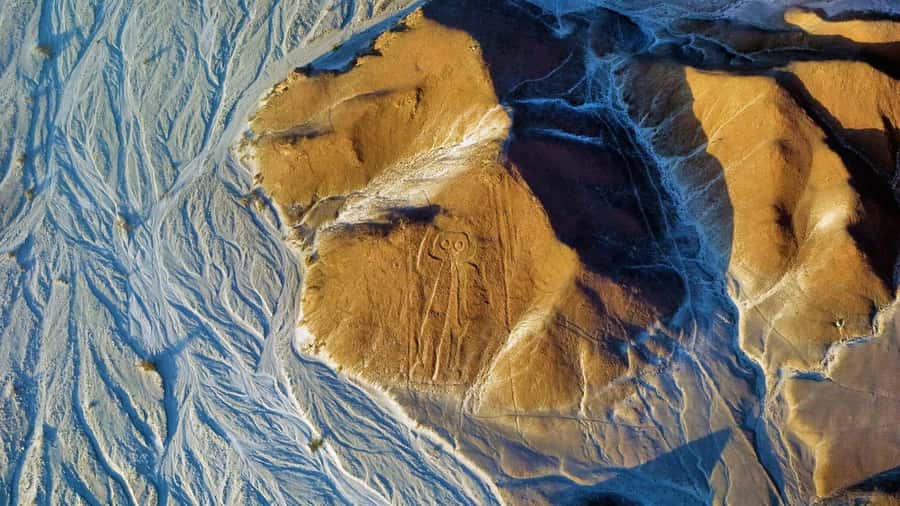
This is a focused experience. You’re not spending hours hiking out onto the plain. You’re flying for about 35 minutes, which is just long enough to get multiple passes over the designs without turning your day into a full production.
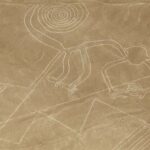
During the flight, you’ll observe 14 representative Nazca geoglyphs, chosen for how recognizable they are from the air. The key point: you’re not relying on memory or a guidebook image. You’ll look down and then shift your photos as the plane positions you over each figure. It’s one of the best ways to understand what makes Nazca different—these shapes are easy to spot from the right angle, and they feel almost impossible from ground level.
Also, you’ll likely notice how the pilots plan turns. Several reviews highlight that the aircraft maneuvers so passengers on both sides can see the lines. That’s practical design, not just showmanship. It matters because with small aircraft seating, you want your side to get a clean look too.
You can also read our reviews of more tours and experiences in Nazca.

Pilot Spotting vs. Historical Explanation: How Guidance Works On Board
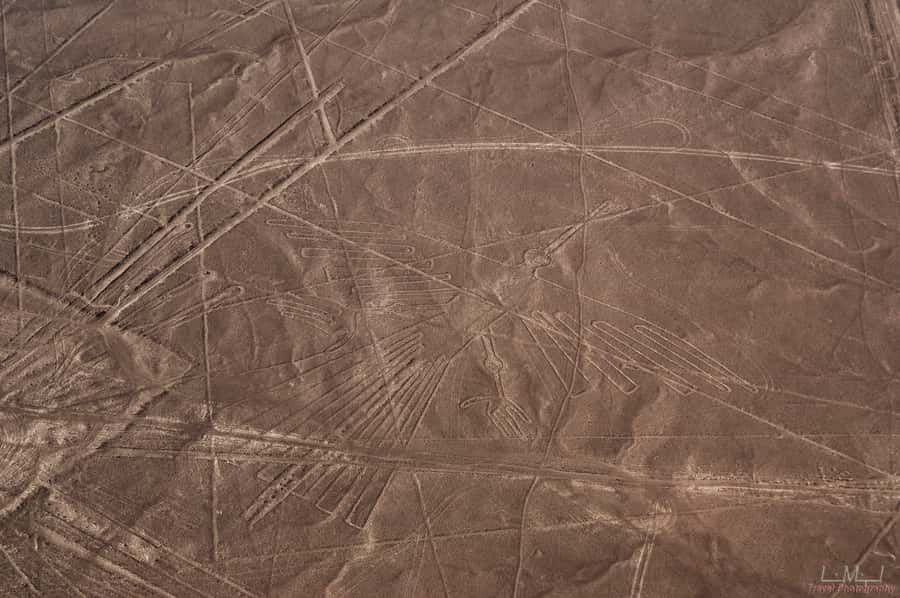
Here’s the thing I’d set expectations for: this flight is sightseeing only. There’s no long historical explanation provided as part of the onboard program.
Instead, your job is simple. The crew’s job is safety first, and then spotting: the pilot indicates when to look out for each figure. Reviews repeatedly mention the pilot/co-pilot pointing out the lines during the flight, sometimes with helpful guidance that makes it easier to find the shapes quickly.
So what you should take from this:
- You’ll get the cue to look at the exact moment.
- You’ll learn by seeing, not by reading a lecture.
- If you want deeper history, you may need to pair this flight with another Nazca activity on the ground.
For me, that’s actually a plus. The Nazca Lines are the star. You don’t want to miss the best view by waiting for a long talk you can’t pause.
Hotel Pickup, Time Slots, and the Real Meaning of “On Schedule”
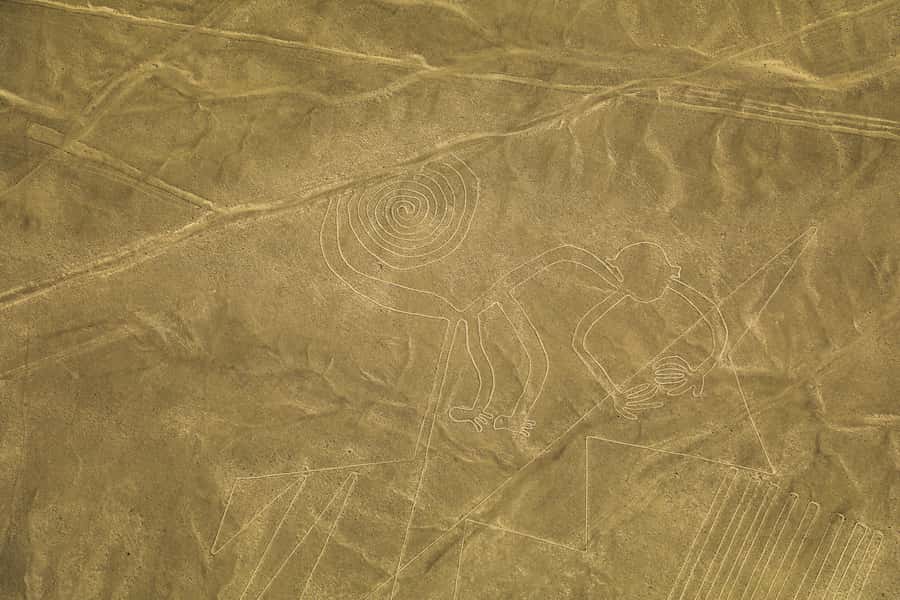
The day runs on a simple rhythm: pickup, shuttle, short airport sequence, then the flight.
Pickup happens about 1 hour before departure. But the time you pick when you book is described as referential. Flights rarely leave exactly on schedule due to weather and operational logistics. Daily departures are arranged by airlines in a random order, and schedules get assigned the day before.
That means you should treat your itinerary like this:
- You’re arriving “early enough,” not “exactly on time.”
- Delays aren’t a surprise; they’re part of the Nazca-air playbook.
- Weather can change when it’s safe to fly.
If you come into Nazca by bus, the operator stresses details: you should give the exact arrival time and the bus company name so pickup can match your reality. If you arrive late after booking a specific flight time, you shouldn’t assume you’ll be automatically moved up. No-show situations can happen when the schedule and your arrival don’t align.
Check-In at Nazca Airport: Passport, Weight, and Cash Fees
Check-in is the place where most stress can be avoided. The rules are straightforward, and they’re strict.
Bring:
- Your passport or ID card
- Camera (and extra batteries if you have them)
- Cash
You’ll need to pay two cash items:
- Airport tax: 30 soles
- Tourist ticket: 47 soles
And there’s no cash machine at the airport, so don’t plan to “figure it out there.” If you arrive with only a card, you’ll lose time.
You also get weighed. There’s a weight cap of 100 kg. If you exceed the permitted weight, options include paying an extra fee or being reassigned to a different aircraft for safety and balance. Practically, that means you should travel with light packing and avoid arriving carrying heavy luggage.
One more check: this tour uses WhatsApp for contact and changes. The info says they don’t check email, and they specifically ask for a valid WhatsApp number. That matters because if communication breaks down, you can miss your flight with no refund.
The Small Plane Experience: Bumpy Turns and Motion-Sickness Reality
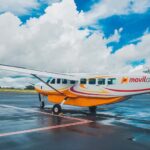
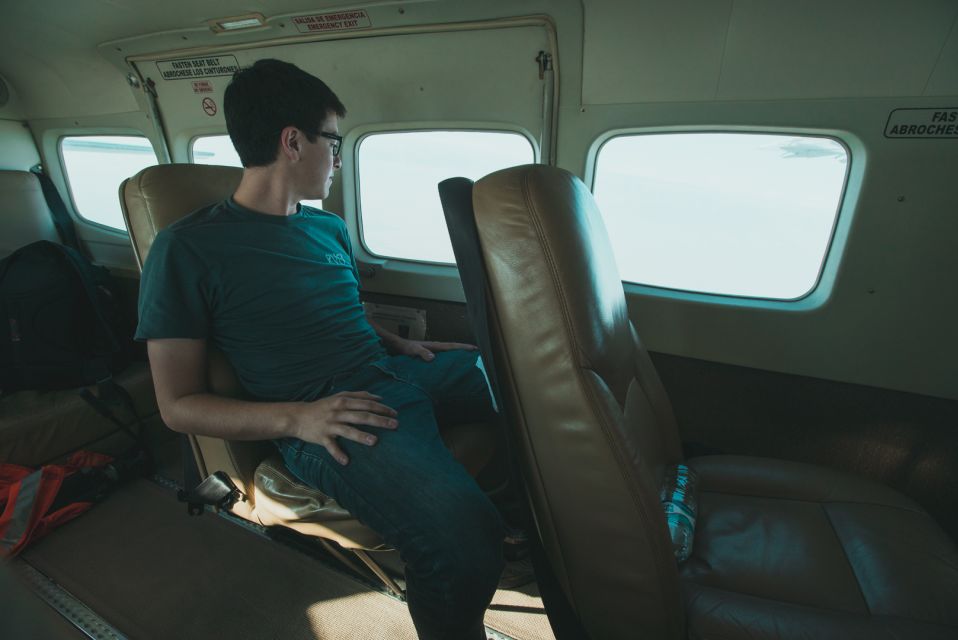
This is not a cruise ship day. It’s a small aircraft experience with lots of turning to get the best sightlines.
Several reviews mention that the plane is bumpy and that you may feel queasy—especially because the aircraft circles and moves to reposition views for different sides of the plane. Some people find it manageable; others feel it more strongly.
So here’s my practical advice from the pattern of comments:
- If you get motion sickness easily, take motion sickness tablets beforehand.
- Consider not eating a heavy meal beforehand. One reviewer specifically suggests avoiding eating for a few hours to feel better.
- Stay focused on the view. The moment you stop paying attention to the outside, nausea can creep in.
Also note: the tour is not recommended for people prone to motion sickness. That’s not a marketing line—it’s a real risk in the way this flight is flown.
On the positive side, many reviews report feeling safe. They also mention pilot/co-pilot professionalism, and that the crew keeps an eye on passenger comfort during the turns.
The Flight Itself: 14 Geoglyphs, Photo-Friendly Passes, and a Simple Viewing Strategy
Even without onboard history lessons, the flight is surprisingly doable. The crew calls out each figure, and you can build a simple mental checklist as the plane moves.
A few details that help your photos and your sanity:
- You’ll likely get figures shown in an order, and you’ll have a map or route reference mentioned in at least one review.
- Plan for the plane to fly over each image more than once. Reviews describe the plane shifting direction so both left and right passengers can see key motifs.
- Since time is short, use bigger framing first. Get the overall shape. Then take close shots when you’re confident you’ve found it.
One humorous but useful tip from how people describe the experience: some figures can be hard to spot until you get your bearings. Once you do, the Nazca patterns start looking obvious—like your brain finally clicks into “this is a drawing, not random lines.”
If you like photos, go wide as well as zoomed. From the air, context matters. Crop later if you need to.
Ground Stops Before and After: Why the Day Feels Longer Than 35 Minutes
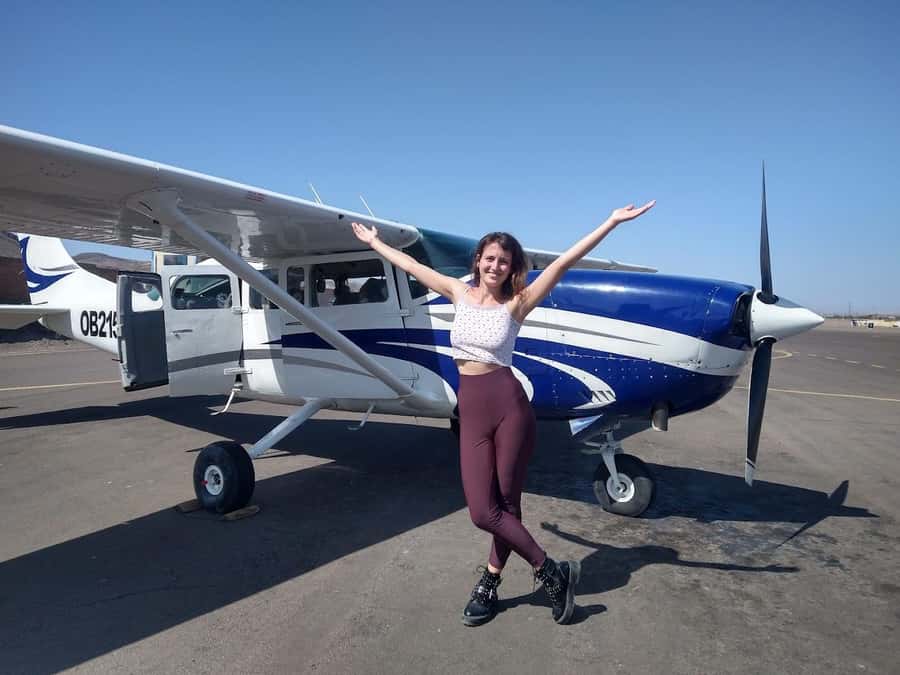
The flight is 35 minutes. Your total time is not.
There are shuttle transfers that bookend the flight, and the schedule includes coach time before and after getting to the airport. One stop on the ground is part of the day: once you land back, you’re not immediately on a private door-to-door vehicle.
The big point here is waiting. Return transfers are shared and run at fixed times, so waiting can happen. The tour instructions say delays are common due to weather and logistics, and the return timing can follow that reality.
If waiting drives you crazy, you’re told you can arrange a private taxi at your own expense rather than waiting for the shared service. That’s a good option if you’re trying to catch a tight connection to Lima or Arequipa.
Price and Value: Is $125 a Smart Use of Your Nazca Time?
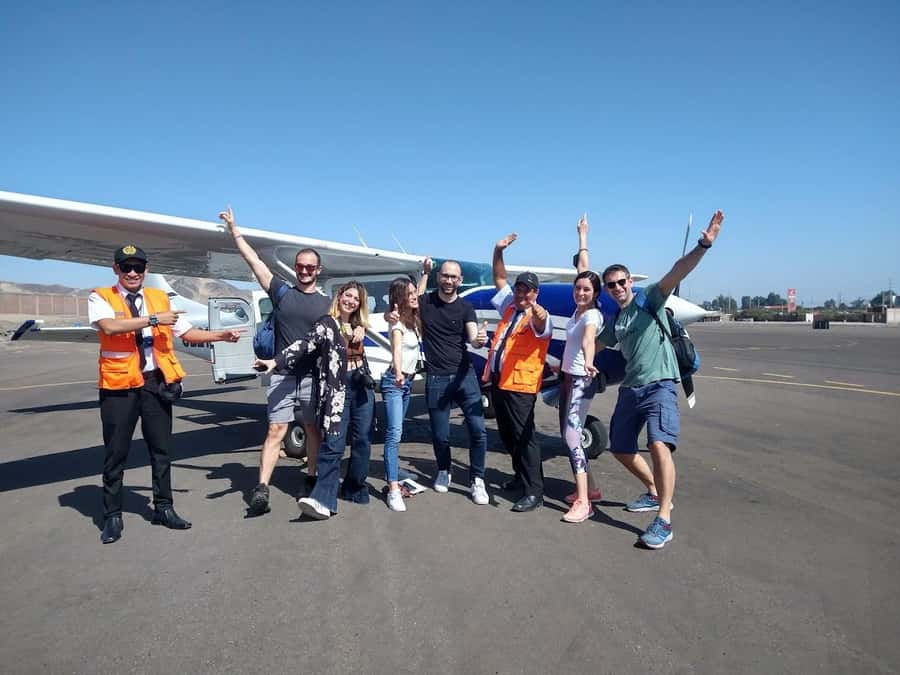
At $125 per person for a 35-minute flight, this isn’t a budget “add-on.” But it can still be good value because it gives you the only view of Nazca Lines that most people can’t replicate any other way: true aerial perspective.
What you get for the money:
- Hotel pickup and drop-off for specific hotels
- A shared aircraft experience with multiple passengers
- A flight timed specifically to see 14 major geoglyphs
- Entry that’s managed with a separate entrance process (so you’re not stuck waiting in general lines)
What you don’t get (and you must account for):
- Airport tax (30 soles cash only)
- Tourist ticket (47 soles cash only)
- Meals and drinks
- Travel insurance
So the real value calculation is: can you afford a short, weather-dependent flight day that’s very likely to deliver a clear aerial “wow” moment? For most people visiting Nazca, yes. For people who want deep interpretation or want to spend time on foot, this flight alone might feel too thin.
Think of it like this: it’s a fast route to a memorable viewpoint. If you want the “why,” you’ll add that on land.
Who This Flight Fits Best (and Who Should Skip It)
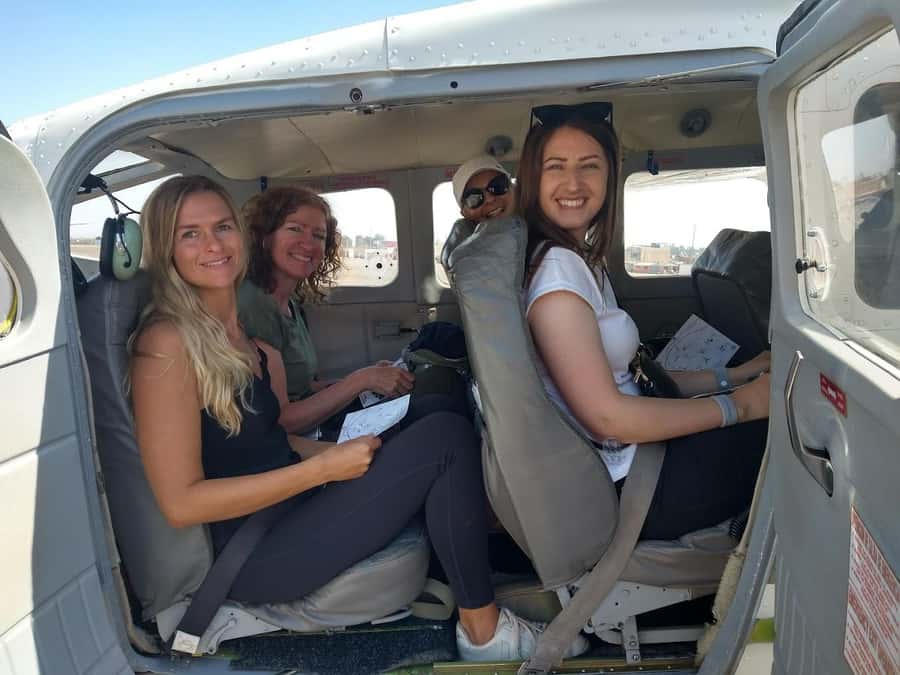
This tour fits best if you:
- Want a one-day Nazca experience without long walking routes
- Prefer practical guidance—pointing and seeing—over long explanations
- Are comfortable in a small aircraft and can handle bumpy turns
- Like the idea of a short time window that still covers 14 well-known geoglyphs
It’s not a great fit if you:
- Get motion sickness easily (the flight involves turning/circling for best views)
- Hate uncertainty around departure times (weather changes everything here)
- Don’t want to deal with cash and weight rules
If you’re driving yourself to the airport, the info says there’s a parking area near the entrance, which can help you keep control of timing. If your hotel is outside the pickup zone, you may need to pay an extra 60 soles in cash before the tour, so plan around that.
The Booking Reality: What Can Go Wrong, and How to Prevent It
Nazca flights are weather-and-operations dependent. The company also notes delays are controlled by the tower, and flight times can change.
To reduce risk:
- Stay in contact on WhatsApp and check messages regularly.
- Arrive at the meeting point on time. The instructions explicitly warn that a missed flight can mean a no-show with no refund.
- If you’re coming by bus, send the exact arrival time and the bus company name ahead of time.
- Don’t exceed the weight limit. Keep luggage light.
It’s also worth noting the guidance about staying informed. The schedule isn’t guaranteed to be exact, and the tour stresses that staying alert is your responsibility. That sounds obvious, but in practice it prevents last-minute panic.
Should You Book This Nazca Lines Flight?
I’d book it if Nazca is on your itinerary and you want the aerial view that makes these drawings feel unreal. The combination of short flight time, 14 visible geoglyphs, and pilot-guided spotting is a strong “effort-to-reward” ratio—especially if you’re time-limited.
Skip it (or reconsider) if you’re very motion-sickness sensitive, if you’re allergic to logistics like cash-only airport fees, or if your schedule is so tight that a weather delay would wreck your next day plans.
For most people, this is the most efficient way to see Nazca Lines for what they are: huge markings on a flat plain that only fully make sense from the sky.
FAQ
How long is the flight over the Nazca Lines?
The flight lasts around 35 minutes.
What does the price include, and what extra cash fees are required?
The price covers the flight and the shuttle transfers, but airport tax (30 soles) and the tourist ticket (47 soles) are not included. Both are cash-only.
Do I need a passport for check-in?
Yes. At check-in, you must present your passport and/or ID card.
Is there a historical explanation onboard the flight?
This is a sightseeing-only experience. The pilot indicates when to look for each figure, but you should not expect a full onboard history lesson.
How early do they pick you up before the flight?
Pickup is about 1 hour before the flight. Check-in is also described as 1 hour before if you go directly to the airport.
Is there a weight limit?
Yes. There is a strict 100 kg weight limit. If you exceed it, you may be asked to pay an extra fee or be reassigned for safety and balance.
What should I do about motion sickness?
The flight is not recommended for people prone to motion sickness. If you’re sensitive, you’re advised to take motion sickness tablets before flying and note that the plane can feel bumpy due to the turns.