REVIEW · NAZCA
From Nazca: Small plane flight over the Nazca Lines
Book on GetYourGuide →Operated by journey MachuPicchu · Bookable on GetYourGuide
One ride and you finally get it. A small plane turns the Nazca Lines from blurry sketches into giant figures you can track in the sky. I love that you get panoramic windows from every side and a clear, guided explanation on how people interpret what you’re seeing.
What I like most is the mix of visuals and talk time: you’ll spot major animals and shapes like the whale and the compass, while the pilot shares ideas about origin and purpose. The 30-minute flight also feels like the sweet spot—long enough to enjoy, short enough to stay fresh.
One consideration: the day can feel long. Even with only a half-hour in the air, expect possible heavy airport waiting after the transfer and procedures.
In This Review
- Key things to know before you go
- Nazca from the air: why this 30-minute flight is the right length
- Getting from Nazca to Maria Reiche Neumann airport (and why your day might run long)
- Inside the Cessna 207A: small group, big views
- The Nazca Lines you’ll actually see from above
- How the pilot’s explanations change your understanding
- Camera and comfort tips for the flight (so you get usable photos)
- Included value: pickup, pilot-guidance, and a flight certificate
- Price and taxes: what $143 gets you, and what to budget
- Who this is best for
- What’s not allowed and what to bring
- Should you book this Nazca small-plane flight?
- FAQ
- How long is the flight over the Nazca Lines?
- How long is the whole experience from start to finish?
- What aircraft is used for the flight?
- Is pickup included?
- Are airport and tourist taxes included in the price?
- Do I need an ID or passport?
- What are the rules on what I can bring?
Key things to know before you go
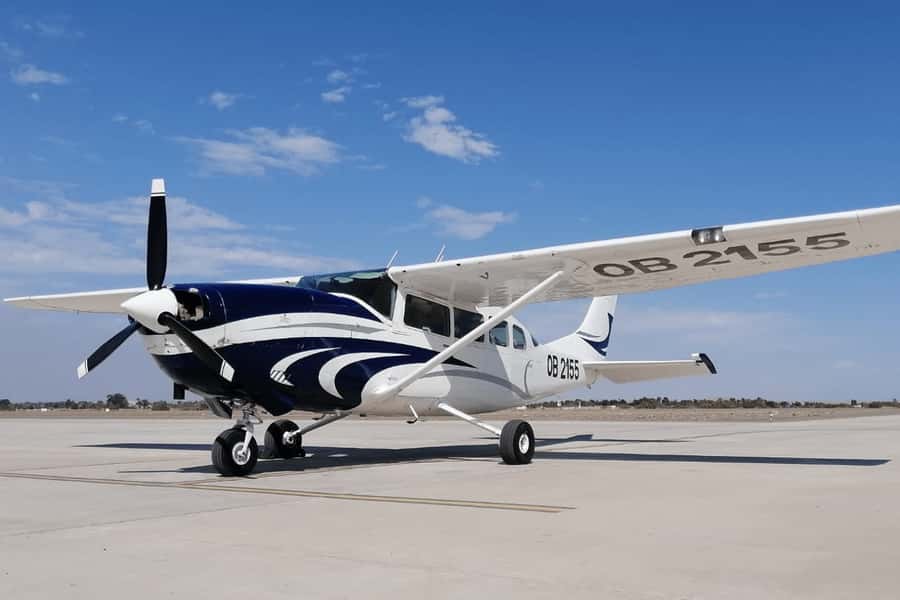
- Small group, close to the action: Cessna 207A seats up to 6 passengers, so you’re not fighting for sightlines.
- Real panoramic viewing: Each passenger gets an individual seat with panoramic windows, giving clear views from both sides.
- The 30-minute flight is the core: You’ll fly over 13 of the most important Nazca lines.
- You’ll learn as you fly: English and Spanish guidance from the pilot helps connect shapes to theories.
- You get a keepsake: A flight certificate is included after the landing.
- Plan for waiting at the airport: The total day is about 5 hours, and crowds can stretch it.
Nazca from the air: why this 30-minute flight is the right length
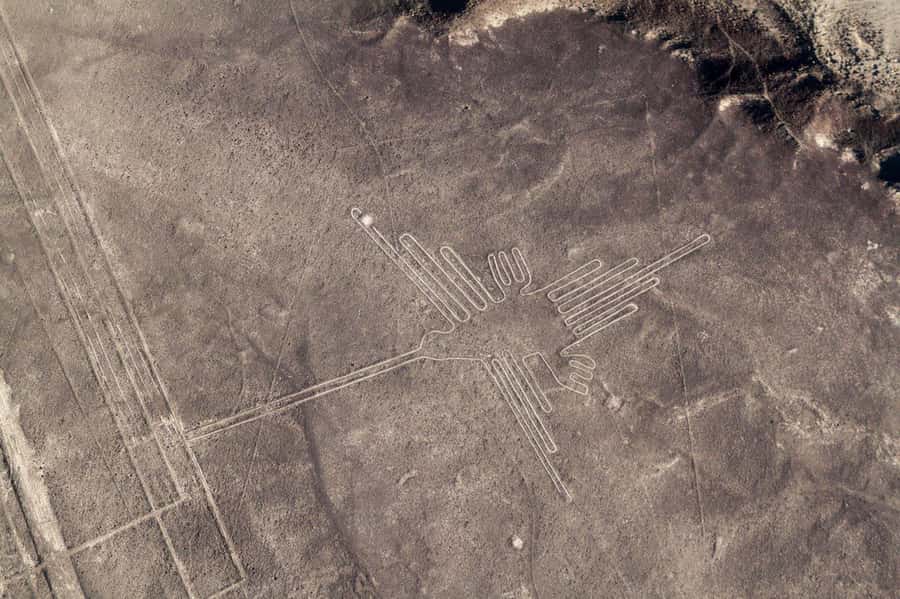
If you’ve seen the Nazca Lines in photos, you already know the catch: from the ground, many of these geoglyphs are hard to “read.” From the air, it clicks fast. You stop guessing and start spotting figures right away, because you can see their proportions and how they sit in the desert.
That’s why I like this setup: the flight portion is 30 minutes, not an hour-long slog in the sky. You get a full pass over the most important figures, but you also come back before you get tired or restless. It’s especially helpful if you’re traveling with a camera and want clear, steady attention for the main features.
You’ll also appreciate the small plane approach. With fewer passengers onboard, it’s easier to keep your view open and avoid constant shuffling for photos.
You can also read our reviews of more tours and experiences in Nazca.

Getting from Nazca to Maria Reiche Neumann airport (and why your day might run long)
Your day starts with pickup from your hotel in Nazca. You’ll transfer to Maria Reiche Neumann Airport and go through the usual airport steps, including bureaucratic procedures and weighing before boarding.
The big reality check is time. The experience is listed as 5 hours total, but there can be more waiting at the airport, especially when lots of people are scheduled. One review called out more than 3.5 hours of waiting, so I’d plan for a long stretch even if the plane time is short.
Practical tip: wear layers. Airports and desert locations can swing from cool to warm, and waiting often means you’re stuck in place. Bring something simple to pass the time, but keep your hands free for your camera.
Inside the Cessna 207A: small group, big views
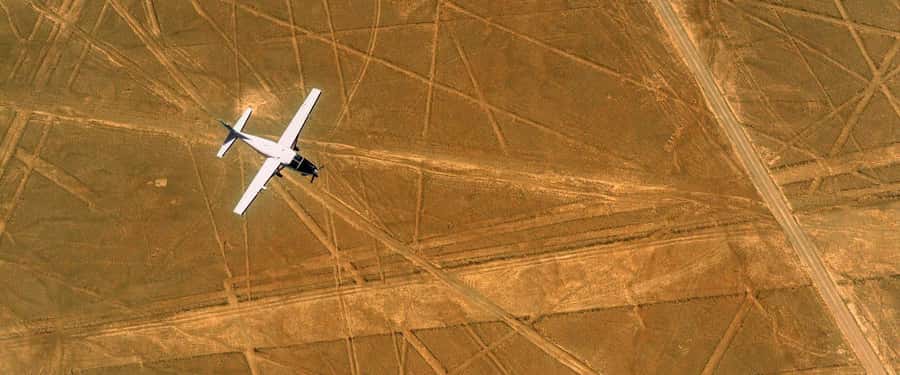
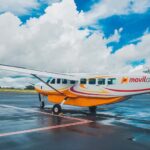
This flight is aboard a Cessna 207A with capacity for 6 passengers plus 2 crew members. The layout is built for seeing: each passenger has an individual seat with panoramic windows.
That detail matters more than you might think. From Nazca, most of what you want to capture or enjoy happens across a wide area of the desert. When your view is blocked by the person in front of you or limited by a narrow window, the whole experience gets frustrating fast. Here, the idea is simple: both sides of the plane get a good look.
Another plus is the pilot experience and the onboard explanations. You’re not just taking a ride; you’re getting help identifying major geoglyphs while you’re in the air, and that makes your photos and memories feel more meaningful.
The Nazca Lines you’ll actually see from above
The heart of the flight is a pass over 13 of the most important Nazca lines. From the air, you’ll look for animals, plants, and human-like figures laid out with precision across the desert floor.
Here are some of the specific figures you should be on the lookout for during your flight:
- The whale: A classic Nazca subject that’s easier to appreciate from above because you can see its full shape at once.
- The compass: A design people study closely because it suggests thought and intent beyond simple decoration.
- Trapezes: Geometric shapes that help you understand the full mix of Nazca art—straight lines and angles, not just animals.
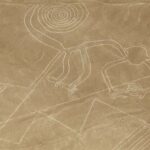
- The great monkey: One of the most talked-about figures, and a rewarding one to spot because it reads clearly when you’re high enough and in the right angle.
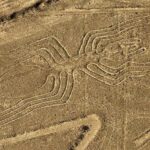
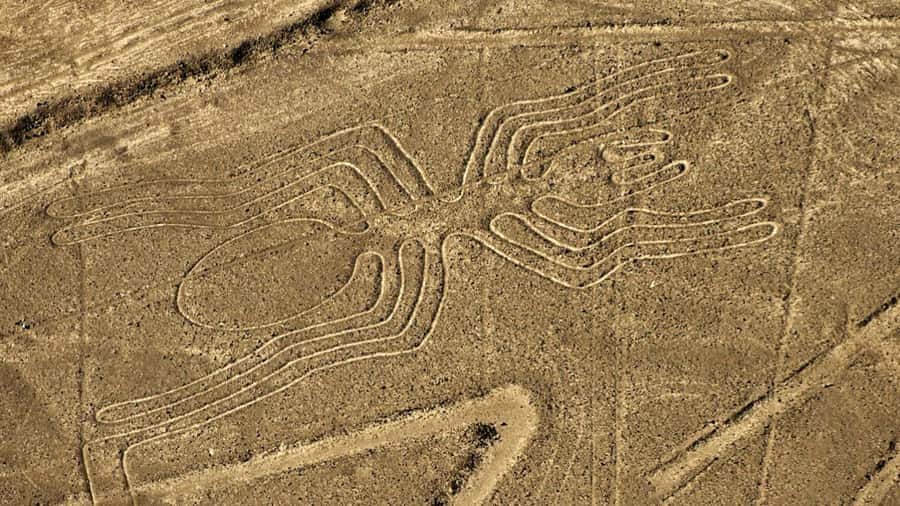
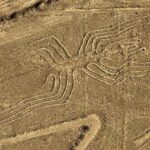
- Condor, spider, hummingbird: These are among the animal geoglyphs you may admire during the flight, and they’re great markers that you’re seeing a proper cross-section of the major figures.
One thing I’d avoid is expecting to know every figure instantly. Even with a guide, the view changes with the plane’s path. Instead, treat it like a guided photo scavenger hunt: listen, look, then confirm with your own eyes.
How the pilot’s explanations change your understanding
What makes Nazca different from many “tourist-from-the-air” experiences is that the visuals come with questions. The pilot’s English and Spanish explanations help you connect what you see with common hypotheses about where the geoglyphs came from and what they might have been used for.
You’ll hear ideas about the origin and function of these enormous figures while you’re watching them unfold below. That timing matters. When you learn about a shape right as you’re seeing it, you remember it better, and your brain connects details instead of treating everything as random lines.
This is also where the small-plane format shines. You can hear what’s being said without noise chaos. With a compact cabin, the explanations feel more like a guided experience than a lecture on the ground.
Camera and comfort tips for the flight (so you get usable photos)
This is a flight, so expect moving views. Your best results come from planning your shot style.
- Bring your camera and keep it ready. You’ll likely want to shoot during the moments you recognize a figure. Don’t wait until you’re already over it.
- Use short bursts. With the plane moving, a rapid sequence gives you more chances to capture the cleanest view.
- Get both sides while you can. Since you have good window access, you can react when the plane angle brings different figures into view.
- Expect dust light and glare. Desert sun can be bright. If you can, adjust exposure quickly and consider how your window reflects light.
Comfort counts too. You’re in the air for only 30 minutes, but you may be in the airport for a while. Wear shoes that work well for walking through terminal areas, and keep your essentials easy to reach.
Included value: pickup, pilot-guidance, and a flight certificate
When you compare Nazca flights, it’s easy to focus only on the time in the air. I recommend looking at what’s handled for you before and after.
This experience includes:
- Hotel pickup in Nazca
- Transfer to Maria Reiche Neumann Airport
- 30-minute flight over 13 key Nazca lines
- A pilot speaking English and Spanish
- A flight certificate
That last part is small but fun. You get something you can keep and show later, and it makes the whole thing feel official rather than just a quick memory.
Also, you’re not stuck with a mega-crowd vibe. The plane is small, and that makes the flight feel more personal even though the schedule still runs on airport timing.
Price and taxes: what $143 gets you, and what to budget
The price listed is $143 per person. That covers your core experience, but it does not cover airport and tourist taxes.
You should budget an extra 77 S/ per person for airport and tourist taxes, plus lunch and any other extras you might want in Nazca. The taxes can change how you compare value against other offers, so don’t mix apples and oranges.
Is it good value? In my view, it can be, because you’re paying for:
- a small aircraft experience,
- panoramic windows and a guided identify-as-you-fly explanation,
- and the 30-minute aerial pass over the most important figures.
If you care mostly about seeing the Lines from above and want a guided, easy ride (not a complicated DIY plan), this price can be reasonable. If you’re extremely budget-focused and sensitive to extras like taxes, you’ll want to do the math before you commit.
Who this is best for
This flight is a smart fit if you:
- want the classic Nazca experience but don’t want to spend all day in the air,
- like guided interpretation instead of silent sightseeing,
- want a smaller-group feel with clear windows,
- and enjoy photography where quick recognition matters.
It’s also a good option if you’re traveling in a group of mixed interests. One person can focus on animals like the monkey and whale, while another pays closer attention to the geometry like the compass and trapezes, and the pilot’s explanation keeps everyone connected.
If you hate waiting around airports, this might feel less ideal. The air time is short, but the day can be long.
What’s not allowed and what to bring
To keep things smooth for the flight, follow the rules:
- Don’t bring weapons or sharp objects
- No alcohol and drugs allowed
Bring:
- your passport or ID card
- a camera
- cash
That’s it for the essentials. Keep your carry simple so you’re not juggling bags during the airport steps and boarding.
Should you book this Nazca small-plane flight?
I’d book it if you want the Nazca Lines experience in the most readable form: a short flight, a guided look at major figures, and good window access on a small plane.
I’d think twice if your schedule is tight or you’re the type who gets stressed by airport waiting. Even though the air time is only 30 minutes, the total day can stretch, and crowds can slow things down.
If you can handle a long day on the ground for a short burst in the sky, this is one of the most direct ways to understand why the Nazca Lines still stop people in their tracks.
FAQ
How long is the flight over the Nazca Lines?
The flight time is 30 minutes over the 13 most important Nazca lines.
How long is the whole experience from start to finish?
The total duration is about 5 hours, including pickup and the time spent at the airport.
What aircraft is used for the flight?
It’s on a Cessna 207A, with capacity for 6 passengers and 2 crew members.
Is pickup included?
Yes. Pickup from your hotel in Nazca is included.
Are airport and tourist taxes included in the price?
No. Airport and tourist taxes are 77 S/ per person and are not included.
Do I need an ID or passport?
Yes. You need to bring a passport or ID card.
What are the rules on what I can bring?
Weapons or sharp objects are not allowed, and alcohol and drugs are not allowed. You should also have your camera and cash.