REVIEW · NAZCA
From Nazca: Chauchilla Cemetery Tour and Artisans Workshop
Book on GetYourGuide →Operated by Sunside Peru Tours · Bookable on GetYourGuide
Mummies in the desert make time feel strange. This Nazca tour mixes a guided walk through the Chauchilla Cemetery with a culture-forward pottery stop, so you don’t just see the past—you understand how people lived and remembered. I love the chance to view well-preserved mummies and traditional textiles up close, plus the way the guide keeps the story clear and organized.
My other favorite part is the finish at the artisans workshop, where traditional pottery-making connects what you learned to something you can still see today. One consideration: the entrance fee (8 soles per person) isn’t included in the $40 price, so you’ll want a little extra cash ready.
In This Review
- Key highlights at a glance
- Nazca to Chauchilla: the desert drive sets the mood fast
- Chauchilla Cemetery: walking among tombs and preserved mummies
- What you’ll likely see up close
- The atmosphere can be intense
- How the guide turns visuals into context
- Languages: English and Spanish support
- Photo time: how to do it respectfully and actually get good shots
- Pottery workshop: the cultural thread continues after the cemetery
- Price and value: what $40 covers, and what to budget next
- What 150 minutes feels like in real terms
- What to bring for Chauchilla’s sun and grit
- Who should book this Chauchilla and pottery tour?
- Should you book Sunside Peru Tours for Chauchilla?
- FAQ
- Where does pickup happen?
- How long is the tour?
- How much does it cost?
- What’s included in the tour price?
- Is there an entrance fee?
- What language will the guide speak?
- What does the tour include besides the cemetery?
- What should I bring?
- Are food and drinks included?
- Final note
Key highlights at a glance
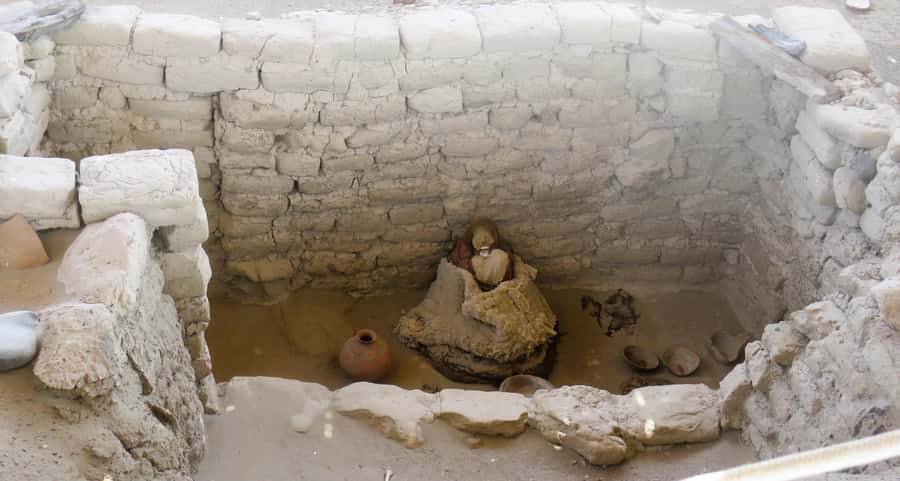
- Guided mummy viewing at Chauchilla: You’ll walk among tombs while your guide explains what you’re seeing.
- Well-preserved remains and textiles: Expect mummies with details like hair and traditional fabrics.
- Time for photos and wandering: You’re not rushed through the eerie, open-air atmosphere.
- Nazca burial practices made understandable: The guide shares the cultural meaning behind the site.
- Pottery workshop finish: You’ll shift from ancient funerary customs to living craft traditions.
Nazca to Chauchilla: the desert drive sets the mood fast
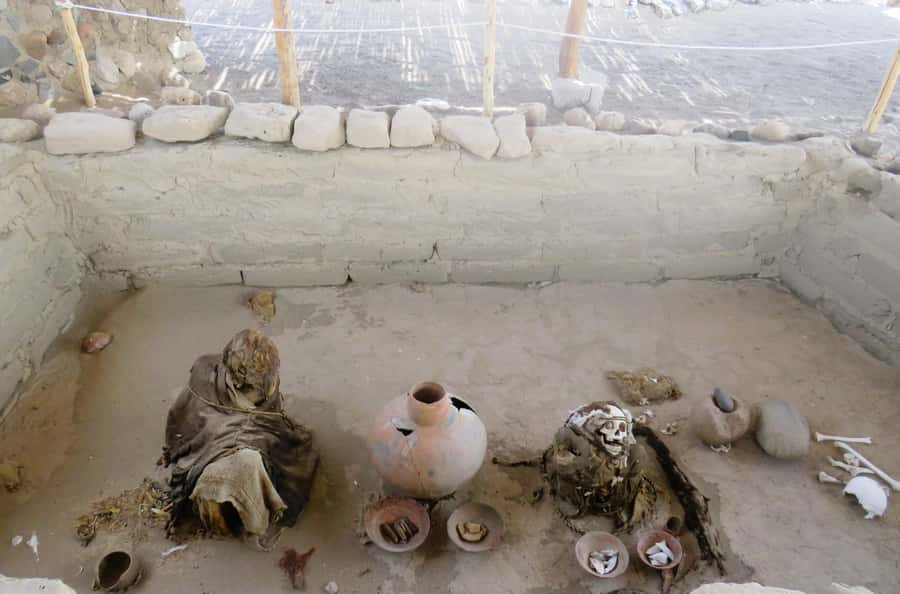
Even before you reach Chauchilla, the ride from Nazca matters. You’re headed out into the Ica region’s desert setting, and that change in scenery helps you mentally switch from modern street life to an ancient burial landscape.
You’ll also feel the practical side of this tour immediately: pickup is included, and transport is handled for you. That’s a real value here because Nazca isn’t just about flying over the lines. This is about going deeper into the people who lived here—and Chauchilla is part of that bigger picture.
Your guide is there from the start with English and Spanish, so you’re not stuck piecing things together. When a site is visually intense, having someone who can explain plainly makes the experience far more useful (and less awkward).
You can also read our reviews of more tours and experiences in Nazca
Chauchilla Cemetery: walking among tombs and preserved mummies
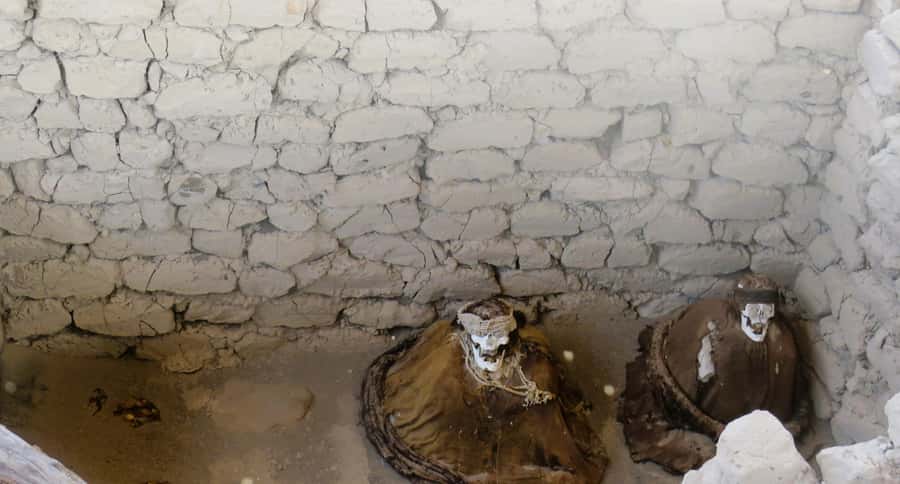
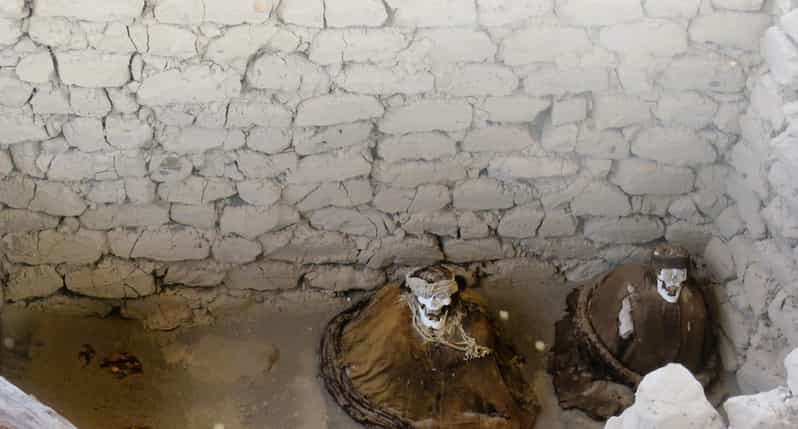
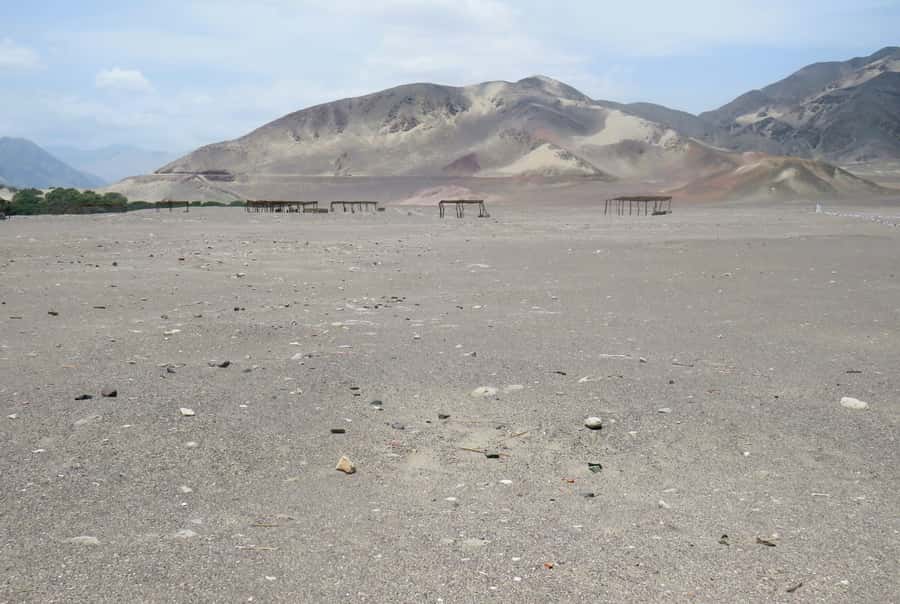
Chauchilla Cemetery is open-air and spread out, so you experience it by walking. That changes the whole feel compared to seeing artifacts behind glass. Instead of distant objects, you encounter burial structures and remains that were placed there with care, over many years and generations.
What I like most is that you’re not only looking at “mummies.” You’re seeing how the Nazca people handled death through the objects and visuals left behind. You’ll have time in the cemetery while your guide points out what makes the site significant and what to notice as you move.
What you’ll likely see up close
Based on the tour description, expect to see mummies that date back over 1,000 years. The most striking detail is how preserved some are—some mummies are described as still adorned with hair and traditional textiles. Those are the kinds of specifics that help you humanize the past quickly.
It’s also not just a quick glance and leave. You walk among ancient tombs, and you’ll be guided through the meaning behind the arrangements.
The atmosphere can be intense
Let’s be honest: seeing human remains is not casual sightseeing. Even if you’re curious and respectful, it can feel heavy. If you’re the type who gets queasy or easily upset by human remains, this may be more than you want from a Nazca day trip.
If you’re okay with it, treat your time there like a museum visit with a spine—slow down, look closely, and let your guide’s explanations pace your emotions.
How the guide turns visuals into context
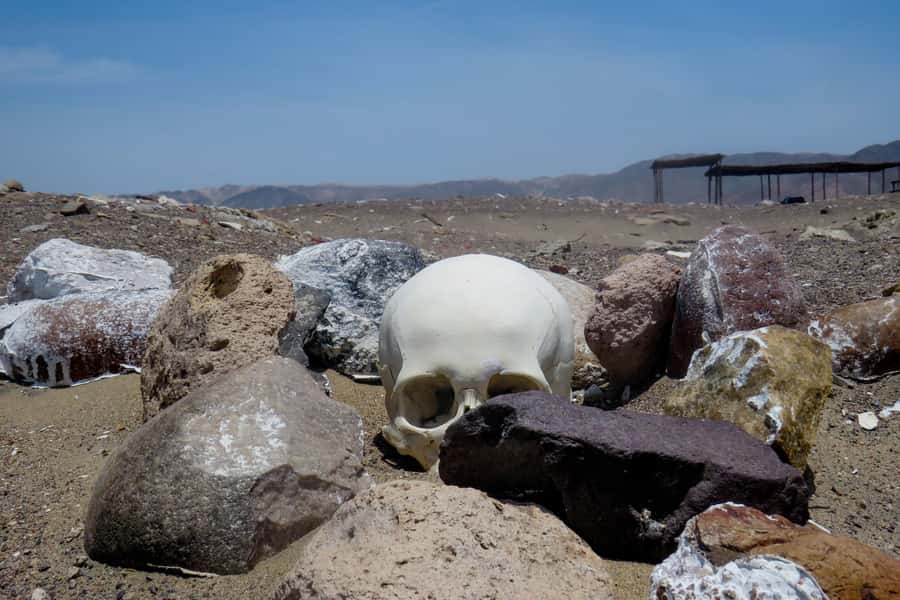
The tour works because the guide doesn’t just point and name. You’ll get explanations about the history and cultural significance of the Chauchilla burial site, including the funerary practices and beliefs of the Nazca people.
This matters because Chauchilla can look like a “set” if you only focus on visuals. With the guide’s context, you start understanding why the site was built, how remains were treated, and what the Nazca believed about burial.
One thing I appreciate is the balance between structure and freedom. You’re guided enough to understand what’s going on, then you’re given time to explore on your own. That “guided + free” combo is ideal for a place like this, where your best insights often come when you pause and look longer than you planned.


Languages: English and Spanish support
You’ll have an English and Spanish tour guide. If you speak either language, you’ll get fuller value out of the explanations. And if you’re traveling with someone who prefers the other language, it helps that the tour supports both.
Photo time: how to do it respectfully and actually get good shots
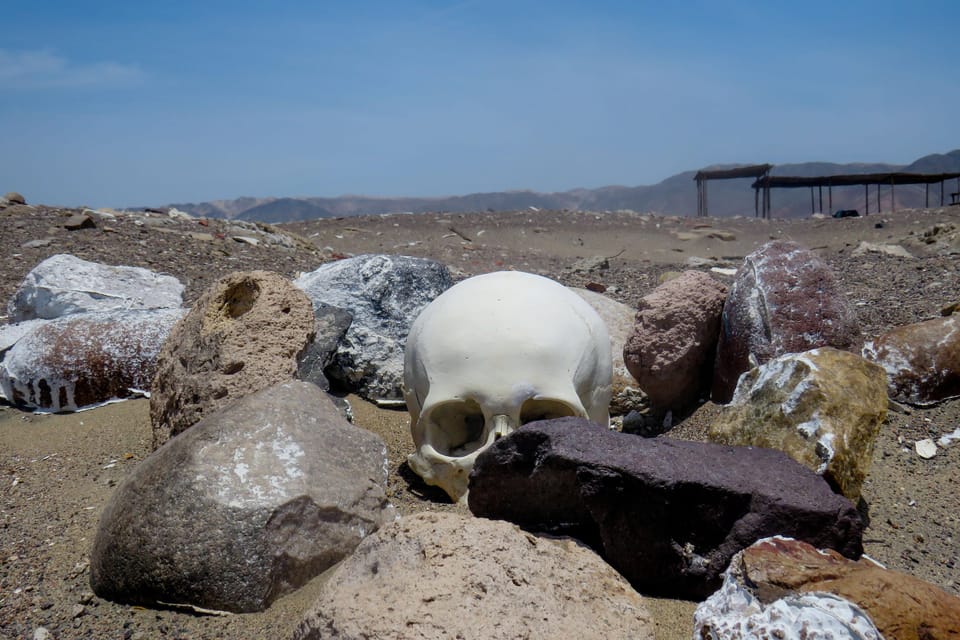
The tour includes time for you to explore and take photographs, which is great. But good photos at Chauchilla come from the same discipline as good listening: slow down and choose your angles.
Because the cemetery is outdoors and spread out, you’ll want to step back and frame tomb areas in a way that shows the setting—not only a close-up. Aim to capture the scale of the site, then grab a second image where the textiles or hair details are clear.
Also, plan for natural lighting. You’re in a desert environment, so the sun can be strong. If you want fewer shadows and more texture, you’ll generally do better by positioning yourself thoughtfully rather than shooting straight into harsh glare.
And yes, be respectful. Human remains deserve quiet attention, not frantic camera bursts.
Pottery workshop: the cultural thread continues after the cemetery
After the cemetery, you’ll visit a local pottery workshop where artisans demonstrate traditional pottery-making techniques. This is more than a “gift shop stop.” It’s a chance to connect what you learned to what still happens in the region today.
In practice, it changes your rhythm. The cemetery is solemn and visually intense. The workshop is hands-on and focused on craft, process, and continuity. Even if you don’t buy anything, watching techniques get demonstrated gives you a more complete sense of culture—past and present in one afternoon.
If you like travel experiences where you can compare “then vs. now,” this stop is a smart way to finish. You’ll end the tour with a clearer mental picture of how traditional skills keep living alongside ancient sites.
Price and value: what $40 covers, and what to budget next
This tour is listed at $40 per person for about 150 minutes. Hotel pickup and drop-off, an English/Spanish guide, and transportation are included.
That’s the value angle: you’re paying for the guidance and logistics that can be hard to manage on your own, especially if you’d rather not coordinate transport while also figuring out entrance and timing at a site like Chauchilla.
The main extra cost you must plan for is the entrance fee: 8 soles per person, not included. If you’re budgeting tightly, add that amount before you go so there are no surprises.
Food and drinks aren’t included, so if you’re prone to getting hungry, consider planning a meal before or after. The tour is long enough to matter, but not long enough to pretend lunch won’t be on your mind.
What 150 minutes feels like in real terms
This is an afternoon tour, and the timing works well if you want a meaningful Nazca experience without giving up your entire day.
The cemetery portion is described as a guided tour lasting about 2.5 hours, and the overall duration is 150 minutes. That tells me the schedule is designed to keep things focused—enough time to understand the site and see mummies, plus time for photos and the pottery workshop, without stretching into an all-day slog.
In other words, you get a “full story” tour rather than a quick drive-by.
What to bring for Chauchilla’s sun and grit
Chauchilla is outdoors. The practical advice is simple:
- Sunglasses
- Sun hat
- Sunscreen
This isn’t just comfort. Sun protection helps you stay alert and enjoy the guide’s explanations instead of spending your time squinting and rushing.
Also, bring a steady mindset. If you’re sensitive to human remains, plan mentally before you arrive. If you’re fine with it, you’ll likely find the explanations and the preserved details make the experience easier to process.
Who should book this Chauchilla and pottery tour?
Book it if you want:
- A guided Nazca experience beyond the famous lines
- A close look at Nazca funerary culture through Chauchilla Cemetery
- A cultural finish at a workshop with traditional pottery-making
This is also a solid choice if you like tours that combine context with time to wander. The ability to explore on your own for photos is important here.
Consider skipping (or choosing something else) if seeing mummies and human remains will genuinely stress you out. You can’t “unsee” what’s there, and the site is specifically designed for close viewing.
Should you book Sunside Peru Tours for Chauchilla?
If you’re in Nazca and you want your day to have meaning, I’d book this. The mix of Chauchilla Cemetery plus a pottery workshop gives you both the weight of the past and the continuity of living craft.
Just go in with the right expectations: you’ll see mummies and textiles, it’s outdoors in strong sun, and there’s an extra entrance fee of 8 soles per person. If you’re comfortable with that, this is a strong way to turn a stop in Nazca into a real cultural story.
FAQ
Where does pickup happen?
Pickup and drop-off are included, and the pickup location is in Nazca.
How long is the tour?
The duration is listed as 150 minutes.
How much does it cost?
The price is $40 per person.
What’s included in the tour price?
Included are hotel pickup and drop-off, an English and Spanish tour guide, and transportation.
Is there an entrance fee?
Yes. There is an entrance fee of 8 soles per person, and it is not included in the tour price.
What language will the guide speak?
The tour offers a live guide in English and Spanish.
What does the tour include besides the cemetery?
You’ll also visit a local pottery workshop where artisans demonstrate traditional pottery-making techniques.
What should I bring?
Bring sunglasses, a sun hat, and sunscreen.
Are food and drinks included?
No. Food and drinks are not included.
Final note
If you’re looking for Nazca culture that goes past the headlines, Chauchilla plus pottery is a smart, focused way to spend your time. Go prepared for the outdoor sun, expect the solemn side of the cemetery, and you’ll likely leave with a deeper understanding of the Nazca people.