REVIEW · MENDOZA
From Mendoza: High Andes Aconcagua Mountain Tour
Book on GetYourGuide →Operated by OPERADORES MENDOZA VIAJES · Bookable on GetYourGuide
The Andes show up fast on this day trip, with big passes and high-altitude photo stops all in one loop. I really like that you get hotel pickup in Mendoza plus a guide in Spanish, English, or Portuguese, so the day feels organized even when the roads get serious. I also love the balance of nature and human history, from Uspallata’s Huarpes roots to Puente del Inca’s surreal rock arch.
One thing to plan around: it is a long day by bus, and the time at the top sights can feel a bit tight if you want slow wandering or extra hiking.
In This Review
- Quick hits
- Andes in One Long Day From Mendoza
- Getting Out of Mendoza: Villavicencio Dirt Roads and the Andes Start
- Uspallata Valley Break and Huarpes Culture (Plus Real Rest Time)
- Potrerillos Dam: A Quick Scenic Stop With a Purpose
- Up to Puente del Inca: Natural Rock Bridge at 8,924 Feet
- Route to the Border: Aconcagua Viewpoint and the Big-Mountain Feeling
- Aconcagua Provincial Park and Horcones Lagoon: What You’re Actually Signing Up For
- Las Cuevas Free Time: Food Options and How to Use Your 75 Minutes
- The Drive Back on Ruta 7: Where the Day Slows Down
- Who Runs the Day: Guides, Languages, and Safety on Thin-Air Roads
- Price and Value: Why $63 Feels Like a Deal if You Want the Classics
- What to Pack (and What to Leave Behind)
- Weather, Road Conditions, and When the Plan Changes
- Should You Book This High Andes Aconcagua Day Trip?
- FAQ
- What’s the tour duration?
- Where does pickup happen in Mendoza?
- What languages are offered?
- Is food included?
- Is Horcones Lagoon included?
- Do I need to bring cash?
- Will we stop at Puente del Inca?
- Can I bring luggage?
- What should I wear and bring?
- What happens if weather or roads cause problems?
Quick hits
- Puente del Inca: a natural rock bridge at about 8,924 feet, with guided time for the best angles
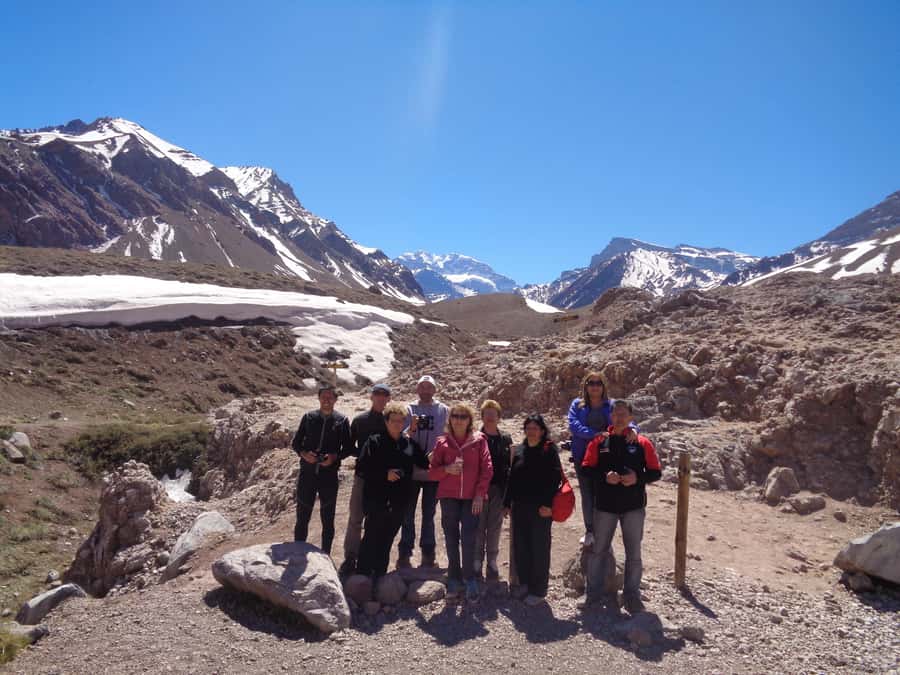
- Aconcagua viewpoints: look at the highest peak in the Americas, plus a park visit possible Nov–Apr
- Uspallata and Huarpes culture: a short stop with real historical context, not just a photo break
- Route 7 return: the famous Andean Highway helps make the drive part of the experience
- Potrerillos Dam: quick scenic stop tied to regional power generation
Andes in One Long Day From Mendoza
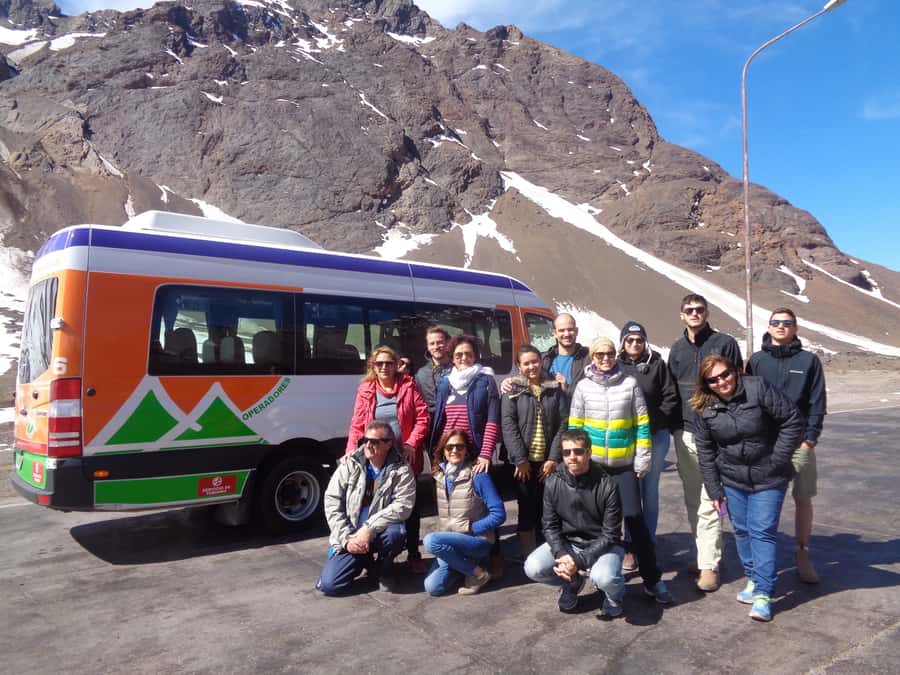
This tour is built for people who want the Andes without committing to multi-day trekking. You start in Mendoza, point the bus toward the mountains, and spend the day stacking classic stops: valleys, passes, natural wonders, and high-mountain viewpoints.
The value is mostly in the logistics. At $63 per person, you’re not just paying for a seat on a vehicle—you’re buying round-trip hotel pickup/drop-off (downtown Mendoza and a second drop zone in Luján de Cuyo), plus a guide and multiple guided moments that would be hard to string together alone.
The trade-off is time. You’ll be on the road for hours, and you’ll move on even when you could easily spend more time staring at the mountains.
You can also read our reviews of more tours and experiences in Mendoza.
Getting Out of Mendoza: Villavicencio Dirt Roads and the Andes Start
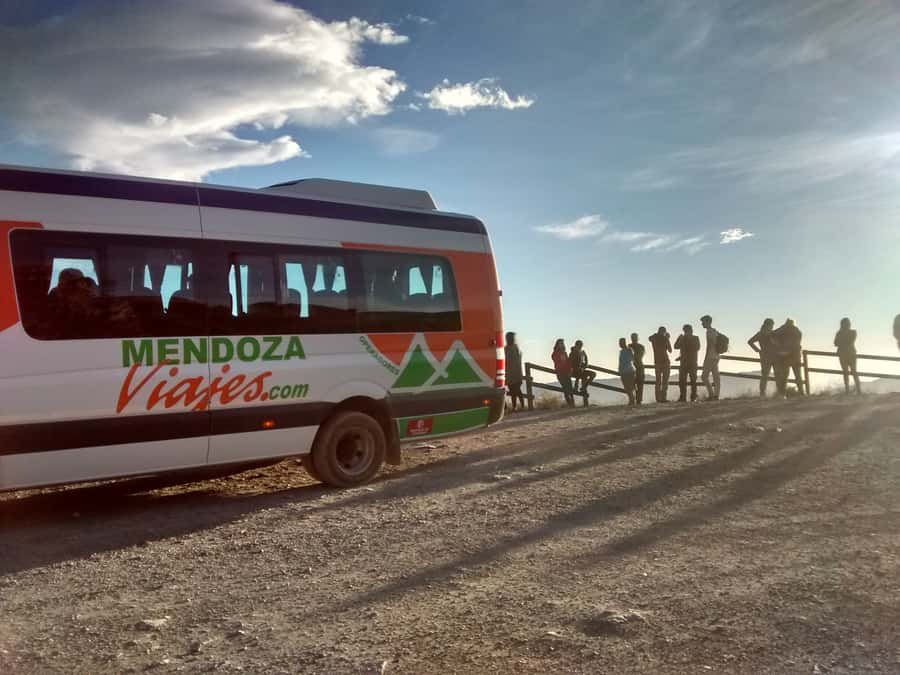
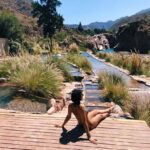
Your day kicks off with pickup in downtown Mendoza (and a second pickup/drop area in Luján de Cuyo at Av. Sarmiento 501–599). From there, the route heads toward Villavicencio, using dirt roads on Tuesdays, Thursdays, and Saturdays. It’s a simple detail, but it changes the feel—dirt stretches tend to feel more raw and remote, and the views can open up fast.
You’ll roll through the Villavicencio area, then reach the Uspallata Valley. This is the moment where the trip stops feeling like a city outing and starts feeling like a mountain expedition, even though you’re not hiking yet.
Two practical tips make this section smoother:
- Bring a jacket even if Mendoza feels warm when you leave.
- Wear comfortable shoes, because you will step out for photo and break stops along the way.
Uspallata Valley Break and Huarpes Culture (Plus Real Rest Time)
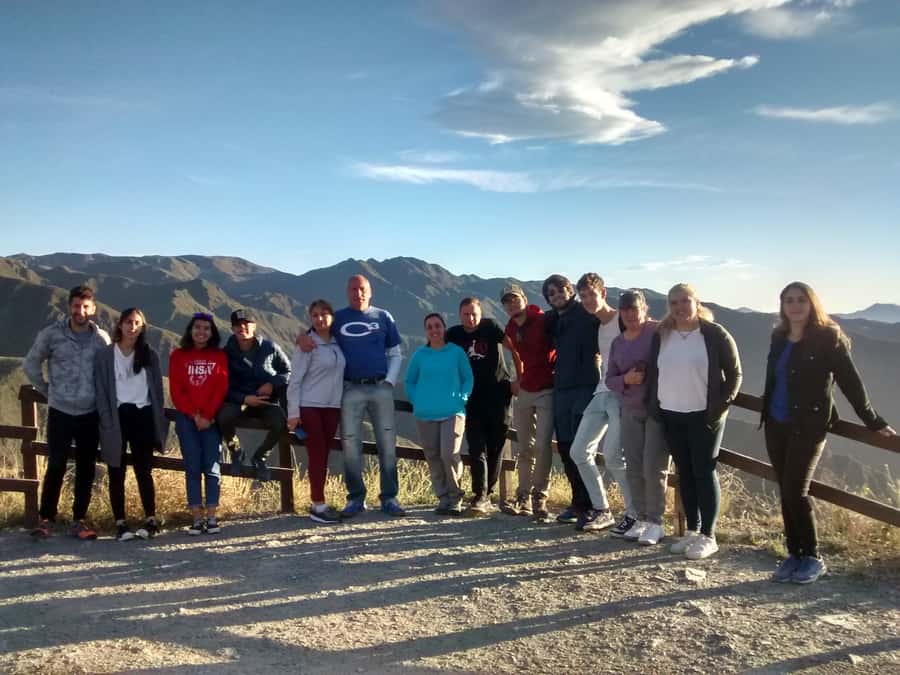
Once you reach Uspallata, you get your first proper break—about 30 minutes to reset. This is where the tour connects you to people who were living in these Andes valleys long before modern roads.
The guide frames Uspallata Valley as Huarpes country during the pre-Hispanic era, which gives the scenery context. Instead of just watching rock and river bends, you’re thinking about how communities adapted to high-altitude life.
The downside is that it’s still a short town stop. You can snack, stretch, and take a few photos, but you’re not shopping or lingering.
Potrerillos Dam: A Quick Scenic Stop With a Purpose
You also make a brief stop at the Potrerillos Dam. It’s short on timing (around a minute), but it’s not random. The dam helps generate energy for the region, so it adds a layer beyond “pretty scenery on the way.”
Because it’s brief, I treat this stop like what it is: a quick visual checkpoint. It’s enough to break the drive rhythm, and it’s a good chance to grab a moment of shade or a quick look at the valley.
Up to Puente del Inca: Natural Rock Bridge at 8,924 Feet
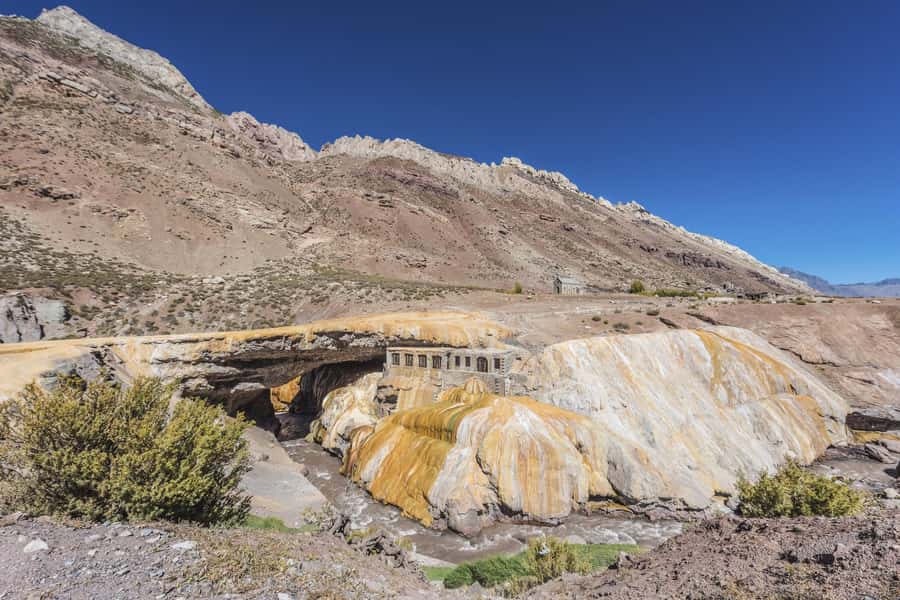
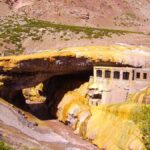
Puente del Inca is the stop that people talk about for a reason. It’s a natural rock bridge sitting at about 8,924 feet (roughly 2,720 meters), and the colors around it can look almost painted when the light hits right.
The tour includes a guided visit of about 15 minutes, which is a smart length for a place like this. Too long and you’d be fighting the cold and thin-air fatigue; too short and you’d miss the story and the best viewpoints.
This is also a good location to respect altitude. One guide-led day on Aconcagua routes can start affecting people once you’re above 3,000 meters, especially if you move fast or try to overdo photos with no breaks.
What helps most:
- Slow down your breathing after you step out.
- Keep your jacket zipped. Wind can show up suddenly.
- Don’t plan a sprint of the rock bridge. Let your body catch up.


Route to the Border: Aconcagua Viewpoint and the Big-Mountain Feeling
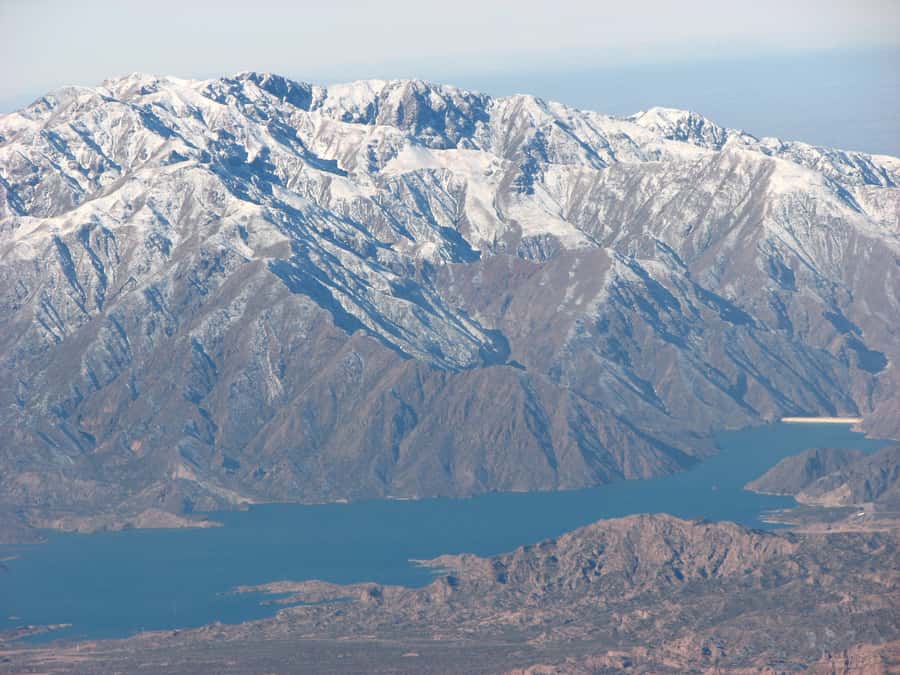
After Puente del Inca, the day continues toward the Chilean border. You’ll stop at a natural viewpoint described as part of the Aconcagua scene, with the focus on seeing Aconcagua, the highest peak in both the Southern and Western Hemispheres.
This section matters because it’s where the tour shifts from smaller “stops” to a bigger goal: letting the mountain dominate your attention. Even from viewpoints, Aconcagua can feel huge in a way that’s hard to capture in a single photo.
There’s also a seasonal detail that you should plan around. From November to April, you can enter Aconcagua Provincial Park and hike to Horcones Lagoon. If you’re traveling outside those months, you’ll still get the view, but you won’t have that park component.
Either way, the viewpoint stop is your chance to take a breath and look longer than you think you’ll need.
Aconcagua Provincial Park and Horcones Lagoon: What You’re Actually Signing Up For
When the season lines up, the tour adds a park guided time of about 15 minutes at Aconcagua Provincial Park. The advertised activity is a hike to Horcones Lagoon, and this is where you should gauge your comfort level.
The data doesn’t give exact distance or time on foot beyond the guided window, so I suggest you treat it as a light-to-moderate walk. Bring comfortable clothes and shoes that won’t slip on uneven ground, because you’ll likely step on rocky, high-altitude surfaces.
Also remember that the entrance to Horcones Lagoon is not included. If you want to avoid surprises, plan for extra cash. The tour also notes you should bring cash anyway, which fits with the reality that food isn’t included and park access can have additional costs.
If you’re someone who hates uncertainty, this is the only part of the day that can change depending on season and conditions—worth thinking through before you plan a tight schedule.
Las Cuevas Free Time: Food Options and How to Use Your 75 Minutes
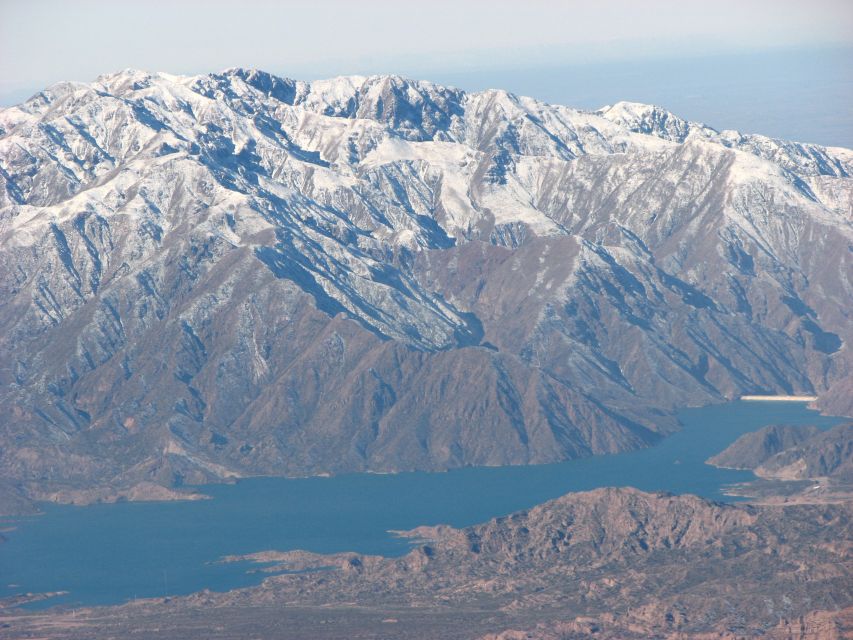
Next comes Las Cuevas, with about 75 minutes of free time. This is your chance to eat on your own and decide whether to just enjoy the air and views or do a little wandering.
The big practical point: food and drink are not included, and the park/lagoon access may have additional entry costs in the season when it’s offered. That means you’ll want a plan for snacks or a light meal.
One thing I’d take from the experience style of past groups: options can be limited once you’re up there, so I recommend bringing a snack from Mendoza. Even if you buy something in Las Cuevas, having backup food makes the whole day less stressful.
If you’re sensitive to motion sickness, this is also a good place to prepare yourself mentally. You’ll have lots of winding road ahead on the return.
The Drive Back on Ruta 7: Where the Day Slows Down
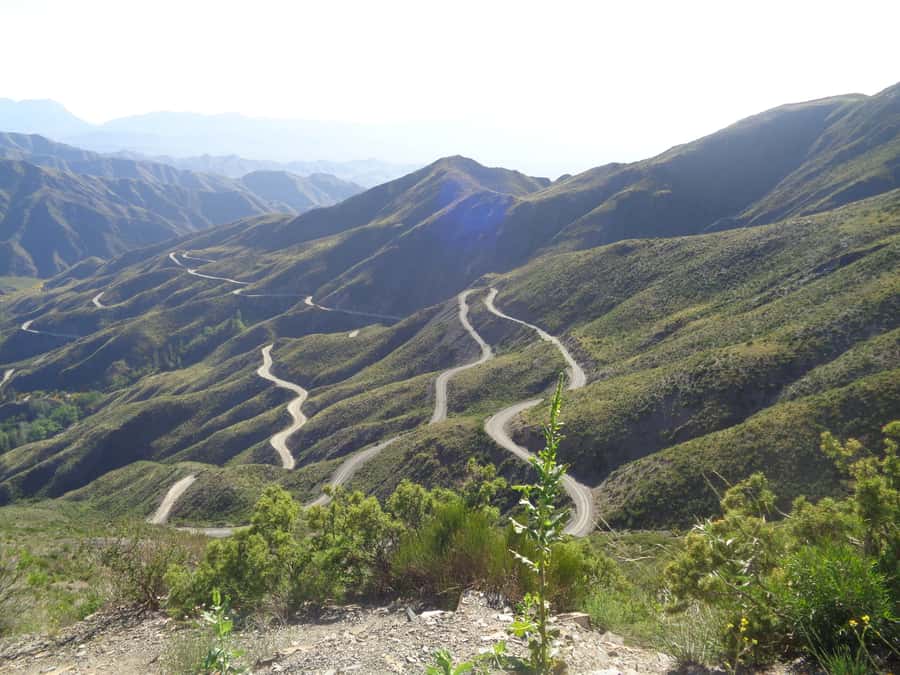
The return leg takes you back toward Mendoza using the famous Ruta 7, the international Andean Highway. This is when the tour feels a bit less like work and more like you’re traveling through your own postcard.
You’ll have another short stop in Uspallata (about 15 minutes) before getting back to Mendoza with final drop-offs in Mendoza’s downtown area and the Luján de Cuyo drop zone.
This is a good time to think about photos too. By late in the day, light changes, and those earlier wide views can look different in the softer angle.
Who Runs the Day: Guides, Languages, and Safety on Thin-Air Roads
The tour operates with an experienced guide and offers Spanish, English, or Portuguese during the day. In practice, language flow matters on a long bus day, and you’ll be happier if you arrive ready to follow along while you’re moving.
Some guided days have included translators and bilingual pacing to help mixed-language groups stay together. Guides such as Mica, Marta, and Alex are specifically mentioned as strong performers in past experiences, with people praising how they explained the area and kept the group engaged.
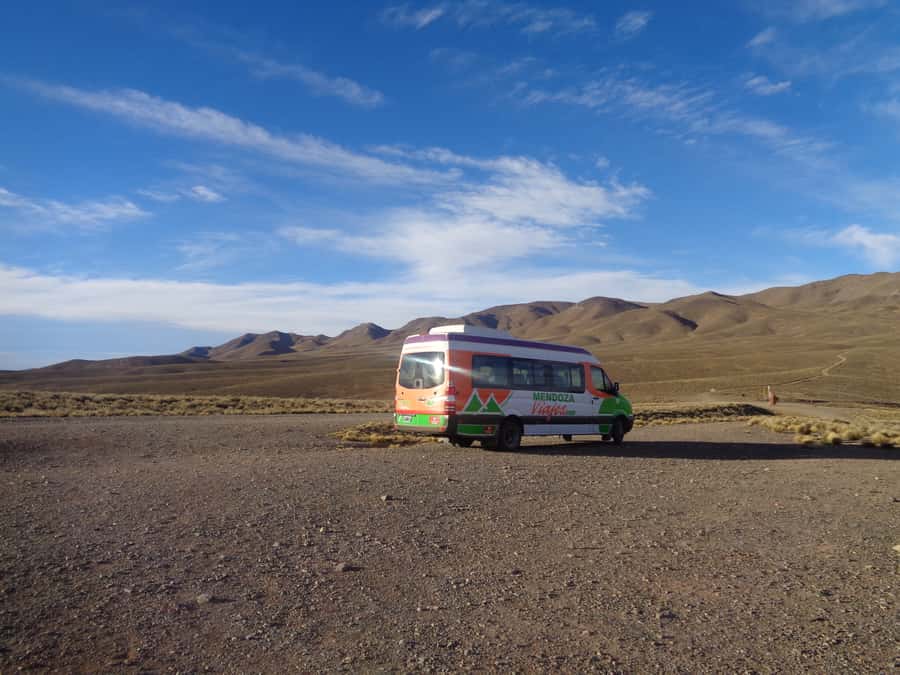
On the vehicle side, safety and comfort show up repeatedly in feedback. The roads are winding and you’ll be high up, so a steady driver really changes the experience. If you’re prone to car sickness, consider bringing something for it ahead of time; this route can trigger it in some people.
Price and Value: Why $63 Feels Like a Deal if You Want the Classics
At $63 per person for a 12-hour outing, the price makes sense when you break it down:
- You’re paying for transport deep into the Andes
- You’re getting hotel pickup and drop-off
- You’re paying for an experienced guide
- You’re buying access to major photo stops like Puente del Inca and guided time in the park area when it’s available
The tour isn’t trying to be a luxury day. You’ll still pay for your own food and drink, and park-related entrances like Horcones Lagoon aren’t included. But if you want big scenery and official stops without organizing buses and viewpoints yourself, it’s good value.
The best way to get your money’s worth is simple: treat it as a day of highlights, not a day of long hikes.
What to Pack (and What to Leave Behind)
The tour gives clear guidance, and it’s worth following:
- Passport or ID card (and for children, ID as well)
- Comfortable shoes
- Jacket
- Comfortable clothes
- Cash
And leave at home:
- Luggage or large bags (you shouldn’t bring heavy baggage on this style of van/bus day)
My practical packing mindset for this route:
- Bring a small day bag with snacks and water.
- Layer so you can handle both sun and wind.
- Wear shoes you trust on rocky ground if the park hike happens.
Sunscreen matters too. High-altitude sun can sneak up fast, and reapplying helps.
Weather, Road Conditions, and When the Plan Changes
This trip is subject to weather and road conditions. If roads get blocked, you may be invited to take the tour again the next day. That’s not a guarantee you’ll get the exact same sights, but it does mean they’re prepared to adjust when conditions won’t cooperate.
Also, some stops can be affected by timing or access, so don’t book a later appointment right after your return. Give yourself breathing room back in Mendoza.
Should You Book This High Andes Aconcagua Day Trip?
Book it if you want:
- A single-day way to hit major Andes landmarks from Mendoza
- A guided experience at Puente del Inca and a park visit when it’s offered seasonally
- Comfortable transport with a guide handling the route
Skip or rethink it if:
- You need lots of downtime at each stop, because the day is built around moving
- You dislike altitude travel or get car sick easily without preparation
- You want food and park fees fully included, because food/drink and Horcones Lagoon entrance are not included
If you’re flexible, pack layers, and show up ready for a long bus day, you’ll come away with that classic Aconcagua-area feeling: huge mountain views, surreal geology, and a sense that the Andes have stories older than the roads that cross them.
FAQ
What’s the tour duration?
The tour runs for about 12 hours.
Where does pickup happen in Mendoza?
Hotel pickup is included from downtown Mendoza city. There’s also a listed pickup area in Luján de Cuyo at Av. Sarmiento 501–599.
What languages are offered?
The tour guide provides Spanish, English, or Portuguese.
Is food included?
No. Food and drink are not included, so plan to buy your own during stops.
Is Horcones Lagoon included?
The park option to hike to Horcones Lagoon is seasonal (November to April), but the entrance to Horcones Lagoon is not included.
Do I need to bring cash?
Yes. Cash is listed as something you should bring, which can be helpful for food and any costs not included.
Will we stop at Puente del Inca?
Yes. Puente del Inca includes a guided tour and is described as a natural arch at about 8,924 feet.
Can I bring luggage?
No. Luggage or large bags are not allowed.
What should I wear and bring?
Bring a jacket, comfortable shoes, and comfortable clothes, plus your passport or ID card. If you travel with children, you’ll need ID for them too.
What happens if weather or roads cause problems?
The tour is subject to weather and road conditions. If there is a road blockade, you may be invited to take the tour again the next day.