REVIEW · LIMA
From Lima: Cordillera de la viuda | Mountain Exploration
Book on GetYourGuide →Operated by www.iziperu.com · Bookable on GetYourGuide
Early start, big variety, real mountain Peru. This outing strings together Checta Petroglyphs and quiet high Andean lagoons like Laguna de Chuchun, then adds community and town stops. I also like that the day includes practical support like oxygen for the group and coca leaves, so you’re not just dropped in and left to figure it out. The main catch is that it’s a long day with significant road time, and the drives can be slow.
Plan for early mornings and a full plate. You’ll see animal and human hunt imagery carved into stone at Checta, then swap scenery for Canta’s historic center and market before ending at the Santa Rosa de Quives sanctuary. The potential drawback is simple: if you’re sensitive to long rides, traffic, or group logistics, you’ll want to be extra alert on the day to avoid confusion.
In This Review
- Key highlights at a glance
- From Lima to Cordillera La Viuda in one long day
- Checta Petroglyphs and the Cochapampa viewpoint: reading stone like a map
- Laguna de Chuchun, Ocho, and Leoncocha: the calm part of an intense day
- Huaros trout farming: sustainable food practice, not just a photo stop
- Canta’s market and Plaza de Armas: history, independence vibes, and edible shopping
- Santa Rosa de Quives sanctuary: a calm ending with a chapel and wishing well
- Price and what your $39 really buys
- Logistics reality: early departure, long drives, and Spanish-only guidance
- Guide quality: great moments, but confirm your group setup
- Who should book this Cordillera de la Viuda day trip
- Should you book it?
- FAQ
- What time does the tour start and end?
- Where do I meet the group?
- What does the $39 price include?
- What’s not included?
- Are there any language limitations?
- Is there an extra cost for the lagoons?
- Do I need swimwear?
- What should I bring besides swimwear?
Key highlights at a glance
- Checta Petroglyphs: stylized animals, human hunting scenes, and cosmic-style motifs on stone
- Laguna circuit: Laguna de Chuchun plus Laguna Ocho and Leoncocha with views toward La Viuda
- Huaros trout farming: learn how the community raises trout on a sustainable model
- Canta city tour: Plaza de Armas, colonial pool, Republican-era portals, and a church visit
- Santa Rosa de Quives sanctuary: chapel and a wishing well linked to the patron saint’s story
- Small extras that help: oxygen for the group, coca leaves, Earth-Pachamama payment, and a first-aid kit
From Lima to Cordillera La Viuda in one long day
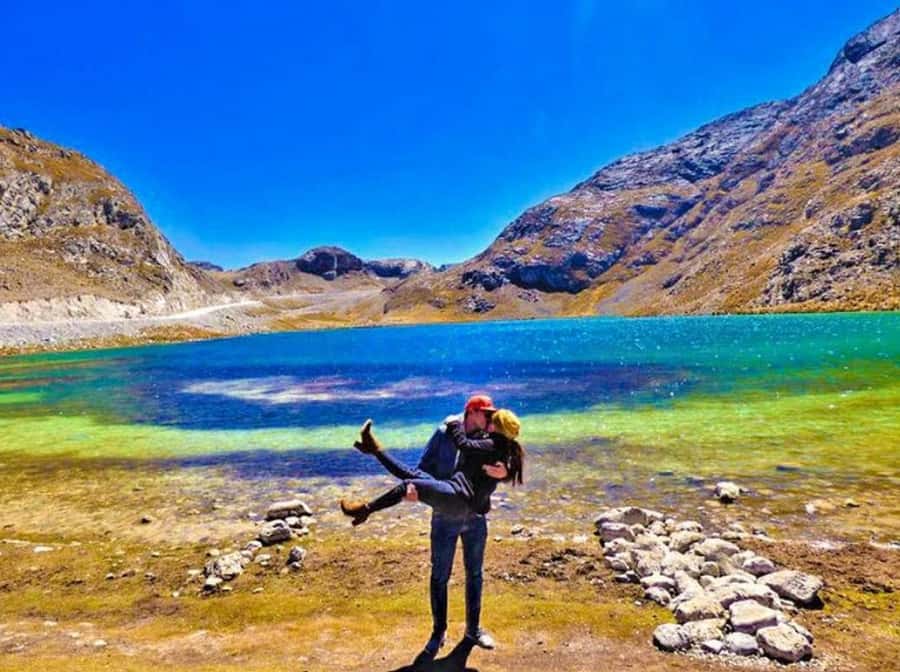
This tour is built around a simple idea: pack a lot of meaning into one day without making you arrange multiple transfers yourself. You leave at 5am from Shopping Mall La Rambla, and you’re back in Lima at about 9pm. It’s the kind of trip that works best when you’re comfortable with a “road-first” itinerary, where the big wins are the stops—not getting extra rest.
Expect to spend hours traveling through the Lima mountains. You’ll also get several small viewpoint pauses along the way, which matters because the earlier stretches can feel like pure transportation unless there’s something to watch. The stops are there to keep the day moving and to break up the drive with short looks and quick context.
The value of this pacing is that you’re not just hunting photos. You move from ancient traces (Checta) to high-altitude water (the lagoons), then to lived-in rural Peru (Huaros trout farming), and finally to town history and faith at Canta and Santa Rosa de Quives. If you like travel days that feel like a mini-course, this will click.
You can also read our reviews of more tours and experiences in Lima.

Checta Petroglyphs and the Cochapampa viewpoint: reading stone like a map
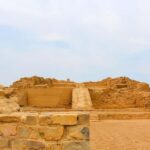
One of the most interesting moments comes early: the drive-by toward the Checta Petroglyphs. This is where you’ll see carvings made on stones with stylized drawings of animals, humans on the hunt, and elements of the cosmos. Some symbols are abstract enough that you’ll hear different interpretations, and that’s part of the appeal. You’re not just looking at “pretty rock art.” You’re trying to understand what people were thinking and recording thousands of years ago.
A good guide makes these kinds of sites come alive, and you’ll have an official tourist guide with you for the entire tour. You’re also getting some cultural scaffolding that helps you move beyond the common “what is it?” questions. Instead, you’ll start asking “how would someone in that place make sense of animals, seasons, and the sky?”
Before you reach the lagoons, there’s also a pause at the viewpoint of Cochapampa. It’s not the main attraction, but it’s exactly the kind of mid-drive break that helps your brain reset. If you’ve ever felt bored during long van rides, these quick moments keep the day from feeling like constant motion.
Laguna de Chuchun, Ocho, and Leoncocha: the calm part of an intense day
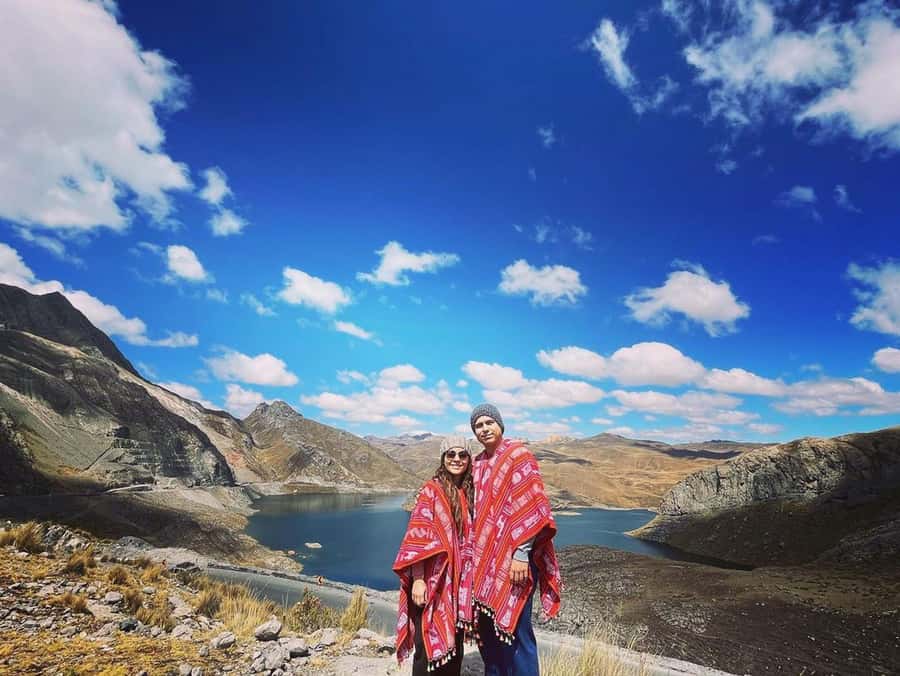
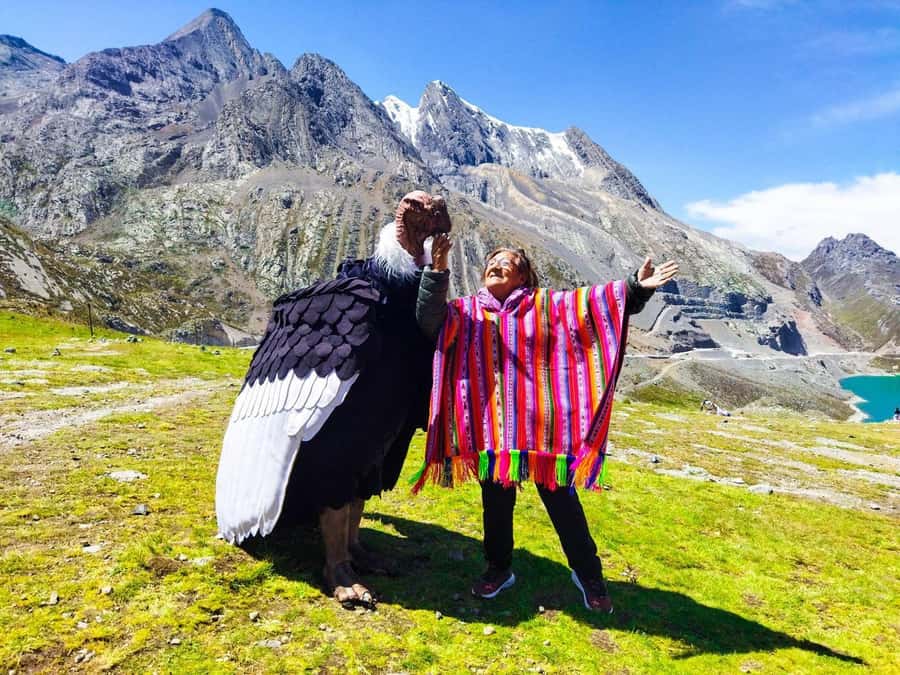
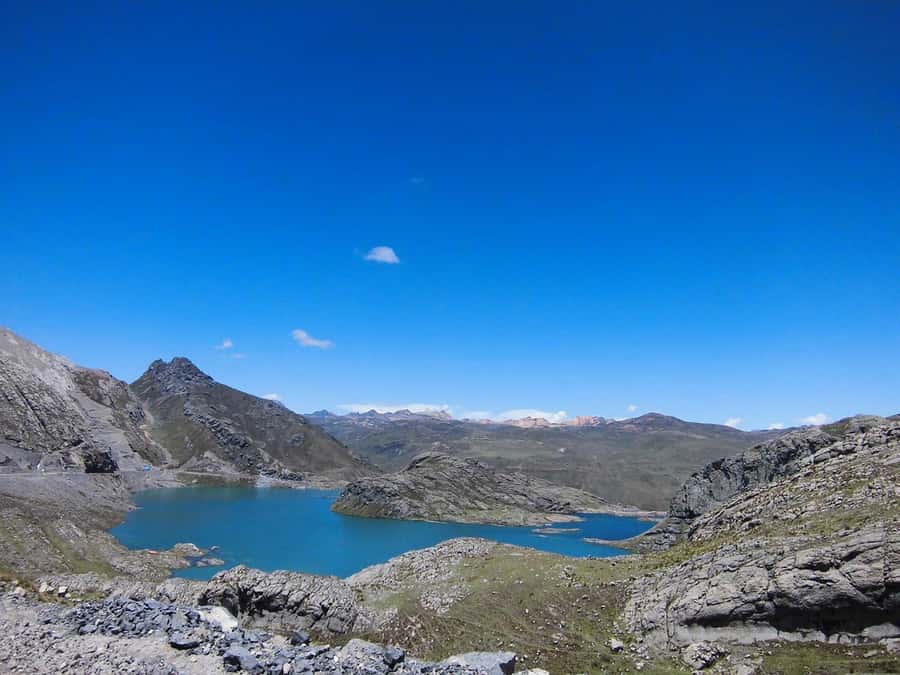
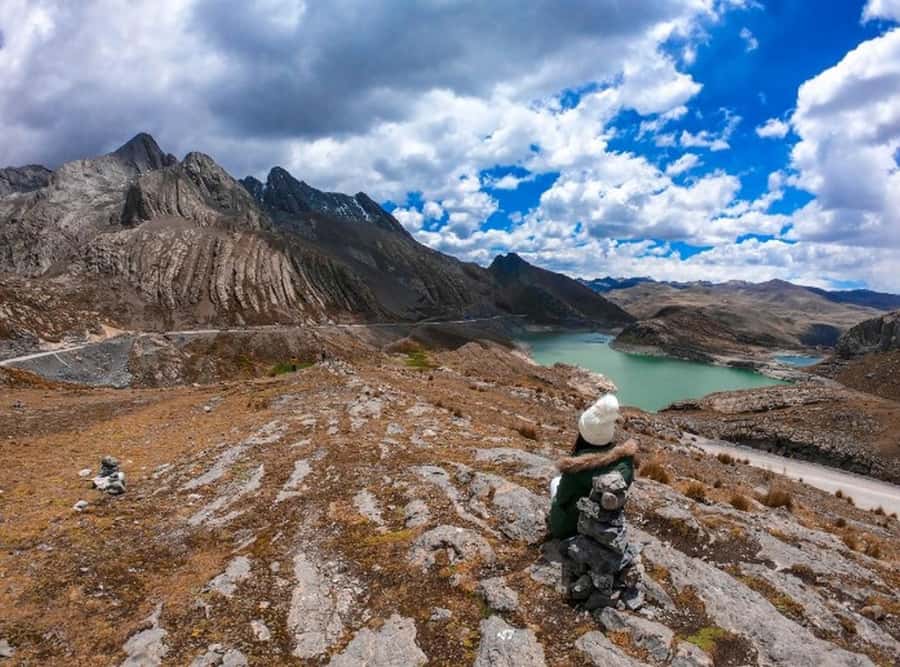
Once you arrive at the main nature zone, the tour’s mood changes. The program takes you to Laguna de Chuchun, Laguna Ocho, Laguna Leoncocha, and gives you the chance to see the snow-capped mountain range of La Viuda.
These stops are the heart of the trip, because lagoons are one of the few places where you can actually slow down—even if you’re on a schedule. You’ll be able to stand, walk a little, and take in the water with the mountains in the background. This is also where your “mind and body” preparation matters: the tour includes oxygen for the group and coca leaves, which is a practical and respectful touch for a higher-altitude outing.
Plan your expectations. You’ll likely get multiple lagoon viewpoints rather than endless time at only one spot. That’s normal for a full-day format, and it’s why it helps to travel light and move efficiently. If you’re hoping for long, quiet hikes, you might feel the time squeeze. If you want to see several lagoon scenes in one day and keep moving, you’ll feel satisfied.
Two optional costs can come up here. The lagoons have an indicative entrance fee (S/3), and if you want to add a lagoon boat tour (S/7), you’ll pay that separately. The tour doesn’t include food, so if you like to snack during lagoon time, bring extra patience and water planning.
Also: bring swimwear if you want the option to dip when conditions allow. The tour pack lists swimwear, which usually means there’s a real chance you’ll have time to consider water access.
Huaros trout farming: sustainable food practice, not just a photo stop
A standout part of the day is the visit to the HUAROS community fish farm, where you learn about trout farming. This isn’t presented as a hands-on “farm labor” experience—it’s more like an educational encounter that explains how farming works in this region.
Why that matters to you: many trips only show nature or only show culture. This one adds a real-world link between community life and what you’ll later eat back in Lima (or wherever your next meal happens). Even if you’re not a foodie, it’s a useful way to understand how water and land resources get managed.
It’s also the kind of stop that can feel genuinely different from the more typical “viewpoint then gift shop” pattern. If you pay attention during the explanation, you’ll walk away with a clearer sense of how trout farming can fit into local livelihoods.
This segment also helps break up the day emotionally. Lagoons can be serene, but they’re also visually dominant. A community farm adds texture: conversations, a working environment, and the sense that these landscapes aren’t just for visitors.
Canta’s market and Plaza de Armas: history, independence vibes, and edible shopping
After the lagoons and farm visit, you’ll head into Canta, often described as Heroica Villa for its role in independence battles and the war with Chile. That historical framing matters because Canta isn’t just a backdrop. It’s a living town where the past has left visible marks.
Your city tour includes the Plaza de Armas, including a historic colonial pool, plus portals from the Republican era and visits around the church. You’ll also see the Mariscal Chaperito—a specific monument or landmark that helps anchor the town’s story.
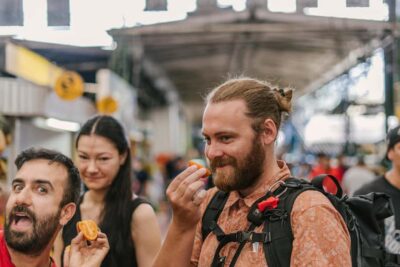
Then comes the part you’ll likely enjoy even more: the market. The tour recommends shopping for items like flat bread and rolls, rosquitas, humitas, tamales canteños, honey, manjar blanco, cow butter, cow cheeses, and beef, among other local foods. Even if you don’t buy much, you’ll probably taste your way through the atmosphere. Markets like this are how a place shows you what people actually eat, not just what tourists see.
A practical note: you’ll be on a schedule, so buy what you can realistically carry and store in warm conditions. If you’re bringing food back to Lima, choose items that won’t melt into soup on the drive.



Santa Rosa de Quives sanctuary: a calm ending with a chapel and wishing well
The day doesn’t end with another view. It ends with spiritual quiet at the Santa Rosa de Quives sanctuary. This stop centers on the chapel and a wishing well, tied to the story of the patron saint who lived there.
If you’re traveling with a group, this sanctuary visit can be a surprisingly good reset. By this point you’ve done ancient art, high-water scenery, community learning, and town history. The sanctuary gives you a slower, more reflective space where you don’t need to “do” much besides arrive and absorb.
You might also notice that places like this work well at the end of a long day. They help your brain wrap the trip into one coherent feeling: Peru isn’t only dramatic mountains or archaeological sites. It’s also faith, daily devotion, and local tradition.
Bring a little mental flexibility here. Some people want a quick look and move on; others want a longer moment. Either way, the setting is calm enough that you can pace yourself.
Price and what your $39 really buys
The tour is listed at $39 per person, and for a 16-hour, multi-stop day it’s a pretty clear value play—especially because transport and guide time are covered.
Here’s what you’re getting as part of the base price:
- Transport
- Official tourist guide
- Oxygen for the group
- Payment to the Earth-Pachamama
- Coca leaves
- First aid kit
- Photography during the tour
That’s not just “nice-to-have.” Oxygen, coca leaves, and first aid point to altitude and safety being taken seriously. The Earth-Pachamama payment also signals the tour isn’t pretending the trip is only sightseeing. It includes local ritual context, which can make the experience feel more grounded.
What’s not included:
- Food
- Lagoon entrance (S/3) at the lagoons
- Boat tour (S/7) if you choose it
So yes, you should budget a little extra on top of $39, and you’ll want to plan meals because food isn’t part of the cost. But the overall equation is still strong if you care about variety and don’t want to piece together separate excursions.
One more practical angle: the tour includes photography during the tour, which can save you from constantly putting your phone away while trying to enjoy stops. Don’t assume the photos will replace your own shots, but it’s a helpful extra.
Logistics reality: early departure, long drives, and Spanish-only guidance
This is a full-day itinerary with an early wake-up. You’ll depart at 5am, and the day runs until 9pm, with multiple driving stretches and stop-and-go timing. If you get carsick easily, bring what you need. If you hate waiting, know that road time is part of the price you pay for reaching the mountains from Lima.
The tour includes “skip the line” style help through an express security check, which can reduce hassle if the meeting point or departure area has multiple steps.
Guidance is in Spanish, so plan accordingly. If you don’t speak Spanish, you might still enjoy the visuals, but you’ll miss some of the interpretive context—especially at Checta Petroglyphs and the sanctuary.
What to bring is straightforward and practical:
- Sunglasses
- Swimwear
- Sunscreen
- Insect repellent
Also follow the tour’s meeting instructions: you’ll meet at La rambla, and the team sends exact GPS localization. On a day like this, that detail helps you avoid the worst-case scenario: arriving late or at the wrong pickup point.
Guide quality: great moments, but confirm your group setup
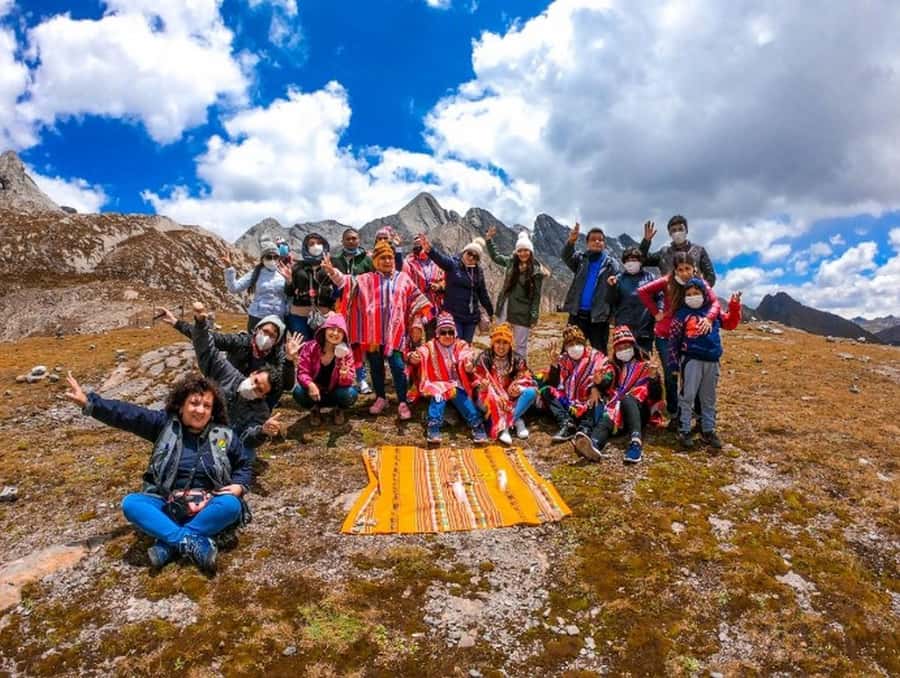
The experience seems to live or die by smooth coordination. When the guides and drivers are on point, the day feels smooth, informative, and enjoyable. Names that have come up include Alejandro and Gabo for attentive care, and Wilma with a driver referred to as Sr Edgar for a friendly, capable ride and strong guiding.
That same coordination is also where you should be cautious. There are reports of serious disorganization issues: one situation involved arriving at the right place but being put in the wrong group, with the correction happening very late. Another complaint centered on poor transport conditions and long road stretches with heavy traffic. I can’t promise those issues will happen to you, but I’d treat this as a heads-up rather than a rumor.
So here’s what you can do to protect your day:
- Confirm pickup and exact location the night before and again the morning of.
- Plan to arrive early at La rambla so you’re not rushed.
- Keep your expectations flexible about driving time. Long roads are part of the equation here.
If everything lines up, the guide support can turn a “bus tour” into an actual cultural day—especially at Checta and during the Canta market and sanctuary stops.
Who should book this Cordillera de la Viuda day trip
This tour is a strong fit if you want:
- A packed itinerary that covers ancient art, lagoons, community farming, and a historic town in one go
- High variety, without needing to plan separate tours
- A guide-led experience with Spanish narration and added support like oxygen and first aid
It’s less ideal if:
- You dislike long days (16 hours) and long road stretches
- You get stressed by tight schedules or by group coordination
- You want a slow, unhurried nature retreat instead of a multi-stop circuit
If you’re traveling with someone who likes different things—history for you, scenery for them, and market time for both—this format can work well.
Should you book it?
I’d book this tour if you want a one-day sampler of northern highlands life near Lima: petroglyphs, Andean lagoons, a real local trout farming visit, then Canta and Santa Rosa de Quives for a reflective finish. The included oxygen, coca leaves, and guide time make the $39 price feel more “serious” than a basic excursion.
I’d hold off if you’re very sensitive to long drives, or if you know your travel style breaks down with early starts and schedule changes. If you do book, protect yourself by confirming pickup details and arriving early at La rambla.
FAQ
What time does the tour start and end?
The tour runs from 5am to about 9pm.
Where do I meet the group?
You meet at Shopping Mall La rambla. You’ll receive exact GPS localization for the meeting point.
What does the $39 price include?
It includes transport, an official tourist guide, oxygen for the group, payment to the Earth-Pachamama, coca leaves, a first aid kit, and photography during the tour.
What’s not included?
Food is not included, and there are indicative extra entrance/activity costs like lagoon entrance (S/3) and a boat tour (S/7).
Are there any language limitations?
The tour is conducted in Spanish.
Is there an extra cost for the lagoons?
Yes. The tour lists an indicative lagoon entrance fee of S/3.
Do I need swimwear?
The recommended packing list includes swimwear, so it’s wise to bring it in case you have time and opportunity.
What should I bring besides swimwear?
Bring sunglasses, sunscreen, and insect repellent (plus swimwear).