REVIEW · SANTIAGO CHILE
An Architect’s Tour of Downtown Santiago
Book on GetYourGuide →Operated by SantiagoArchiTours · Bookable on GetYourGuide
Santiago tells stories through buildings. I love the small-group pace and the fact the walk is led by native Chilean architect Diego Inzunza. The only real drawback is that it stays on foot for about three hours, so comfortable shoes matter.
You start at Plaza Baquedano near Teatro Universidad de Chile and end at La Moneda, Chile’s presidential palace, with coffee and restroom breaks along the way. It runs in English or Spanish, and you don’t need an architecture background to ask questions and photograph what catches your eye.
In This Review
- Key Highlights You’ll Actually Feel On This Walk
- Meet Diego Inzunza: The Architect Who Makes Streets Make Sense
- Plaza Baquedano to La Moneda: A Simple Route With Big City Meaning
- Lastarria and the Universidad Católica Area: Style, Institutions, and Street-Level Life
- Cerro Santa Lucía: Views That Help You Understand the City
- Iglesia San Francisco: Faith, Form, and the Human Side of Buildings
- Barrio París-Londres: Why Tiny Details Matter in a Small Route
- Coffee, Restrooms, and Optional Side Stops That Save Your Day
- Price and Value: Why $59 Can Make Sense for a 3-Hour City Lesson
- Logistics That Matter: What to Bring and What to Avoid
- Who Should Book This Tour, and Who Might Not
- Should You Book An Architect’s Tour of Downtown Santiago?
- FAQ
- How long is An Architect’s Tour of Downtown Santiago?
- Where is the meeting point?
- Where does the tour end?
- What languages is the tour offered in?
- How much does the tour cost?
- How many people are in the group?
- Is the tour wheelchair accessible?
- Do I need any architecture knowledge or special equipment?
- Is this tour suitable for kids, and are there restrictions?
- Question goes here
Key Highlights You’ll Actually Feel On This Walk
- Architect guide, not a script: Diego Inzunza explains buildings with architectural and historical context.
- Small group of 8: More time for questions, not just listening and walking.
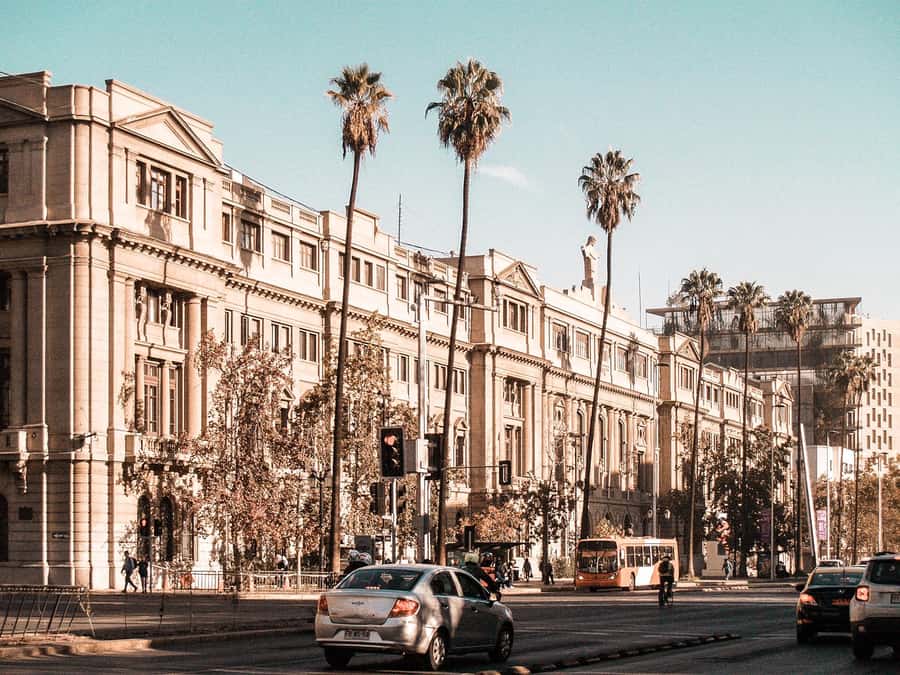
- Downtown route with major anchors: From Plaza Baquedano to La Moneda, you get a clear sense of city power and layout.
- Built for real pacing: Coffee breaks, restroom stops, and occasional extra stops if needed.
- Photo-friendly flexibility: You can spend a bit more time at spots you want to capture.
Meet Diego Inzunza: The Architect Who Makes Streets Make Sense
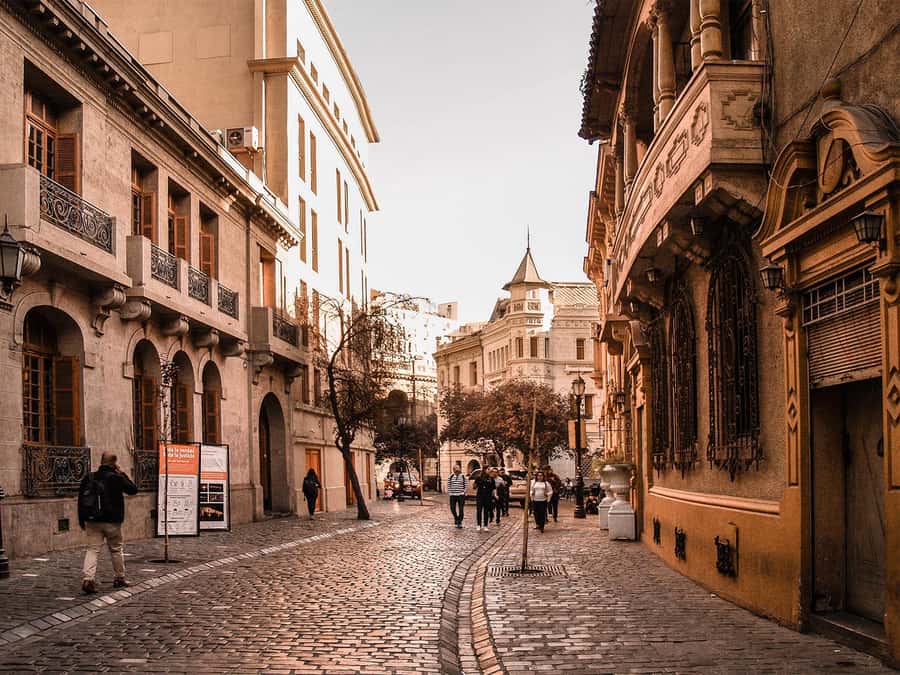
This tour works because the guide isn’t just a storyteller. Diego Inzunza is a Chilean architect and a long-time guide, so he connects what you see to why it looks the way it does. You’ll get a guided conversation about Chile’s architecture and the historical events that shaped Santiago’s built environment.
I especially like that the language setup is practical. Diego spent 10 years in the United States, and that shows in his English ability when the tour runs in English. You’ll be able to ask questions that go beyond basics, like why certain styles appear where they do, or how design decisions relate to politics and society.
The tour also avoids the “you must know architecture to enjoy this” trap. You don’t need a degree, a book, or any special gear. The only thing you really need is curiosity—and the willingness to walk and look up.
You can also read our reviews of more tours and experiences in Santiago Chile.



Plaza Baquedano to La Moneda: A Simple Route With Big City Meaning
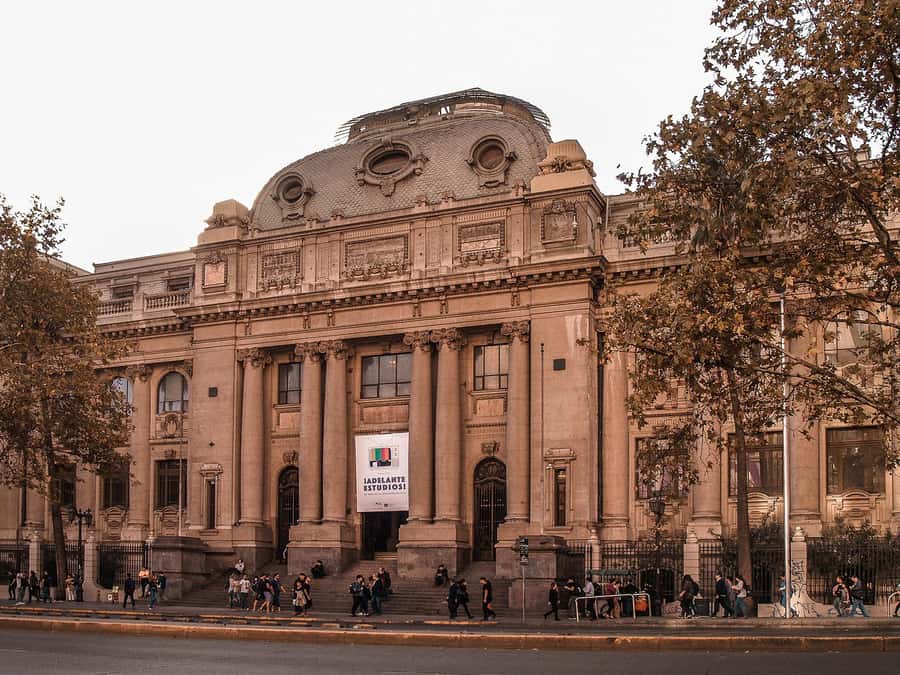
The walk begins at Plaza Baquedano, one of Santiago’s most important intersections, and it heads toward La Moneda in the city center. The final destination is Chile’s Civic Center in La Moneda, the presidential palace area. That end point matters, because it frames the whole experience: you’re not just strolling past pretty buildings. You’re moving through the city’s political and cultural layers.
You’ll also get a sense of how neighborhoods connect. Instead of hopping around by car, the route keeps you in the rhythm of the city—streets, crossings, and public spaces—so the architectural story feels grounded in real urban life.
One practical note: the tour doesn’t include a ride back to your lodging. That’s not a dealbreaker, because public and private transportation are close. Just plan on continuing your day after the tour with transit that’s right there in the center.
Lastarria and the Universidad Católica Area: Style, Institutions, and Street-Level Life
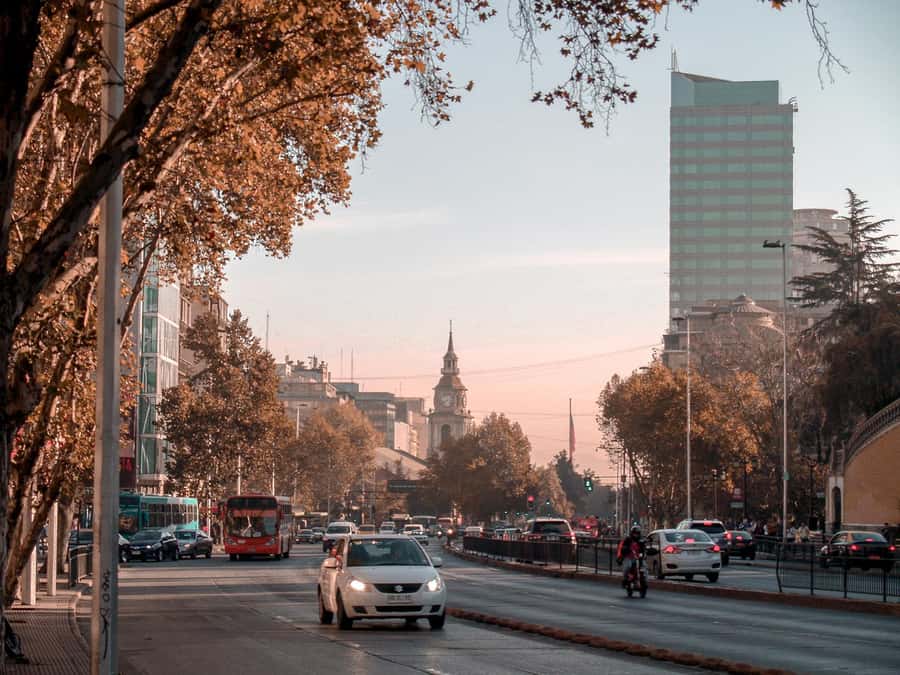
As the tour moves into the Lastarria area, you start to see how neighborhood identity shows up in the streets and buildings around you. Barrio Lastarria is a strong start point for this kind of tour because it makes it easy to compare “what you feel” (the vibe of the area) with “what you can read” (the architecture and urban planning choices).
Then you’ll head toward Universidad Católica de Chile. With a university on the route, the architectural lens shifts a bit. You’ll be thinking about institutions, public presence, and how big organizations shape the look and flow of a city block by block. Even if you’re not an architecture nerd, you’ll likely notice things like how buildings define edges of streets and how campus-style spaces change the walking experience.
What I like here is that you’re not just passively seeing architecture. You’re using your eyes while the guide gives context. That combination is what turns a neighborhood into a lesson: you learn what to look for, and then you can spot it for yourself.
Potential drawback: because you’ll be walking through active parts of the city, it can feel fast if you stop to read every plaque or sign. The upside is that you can ask for a slower look when something grabs you—this tour is built to adjust to your interests.
Cerro Santa Lucía: Views That Help You Understand the City
Cerro Santa Lucía is a key moment on this route. Even if you’re not chasing viewpoints as a hobby, the value here is how elevation changes your understanding of Santiago’s layout. From higher ground, the city starts to look like a plan instead of a collection of separate places.
Your guide’s job at this stop is to help you “read” the landscape through architecture. You’ll connect design choices to geography and city growth. The result is that Cerro Santa Lucía stops being just a scenic pause and becomes a way to understand what Santiago needed to build, where, and why.
This is also a good time to take photos, because you can capture wider relationships—streets meeting at angles, districts blending into one another, and the way the city expands beyond your immediate block.
Tip for your comfort: you’re still on a walking tour with a total duration of three hours, so don’t over-plan extra stops elsewhere. Treat Cerro Santa Lucía as one of your main photo windows, then keep moving so you don’t lose the rest of the story.
Iglesia San Francisco: Faith, Form, and the Human Side of Buildings
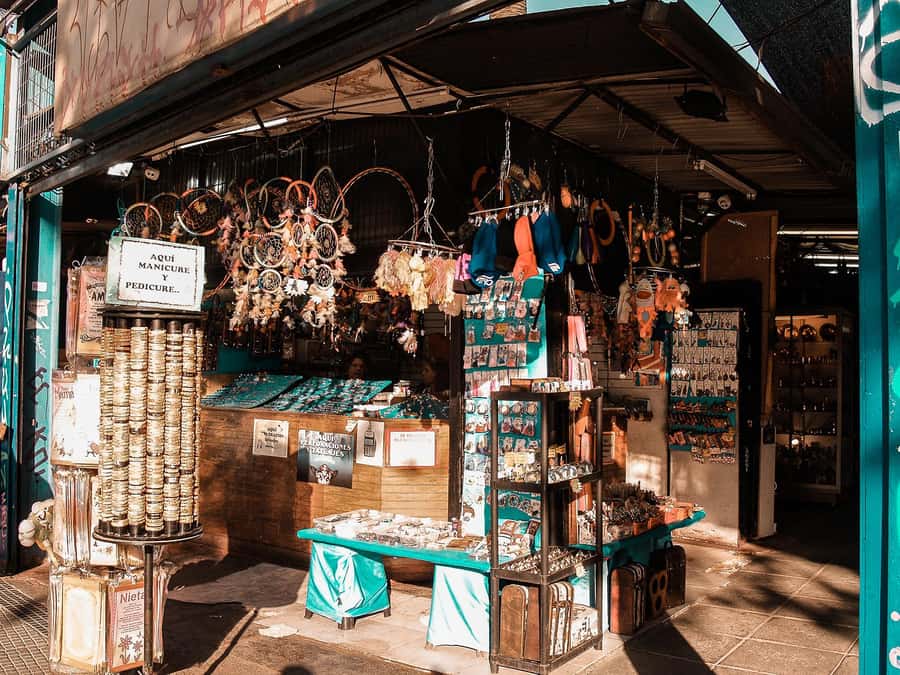
At Iglesia San Francisco, the tone shifts from neighborhood and institutions toward cultural identity and historic presence. This stop is powerful for anyone who likes history and wants buildings to feel like more than objects.
Your architect guide can help you notice how religious architecture tends to shape public space around it. You’ll likely focus on how the building frames the street and how that framing affects the way people move and gather nearby. Even without deep technical knowledge, you can learn to look at scale, proportions, and the way the building becomes a landmark you navigate by.
What makes this work in the context of the whole tour is pacing. You don’t get shoved into museums or lectures. Instead, you move from Plaza Baquedano’s civic energy to cultural markers like this, so the story feels layered instead of one-note.


Barrio París-Londres: Why Tiny Details Matter in a Small Route
Barrio París-Londres is one of those places where a walking tour can feel especially rewarding. It’s not just about the architecture itself; it’s about how a neighborhood can hold onto character through its streetscapes and building rhythm.
This is a stop where your guide’s “ask and learn” approach really pays off. If you’re curious about how styles evolve over time, or how different eras leave visible marks in the urban fabric, this is the kind of place where those questions make sense.
You’ll also get a chance to slow down if photography is your thing. The tour allows time for you to spend a bit more time at places you want to capture. That matters because Santiago’s downtown changes quickly as you walk—what looks ordinary at street level can turn into a great photo with one good angle.
Coffee, Restrooms, and Optional Side Stops That Save Your Day
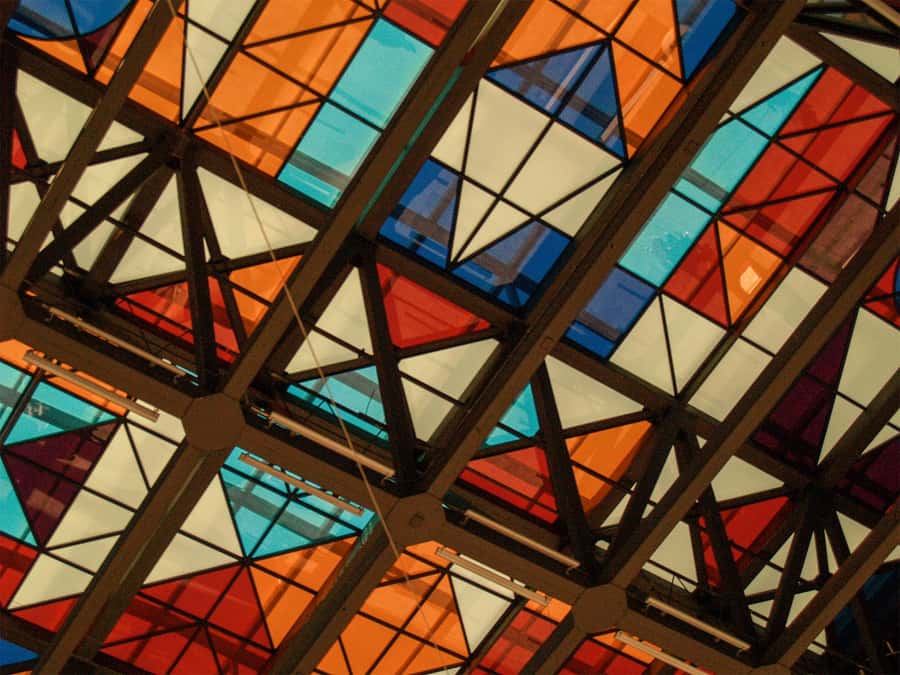
A good walking tour doesn’t just promise stops. It accounts for your day. This one includes a coffee break and restroom breaks along the way if you need them.
I also like that the route has been planned for years with practical needs in mind. The operator notes that extra necessities such as bank or money exchange stops may be included. That’s useful in Santiago’s center, where it can be easier to handle logistics while you’re already moving with a local guide.
This is where the small group size helps. With up to 8 participants, the guide can manage the pace without turning every pause into a scramble.
What to do before you go: keep expectations simple. Bring your comfortable shoes, stay hydrated, and don’t plan a tight lunch reservation right after the tour ends. You’ll be done near La Moneda, in a high-activity area, but the walk itself is still a real chunk of time.
Price and Value: Why $59 Can Make Sense for a 3-Hour City Lesson
At $59 per person for three hours, you’re paying for a guided architecture conversation with a practicing architect. That’s not just trivia. The tour includes explanations of architectural styles, why buildings look the way they do, and the events that shaped Santiago’s development.
The value also comes from structure. This route has been used and refined over time, which usually translates into smoother timing for breaks and a better flow between stops. Add in the small-group cap of 8, and you get more time to ask questions than you would on a larger bus-and-walk style tour.
If you like history, architecture, or politics—or you just want to understand what you’re seeing instead of guessing—this price is reasonable for what you’re getting: expert guidance plus a walking route that lands you at the symbolic center of Chile’s government.
Logistics That Matter: What to Bring and What to Avoid
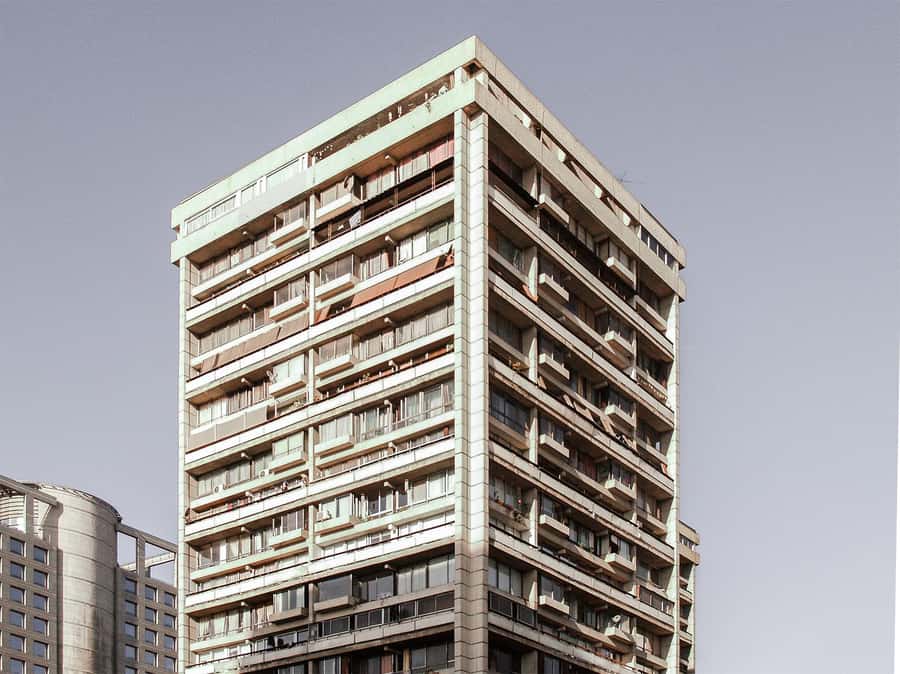
This is a walking tour, so the main item is obvious: comfortable shoes. You’ll also be moving through downtown streets, so dress for everyday city walking rather than sightseeing “presentation mode.”
There’s also a restriction: no jewelry is allowed. That’s an odd one, but it’s clear and worth respecting.
The tour runs in English and Spanish, and it’s wheelchair accessible. It’s also small-group friendly, which makes it easier to hear the guide and keep up the pace.
One more boundary: it’s not suitable for children under 10. If you’re traveling with younger kids, you’ll likely find the walking time and question-and-answer format aren’t a great match.
Who Should Book This Tour, and Who Might Not
This tour is a strong fit if you want to understand Santiago from street level. It’s ideal for adults who enjoy architecture and history, and it’s also a good choice if politics and social change interest you through the lens of city design.
It’s especially worth it if you like a guide who can handle follow-up questions without turning the tour into a rigid script. The format is designed for conversation, not only one-way explanation.
You might skip it if you want a hands-off experience. This tour asks you to look closely and engage. If you’d rather just walk quietly without stopping to learn, you might feel the time is too “guided.”
Should You Book An Architect’s Tour of Downtown Santiago?
If you’re in Santiago for a short time and want one experience that gives you a framework for the city, I’d book it. Starting at Plaza Baquedano and ending at La Moneda gives you a satisfying arc—from major civic intersection to the presidential palace area—while the architect-led conversation helps you understand the meaning behind what you see.
Book it if you enjoy asking questions, taking photos, and learning how architecture connects to Chile’s past and present. And do it with comfortable shoes and a simple mindset: three hours on foot, guided learning, and a downtown route that makes Santiago easier to navigate afterward.
FAQ
How long is An Architect’s Tour of Downtown Santiago?
It lasts 3 hours.
Where is the meeting point?
You meet at Plaza Baquedano, next to Teatro Universidad de Chile.
Where does the tour end?
The tour ends at Chile’s Civic Center in La Moneda (the presidential palace area).
What languages is the tour offered in?
It’s offered in English and Spanish.
How much does the tour cost?
The price is $59 per person.
How many people are in the group?
The group is limited to 8 participants.
Is the tour wheelchair accessible?
Yes, the tour is wheelchair accessible.
Do I need any architecture knowledge or special equipment?
No. You do not need previous architecture knowledge or special equipment beyond your interest in discovering.
Is this tour suitable for kids, and are there restrictions?
Children under 10 are not suitable. Also, jewelry is not allowed.
Question goes here
Answer paragraph