REVIEW · ANTIGUA GUATEMALA
Chichicastenango and Iximché One Day Tour
Book on GetYourGuide →Operated by Guatemalan Adventure · Bookable on GetYourGuide
Two capitals in one long day. I like the way this trip pairs Iximché (Guatemala’s first capital) with the living presence of the Quiché people. You get a guided look at the ruins, then you’re sent into a market where culture isn’t behind glass.
My favorite part is watching how the day connects belief, trade, and everyday life—then slowing down for Santo Tomás church and the Popol Vuh story. The one drawback to plan around is timing: on heavy days, especially Sundays, traffic and crowds can chew up time you want for the sites and shopping.
In This Review
- Key Things You’ll Notice on This Tour
- Iximché Ruins: More Than Stone, Still Used by Indigenous People
- What Santo Tomás Church Adds (And Why the Popol Vuh Matters)
- Chichicastenango Market: The Best Shopping Lesson You Can Take
- The 12-Hour Reality: How to Keep the Day Fun, Not Exhausting
- Your Guide: What Good Direction Does for a Cultural Day
- Price and Value: What You’re Really Paying For
- Who This One-Day Trip Fits Best
- Should You Book Chichicastenango and Iximché?
- FAQ
- How long is the Chichicastenango and Iximché one-day tour?
- What is included in the price?
- What is not included?
- Is hotel pickup included?
- What languages will the guide speak?
- What should I bring?
- Is a Mayan ceremony at Iximché guaranteed?
Key Things You’ll Notice on This Tour
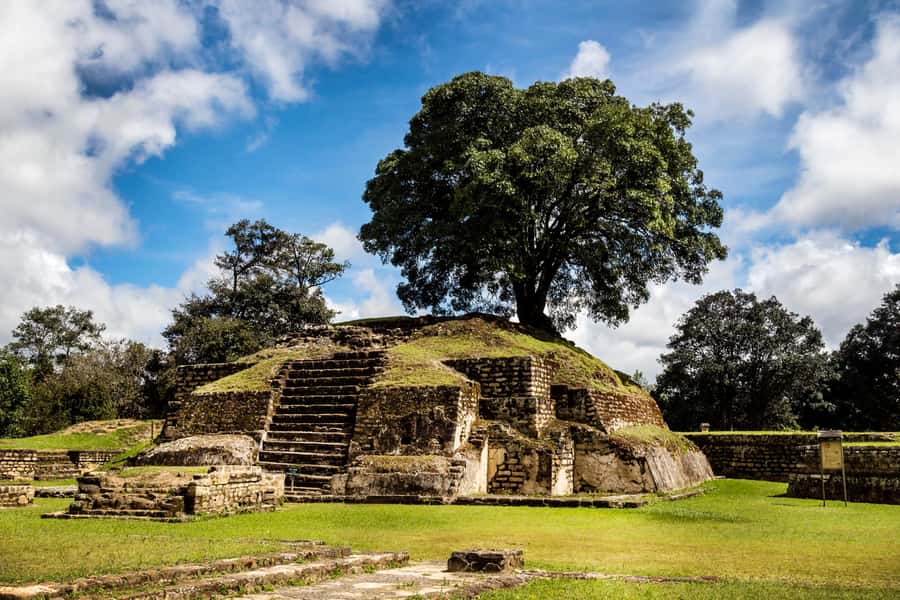
- Iximché as Guatemala’s first capital: guided ruins visit with Indigenous visitors still showing up
- Mayan ceremony possibility: you might witness a real ceremony, but it’s not guaranteed
- Chichicastenango market as the main event: barter energy for fruits, veggies, crafts, and more
- Santo Tomás church + Popol Vuh connection: a strong historical stop with clear cultural context
- A long day with real-world delays: Sunday traffic and market crowding can slow things down
Iximché Ruins: More Than Stone, Still Used by Indigenous People
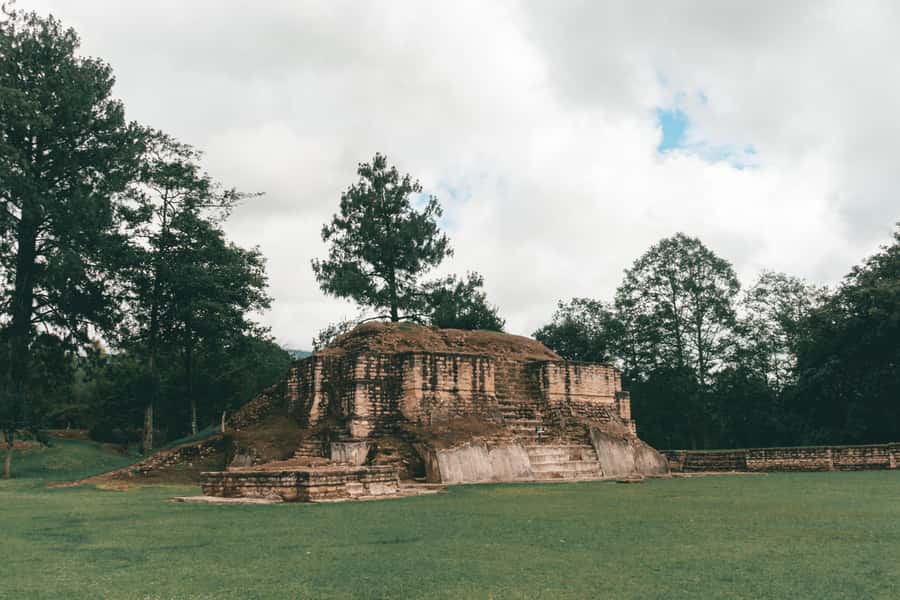
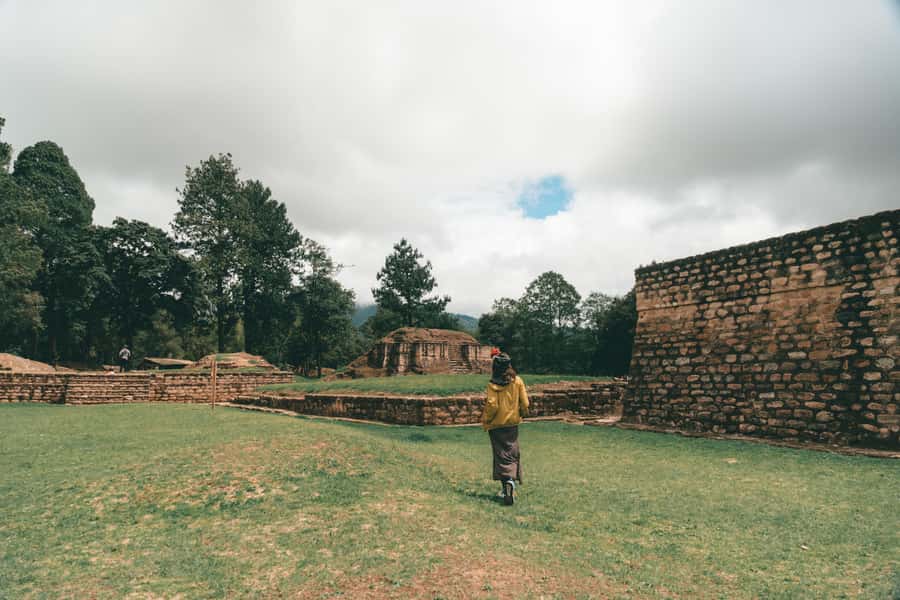
Iximché sets the tone fast. This archaeological site is described as the first capital of Guatemala, and it feels like the tour’s “anchor.” You’re guided through the ruins, but the point isn’t just to look at rock walls—it’s to see how the place fits into current Indigenous life.
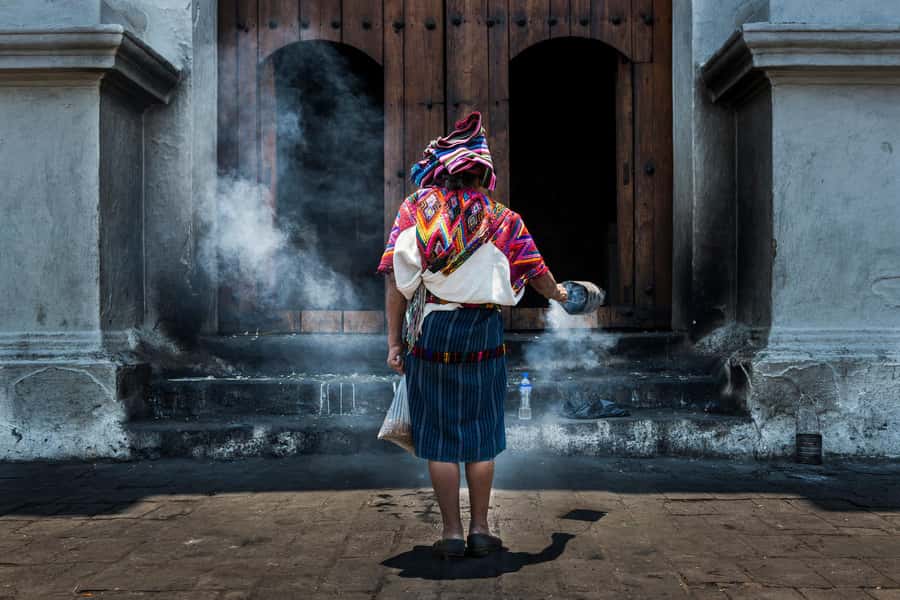
What I really appreciate is that the experience includes Indigenous people that still visit Iximché. That matters because you’re not only learning about the past. You’re watching continuity—how modern community members relate to a site that predates colonial history.
The tour also notes a possible Mayan ceremony. That’s the kind of moment people hope for, but it’s the kind you can’t schedule like a museum show. If it happens, great. If it doesn’t, you’ll still get a guided sense of why the location remains meaningful.
Practical tip: this is a ruins day. Comfortable shoes are non-negotiable, and you’ll want to keep water and sun protection in mind. The tour only lists a sun hat, but your body still needs the basics after hours outdoors.
You can also read our reviews of more tours and experiences in Antigua Guatemala
What Santo Tomás Church Adds (And Why the Popol Vuh Matters)
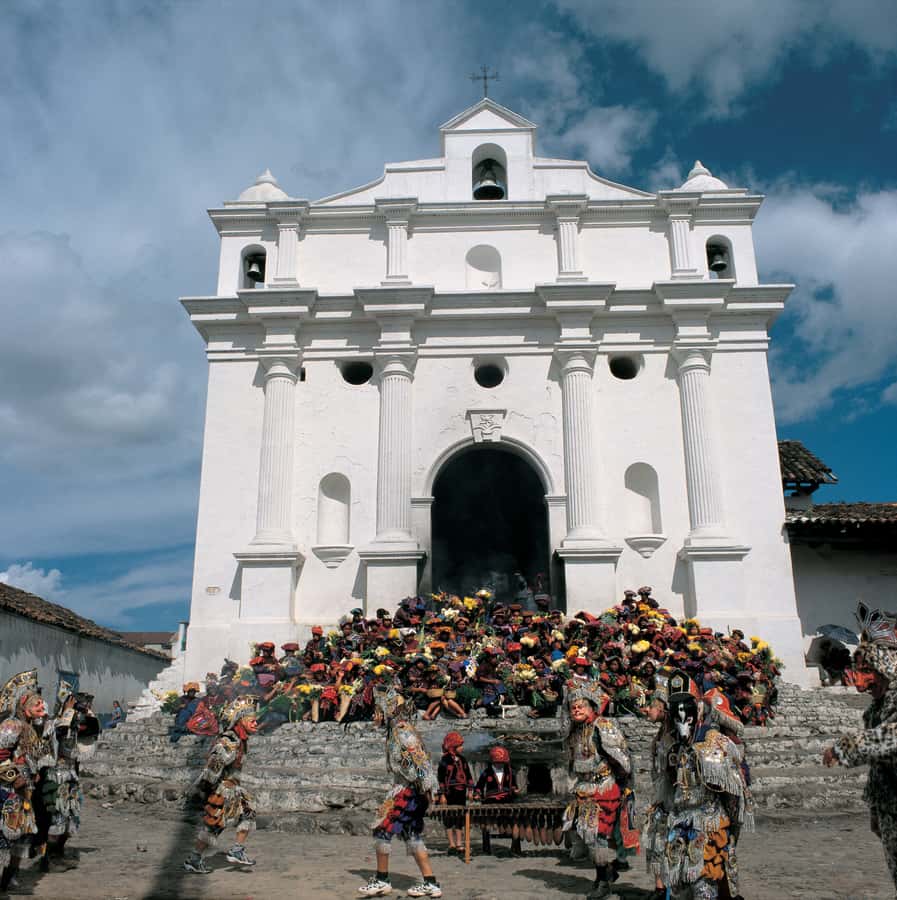
After Iximché, the day shifts from archaeology to sacred history. You’ll visit Santo Tomás church, where the Popol Vuh (the Maya sacred book) was found. That one fact changes the feeling of the stop: you’re not just seeing a church building. You’re connecting a text with a real place in Guatemala.
This is also where many people start to understand the tour’s theme: Mayan influence and living culture in the same day. The route doesn’t treat Indigenous tradition as a separate topic. It puts it next to churches and markets, showing how history has layers.
You’ll also have time to step back and regroup after the guided parts. The tour includes entrance fees and taxes, so you don’t have to juggle ticket lines during your limited time.
One more note from on-the-ground experience: if your group is mixed language (English and Spanish), the tour’s explanations can take longer. That can slightly affect how much time you get to linger at the church and grounds. If you’re very time-focused, I’d keep your expectations realistic.
Chichicastenango Market: The Best Shopping Lesson You Can Take
Then comes Chichicastenango, and yes, it’s a market. But it’s not just a place to buy souvenirs. It’s where the trip turns into something more human: constant exchange, steady movement, and a sense of rhythm you can’t get from a single photo stop.
You’ll explore an open market where you can see fruits, vegetables, and handicrafts being traded between local people and foreigners. The tour is pretty clear that it offers plenty of goods—so if you like shopping, this is where you’ll spend the most time.
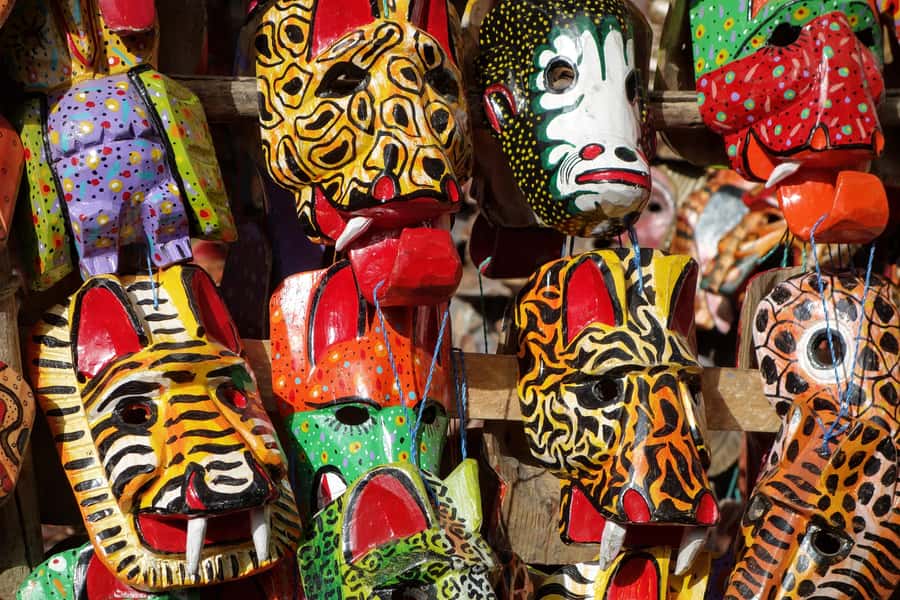
I also like that the market stop includes craft categories tied to older traditions. The tour description specifically calls out wood products, ceramics, and gift items associated with Mayan priest offerings on pre-Hispanic altars. Even if you don’t buy anything, you’ll understand what people are referencing through the items they sell.
Crowds are the tradeoff. One common reality: it can get packed, and that can make moving around slowly. If you hate squeezing through crowds, go with patience. If you love watching people work and negotiate, you’ll feel at home.
Food note: the market scene can include food stalls, and people often call out the food market as a highlight. Since lunch isn’t included, this can be a useful time-saver—just plan to spend your own money if you want to eat here.
Cash tip: markets often run on quick transactions. Even though the tour doesn’t mention payment methods, having some small bills helps you move faster and avoid awkward standstills.
The 12-Hour Reality: How to Keep the Day Fun, Not Exhausting
This tour runs about 12 hours, and you need to treat that like a real day, not a casual stroll. The logistics are straightforward: ground transportation, a professional English-speaking guide, and entrances covered.
But timing is the wild card. There’s a clear warning signal in the experience: Sunday traffic can be brutal, and crowding in Chichicastenango can reduce your time on the ground. In plain terms, you may end up in the van more than you wish.
Also, local disruptions can happen. One earlier experience described a protest blockade that meant the group couldn’t complete the full plan and ended up seeing less of Iximché. That’s rare, but it’s the kind of reminder that you’re touring in real life, not a planned TV set.
So here’s how you keep the day on track:
- Start early mentally. The morning transfer is part of the experience, even when you’re tired.
- Stay flexible about pacing in the market. If you try to power-walk everything, you’ll miss the point.
- Bring a sun hat and wear shoes built for uneven outdoor surfaces.
And for lunch: it’s own expense, and your timing can affect where and what you’ll be able to eat. If you’re picky about food timing, I’d treat lunch as flexible and not a big culinary mission.
Your Guide: What Good Direction Does for a Cultural Day
A big part of whether this tour feels great is your guide. The experience includes a professional English-speaking guide, and some guides are called out by name in the histories you’ll read—like Gustavo and Óscar—both praised for being friendly, proactive, and attentive.
What I like about a well-run guide on a day like this is simple: they connect facts to what you’re seeing right now. Instead of treating Iximché and Chichicastenango as separate chapters, a strong guide makes them talk to each other—belief and trade, sacred text and daily ritual.
There’s one group-size twist to know. When a group includes both Spanish and English speakers, explanations can take longer because content may get repeated in both languages. That doesn’t mean you’ll get less value automatically—it just means you might move slower. If you’re planning your own pace, mentally budget for that.
If your guide is proactive with questions and pacing, it can feel like the day gets organized around you. That’s what people seem to love most about top guides.
Price and Value: What You’re Really Paying For
At $108 per person, this isn’t a bargain bus ride. It’s priced like a full guided cultural day: transportation, a professional guide, and all entrances and taxes included.
That inclusion matters. Ruins and church visits add up once you factor tickets, fees, and time spent coordinating. You also avoid the “pay at the door” stress, which is great when you’re on a schedule.
Where you’ll spend extra is predictable:
- Meals are not included
- Personal expenses aren’t included
And lunch is the big question mark because it’s at your expense. One earlier experience complained about a pricey lunch stop and drink add-ons. I can’t promise every lunch arrangement is the same, but you should go in knowing lunch cost control is on you.
My value take: this is worth it if you want guidance and a structured day. If you already know your way around markets and ruins, and you prefer independent travel, you might spend less on your own. But if you want the context and smoother flow, the guided format justifies the price.
Who This One-Day Trip Fits Best
This is a smart choice if you want:
- A single day that connects Mayan influence to living Indigenous culture
- A guided look at Iximché plus the Santo Tomás church context
- A full market experience where you can browse and buy local products
It’s also a good fit for first-timers to the region because it covers a lot in one organized loop. And if you enjoy meeting history through people—seeing Indigenous visitors at a sacred site—this tour leans into that in a practical way.
Who might want to think twice:
- If you hate long days (12 hours) or you’re easily frustrated by traffic delays
- If you dislike crowded markets and prefer quiet sightseeing
- If you’re very strict about lunch quality or timing, since lunch is own expense and timing can change your options
Should You Book Chichicastenango and Iximché?
I’d book it if you want one focused day that links ruins, sacred history, and market life under the umbrella of Quiché culture. The included entrances, the guided ruins visit at Iximché, and the Popol Vuh connection at Santo Tomás church make it more than a “drive and shop” day.
I’d hesitate only if your main goal is guaranteed punctual timing and minimal crowds. The day can run long, and Sundays (and other real-world disruptions) can affect how much time you get on each stop.
If you’re the flexible type who enjoys learning on the move, pack your sun hat, wear good shoes, and go. This is the kind of day where the sites feel connected to the present, not sealed off in the past.
FAQ
How long is the Chichicastenango and Iximché one-day tour?
The tour lasts about 12 hours.
What is included in the price?
The price includes ground transportation, a professional English-speaking guide, and all entrances and taxes.
What is not included?
Meals and personal expenses are not included.
Is hotel pickup included?
Pickup is included from centrally located hotels in Antigua Guatemala, and the day starts with a transfer from your hotel in Guatemala City or Antigua Guatemala.
What languages will the guide speak?
The guide/host is listed as Spanish and English.
What should I bring?
You should bring comfortable shoes and a sun hat.
Is a Mayan ceremony at Iximché guaranteed?
No. The description says it would be possible if you are very lucky, so it’s not guaranteed.