REVIEW · CALI COLOMBIA
Cali: Ceramic Workshop for Tourists
Book on GetYourGuide →Operated by Alaska de Musa · Bookable on GetYourGuide
Clay days in Cali can turn into real, practical art. This one gives you the tools and the instruction to make a cup and a plate you can actually use, not just look at. It’s run by Alaska de Musa, and the workshop is designed for first-timers in a small group, limited to 4 people.
What I like most is that you get both the hands-on making and the glazing/decorating part, guided by an instructor who can explain in Spanish or English. You also get food and drinks included, so you’re not paying extra just to get through a half-day activity. The main drawback is that there’s some serious risk around meeting point/address communication, based on negative booking feedback about people not being able to find the workshop or reach anyone for help.
In This Review
- Key Points Before You Go
- Making a Ceramic Cup and Plate Set in Cali
- What You’ll Make: Your Own Cup and Plate
- Inside the Workshop: Molding, Decorating, and a Real Instructor
- Food, Drinks, and the Stuff You Actually Need to Know
- The Two-Day Kiln Firing: Plan for Pickup Later
- Price and Value: How $18 Makes Sense Here
- Getting There and Meeting the Guide: Where Trips Can Go Sideways
- Language, Group Size, and Who This Workshop Fits Best
- Should You Book Cali: Ceramic Workshop for Tourists?
- FAQ
- How long is the ceramic workshop?
- What will I make in the class?
- Do I need any prior experience with ceramics?
- What should I bring to the workshop?
- When will my ceramics be ready for pickup?
- What is the cancellation policy?
Key Points Before You Go
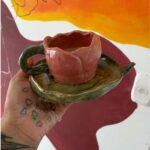
- Cup + plate set: you leave with two pieces designed as a matching set
- Small group (max 4): more direct help while you mold and decorate
- Glazes + instructor guidance: you learn what you’re doing, not just follow a script
- Food and drinks included: you’re set for the full session without extra planning
- Kiln firing takes two days: you make now, pick up later after the kiln process
Making a Ceramic Cup and Plate Set in Cali
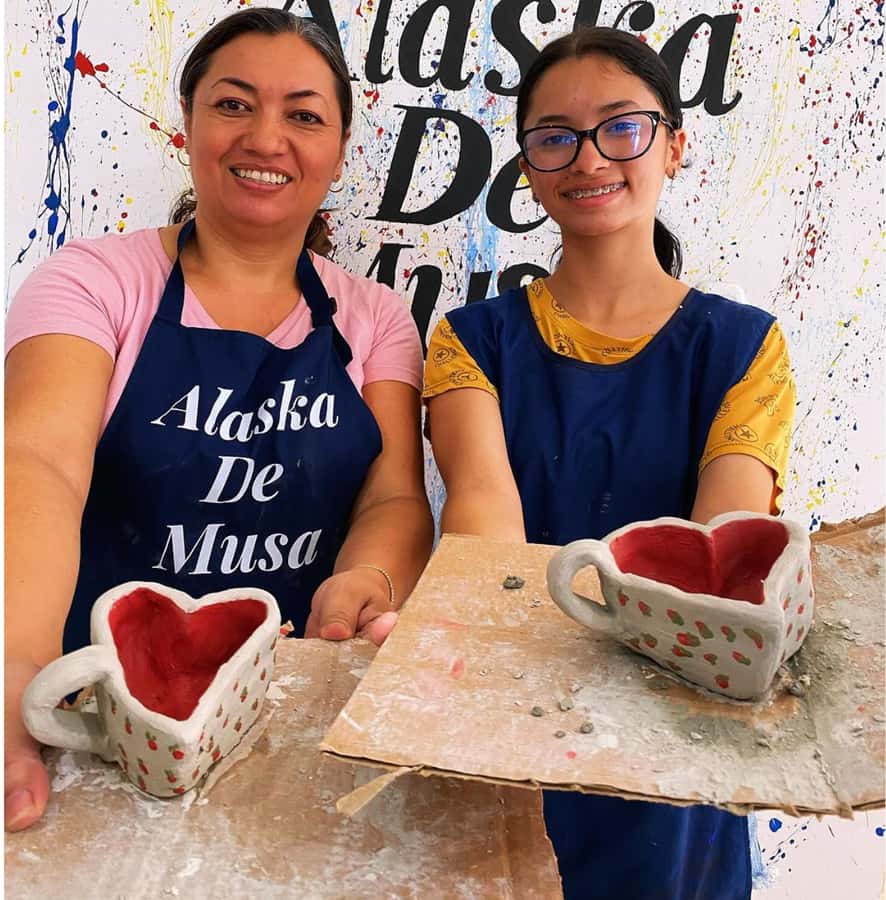
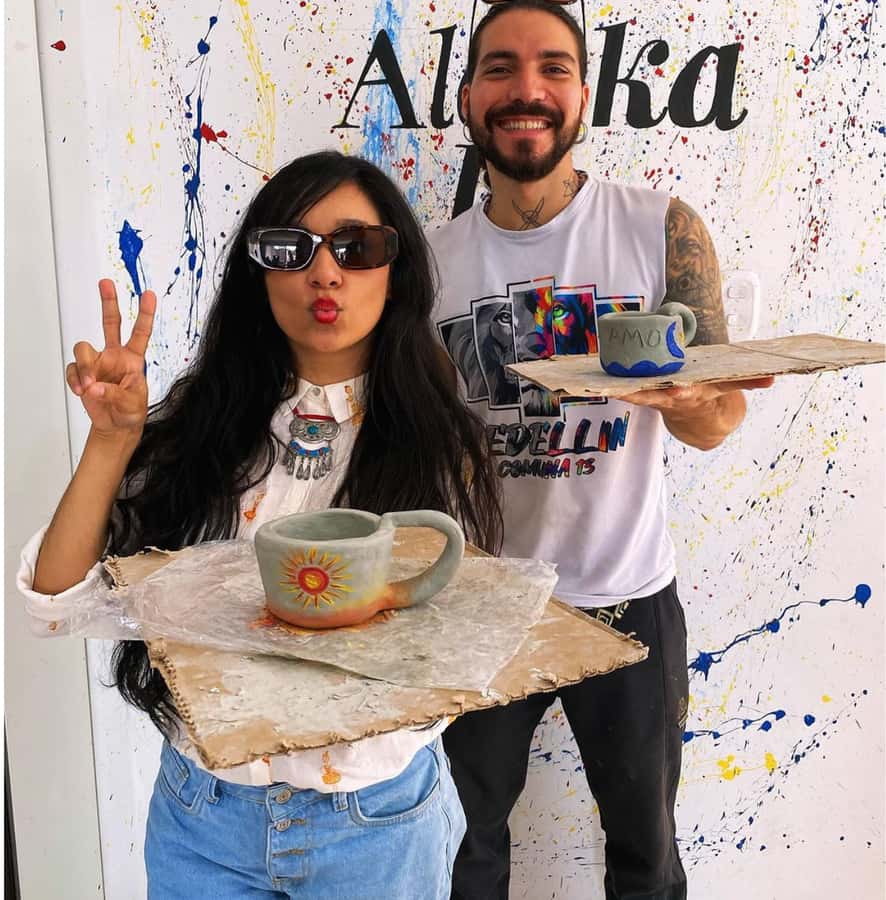
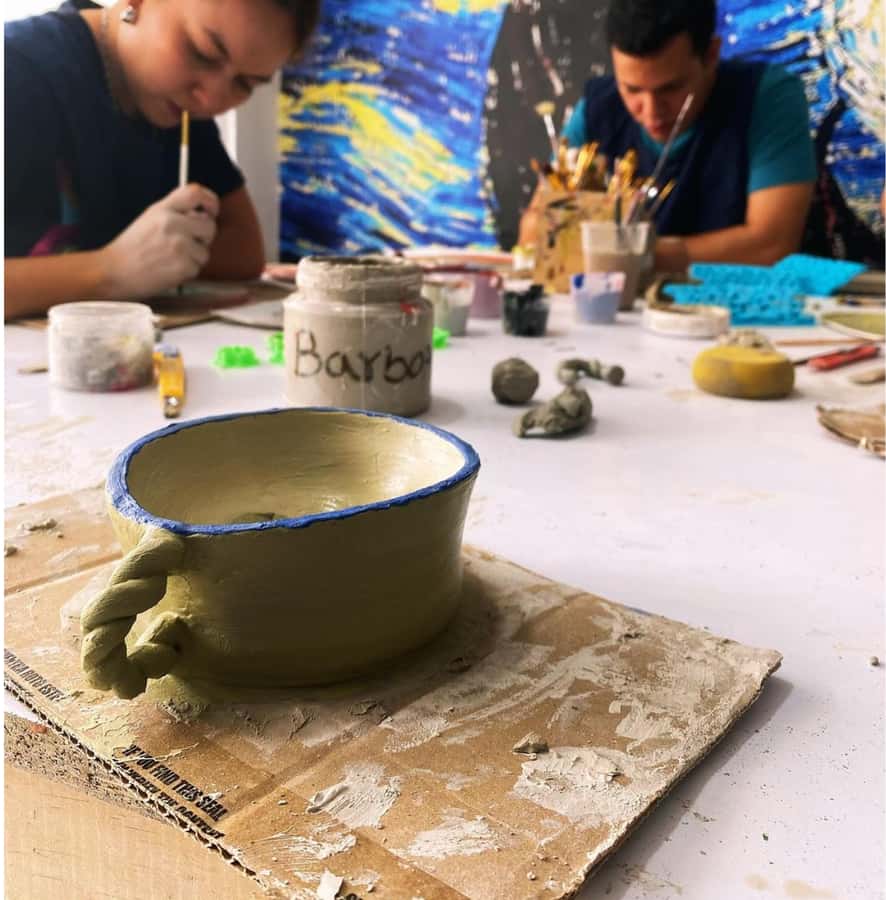
This workshop centers on one clear goal: you craft a ceramic cup and a plate in a real studio setting in Valle del Cauca. You’re not just decorating a pre-made item. You’ll mold, shape, and then personalize with special glazes so the final pieces feel like yours.
The session runs 210 minutes (about 3.5 hours). That time is long enough to get beyond the initial awkward stage—where your hands feel clumsy with clay—and into the part where you actually see your own design taking form.
If you’re coming to Cali for culture, food, and day trips, this is a smart add-on because it’s creative and tactile. You’ll be working with your hands the whole time, which is a nice change from walking-heavy sightseeing days.
You can also read our reviews of more tours and experiences in Cali Colombia.



What You’ll Make: Your Own Cup and Plate
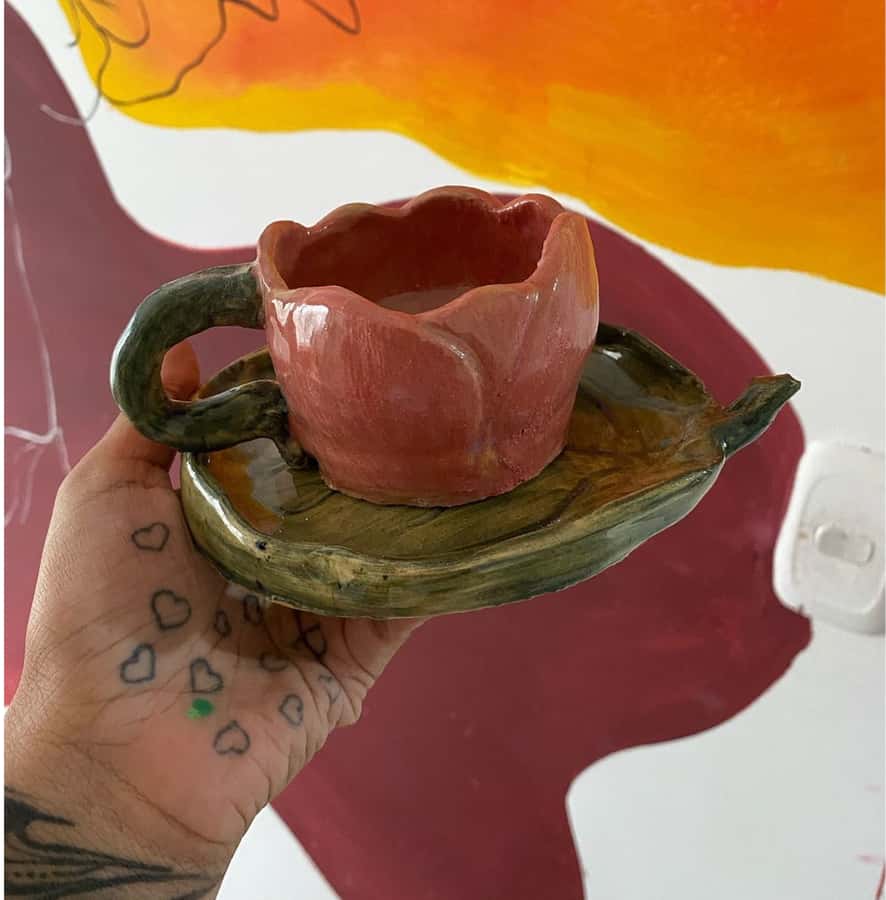
You’ll create a ceramic tableware set with:
- A cup
- A plate
That combination matters. A lot of pottery experiences only focus on one object, so you end up with a single souvenir that doesn’t really feel like a collection. Here, you’re building something cohesive, and that makes the finished set more satisfying.
You’ll also learn the practical side of ceramics as you go—how to mold the clay and how to decorate it using glazes. Even if you’ve never worked with clay before, the structure is built for beginners: no prior ceramics experience is required.
Your pieces won’t be ready immediately. They have to be fired in a kiln after the session, which means you’re planning a “make day” and then a separate “pick up day” once the firing is done.
Inside the Workshop: Molding, Decorating, and a Real Instructor
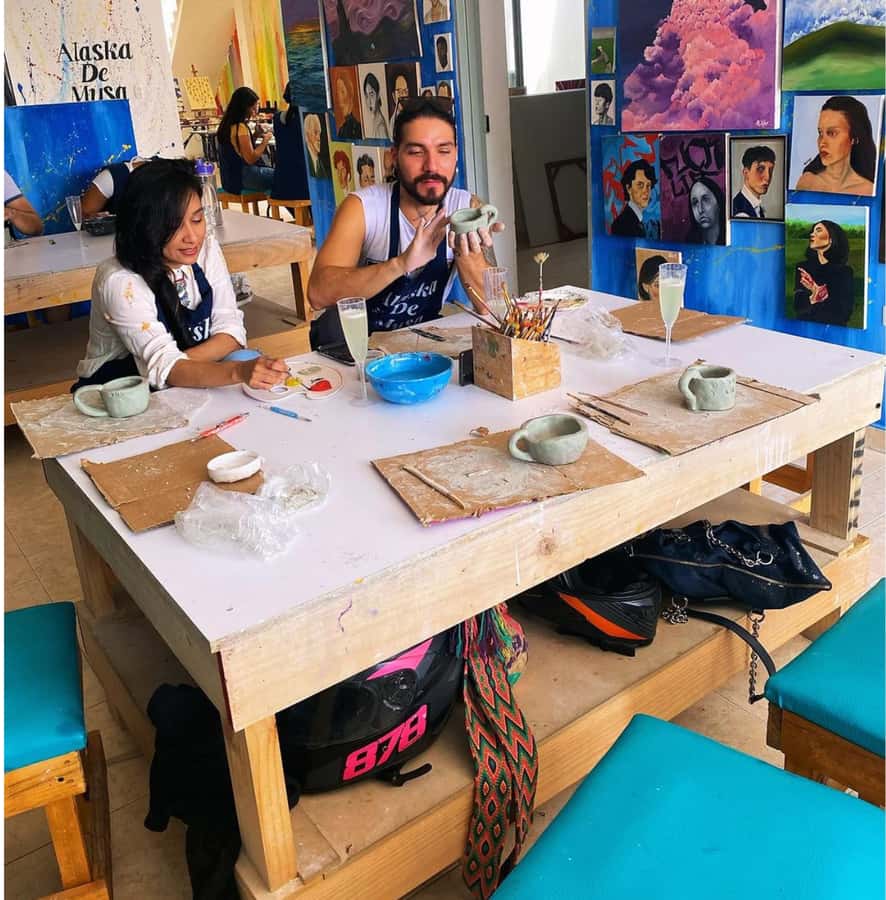
This is a guided workshop with an instructor who can work in Spanish and English. The value here is not just that someone is present—it’s that you’re doing the steps with coaching, so your results improve over the session.
Here’s what that usually looks like in practice for this format:
- You start with the materials and basics of handling clay.
- You mold your cup and shape your plate.
- You decorate using special glazes to build color and finish.
- You get help while you’re working, so you’re not left guessing.
The workshop is also set up for a small group of up to 4 participants. With a group that size, you’re more likely to get individualized attention—especially if you’re a first-timer and unsure about what the clay should feel like.
One practical consideration: wear clothing you don’t mind getting a little dirty. Clay and glaze work can be messy, and the workshop specifically tells you to dress for that reality.
Food, Drinks, and the Stuff You Actually Need to Know
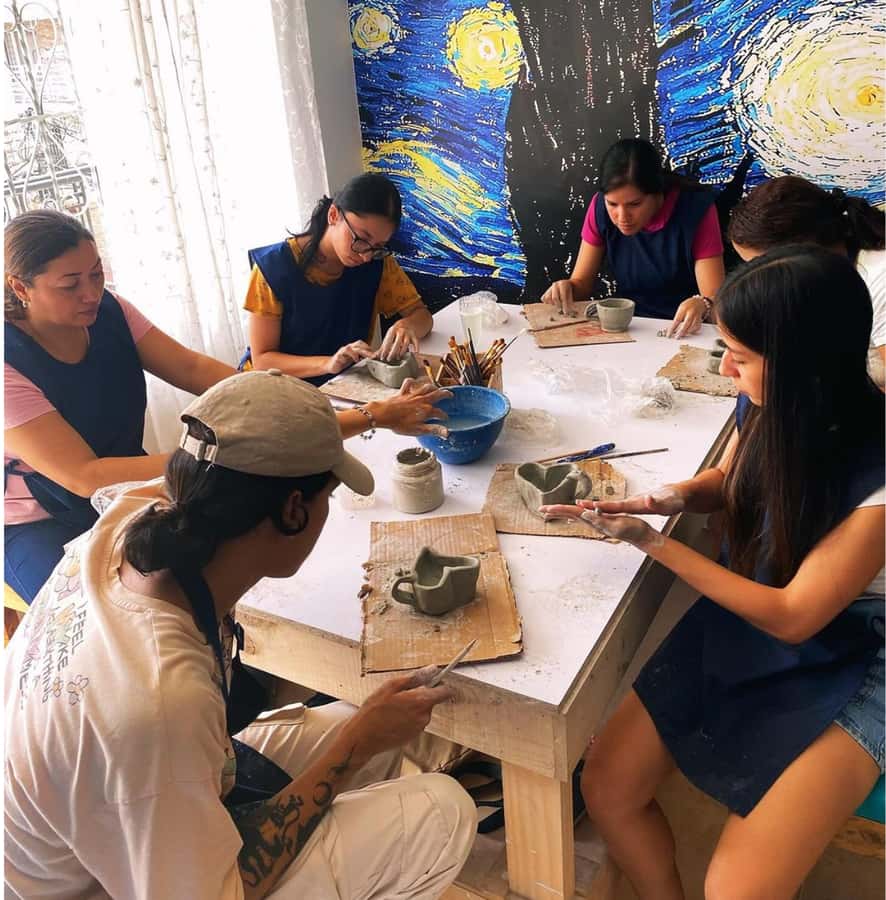
A lot of “creative” tours quietly charge extra for refreshments. Here, food and drinks are included, which is a real quality-of-life upgrade during a 210-minute activity. It means you can show up, focus on making, and not waste time afterward trying to figure out where to eat.
Because you’re working with ceramics, you’ll also want to think about your personal setup:
- Wear comfortable clothes
- Choose something you can move in while you sit and work
- Plan to handle clay and glaze residue with a normal studio cleanup routine
The workshop setup is also described as safe and welcoming, and the activity is meant to help you connect with other art enthusiasts. In a small group, that social part doesn’t feel forced—it’s more like shared focus time with people in the same “I’m making something” mindset.
The Two-Day Kiln Firing: Plan for Pickup Later
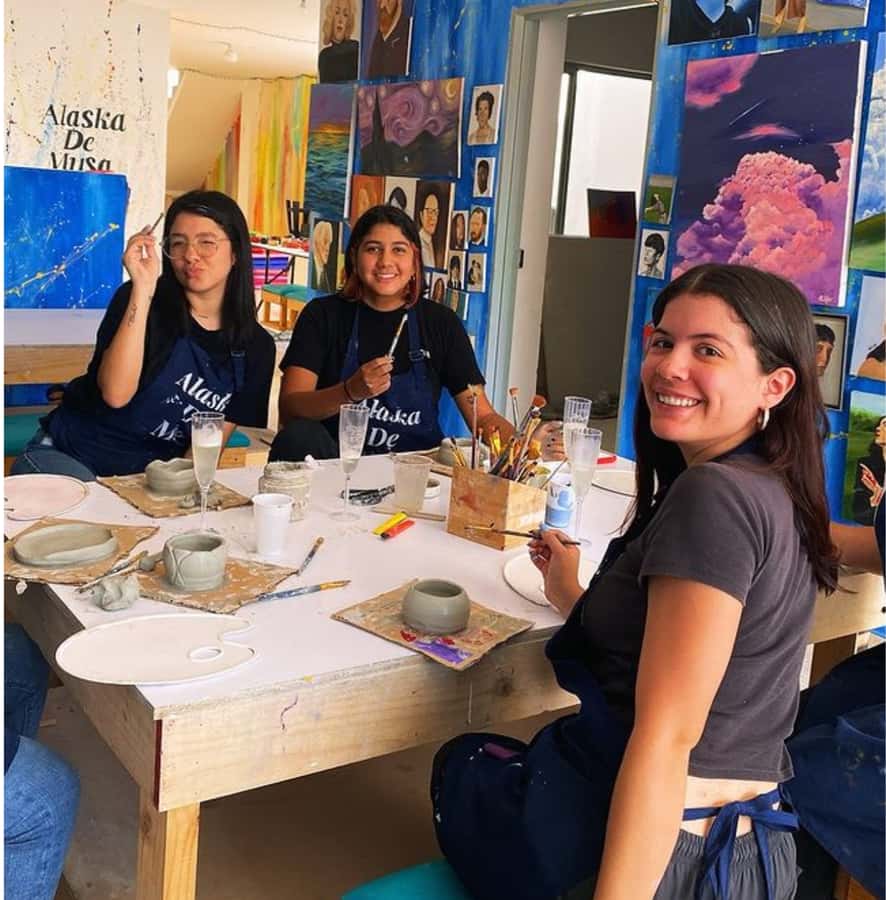
Here’s the part that can catch people off guard if they’re used to instant souvenirs. Your pieces will be ready for pickup after firing in the kiln, and the firing process takes two days.
So you’re not walking out with finished ceramics in hand on the same day. Instead, you’re committing to a short waiting period. That’s normal for ceramics, but it changes how you should plan your schedule in Cali.
If your trip is tight—like you’re leaving within 24 hours—this might be awkward. On the other hand, if you can stay in the city long enough to plan for a two-day pickup window, this adds anticipation and also protects the quality. The kiln step is what turns fragile work into something that can survive real-world use.



Price and Value: How $18 Makes Sense Here
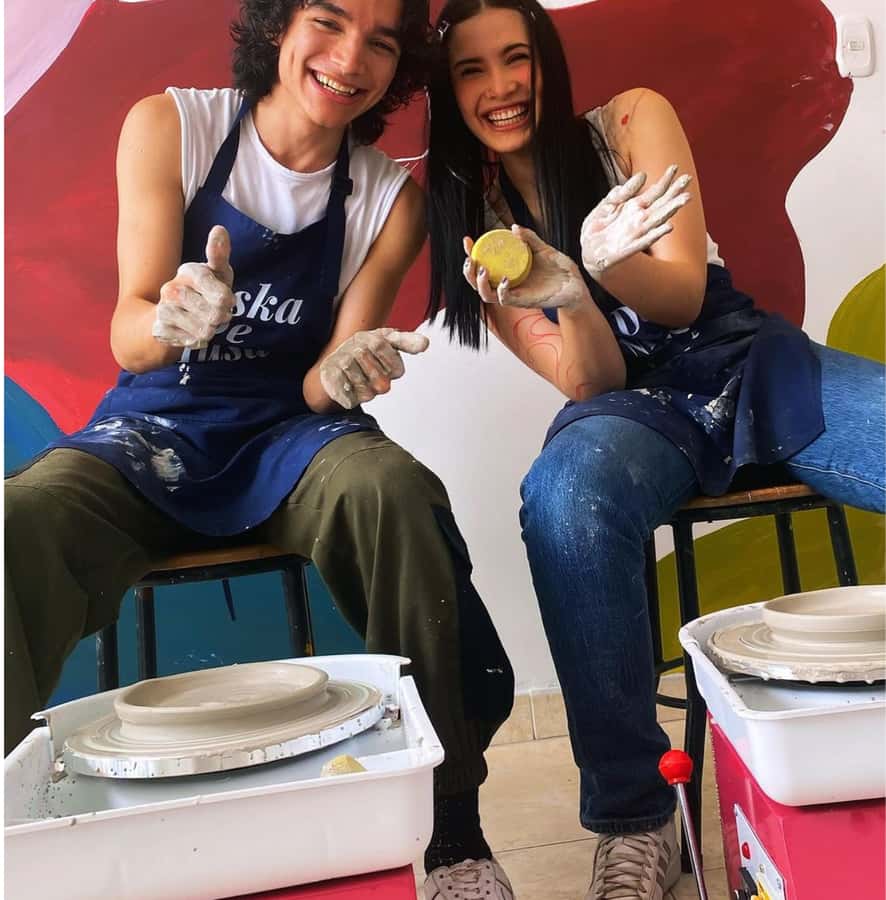
The price is $18 per person, and for what you get, it’s on the low side. You’re paying for:
- All materials
- Expert instructor guidance
- Food and drinks
- Your finished handmade ceramic pieces
The value isn’t only the price tag. It’s the combination of instruction + materials + refreshments in a small-group format. If you tried to recreate this experience on your own—finding a studio, paying for materials, arranging firing—you’d likely spend more than $18 just to get the basics.
That said, value depends on smooth operations. The supplied booking feedback includes serious problems for at least some people, especially around meeting the workshop location and getting support when things went wrong. So while the activity price is attractive, you should treat organization as a key part of the real value.
Getting There and Meeting the Guide: Where Trips Can Go Sideways
The meeting point is straightforward in wording: the guide will be waiting at the entrance of the workshop. The guide is part of the plan, and that’s good news if you’re on time and the location is accurate.
But here’s the real caution: some low-rated booking experiences describe confusion about the address and a failure to show up or respond to messages/phone calls. One person said no one appeared even after waiting all day, and that the address in Google Maps looked different from the app location. Another person reported issues getting a refund and said they still hadn’t received it.
I’m not going to sugarcoat that. If you book this, you should protect yourself with basic prep:
- Save the exact meeting instructions you receive when you book.
- If possible, screenshot the meeting location details.
- Give yourself extra time to arrive early and confirm you’re at the right entrance.
- If you’re traveling with a tight schedule, build in a buffer for a possible delay.
Even if those problems don’t happen every time, they’re serious enough that you should plan like you might need a little extra time to find the door and get greeted.
Language, Group Size, and Who This Workshop Fits Best
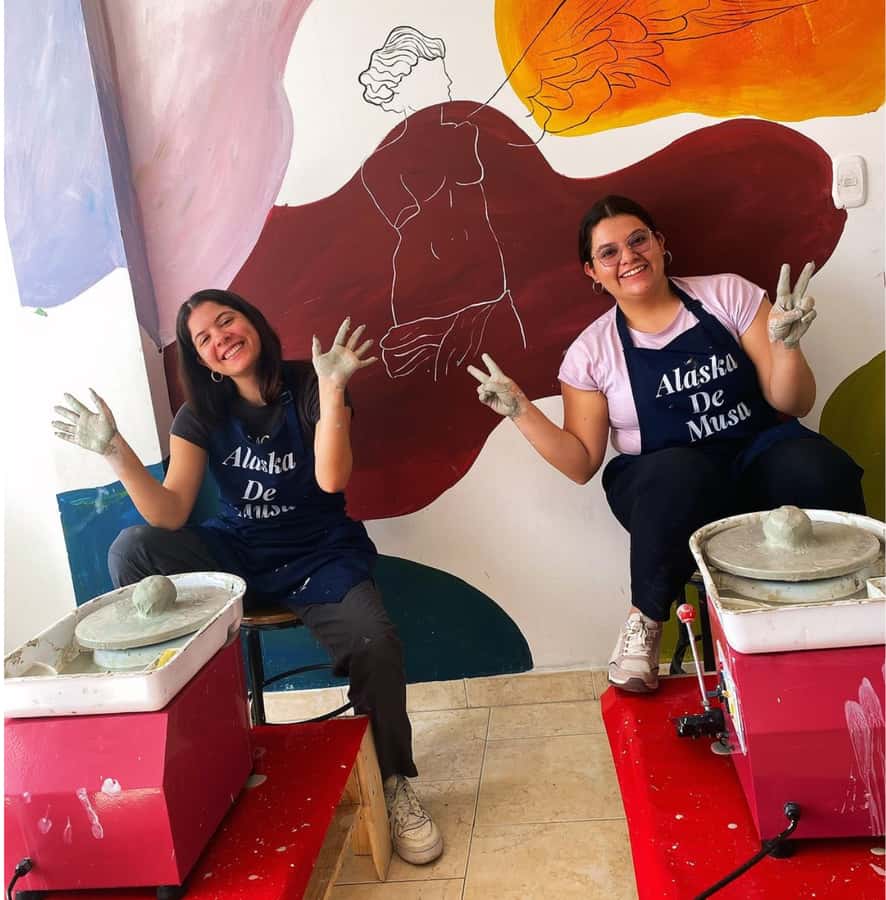
This workshop offers instruction in Spanish and English, which is a big deal if you’d rather understand the steps than just copy what someone else is doing. The small group of up to 4 participants also makes it feel less intimidating for beginners.
Who this is best for:
- First-timers who want to try ceramics without prior experience
- People who enjoy making souvenirs that look like actual design work, not a printed trinket
- Anyone who likes structured creative time with a real instructor
- Art-minded travelers who don’t mind a two-day pickup wait
Who might want to skip it:
- Wheelchair users, since it’s stated as not suitable for wheelchair access
- Anyone who needs an immediate, same-day takeaway
- People who can’t risk possible communication/address hiccups
If you’re the type who loves doing one meaningful activity that you can keep and use, this fits well. If you need a sure-thing logistics experience with no uncertainty, you’ll want to weigh that risk carefully.
Should You Book Cali: Ceramic Workshop for Tourists?
If your priority is making something tangible in Cali, learning how ceramics works at a beginner level, and taking home a cup-and-plate set for about $18, this workshop has strong potential value. Add in food and drinks and the small-group format, and it’s easy to see why it appeals.
But the decision hinges on one thing: communication and meeting-point reliability. With the negative feedback you have (people waiting all day, address mismatch, refund delays), I’d only book if you can stay flexible with timing and you can arrive early with your meeting instructions clearly saved.
My call: book it if you have at least a couple extra days for pickup and you’re comfortable doing a bit of location-checking on arrival. Skip it if you’re schedule-tight, leaving the city quickly, or you don’t want to deal with any uncertainty around getting to the right entrance.
FAQ
How long is the ceramic workshop?
The workshop lasts 210 minutes (about 3.5 hours).
What will I make in the class?
You’ll create a small ceramic tableware set, including a cup and a plate.
Do I need any prior experience with ceramics?
No. No prior experience is required for this workshop.
What should I bring to the workshop?
Bring comfortable clothes that you don’t mind getting a little dirty.
When will my ceramics be ready for pickup?
Your pieces will be ready for pickup after they’ve been fired in the kiln, which takes two days.
What is the cancellation policy?
You can cancel up to 24 hours in advance for a full refund, and you can also reserve now and pay later to keep plans flexible.