REVIEW · CALI COLOMBIA
From Cali: Whale Watching Day Trip in Buenaventura
Book on GetYourGuide →Operated by Be Pacific Tours · Bookable on GetYourGuide
Whales show up early, even if your day starts earlier. This whale watching day trip from Cali to Buenaventura turns a long drive into a payoff: you get time to see humpback mothers and their babies in the Pacific, plus you’ll learn about the region’s traditional drink, Viche. The only real drawback is the timing and the motion: it’s a fast day with a speedboat ride, so if you’re sensitive to choppy water, plan accordingly.
What I like most is how the trip is built around the actual wildlife rules and not just sightseeing. You leave Cali at 5:30 AM, reach Buenaventura in the morning, then head out by boat with a skipper who knows where local whales are active—so you’re not guessing. Also, this runs as a small group (up to 15), which keeps things from feeling rushed even when the clock is moving.
In This Review
- Key highlights you’ll feel on this trip
- Cali to Dagua Breakfast: the scenic warm-up before the ocean
- Buenaventura by morning: port reality and the wait for the boat
- Speedboat to Juanchaco and the safety briefing that actually helps
- Whale watching with a skipper: where humpbacks are active
- The 30 minutes that feel like the whole point
- Juanchaco lunch and Viche: Pacific flavors after the whales
- The return to Cali: same roads, different mood
- Price and what $500 buys you for this long day
- What to bring: your comfort kit for wind, sun, and spray
- Eco rules you’ll notice before you even enter the water
- Who this whale trip fits best (and who should skip it)
- Should you book this Cali to Buenaventura whale watching day trip?
- FAQ
- Where do we meet for the trip from Cali?
- What time does the trip start and end?
- How long does the whale watching portion last?
- How many people are in the group?
- Is there a speedboat?
- What languages are spoken during the tour?
- What food and drinks are included?
- What should I bring and what is not allowed?
Key highlights you’ll feel on this trip
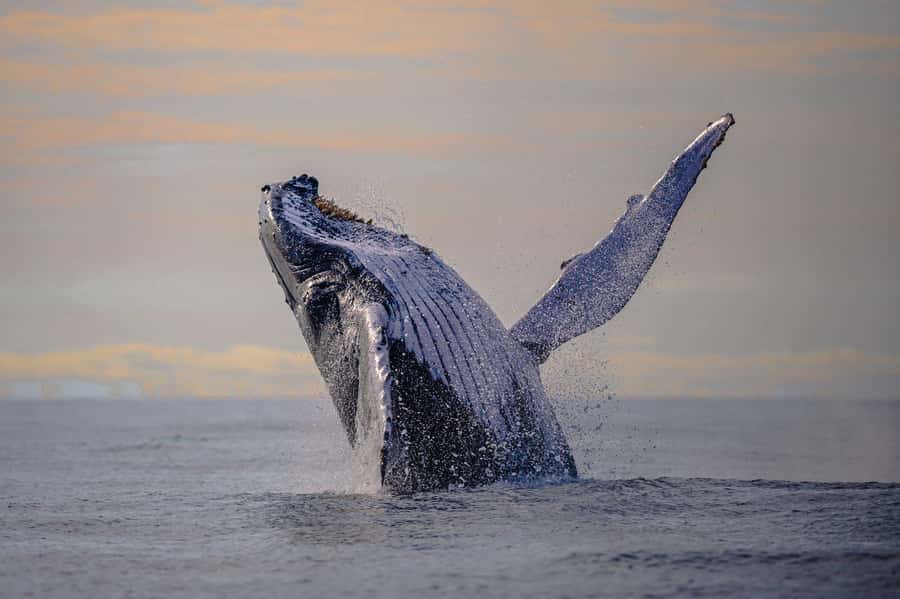
- Skipper-led whale spotting so you go where activity is happening, not where it’s convenient
- National Park timing for whale viewing (30 minutes on the water with regulations in mind)
- Viche and a local lunch in Juanchaco instead of just a boxed meal
- Jungle-to-ocean Pacific scenery during the drive, with photo stops built into the day
- Speedboat time on both ends (out from Buenaventura, back after Juanchaco)
Cali to Dagua Breakfast: the scenic warm-up before the ocean
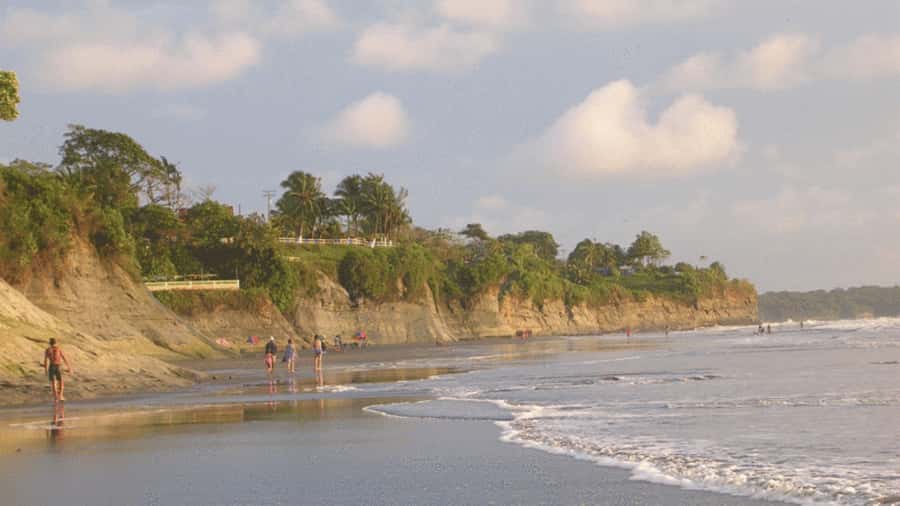
The day starts with pickup at the main entrance of the Intercontinental Hotel Cali at 5:30 AM. From there, you ride in a private van through Andean tropical scenery as the coast gets closer, and that road trip portion matters more than you’d think. It’s not just travel time—it’s your first taste of the region’s changing look, from mountain-ish greenery down toward the Pacific side.
A stop in Dagua breaks the morning up. You’ll have breakfast there for about 45 minutes, which is a smart setup because the rest of the day is long and weather-dependent. If you tend to get hungry fast, this is where you refuel before the boat and whale time.
One practical note: you’ll be wearing sun gear soon, but you start the day cool and dark. Bring layers you can shed. You want to be comfortable without turning your day bag into a suitcase.
You can also read our reviews of more tours and experiences in Cali Colombia.
Buenaventura by morning: port reality and the wait for the boat
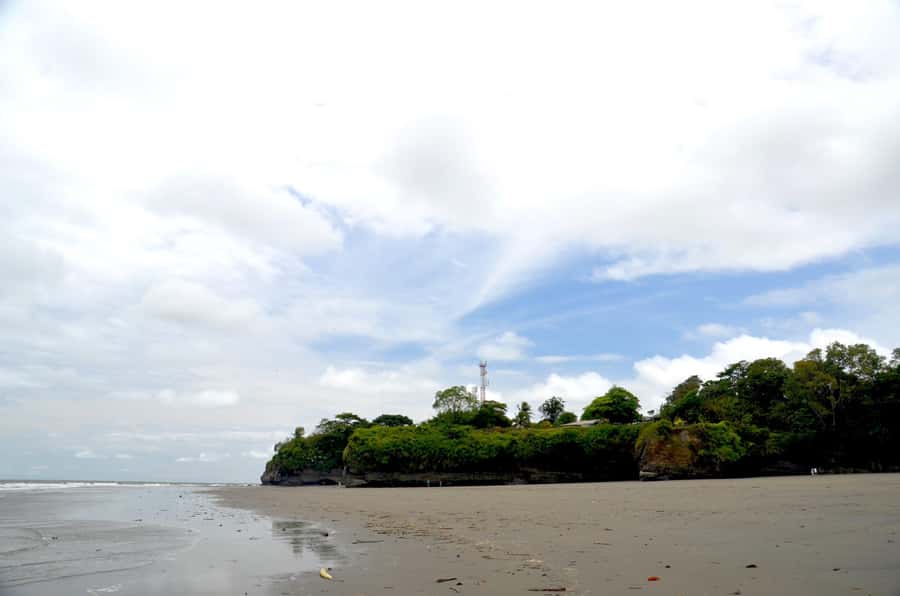
You reach Buenaventura around 8:30 AM. The day doesn’t immediately jump onto the water, though—port logistics and timing take over, and the speedboat portion starts later (around 10:30 AM). So you’ll likely have some sitting and waiting time while everything lines up.
This part can feel a little like transit with a view: you’re in the port area early, and you’re ready for the Pacific, but the schedule still needs to follow dock timing. The upside is that you’re not thrown into chaos. It’s also the moment when your guide helps set expectations for the day and keeps the group moving with a plan.
Because you’re going out to a protected marine area, it helps to be calm during the schedule. Once the boat heads out, the pace becomes physical: sun, wind, and a lot of looking.
Speedboat to Juanchaco and the safety briefing that actually helps
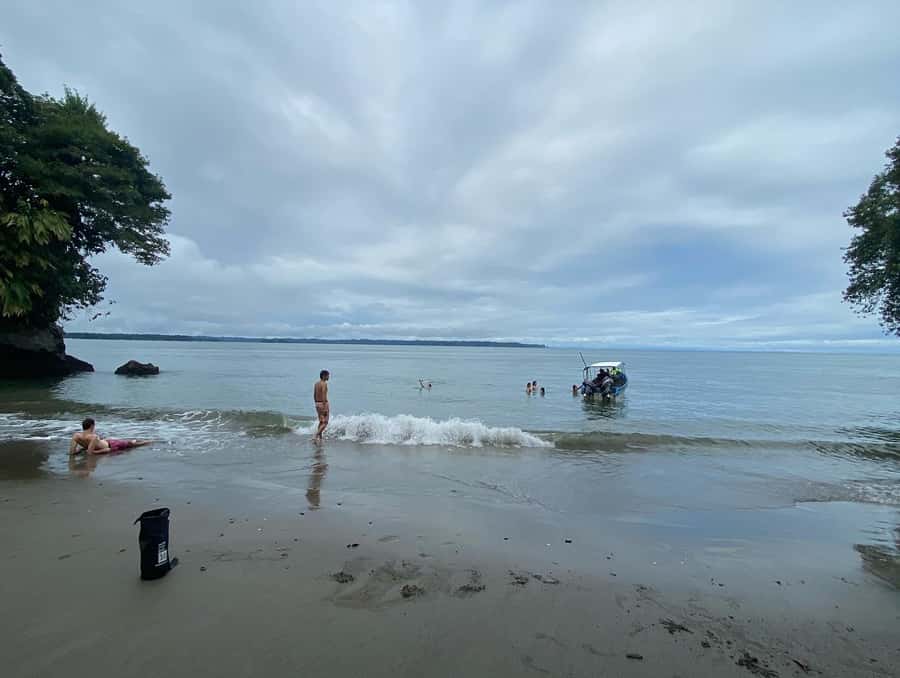
The main jump happens when you board the speedboat from Buenaventura to Juanchaco. It runs about an hour on the outbound leg, and the ocean breeze arrives fast. This is where the trip starts feeling like a real outing and not a bus tour.
Before you head to the water for whales, there’s a safety briefing in Juanchaco (about 20 minutes). I like this approach. It’s short enough that you don’t lose the day, but it’s long enough to cover what you need for a ride that can be bumpy and windy.
On a day like this, safety briefings aren’t boring. They’re your best friend for comfort—where to sit, how to manage movement, what to do if conditions shift. Even if you’re a strong swimmer, a speedboat day can still get uncomfortable quickly, so treat the briefing like part of your whale experience.
Whale watching with a skipper: where humpbacks are active
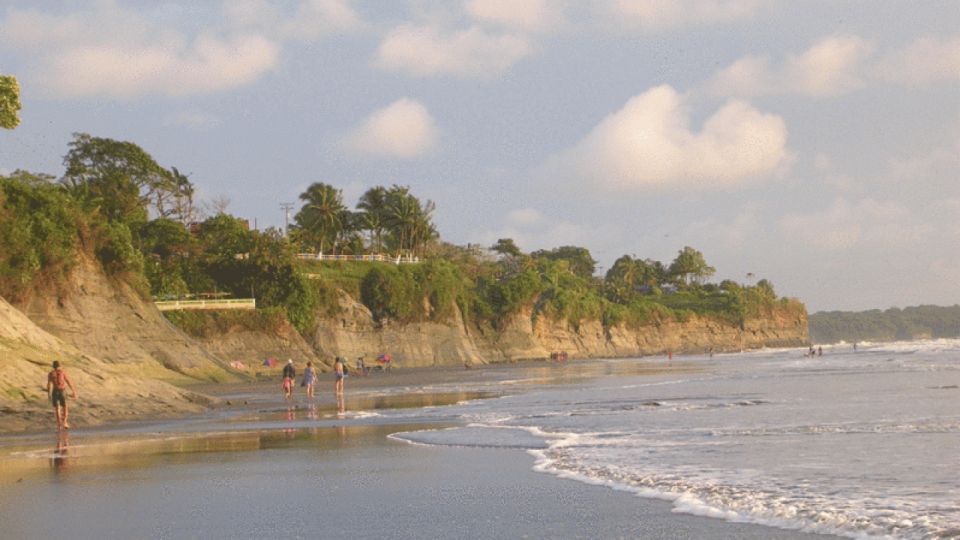
The heart of this day is whale watching from the Juanchaco area. You’re out with a skipper who shows you the areas where local whales are active, which is exactly what you want when you’re trying to see something as mobile as humpbacks.
Once you meet the whales, the day follows National Park regulations. That means your active viewing time is limited to 30 minutes. It sounds short until you realize why it’s there: it protects the animals and keeps human movement controlled. For you, it also sharpens attention. You don’t get distracted by long cruising. You watch, you track, and you try not to miss the moment.
This is where the trip earns its reputation. You’re aiming to see humpback whales, and the highlights specifically call out whale calves—mothers traveling with their babies is the big story here. If you get lucky, you might also see other marine life while you’re there. One booking note described brief dolphin sightings alongside whale time, which is a good reminder to keep your eyes moving, not fixed on one spot.
Weather can complicate visibility and comfort, but it doesn’t automatically end the day. The ocean keeps moving, and whales are still whales. Plan for wind and spray even if it’s not sunny, and you’ll enjoy the day more.
The 30 minutes that feel like the whole point
It’s tempting to think the big value is the boat. It isn’t. The big value is that regulated window when whales are near enough for real viewing.
So what should you do in those 30 minutes? Look for movement patterns, not just jumps. Watch for slow surface activity, then sudden changes in direction. If you’re using a camera, don’t spend the first five minutes searching menus. Get your settings simple and ready before the whales are close.
Also, keep your expectations grounded. Whale watching is wildlife viewing, not a guaranteed show. But when the skipper knows where whales are active, your odds improve fast. That’s the main reason this trip feels structured instead of random.
Juanchaco lunch and Viche: Pacific flavors after the whales
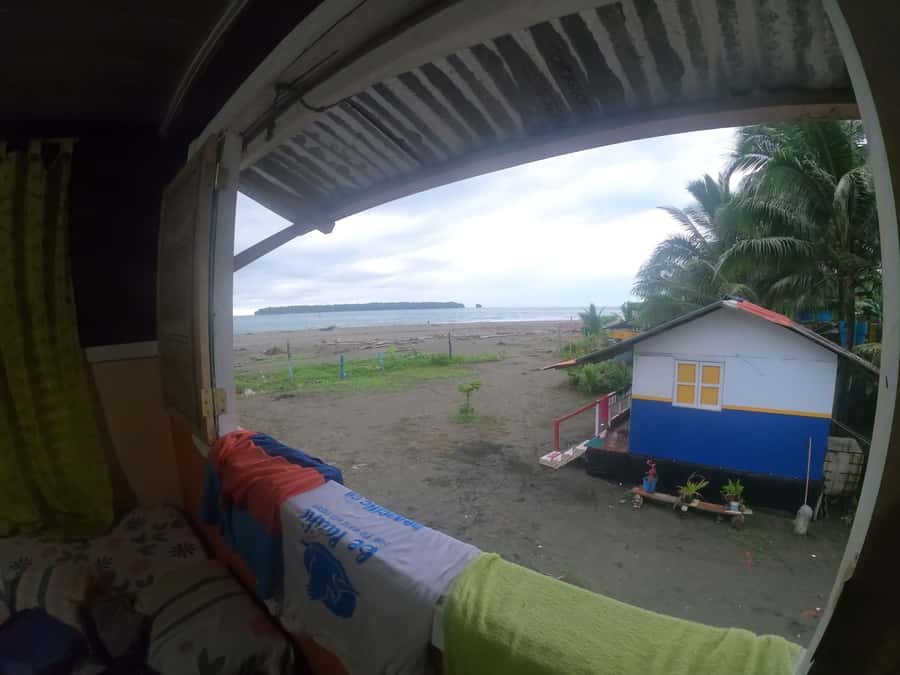
After whale time, you head back to Juanchaco for lunch (about one hour). This matters because it gives you a real break after boat time, sun, and constant scanning. It also shifts the day from nature-only to a mix of people and place.
Lunch is a traditional Pacific meal in Juanchaco, so you’re not stuck with a generic “tourist plate.” And tied into the cultural side, the experience includes the chance to enjoy and learn about Viche, a traditional drink from the Pacific region. It’s one of those food-and-drink moments that makes the day feel tied to the coast, not just the ocean.
Expect this to be the calmer stretch. You’re likely still near the water, but the pace slows enough to talk with your guide and get a feel for the community side of Juanchaco.
One practical tip: bring a change of clothes. Not because it’s fancy—because boat wind and sea spray can leave you damp. A fresh shirt at lunch turns the second half of the day into something you’ll actually enjoy.
The return to Cali: same roads, different mood
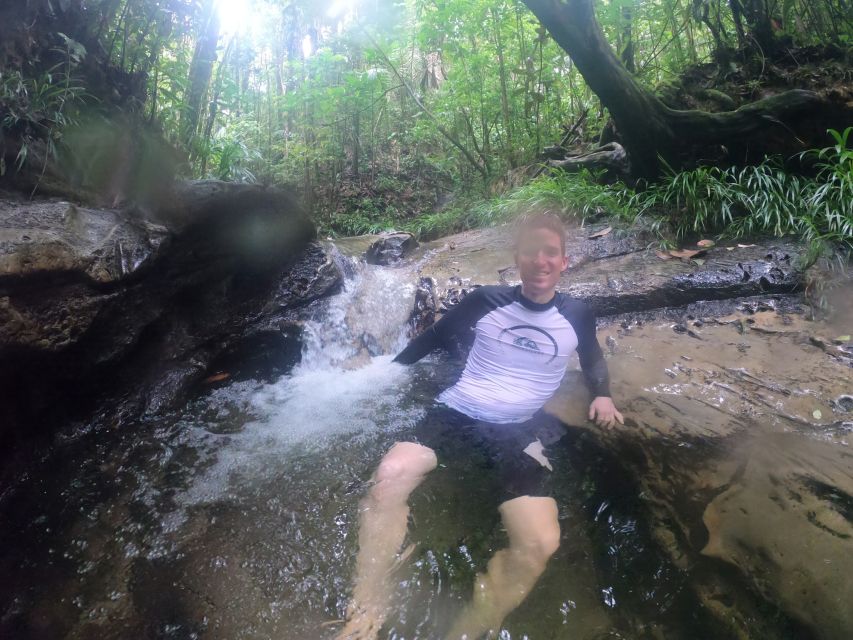
Around 4:00 PM, you take the boat back to Buenaventura. The return speedboat ride is about 1.5 hours, so it’s long enough to feel it in your body if you’re not used to wind and motion. Then the private van brings you back to Cali, arriving around 8:00 PM.
This back half is where you’ll appreciate having packed smart. You’ll be tired, sun-worn, and still thinking about what you saw. If you planned for comfort—towel, water, sunscreen, sunglasses—you’ll end the day with better memories instead of just fatigue.
Also, remember that your phone and camera are going to work hard. Wind and salt air are real. Wipe lenses when you can, and keep important items dry.
Price and what $500 buys you for this long day
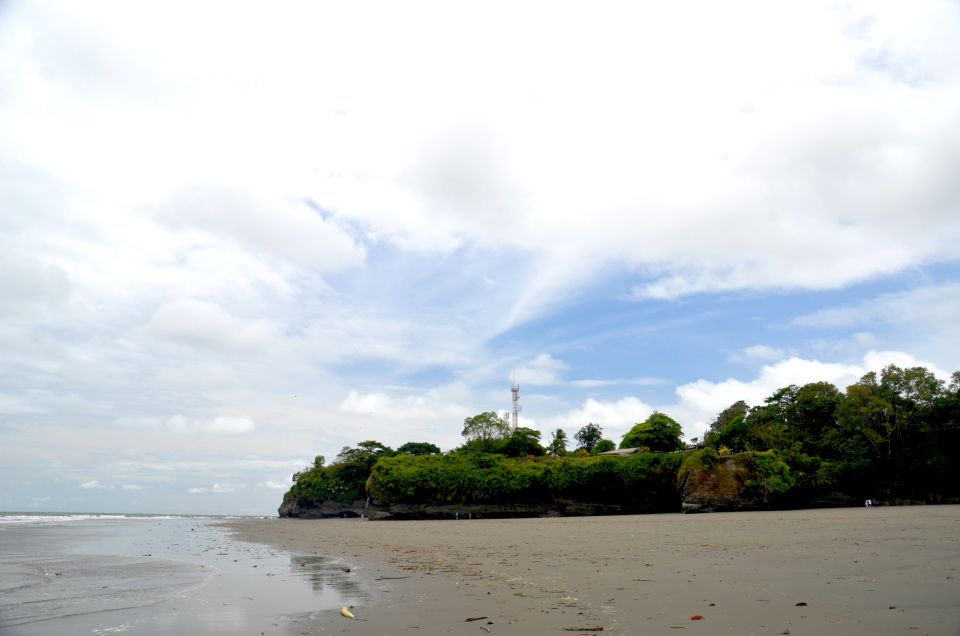
At $500 per person for a 16-hour day, this isn’t a cheap activity. So here’s how I’d judge value: you’re paying for transportation from Cali to the coast, speedboat service on both legs, whale watching guided time, and a traditional lunch—plus a medical assistance card.
The value gets stronger if you care about whale watching being guided by a skipper who actively finds where whales are active. If you were doing this on your own, you’d still need transport logistics, boat time, safety planning, and someone to interpret what you’re seeing out on the Pacific.
It’s also a small group (up to 15), which keeps the experience from feeling like cattle. I’d rather pay more for less chaos than save money and get stuck behind a dozen people trying to take photos.
One last thought: your day is weather-sensitive. When conditions don’t cooperate, the boat ride is still the boat ride, and the day still uses your hours. So it’s worth going in with a flexible mindset.
What to bring: your comfort kit for wind, sun, and spray
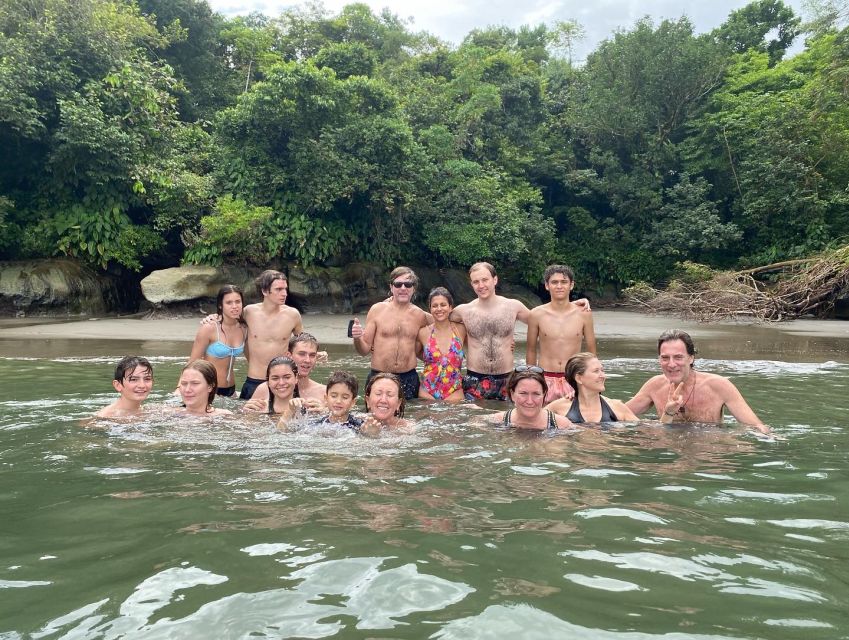
This trip asks you to be ready for the Pacific in a practical way. Bring a sun hat, sunscreen, and water, plus swimwear, a towel, and a change of clothes. Camera and hiking shoes are listed, which makes sense: you may move around on uneven areas near the coast.
Since this is a speedboat day, consider motion comfort too. Motion sickness isn’t on the “optional” list—people with motion sickness aren’t considered suitable for this activity—so if you’re unsure, don’t assume you’ll be fine.
You’ll also want a garbage bag. That links to an important eco rule: you can’t just toss stuff into the nearest trash can and walk away.
Eco rules you’ll notice before you even enter the water
There’s an Environmental Protection Zone expectation: you shouldn’t bring or consume products with disposable plastic packaging or objects, and any packaging or bottles you bring must be carried out. Plastic bottles are also specifically listed as not allowed.
That means you should think like a low-waste traveler. Keep your day simple: no extra snack wrappers if you can avoid it, and bring only what you can take back out.
And yes: no alcohol and drugs. The day runs on safety and wildlife rules, not party vibes.
Who this whale trip fits best (and who should skip it)
This isn’t for everyone. It’s not suitable for people with back problems, wheelchair users, people with motion sickness, or people over 95 years. That’s because of the long day, boat motion, and the physical parts of getting on and off transportation.
It’s a great fit if:
- you really want to see humpbacks (including calves) rather than just “be near the ocean”
- you enjoy guided structure with a skipper helping with whale spotting
- you want a day trip that mixes Pacific wildlife with local culture in Juanchaco
If you’re traveling with limited time in Colombia and you’re based in Cali, this is also one of the more direct ways to make the coast part of your itinerary without turning it into a multi-day logistics project.
Should you book this Cali to Buenaventura whale watching day trip?
I think you should book it if whales are your priority and you’re okay with a long, early start. The combination of speedboat time, skipper-led whale locating, regulated viewing time, and a real Juanchaco lunch with Viche makes this feel like a full-day event—not a quick photo stop.
Skip it if you get motion sick, have mobility or back issues, or you know you’ll struggle with wind-and-spray conditions. This day asks your body to keep up, even though the rewards are worth it when conditions cooperate.
If you do book, pack for the weather you’ll get, not the weather you hope for. With the right comfort kit and a calm mindset around wildlife timing, this is the kind of trip that leaves you talking about one moment at sea long after you’re back in Cali.
FAQ
Where do we meet for the trip from Cali?
You meet at the main entrance of the Hotel Intercontinental Cali. Your guide contacts you by message.
What time does the trip start and end?
Pickup is at 5:30 AM. You typically return to the hotel in Cali around 8:00 PM.
How long does the whale watching portion last?
Once you meet the whales, you spend about 30 minutes observing them following National Park regulations.
How many people are in the group?
The group is limited to 15 participants.
Is there a speedboat?
Yes. You take a speedboat from Buenaventura to Juanchaco and then back again.
What languages are spoken during the tour?
The live tour guide speaks Spanish and English.
What food and drinks are included?
Breakfast is provided on the way to the Pacific. Lunch is included in Juanchaco and there’s also a traditional Pacific drink called Viche.
What should I bring and what is not allowed?
Bring items like a sun hat, swimwear, change of clothes, towel, camera, hiking shoes, sunscreen, water, and a garbage bag. You should not bring luggage or large bags, alcohol or drugs, and plastic bottles. Disposable plastic rules also apply in the environmental protection zone.