REVIEW · BOGOTA
Bogota: Colombian Coffee Tasting
Book on GetYourGuide →Operated by MATUCA SAS · Bookable on GetYourGuide
Coffee and chemistry in the same room. This 2-hour Colombian Coffee Tasting at Cafe Matuca turns a basic drink into a hands-on lesson, complete with acidity and aroma tests. I love that you get a guided tasting plus a step-by-step look at how coffee becomes a cup, not just a quick sample.
I also like that the session blends learning with real food and drink moments, including coffee-made sweets and cookies, plus the chance to brew your own cup. One thing to plan for: there’s no hotel pickup or drop-off, so you’ll want to make it to the meeting point on time.
In This Review
- Key highlights you’ll actually care about
- Coffee and a Classroom Vibe: What This Tasting Really Feels Like
- Where You Start: Café Matuca, Second Floor, and Fast Access to Central Bogotá
- The First Hour’s Spine: Coffee History and the Real Steps Behind Production
- Acidity Test and Aroma Test: How You Learn to Taste Instead of Guess
- The acidity test
- The aroma test
- Brewing Techniques and the Coffee Styles You Taste Along the Way
- Coffee Made Into Snacks: Sweets and Cookies with a Purpose
- Brewing Your Own Cup: The Moment You Get to Be the Barista
- Language Options: English and Spanish Without the Usual Headaches
- Price and Value: Is $25 Worth Two Hours of Coffee Learning?
- Who This Tour Fits Best (And Who Might Skip It)
- Quick Practical Tips Before You Go
- Should You Book the Colombian Coffee Tasting at Cafe Matuca?
- FAQ
- How long is the Colombian Coffee Tasting at Café Matuca?
- Where is the meeting point?
- What is included in the price?
- Is hotel pickup or drop-off included?
- What do we do during the tasting?
- What languages are available for the tour?
- How much does it cost?
- Is free cancellation available?
- What rating does this experience have?
Key highlights you’ll actually care about
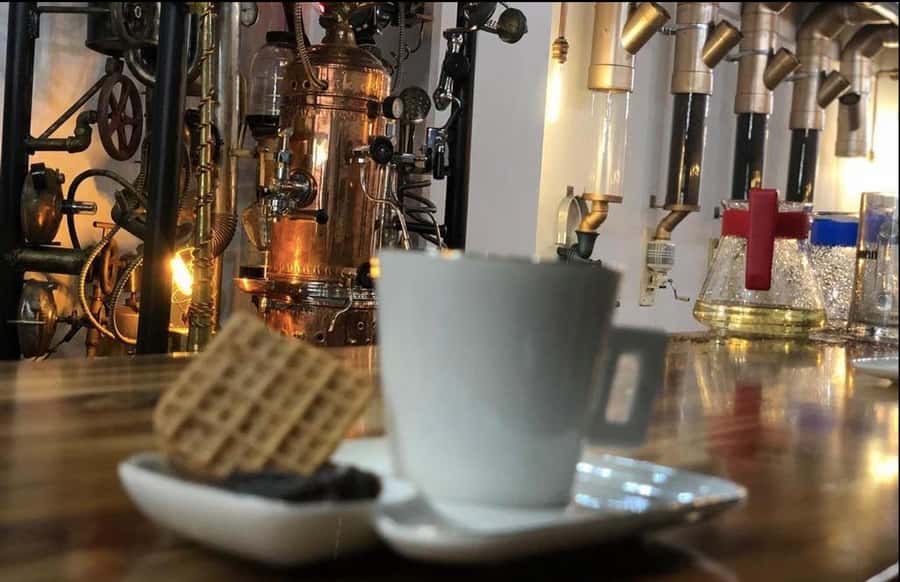
- Meet at Café Matuca (2nd floor) at Carrera 5 #16-42, right in central Bogotá
- Acidity test + aroma test to help you recognize flavors instead of guessing
- Guided tastings led by the cafe’s team, with English and Spanish options
- Coffee snacks like sweets and cookies made with coffee
- Brewing your own cup to put what you learned into practice
- Multiple coffee styles and brewing techniques covered during the tasting
Coffee and a Classroom Vibe: What This Tasting Really Feels Like
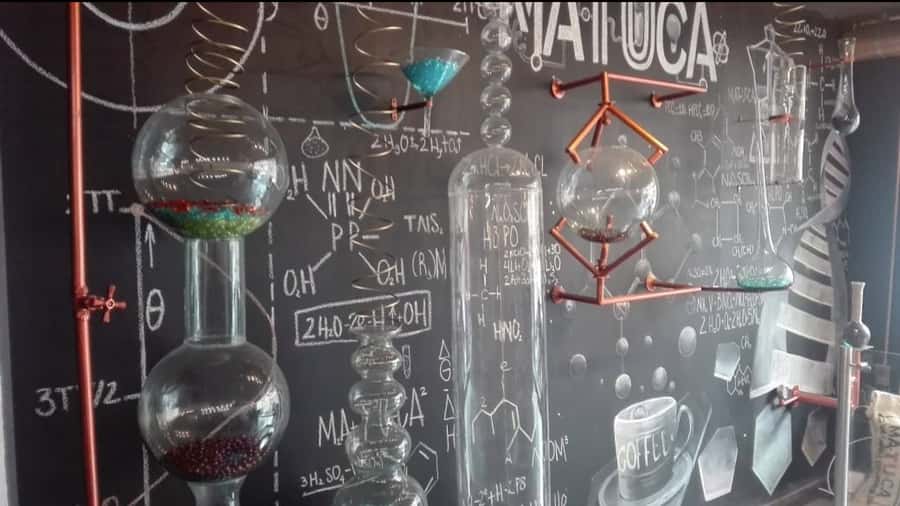
Bogotá gets a lot of attention for museums and viewpoints. This experience swaps some of that “big sight” time for something more intimate. You sit down with Colombian coffee and learn how to taste it like you mean it, step by step.
What makes it work is the structure. You don’t just drink coffee. You test it (acidity and aroma), you compare it, then you use brewing techniques to make your own cup. That’s a skill you can take home, not just a one-time souvenir.
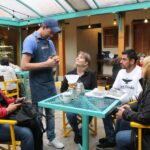
You’ll also get that “host energy” that makes small classes memorable. In several recent bookings, the cafe’s owner and guides—like Rene and other team members—are the ones leading the tastings, which keeps the tone friendly and practical.
You can also read our reviews of more food & drink experiences in Bogota
Where You Start: Café Matuca, Second Floor, and Fast Access to Central Bogotá
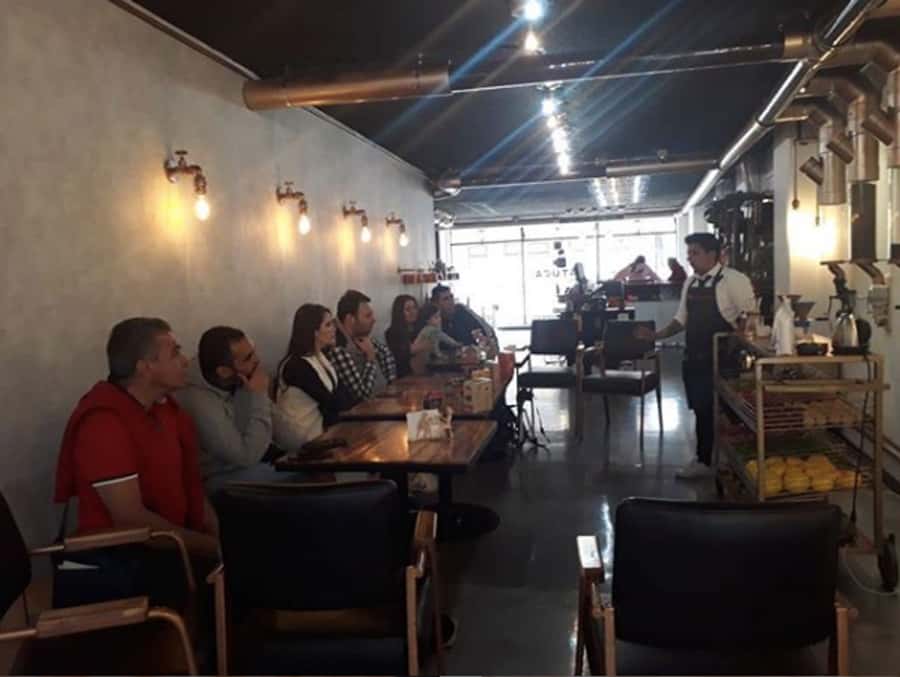
Your meeting point is Café Matuca, located at Carrera 5 #16-42 piso 2 (Second Floor), Bogotá 110321. Since there’s no hotel pickup, this part matters. Plan to arrive a few minutes early so you’re not rushing upstairs.
I like this location strategy: it’s central enough that you can pair the tasting with nearby sights. One easy pairing is the Museo del Oro, which is described as just a short walk from the cafe. If you want a low-effort day plan—museum, coffee lesson, then a meal—that kind of proximity helps.
If you’re the type who needs things to be calm and smooth, keep in mind that one review noted the surrounding area isn’t the prettiest. The takeaway is simple: use common sense, keep your timing tight, and focus on the cafe experience once you arrive.
The First Hour’s Spine: Coffee History and the Real Steps Behind Production
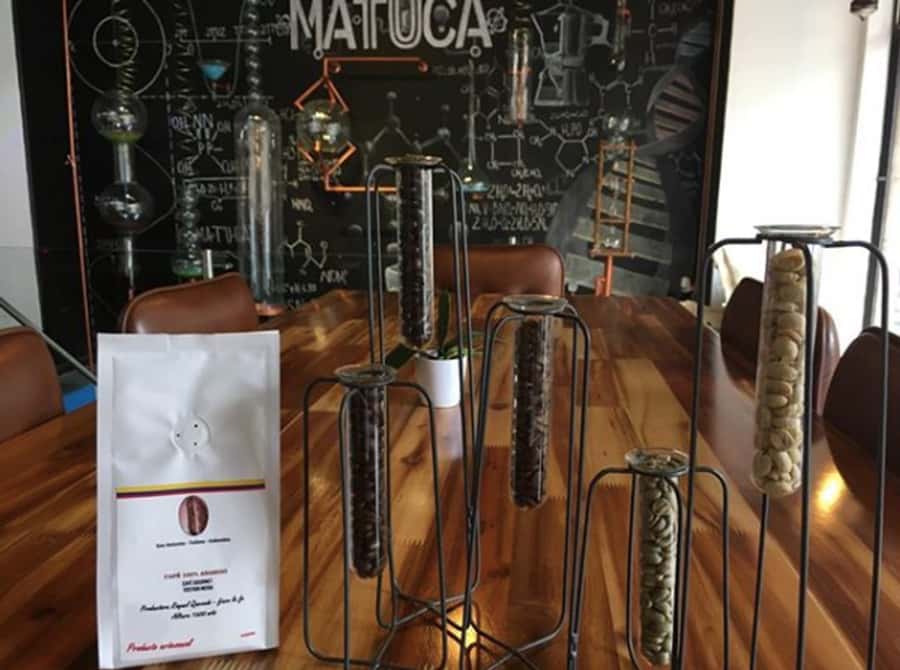
The tour begins with a welcome at the cafe and an intro to Colombian coffee. You’ll hear the background of coffee in Colombia—why it’s known worldwide for its balanced, rich, nutty-style profile—and then the lesson shifts from story to process.
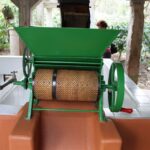
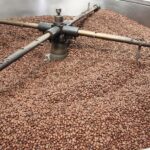
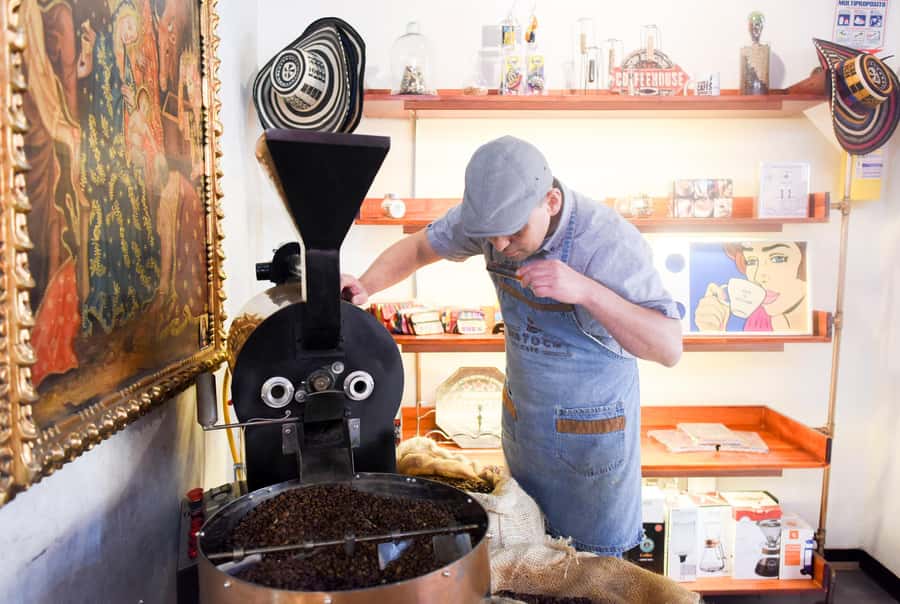
This is where you learn the various steps in producing coffee. Even without getting overly technical, the pacing helps you understand why coffee tastes the way it does. You start to see coffee as an agricultural product with decisions baked in: what happens before roasting, what roasting changes, and what brewing does at the end.
A good sign here: the guide-led format means you can ask questions and get direct answers in English or Spanish. In multiple bookings, guides are described as passionate and focused on explaining clearly, and that matters for a tasting course. If you leave still wondering what you just tasted, the session didn’t land.
Acidity Test and Aroma Test: How You Learn to Taste Instead of Guess
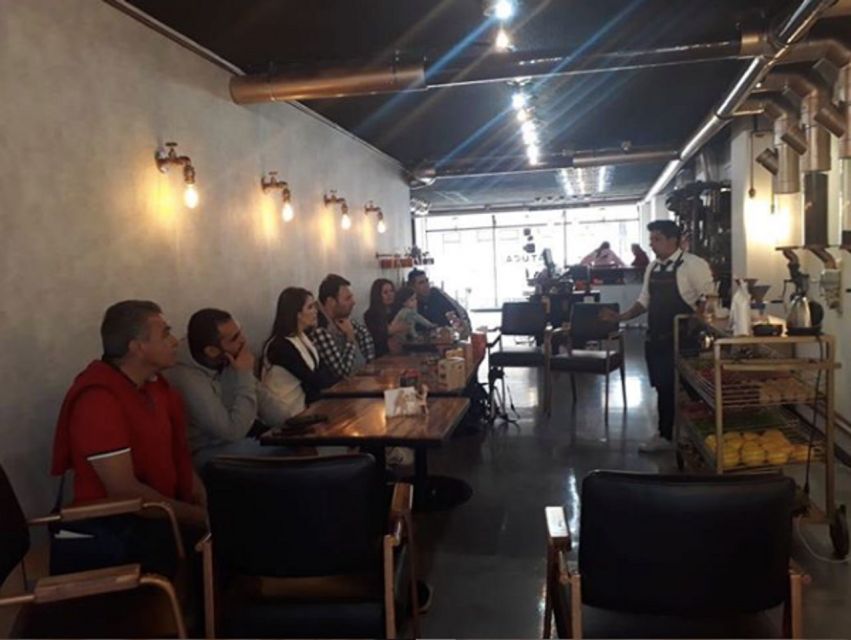
This tasting is built around two classic sensory checkpoints: acidity and aroma. And yes, you can learn to notice them, even if you think you’re not a coffee person.
The acidity test
You’ll do an acidity test during the session. The point isn’t to judge coffee like a sports ranking. It’s to help you recognize what acidity feels like in a cup—often described in terms like brightness or crispness rather than “good or bad.”
You can also read our reviews of more tours and experiences in Bogota
The aroma test
Next comes an aroma test. This is one of the best parts for first-timers because it gives you a method. Smell-first tasting slows you down. You notice notes that you might miss if you only sip and react.
Together, these tests train your senses. Afterward, you can approach coffee at cafés back home with less guessing. You’ll also understand why two coffees can be similar in color but totally different on the tongue.
Brewing Techniques and the Coffee Styles You Taste Along the Way
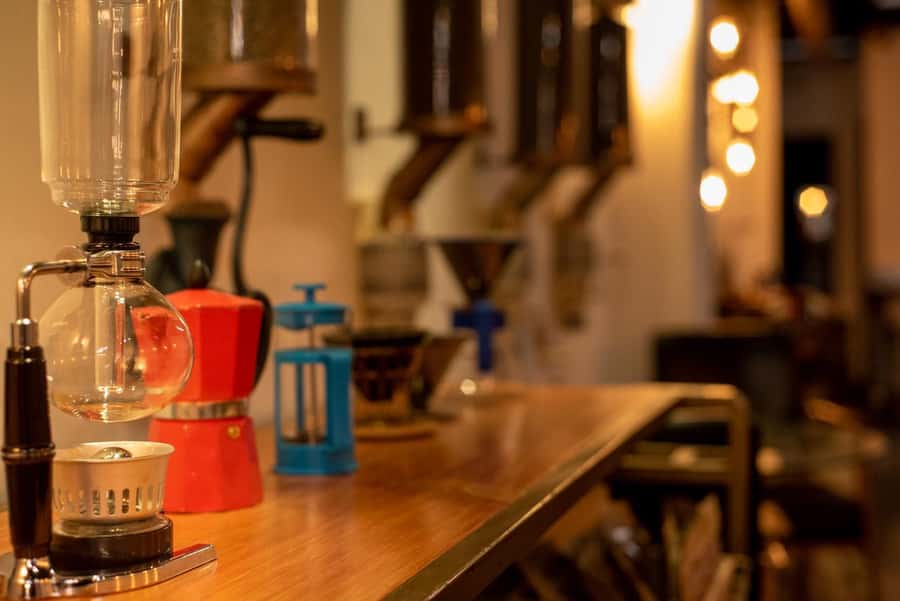
Between the sensory tests, the guide explains brewing techniques. This is practical knowledge. It’s also why the course feels more valuable than a simple sample tray.
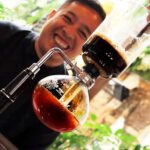
You’ll taste coffee while learning about how different brewing methods affect flavor. That helps you connect the dots: extraction, temperature, and contact time all change what makes it into your cup. No magic. Just choices that you can repeat.
Some tastings may include what Colombians call tintos, since that term shows up in participant experiences. If you’re curious about how locals order and experience coffee, this is where that context shows up naturally. It’s not taught like a trivia quiz.
Coffee Made Into Snacks: Sweets and Cookies with a Purpose
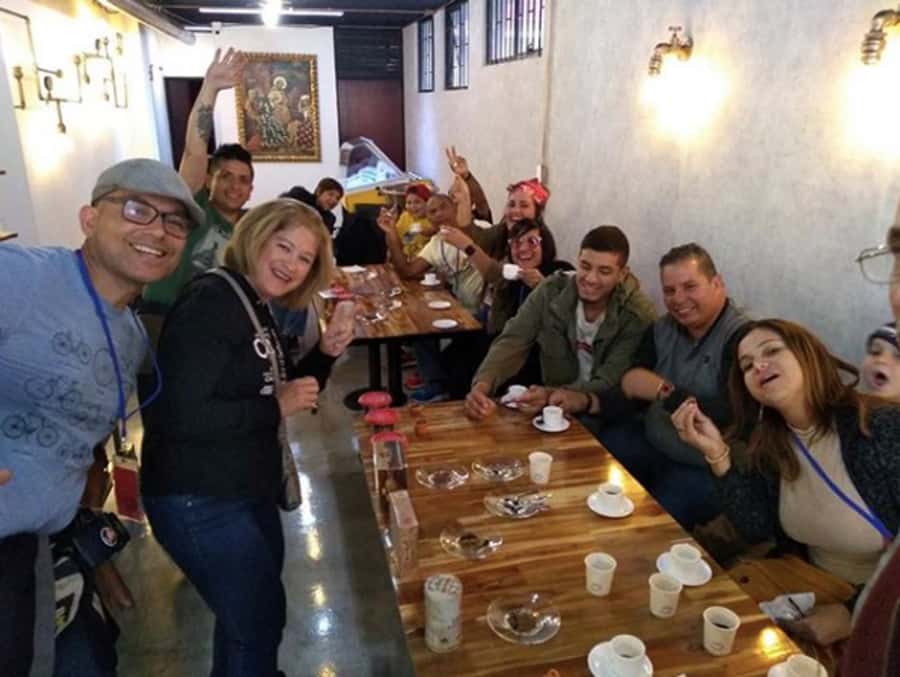
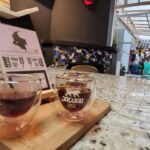
One included detail that makes this tour feel like a real experience is the food. The tasting includes sweets and cookies, plus additional products made with coffee.
This isn’t just to keep you from getting hungry. It shows you how coffee flavors work beyond the cup. Coffee can act like a flavor base—supporting chocolate notes, adding roasted depth, and contributing a bitter-sweet profile even when it’s baked into something else.
And because you’re tasting in a guided setting, the food lands better. You’re not eating first and hoping the lesson matches. You’re tasting while learning, so the snacks reinforce the flavor vocabulary you’re building.
Brewing Your Own Cup: The Moment You Get to Be the Barista
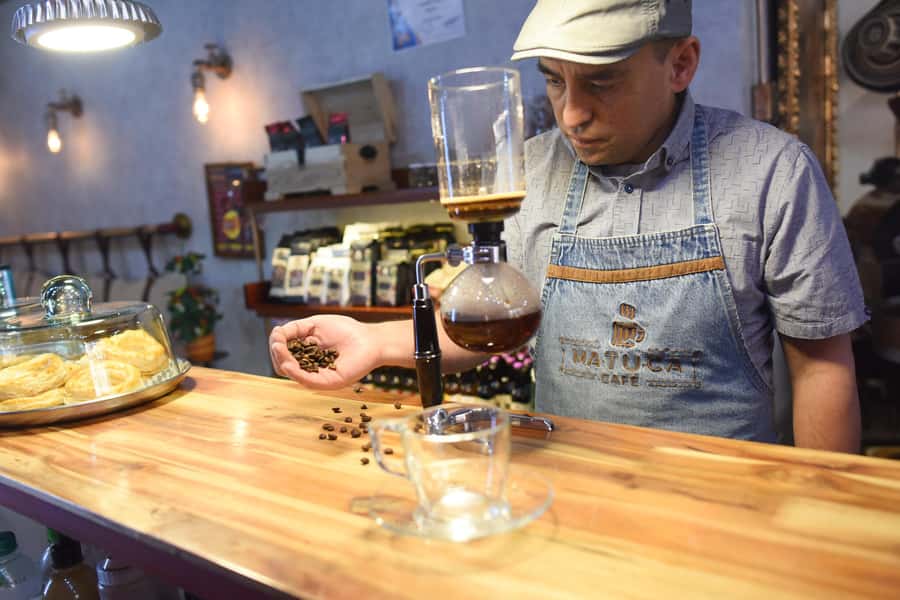
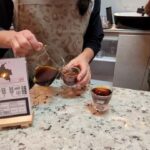
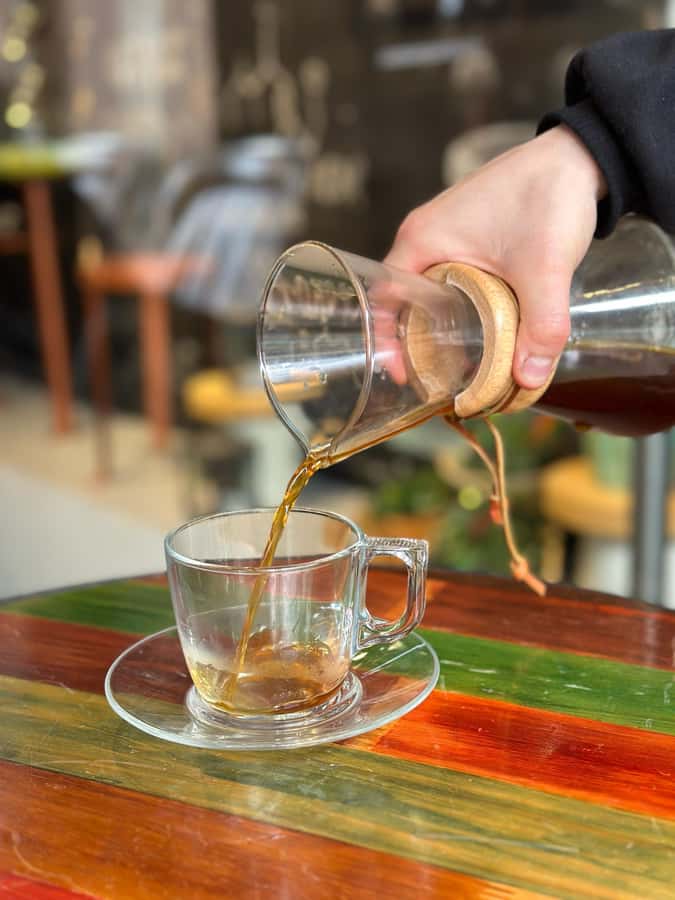
Near the end, you’ll brew and taste your own cup. This part is key. A lot of tasting experiences stay passive. This one pushes you into the final step.
You’ll use what you learned about brewing techniques and flavor recognition, and then you’ll taste your results. It’s the simplest test of all: does the knowledge turn into better control?
Even if your first attempt isn’t perfect, that’s not a problem. The value is in the feedback loop—taste, adjust, understand what you’re doing. You walk out knowing how to approach brewing again, not just how to talk about coffee.
Language Options: English and Spanish Without the Usual Headaches
This tour is offered with a Spanish and English tour guide. That matters because coffee vocabulary can get weird fast—especially words like acidity and aroma.
The good news from experiences shared with this cafe: when English is offered, it’s described as done well and in a way that still feels hands-on. You won’t feel like you’re watching a slideshow while everyone else understands what’s happening.
If you speak Spanish, the structure still benefits you. Coffee tasting isn’t only about language. It’s about process. You’ll be able to follow the steps even if your coffee terms are still growing.
Price and Value: Is $25 Worth Two Hours of Coffee Learning?
At $25 per person for a 2-hour guided experience, this is priced like a small workshop rather than a casual pour-and-go tasting. The included components are what make the math make sense: you’re getting coffee tasting, sweets and cookies, guided tastings, and the chance to brew your own cup.
It’s also fairly similar in spirit to wine tasting formats people already enjoy—sample, compare, learn the vocabulary, then make your own version at the end. One review even compared the experience to high-quality wine tasting in terms of structure and instruction.
The strongest value angle is this: you’re paying for instruction you can use again. If you want a coffee “crash course” that changes how you order and taste, this feels like a fair trade.
Who This Tour Fits Best (And Who Might Skip It)
This experience fits you if:
- You like learning through doing, not just listening.
- You’re curious about how Colombian coffee is built, from production steps to brewing.
- You enjoy tastings that use sensory tests, not just random sips.
You might skip it if:
- You want pure sightseeing time and feel no interest in tasting or brewing.
- You’re planning a super-tight schedule where getting to Carrera 5 #16-42, piso 2 will be stressful.
- You’re expecting a huge outdoor production or scenery-focused tour. This is a cafe-based workshop.
Quick Practical Tips Before You Go
- Arrive a few minutes early at Café Matuca (Second Floor) so you can start with less stress.
- Come with curiosity, not pre-judgment. The point is learning how to taste differences.
- If you’re pairing your day, consider combining it with Museo del Oro nearby, since the walk is described as very short.
- Plan to head out on your own after; hotel pickup is not included, so your transportation plan matters.
Should You Book the Colombian Coffee Tasting at Cafe Matuca?
If you like coffee and you want more than a casual sample, I’d book it. The mix of guided tastings, sensory training (acidity and aroma), coffee snacks, and the chance to brew your own cup makes it feel like a proper workshop, not a quick stop.
It’s also a smart buy for Bogotá days when you want something central and easy to schedule. The only real reason to hesitate is logistics: no pickup means you’ll handle your own timing and arrival.
If you want a two-hour experience that teaches you how to taste, what to notice, and how to recreate a good cup, this one earns its place on your Bogotá list.
FAQ
How long is the Colombian Coffee Tasting at Café Matuca?
The experience lasts 2 hours.
Where is the meeting point?
Meet at Café Matuca, located at Carrera 5 #16-42 piso 2, Bogotá 110321 (Second Floor).
What is included in the price?
Included are the coffee tasting, sweets and cookies, and an English and Spanish-speaking tour guide.
Is hotel pickup or drop-off included?
No. Hotel pickup and drop-off are not included, so you’ll make your own way to the meeting point.
What do we do during the tasting?
You’ll learn the coffee production steps, do acidity and aroma tests, hear about different brewing techniques, try coffee-based products, and then brew and taste your own coffee.
What languages are available for the tour?
The tour guide speaks Spanish and English.
How much does it cost?
The price is $25 per person.
Is free cancellation available?
Yes. You can cancel up to 24 hours in advance for a full refund.
What rating does this experience have?
It has a rating of 4.8 based on 92 reviews.