REVIEW · BUENOS AIRES
Buenos Aires: Montserrat, San Telmo, La Boca, and Puerto …
Book on GetYourGuide →Operated by VIP TOURS BA · Bookable on GetYourGuide
Old streets, big characters, and a few surprises—this 4-hour Buenos Aires route connects the city’s earliest neighborhoods to its modern edge. You start in Montserrat near Plaza de Mayo, then move through San Telmo and La Boca, and finish in Puerto Madero at the striking Puente de la Mujer.
What I like most is the way the walk turns history into something you can picture: oldest places (bookstore, church, pharmacy), tiny architecture details, and the kind of street legends you’ll actually remember. I also love the mix of culture and landmarks—football at Boca Juniors Stadium, tango vibes at Caminito, and then Santiago Calatrava’s futuristic bridge.
One consideration: this is a walking-focused experience and it’s not suitable for wheelchair users, so plan for steady walking time and wear comfortable shoes.
In This Review
- Key highlights you’ll feel on the ground
- Montserrat to Puerto Madero in 4 hours: how this route works
- Starting at Catedral Metropolitana and stepping into Plaza de Mayo’s pulse
- Avenida de Mayo, Calle Defensa, and the oldest bookstore-church-pharmacy combo
- San Telmo: Mafalda, Plaza Dorrego, and the city’s storyteller streets
- La Boca: Caminito color, Boca Juniors energy, and tango’s street footprint
- Puerto Madero: Puente de la Mujer’s Calatrava design and waterfront history
- Price and value: does $100 for 4 hours make sense?
- What to wear, how to pace, and what to bring so the tour feels good
- Who this tour is perfect for (and who should skip it)
- Book it or plan your own day?
- FAQ
- How long is the Buenos Aires Montserrat, San Telmo, La Boca, and Puerto Madero tour?
- Where does the tour start?
- Which languages are available for the live guide?
- Are meals included in the tour price?
- Does the tour include Café Tortoni?
- Is this tour suitable for wheelchair users?
Key highlights you’ll feel on the ground
- Oldest Buenos Aires stops: bookstore, church, and pharmacy in Montserrat, plus early building history
- Story-driven San Telmo: sailors, immigrants, slaves, and urban legends tied to the streets
- Iconic football and tango scenery: Boca Juniors Stadium and Caminito’s colorful atmosphere
- Photo-ready Puerto Madero design: Puente de la Mujer by Santiago Calatrava
- Waterfront history around modern skyline: frigate Sarmiento and corvette Uruguay near the promenade
- Nature near the city center: a visit to Costanera Sur Ecological Reserve
Montserrat to Puerto Madero in 4 hours: how this route works
Buenos Aires can feel huge when you’re first there. This tour is designed to give you structure fast: you move neighborhood to neighborhood, with short transfers, then spend meaningful time walking and looking at what’s around you. It’s the kind of schedule that keeps you from feeling like you’re just hopping between photo stops.
You’ll also get a live guide in English, Spanish, or Portuguese. In particular, the guide Alejandra stands out for being friendly and very knowledgeable, and the care shown by Sebastian is mentioned as helping keep the tour enjoyable and smooth. Even if you’re not a “history person,” that human element matters—you’ll catch details you would miss on your own.
The tour focuses on the oldest parts of the city first, then balances that with modern Buenos Aires at the end. That change of scenery is one of the best parts: you’ll see how the city’s identity keeps updating without losing its soul.
You can also read our reviews of more tours and experiences in Buenos Aires.

Starting at Catedral Metropolitana and stepping into Plaza de Mayo’s pulse
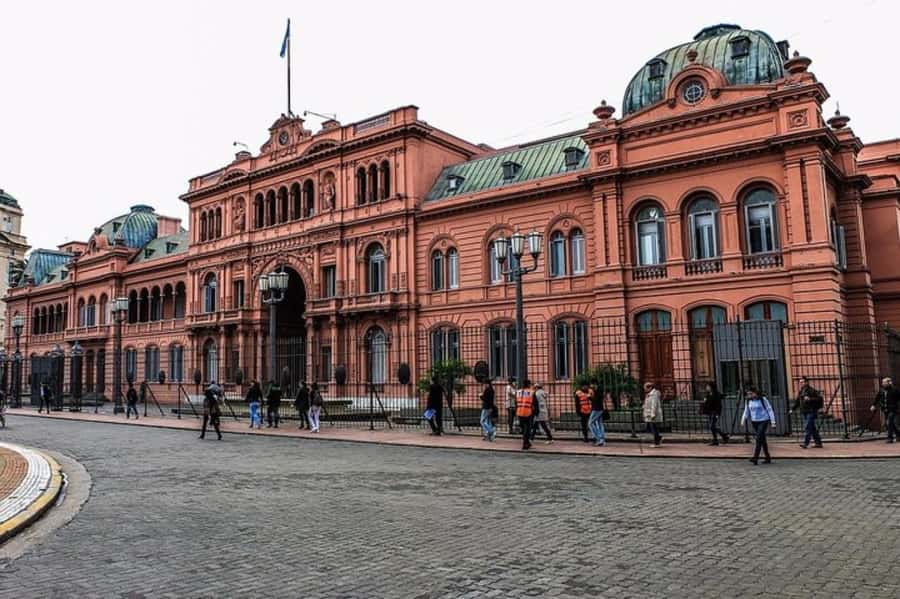
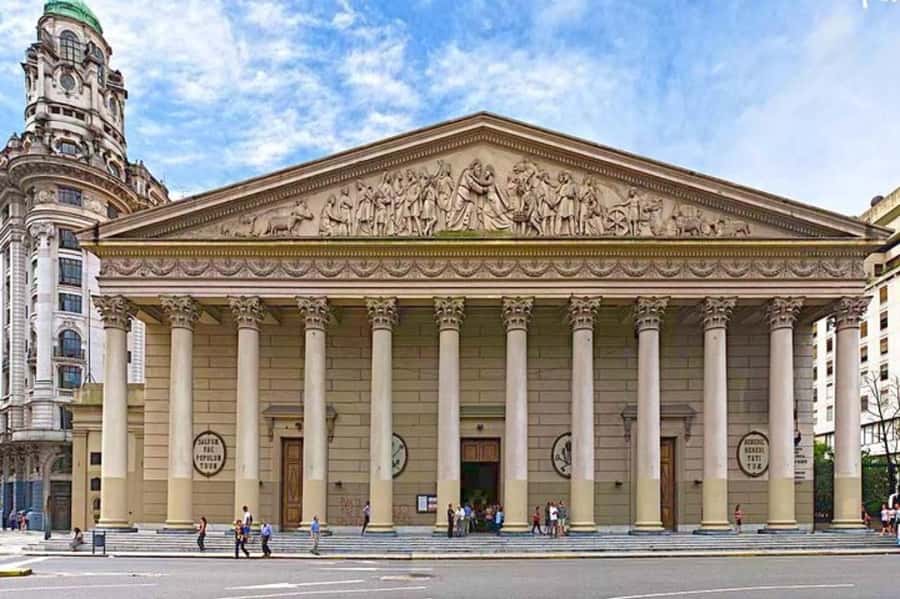
You begin near Catedral Metropolitana de Buenos Aires, which immediately sets the tone for central Buenos Aires. From there, you move into Plaza de Mayo, described as the city’s oldest and pulsing heart. This is one of those places where the buildings do half the talking—there’s always something to notice.
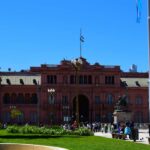
Around the plaza you’ll see major power landmarks: the Casa Rosada (Executive Office), the Cabildo, and the Metropolitan Cathedral. Ministries are part of the view too, including Economy and Defense. If you like understanding how cities work, this is a great first lesson in Buenos Aires: power, religion, and government all crowd close together here.
Next comes the sense of momentum. At the western end of Plaza de Mayo starts Avenida de Mayo, the first boulevard in the city and the first avenue in South America. The guide’s job is to help you connect dots—this avenue isn’t random. It links big institutions, including the National Congress and Casa Rosada.
And yes, there’s a coffee stop worth knowing about: Café Tortoni, often mentioned as the oldest café in Argentina and South America. Your visit depends on availability, but even knowing it’s in the story helps you understand why locals and regulars treat this place like a landmark, not a café.
Avenida de Mayo, Calle Defensa, and the oldest bookstore-church-pharmacy combo
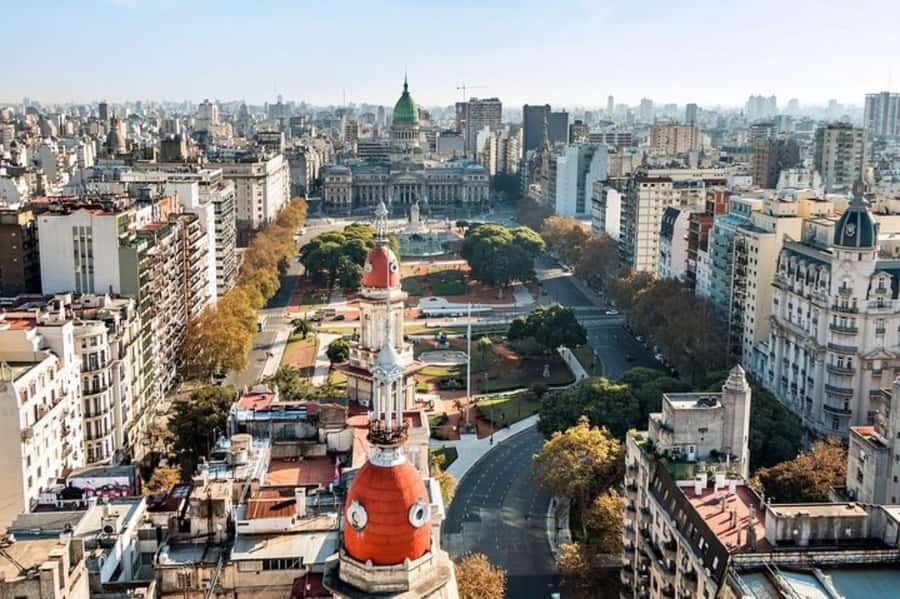
Montserrat is where you start seeing the layers. After Plaza de Mayo and the grand avenues, you’ll walk through Calle Defensa, a street known for its historic atmosphere. This is where the tour shifts from major monuments to the kind of everyday heritage that makes a city feel lived-in.
The big “wow” in Montserrat is visiting Buenos Aires’ oldest bookstore, church, and pharmacy. That trio is unusual, and it’s a smart way to learn history without turning it into a museum lecture. A bookstore tells you about ideas. A church tells you about community and ritual. A pharmacy tells you about daily life—health, care, and how people handled routine needs long ago.
You’ll also see the first two-story building in the city. That detail matters because it marks a change in how space was used and how ambition showed up in construction. It’s the kind of “small” fact that makes the city’s growth feel real, not abstract.
One practical note: Montserrat streets can include uneven sidewalks and plenty of walking. The tour emphasizes comfort for a reason. If you pace yourself and keep your attention on what the guide points out, you’ll likely find these historic corners more rewarding than you expected.
San Telmo: Mafalda, Plaza Dorrego, and the city’s storyteller streets
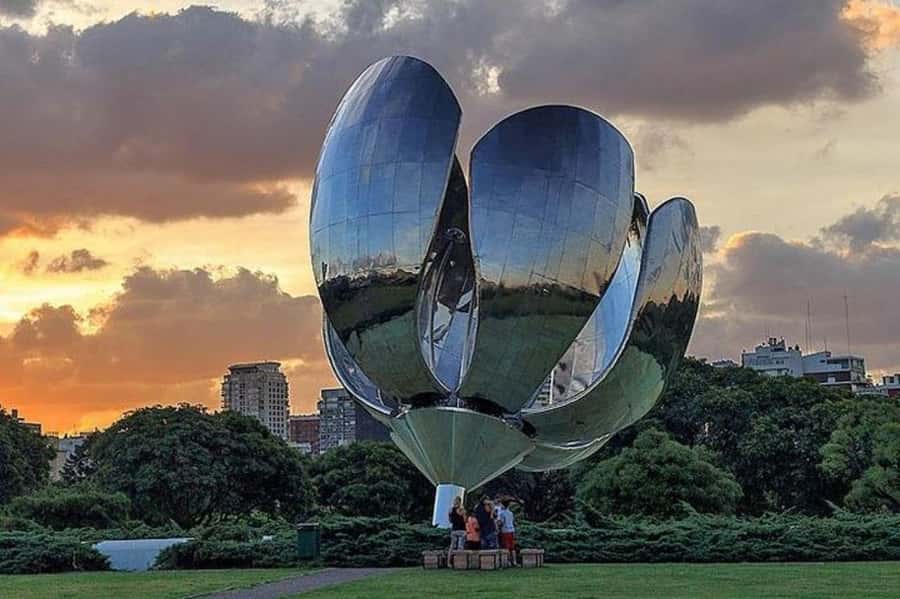
When you shift into San Telmo, the vibe changes. This neighborhood is described as the city’s second oldest, and it has that classic Buenos Aires feel: character, patios, and streets that seem built for lingering.
You’ll spend time on Calle Defensa, which is where the tour plays a fun contrast game. One moment you’re looking at cultural landmarks, and the next you’re noticing pop icons. The statue of Mafalda is one of those stops. It’s a playful detail, but it also signals something deeper: Argentine culture doesn’t live only in big museums.
Another standout is the small-scale architecture moments, including the smallest house in the city. It’s hard not to smile at that. These kinds of details are what make older neighborhoods feel human. You start thinking about the lives that had to fit inside these spaces—how people lived with limited room.
The guide also shares tales tied to the streets: sailors and immigrants, along with stories that involve slaves and other urban legends. The point isn’t just the drama. It’s context—San Telmo became a crossroads, and those movements shaped the city’s neighborhoods, language, and traditions.
A major stop here is San Telmo Market, inaugurated in 1897. You’ll see how it evolved into a lively hub with antique shops, small restaurants, and traditional fruit and vegetable stalls. Even if you don’t plan to shop, this is worth it for atmosphere. It’s one of the best places on the route to sense everyday Buenos Aires commerce.
Before you head farther into the neighborhood, you’ll visit Plaza Dorrego, described as the second oldest square. Nearby you’ll also see Ezeiza’s house. And for photos, the French Passage is a strong visual pause. It’s the kind of spot where the city looks cinematic without trying too hard.
The tour notes that this area is also ideal for enjoying a meal, though meals aren’t included. If you want lunch, plan for it around this part of the day. It’s an easier time to eat because you’ll be calmer and there’s more “street-life” energy around you.
La Boca: Caminito color, Boca Juniors energy, and tango’s street footprint
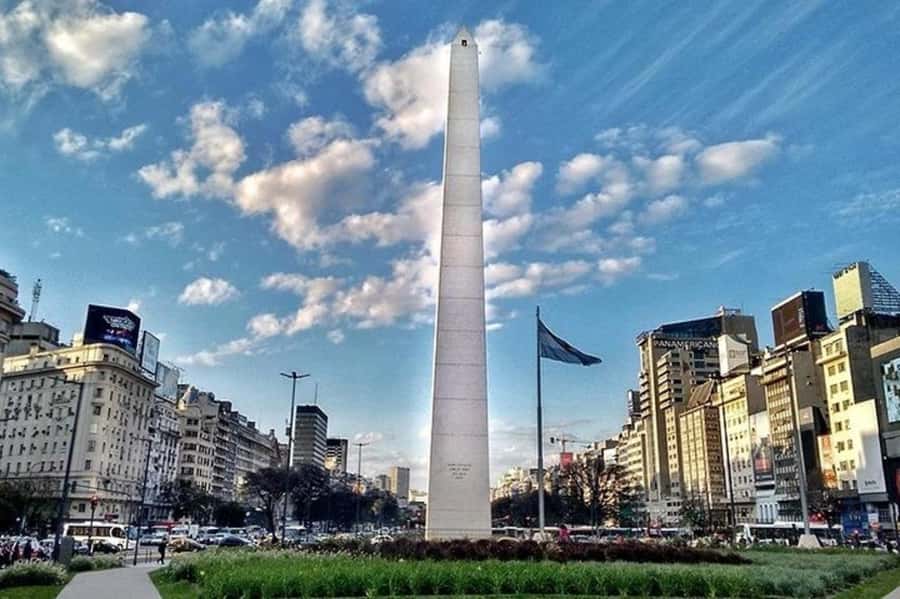
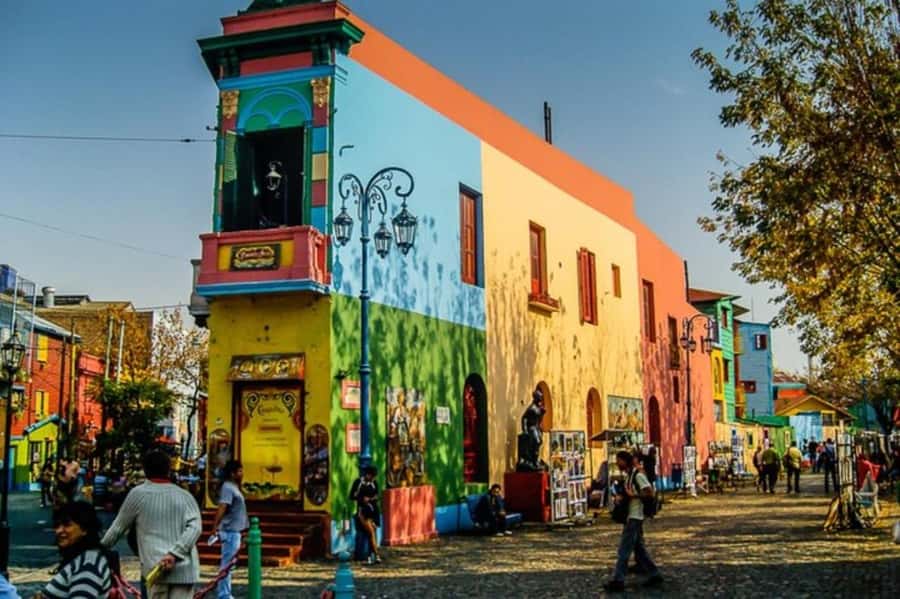
Then you’re off to La Boca, and the atmosphere changes again. This neighborhood is famous for Caminito, an open-air street known like a small outdoor museum. It’s colorful, loud in the best way, and it moves you toward the idea of Buenos Aires as performance.
A key anchor here is Boca Juniors Stadium. If you have any interest in football culture, this stop gives meaning to the neighborhood. Boca isn’t just scenery; it’s identity. Standing near that stadium area helps you understand why the rest of La Boca feels so passionate and loyal.
From there, you walk through Caminito street and take in the street scenes and souvenirs. This is also where the tour highlights tango connections—La Boca is described as the birthplace of tango. You may even spot tango dancers in traditional restaurants, depending on what’s happening when you arrive.
A quick tip: Caminito can be busy and full of photo opportunities. If you’re chasing the best photos, time your shots and don’t rush. Look for moments where background textures (painted walls, doors, stairs) do the work instead of only aiming for people shots.
La Boca is the stop where you’ll likely buy a souvenir just because it’s hard not to. If you do, keep it simple—this is a shorter tour day, and you still have Puerto Madero at the end.

Puerto Madero: Puente de la Mujer’s Calatrava design and waterfront history
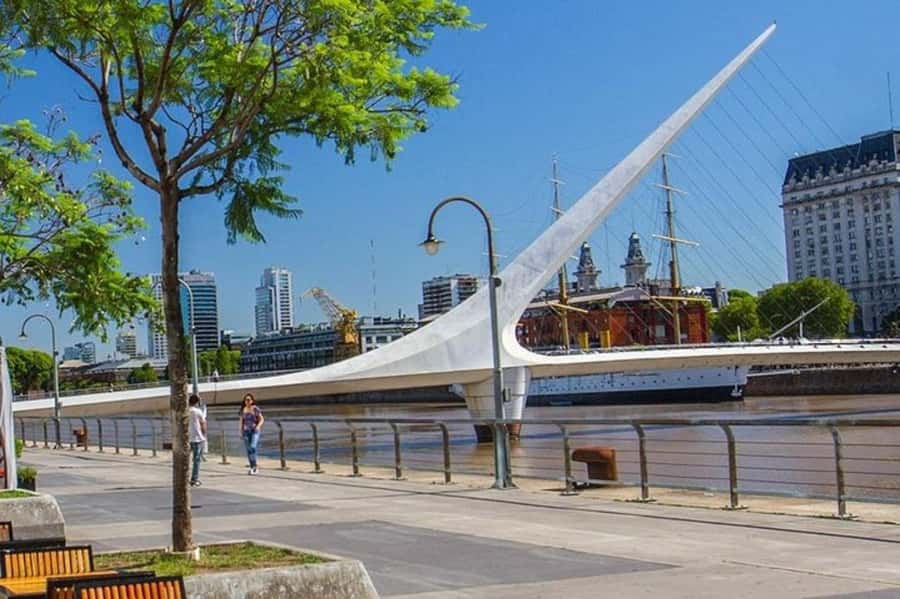
The finishing move takes you into Puerto Madero, a district that looks like Buenos Aires got serious about the future. You’ll see towering skyscrapers changing the skyline, plus a riverside promenade full of bars and restaurants.
This is where the tour hits a strong “architecture moment”: Puente de la Mujer, designed by renowned architect Santiago Calatrava. It’s the kind of structure that makes you tilt your head without trying. Even if you’re not an architecture person, it reads instantly as modern design made for photographs.
The tour also includes historical waterfront treasures around this area, including the frigate Sarmiento and the corvette Uruguay. That’s a nice contrast: the skyline looks new, but the ships remind you the port story is older. If you like blending “what happened here” with “what’s happening now,” this part works well.
One more element in the highlights is Costanera Sur Ecological Reserve, a natural space near the city center. Depending on how the day is paced, this can be a calming reset after denser neighborhoods. Even a short visit changes your perspective—you get a break from buildings and street noise.
If you’re the kind of traveler who likes endings that feel memorable, Puerto Madero does that job. You finish with a view, a landmark, and a sense that the city keeps reinventing itself.
Price and value: does $100 for 4 hours make sense?
At $100 per person for about 4 hours, this tour is priced for convenience and interpretation. You’re not just moving between neighborhoods; you’re getting a live guide connecting places like Plaza de Mayo, San Telmo Market, Boca Juniors Stadium, and Puente de la Mujer into one coherent story.
The value comes from three things:
- You get guided context at multiple landmark levels, not only streets.
- You spend time in high-density areas where navigation and interpretation can slow you down if you’re doing it alone.
- The route includes a mix of top sights and texture stops—Caminito, Plaza Dorrego, the San Telmo Market atmosphere, and the Calatrava bridge.
Your main “cost” is time on your feet. There’s also a small uncertainty: Café Tortoni visit depends on availability. That’s not a dealbreaker, but it’s good to know so you don’t plan your day assuming a specific café stop will definitely happen.
If you’re a first-time visitor, $100 for a focused orientation run can be a smart use of time. If you already know Buenos Aires deeply and want more free wandering, you may find you can replicate parts of the route on your own cheaper. But you’d lose the guided storytelling that makes the older neighborhoods click.
What to wear, how to pace, and what to bring so the tour feels good
This tour is best with comfortable shoes. You’ll be walking through multiple neighborhoods, and some streets may not be smooth. Plan a pace where you stop only when your guide stops you—otherwise you can accidentally turn it into a longer day.
Weather matters. The tour encourages checking the forecast and dressing appropriately. Buenos Aires can go from fine to uncomfortable fast, especially with sun and wind, so bring a layer and protect yourself from weather if needed.
Meals aren’t included, so think about eating either before the tour or around the San Telmo / Plaza Dorrego area where you’ll have the best chance to grab something close. Drinks are also not included, so bring water if the day looks warm.
Also, keep expectations realistic: you’ll see a lot, but it’s a short window. This isn’t the kind of experience where you linger all day in one place. Instead, it gives you a well-built highlight path—and then you can choose what to revisit after.
Who this tour is perfect for (and who should skip it)
This one fits you if you want:
- A fast way to understand how Buenos Aires neighborhoods evolved
- A strong blend of history + pop culture + football + design
- A guided day where details are explained, not left for you to piece together
It’s especially strong for people who love architectural landmarks and recognizable city icons like Puente de la Mujer and the Boca Juniors surroundings. Even if you’re not into tango, La Boca gives you that cultural atmosphere in a way that’s easy to experience on foot.
I’d think twice if you need wheelchair accessibility, since the tour is not suitable for wheelchair users. Also, if you absolutely hate walking or crowded streets, the density of San Telmo and La Boca may not feel relaxing.
Book it or plan your own day?
If you’re short on time and you want a guided route that moves logically from oldest Buenos Aires to modern waterfront Buenos Aires, this is a very solid choice. The guide experience seems to be a big part of why it works—Alejandra in particular is praised for being friendly and highly capable, and Sebastian is noted for making sure the tour stays enjoyable.
I’d recommend booking this if you want a first look that feels guided but not overwhelming. After the tour, you’ll know exactly where you’d want to return—whether that’s deeper into San Telmo Market energy, a longer stop in La Boca, or more time around Puerto Madero’s waterfront sights.
FAQ
How long is the Buenos Aires Montserrat, San Telmo, La Boca, and Puerto Madero tour?
The tour lasts 4 hours.
Where does the tour start?
It starts at the Catedral Metropolitana de Buenos Aires.
Which languages are available for the live guide?
The live tour guide is available in English, Spanish, and Portuguese.
Are meals included in the tour price?
No. Meals and drinks are not included.
Does the tour include Café Tortoni?
Café Tortoni is included subject to availability.
Is this tour suitable for wheelchair users?
No, it is not suitable for wheelchair users.