REVIEW · SALENTO COLOMBIA
Coffee Tour at Finca El Ocaso Salento: Traditional Spanish Farm
Book on GetYourGuide →Operated by FINCA EL OCASO SALENTO · Bookable on GetYourGuide
One sentence hooking you: Coffee here is grown, processed, and explained.
I love the way this tour turns coffee from a drink into a working farm reality, with hands-on stops like the gardens and plantations. I also like the clear step-by-step look at processing, from the mill’s drying methods to roasting and brewing. The only real catch: you’re headed to a rural farm where the road isn’t fully paved, so plan for uneven ground and arrive ready for dirt-road conditions.
If you’re a true coffee nerd or you just want to understand why one cup tastes like a hug and another tastes like regret, this is a great fit. You’ll spend 90 minutes with a Spanish-speaking guide, plus a tasting, all on a traditional Spanish-farm style setup. Just remember: this tour doesn’t include food or transport, so you’ll want to handle those pieces before you go.
In This Review
- Key things you’ll notice at Finca El Ocaso
- Coffee farm tour vibes in Tolima: what you’re really paying for
- Getting there: the simple logistics that save your day
- First stop: coffee history and the species that shape flavor
- Walking the gardens and plantations: from planting to harvesting
- Composting station and crop fertilization: sustainability in real steps
- Sustainability, fauna, and flora: the part coffee lovers tend to forget
- Inside the mill: hopper, pulper, and drying methods that change everything
- Roasting and quality: why roast style is not just a preference
- Brewing the traditional way: cloth strainer coffee in a pot
- Guides and tone: teaching plus a relaxed rhythm
- Price and value: is $19 actually fair for 90 minutes?
- What’s not included: the small planning gaps
- Who should book this coffee tour in Salento
- Should you book Coffee Tour at Finca El Ocaso Salento?
- FAQ
- How long is the Coffee Tour at Finca El Ocaso Salento?
- Where is the meeting point?
- Is transportation included in the ticket price?
- What language is the tour guide?
- What is included in the tour experience?
- Is food included?
- Is a tasting included?
- Does the tour cancel if it rains?
- What should I bring?
- Are alcohol or drugs allowed?
Key things you’ll notice at Finca El Ocaso
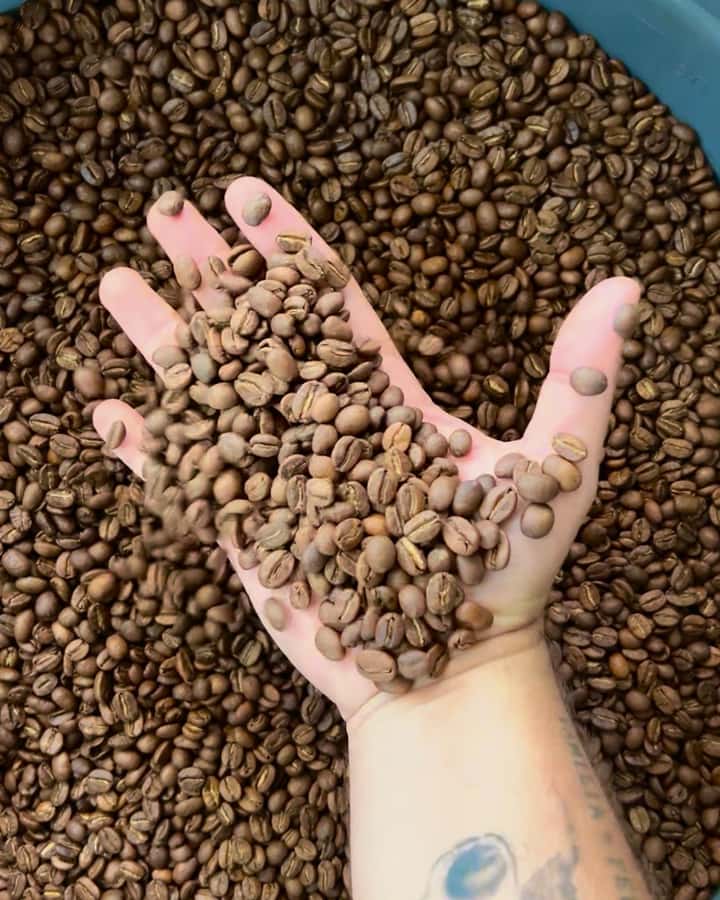
- Farm-to-cup processing explained with a walk through the mill stages
- Sustainability focus tied to composting, soil care, and local life
- Traditional brewing using a cloth strainer and a pot
- Roasting lessons that connect roast style to coffee quality
- Tasting included, so you can connect ideas to flavor fast
Coffee farm tour vibes in Tolima: what you’re really paying for
At $19 per person for a 90-minute tour, you’re paying for something more useful than a photo stop: you’re paying for a full workflow lesson. You get the story of coffee, the living work of growing it, and the hands-on stages where green beans become drinkable coffee.
The biggest value is that the tour isn’t just “coffee facts.” It’s about how choices matter. Where coffee is planted, how it’s fed, how it dries, and how it gets roasted all show up later in your cup. If you care about flavor, this is where it clicks.
And yes, it’s a real farm in the rural area of Salento, so expect boots-on-ground travel. One of the local details that matters: the road to the farm isn’t completely paved, so it’s not ideal for low cars. You’ll be walking on uneven ground, moving between garden areas, and spending time outdoors.
You can also read our reviews of more tours and experiences in Salento Colombia
Getting there: the simple logistics that save your day
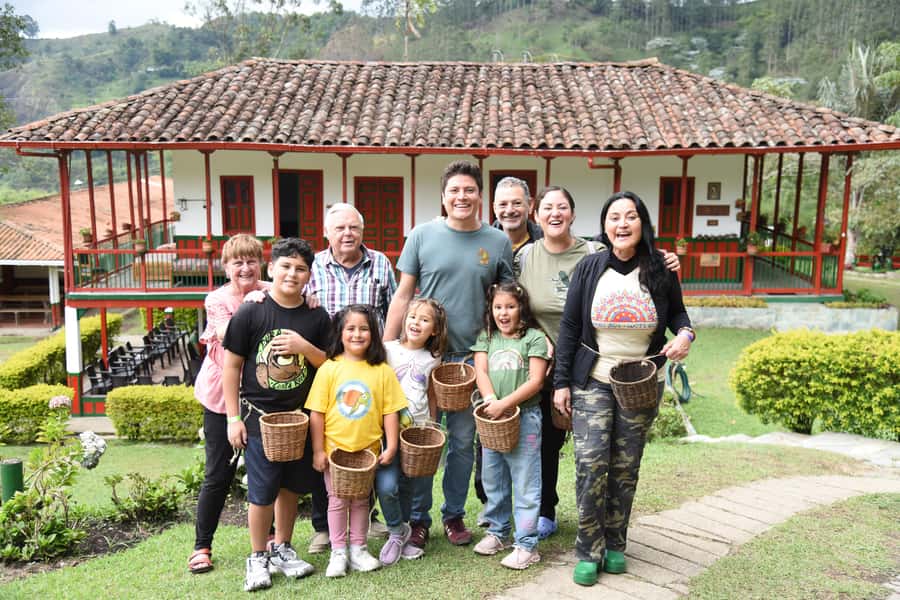
This tour meets you directly at the farm. There’s no included transfer, so you’ll want to figure out transport before you book your hopes.
If you’re using public transport, Willys Jeeps run hourly from 8:30 am to 4:30 pm. You can also return to Salento using Willys from the farm after the tour. The ticket price doesn’t include transport value, so budget for that separately.
Rain doesn’t cancel the activity. That’s good news because you won’t lose the experience just because clouds show up. The farm can sell you rain ponchos, and since you’ll be outdoors, having a light rain plan is smart.
Practical tip: wear comfortable clothes and expect to get a bit dusty. Bring mosquito repellent. Sun block isn’t listed as included, and you’ll likely appreciate having it anyway, especially in open garden areas.
First stop: coffee history and the species that shape flavor
The tour starts by setting context: the history of coffee and the predominant coffee species. This matters because different species behave differently in the field, and their growth patterns affect what farmers can do later in harvest and processing.
You’ll hear about how coffee is planted and how coffee trees grow. Even if you think you already know the basics, I like this part because it frames the rest of the tour. When you later see harvesting and sowing, you’ll understand why those steps happen when they do, and what “good farming” tries to protect.
Then the guide moves you into garden and plantation areas. The goal isn’t to overwhelm you with technical terms. It’s to make the farm feel logical: what you’re seeing now connects to what you’ll taste later.
Walking the gardens and plantations: from planting to harvesting
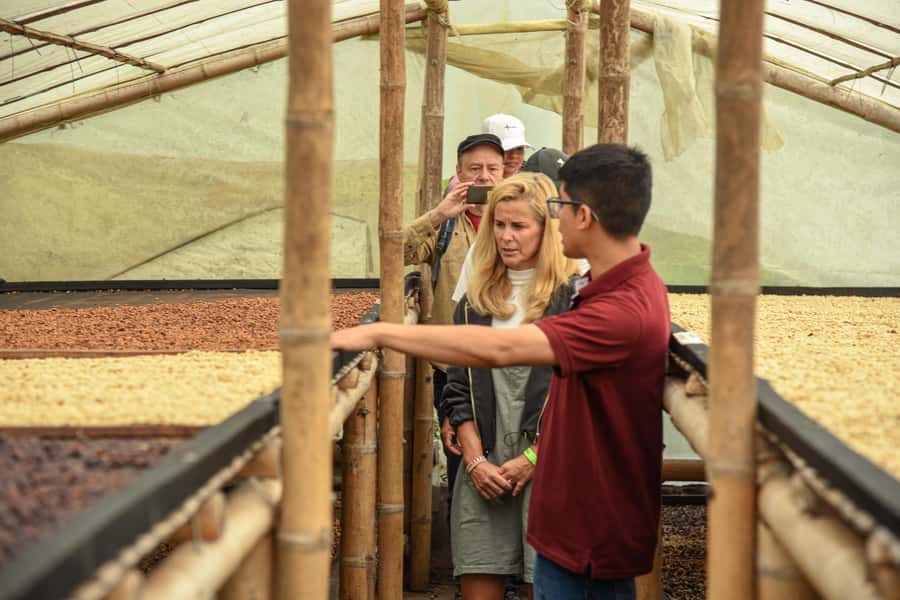
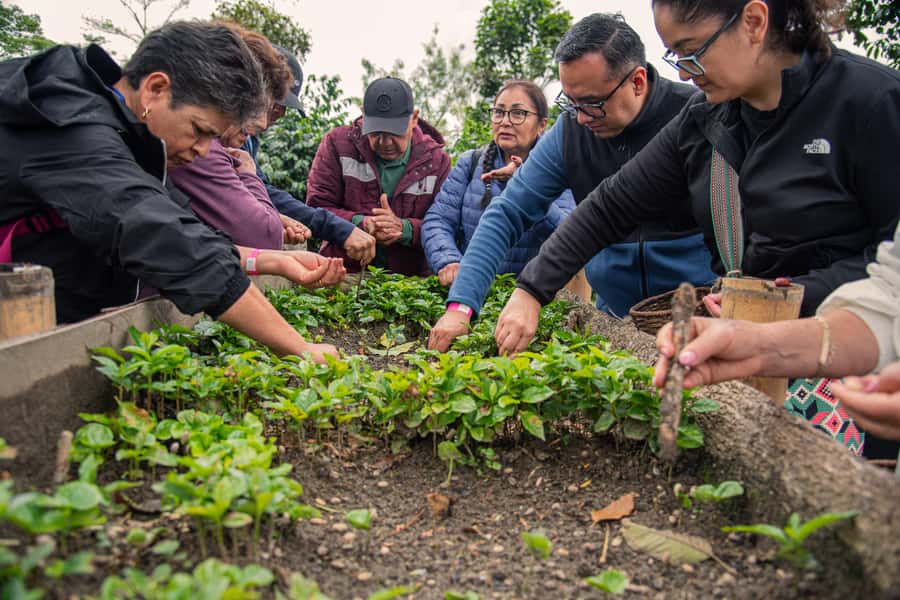
Once you’re out in the gardens, you get a tour of the coffee plantations and how the farm manages coffee through its growth cycle. The tour includes harvesting and sowing explanations, so you’ll learn what happens during production rather than just seeing trees and walking away.
This is one of the most enjoyable parts if you like details that help you appreciate your drink. You’ll see that coffee farming isn’t only “grow beans.” It’s also about maintaining healthy plants over time.
A small consideration: since this is an outdoor farm tour, you’ll want shoes that work on uneven ground. The walk style can vary depending on where crops and processing areas are located that day, but you should expect to move between working zones.
Composting station and crop fertilization: sustainability in real steps
One of the standout parts is the composting station and the explanation of crop fertilization. This is where sustainability stops being a buzzword and starts being visible.
You’ll learn how compost supports soil health, and how fertilization ties into plant growth. The guide also explains sustainability in relation to fauna and flora, so you’re not only thinking about coffee production—you’re thinking about the ecosystem around it.
I like this approach because it answers a common question: why do some coffees taste better or feel more consistent? The answer often starts with soil and field practices. Stronger soil supports healthier plants, and healthy plants make processing decisions easier later.
Sustainability, fauna, and flora: the part coffee lovers tend to forget
Coffee is grown in a living environment. This tour explains sustainability with attention to fauna and flora, which helps you see the farm as a place with more than coffee trees.
This matters if you care about coffee beyond flavor. You’ll get a sense of how farming choices influence the life around the plants. It’s also a helpful reminder that shade, insects, and plant variety are part of the coffee story, even if you never see those things in a café.
You’ll probably come away thinking differently about what you’re buying. Instead of only focusing on roast date or origin on a bag, you’ll connect flavor to the work happening in the field.
Inside the mill: hopper, pulper, and drying methods that change everything
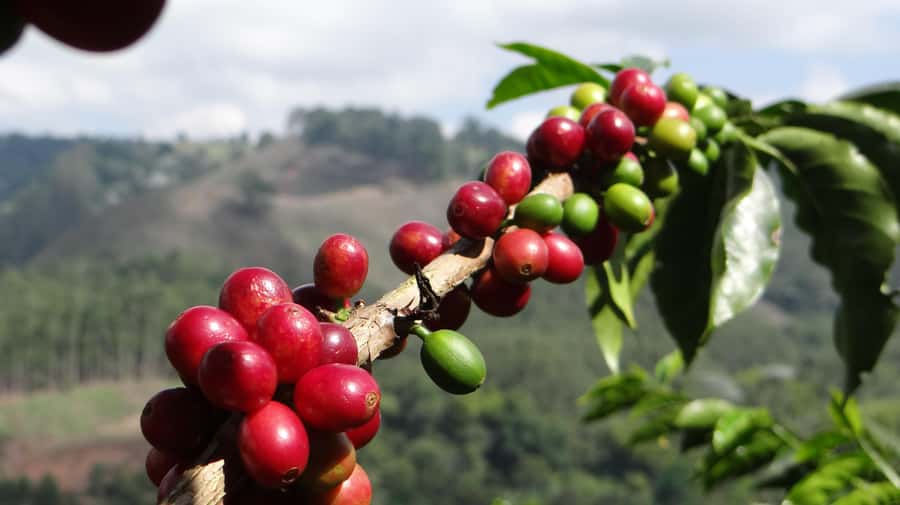
Now you move from the living farm into processing. The tour includes a visit to the mill and walks you through stages that many coffee drinkers never see.
You’ll see the hopper and pulper, then learn about mechanical drying and traditional drying. Drying is one of the biggest flavor-control points in coffee. Too wet and the bean struggles; too much mishandling and quality can suffer. Hearing how these drying approaches are used helps you understand why two coffees with similar origins can still taste different.
After drying, the tour covers storage, threshing, and commercialization of coffee. That may sound like “business steps,” but it’s actually important. Storage and handling affect what happens to beans between processing and roasting, so they influence the final cup you brew.
Practical note: mill areas can be warm or cooler depending on the setup and how air flows. You’ll likely spend short stretches there, but dress for mixed farm conditions.
Roasting and quality: why roast style is not just a preference
Next comes roasting, with an explanation of types of roasting and why roasting matters for coffee quality. This is where your earlier farm understanding connects to what ends up in your hands.
You’ll learn that roast changes more than color. It affects aroma, acidity, and how flavors express themselves. The tour keeps this tied to quality, so you’re not just collecting roast trivia—you’re learning how roasting choices influence what you’ll taste in the final segment.
If you’re the kind of person who orders the same thing every time because you’re scared of change, this part can be a confidence boost. Once you understand what roast style is doing, you can make tastier choices without guessing.
Brewing the traditional way: cloth strainer coffee in a pot
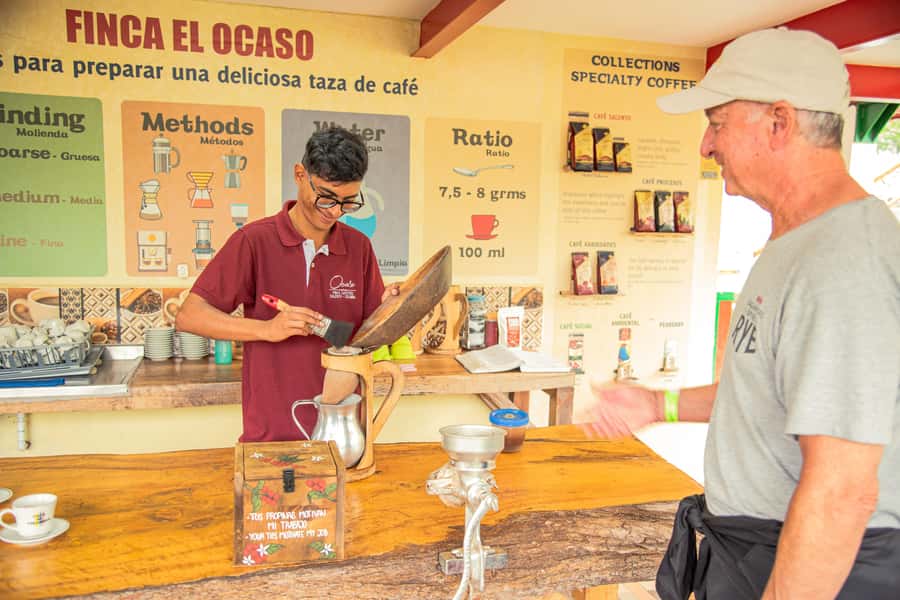
The tour ends with traditional preparation of coffee using a cloth strainer and a pot. This is a satisfying finish because it’s simple, practical, and connected to the farm’s workflow.
You’ll see how the cloth strainer works and how the pot approach shapes the cup. The goal isn’t to replace your home method; it’s to show another path from ground coffee to drink.
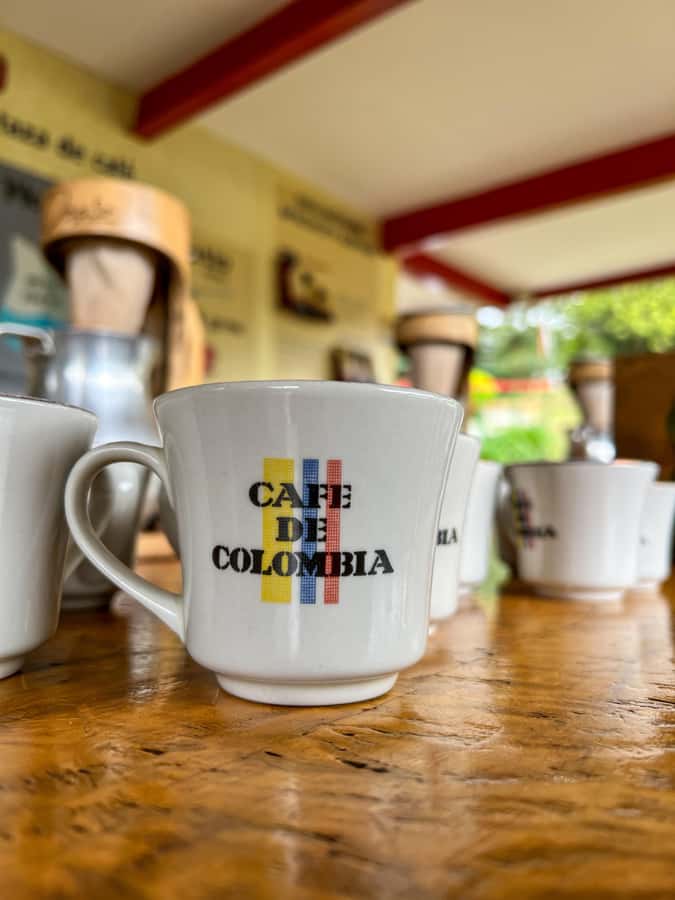
Then comes the tasting. Since tasting is included, you don’t have to wait until you get home to understand whether the lessons landed. I like experiences that connect theory to the cup before you leave, and this one does that.
Guides and tone: teaching plus a relaxed rhythm
The tour is guided in Spanish. The tone is also described as both instructive and relaxed. In particular, a guide named Nicolás has been singled out for being friendly and for making the afternoon fun while still covering the process well.
That combination matters. Coffee production can get technical fast, so having a guide who keeps it clear and paced helps you enjoy the experience rather than just survive it.
Price and value: is $19 actually fair for 90 minutes?
For $19 per person and 90 minutes, you’re getting a lot more than a casual walk. You cover:
- Coffee history and predominant species
- Planting and growth, plus harvesting and sowing explanations
- Composting and fertilization
- Sustainability with fauna and flora
- Mill workflow (hopper, pulper, mechanical and traditional drying, storage, threshing, commercialization)
- Roasting types and why they affect quality
- Traditional cloth-strainer brewing
- A tasting
The included tasting is a big part of the value, because it turns the tour into an experience you can evaluate immediately. The trade-off: no food, so you should plan a snack or meal before or after. No transportation is also the main add-on cost you’ll need to budget.
If you’re choosing between a quick café coffee tasting and a farm process tour, this one wins for people who want answers: how the coffee gets made, not just how it tastes.
What’s not included: the small planning gaps
A few items aren’t included, and you’ll feel that in your day:
- Transportation to the farm (you’ll need your own plan)
- Food
- Mosquito repellent
- Sun block
Also, alcohol and drugs aren’t allowed. That’s typical for farm settings and helps keep the tour safe and respectful.
My advice: bring repellent, wear practical clothes, and eat beforehand. It’ll keep the tour focused on coffee instead of your energy level or discomfort level.
Who should book this coffee tour in Salento
This is a great fit if you:
- Love coffee and want to understand the full workflow
- Enjoy sustainable farming lessons that connect to real practices
- Want a guided experience that’s educational without feeling like a lecture
- Prefer smaller, outdoors-focused activities over crowded city tours
It’s also a good choice if you’re traveling with someone who doesn’t want a long day. Ninety minutes is short enough to fit into a schedule, but long enough to cover both farming and processing.
If you hate walking outdoors or you’re sensitive to insects and don’t plan to bring repellent, you may find the farm setting a challenge.
Should you book Coffee Tour at Finca El Ocaso Salento?
Yes, if your idea of a great coffee day includes more than tasting. Booking makes sense when you want to connect farm practices to processing, roasting, and the final cup. The mill walkthrough and the traditional cloth-strainer brewing give you a complete arc: from tree to cup.
Skip it or reconsider if transport logistics are stressful for you. Because the farm requires you to arrive directly and the road is not fully paved, you’ll want a calm plan for getting there and back—especially if rain is likely in your travel window.
If you’re ready for a real working farm visit in rural Salento, this one is a strong value at $19, with a tasting that brings the whole story home.
FAQ
How long is the Coffee Tour at Finca El Ocaso Salento?
The tour lasts 90 minutes.
Where is the meeting point?
You must arrive directly to the farm. The tour does not include transfers.
Is transportation included in the ticket price?
No. Transportation to and from the farm is not included.
What language is the tour guide?
The tour is guided in Spanish.
What is included in the tour experience?
It includes coffee history, coffee planting and growth, garden and plantation tour, composting and fertilization explanation, sustainability and fauna/flora explanation, a mill visit (hopper, pulper, mechanical drying and traditional drying), storage, threshing and commercialization, roasting types and quality importance, traditional brewing with a cloth strainer and pot, and a tasting.
Is food included?
No, food is not included.
Is a tasting included?
Yes, tasting is included.
Does the tour cancel if it rains?
No. In case of rain, the activity will not be cancelled. Rain ponchos can be purchased at the farm.
What should I bring?
Bring comfortable clothes and insect repellent.
Are alcohol or drugs allowed?
No. Alcohol and drugs are not allowed.