REVIEW · CARTAGENA
Cartagena: History, Culture & Coffee Experience
Book on GetYourGuide →Operated by Impulse Travel · Bookable on GetYourGuide
Fortress tunnels and coffee in one morning. I love the chance to walk through San Felipe Castle and hear how the Spanish tried to outsmart pirate attacks, and I also really enjoy the hands-on Colombian coffee tasting that explains why this coffee has a global reputation. One heads-up: the tour ends on foot in the Historic Center, and you’re not getting a ride back to your hotel.
I also like the way the day layers big views with street-level stories. From La Popa Convent you get sweeping panoramas, and in the Historic Center you’ll pass key places tied to trade and human rights, not just pretty colonial facades. If your goal is to see a lot without rushing, this pacing works well.
This is a private group format with a professional bilingual guide (English and Spanish), and guides like Carlos and Oralis Barrios come across as fluent, patient, and very willing to answer questions. It’s a solid match for couples, small groups, and anyone who wants history explained in plain language.
In This Review
- Key highlights you’ll notice
- San Felipe Castle: Cartagena’s biggest Spanish defense (and why it matters)
- La Popa Convent: The highest point view that makes Cartagena click
- Plaza de la Aduana and the Clock Tower: learning the city’s power stories
- San Pedro Claver to Plaza de Bolívar: how the walking tour stays meaningful
- Coffee tasting: learning flavors without turning it into a lecture
- Centenario Park and the animal break in the middle of town
- Getsemaní: the local end of the day where the city feels lived-in
- $152 for 4 hours: what you’re really paying for (and how the walking works)
- Who this Cartagena history-and-coffee tour suits best
- Should you book it?
- FAQ
- How long is the Cartagena History, Culture & Coffee tour?
- What’s included in the price?
- Where does the tour start and where does it end?
- Are entry tickets included for the main sites?
- Is hotel pickup available outside the Historic Center?
- What languages is the guide?
- Is the tour accessible for wheelchair users?
- What should I bring, and what’s not allowed?
- If you want, tell me your hotel area
Key highlights you’ll notice
- San Felipe Castle tunnels and watchpoints put Cartagena’s defense strategy into context fast
- La Popa Convent panoramic views from the city’s highest point help you understand the geography
- Historic Center landmarks connect colonial trade, the Clock Tower entrance, and San Pedro Claver Church
- Coffee tasting in the middle of sightseeing makes the flavors feel tied to place, not just a stop
- Centenario Park animal sightings (sloths, monkeys, iguanas) add a breather between monuments
- Getsemaní streets at the end shift from official history to lived local culture
San Felipe Castle: Cartagena’s biggest Spanish defense (and why it matters)
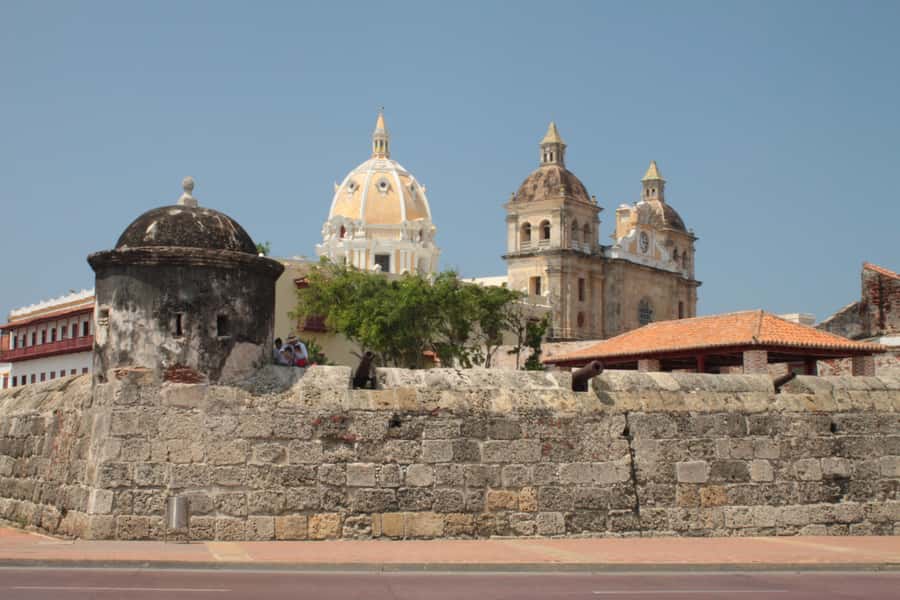
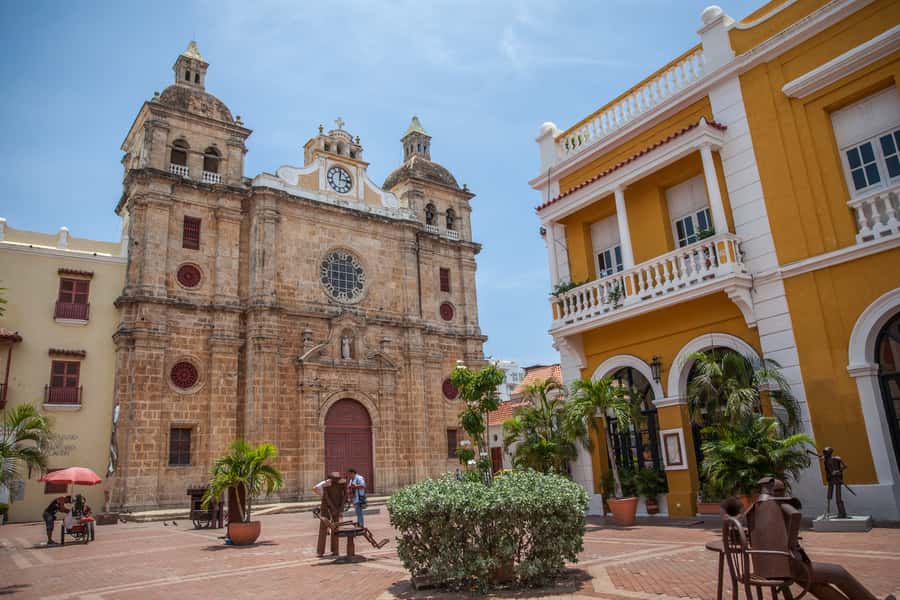
Your tour starts with a visit to Castillo de San Felipe—often described as the largest Spanish fortification in the Americas. Even before you walk into the main areas, the scale of the fortress makes the point: Cartagena wasn’t meant to be an easy target.
What I like here is that the guide doesn’t treat the castle like a museum display. You’ll hear stories about Cartagena’s colonial past and why the Spanish invested in major defenses—especially after pirate threats made the Caribbean feel dangerous. As you explore, you get to picture how soldiers and planners thought about risk: sightlines, timing, and control of access.
One of the most interesting parts is the emphasis on the fortress as an engineered system. You’ll visit underground tunnels and strategic watchpoints. That’s where the history stops being abstract. Those enclosed passages help you imagine moving people and information under pressure, and the elevated areas make it easier to understand how defenders could scan for trouble.
Practical tip: bring shoes you trust. You’ll be walking on uneven surfaces, and this is one of those stops where comfortable footwear matters more than style. Also, plan for sun—fortress walls don’t give much shade.
A timing note: the vehicle is only available for 3 hours during visits to Castillo de San Felipe and La Popa Convent. After that, you’ll keep going on foot in the Historic Center area. So think of the castle as the “big physical anchor” of the first half of the tour.
You can also read our reviews of more tours and experiences in Cartagena.



La Popa Convent: The highest point view that makes Cartagena click
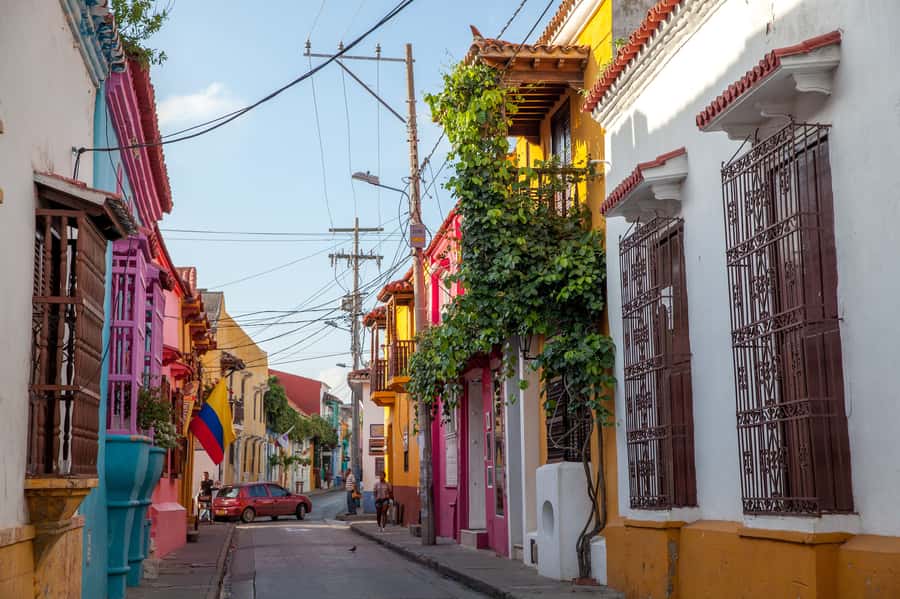
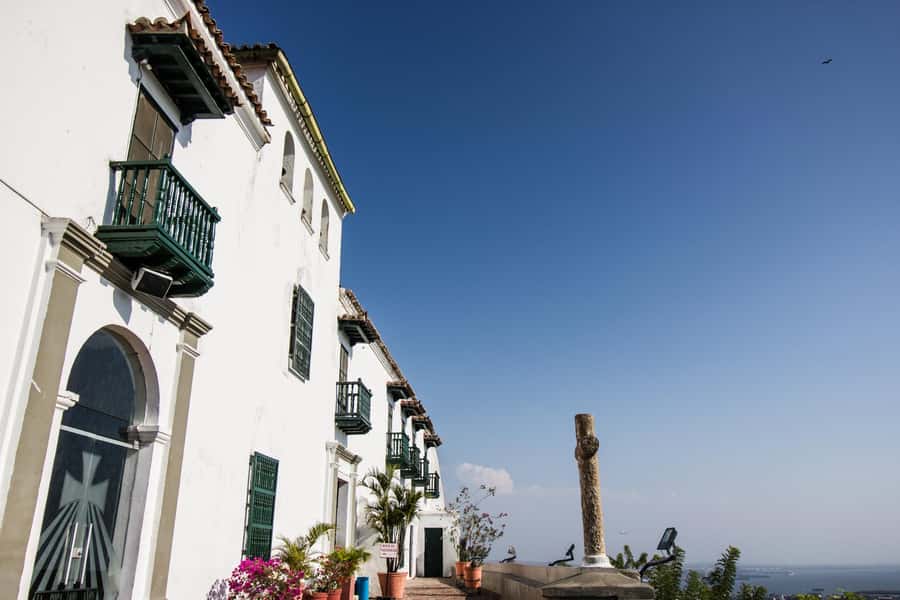
Next comes La Popa Convent, the highest point in Cartagena. If you’ve ever looked at a map and still felt like you couldn’t picture how neighborhoods relate, this stop usually fixes that in minutes.
You’re there for the 17th-century monastery setting and the panoramic views over the city, the bay, and the Caribbean Sea. But the real value is how the view gives shape to everything you’ll see afterward. The guide can point out where the bay sits, where different parts of town feel connected, and how the coastline influences the city’s history and daily life.
This is also a good time to slow down. From higher ground, the city feels less like a list of sights and more like a place with a geography. And that makes the Historic Center walking portion much more satisfying, because you start recognizing the “why” behind what you’re looking at.
Practical tip: wear a hat and use sunscreen. Elevated viewpoints can mean stronger light and less wind comfort than you’d expect.
Plaza de la Aduana and the Clock Tower: learning the city’s power stories
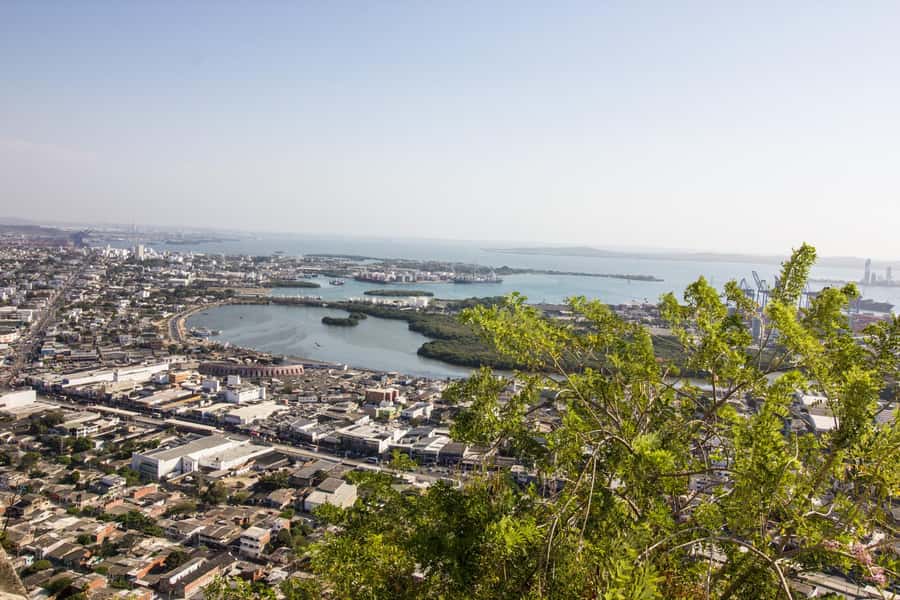
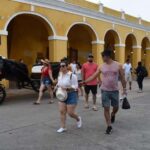
After the viewpoints, you transition into the Historic Center, which is where Cartagena’s colonial identity shows up most clearly on the street. This part works best because the tour connects buildings to real roles they played in the colonial era.
You’ll start near Plaza de la Aduana, once the main trading hub for enslaved Africans during colonial times. It’s a heavy subject, but it’s also one of the most important parts of understanding Cartagena honestly. The guide’s job is to help you see beyond postcard angles and understand how trade shaped the city’s wealth and suffering.
Then you’ll walk through the area near the Clock Tower, described as an emblematic entrance to the city. It’s one of those landmarks that feels obvious in photos, but on the ground it becomes a useful reference point—like a waypoint for getting your bearings.
Next up is San Pedro Claver Church, dedicated to the patron saint of human rights. This is where the tour’s focus on stories behind historic buildings really pays off. Instead of only admiring architecture, you’re learning how religious and civic life intersected with human dignity and advocacy in Cartagena’s past.
You’ll also spend time at Plaza de Bolívar, surrounded by some of the city’s most beautiful colonial buildings. It’s a pleasant breather, and it also helps you connect the formal public spaces to the broader story you just heard.
What to keep in mind: this portion is on foot, and you’ll be moving between sites rather than staying in one museum-like zone. If you prefer lots of walking with frequent context, you’ll like this. If you want to sit for long stretches, you might wish the tour had more breaks.
San Pedro Claver to Plaza de Bolívar: how the walking tour stays meaningful
One thing I appreciate is that the Historic Center segment doesn’t feel like a checklist. You’re not only seeing major sights—you’re also being taught how to read the city.
You’ll pass through a sequence of landmarks that represent different layers of Cartagena’s identity:
- Trade and colonial power at the Aduana area
- Civic orientation at the Clock Tower entrance zone
- Human rights recognition at San Pedro Claver Church
- Colonial public life at Plaza de Bolívar
By the time you reach those central plazas, you start noticing details you’d likely skip on your own. Small architectural cues become easier to interpret when you know what function or story sits behind them.
Also, this is a private group. That matters in a place where the sun, the heat, and the number of photo stops can make group tours feel cramped. In real use, a guide who stays patient with questions and pictures makes the whole experience feel smoother. That’s something that came up in feedback about Carlos—he was friendly, responsive, and patient when people had to stop and take photos, and he even handled a knee issue with care.
Practical tip: if you have mobility concerns, tell the guide early. A good guide can adjust pace and keep you moving without rushing you.
Coffee tasting: learning flavors without turning it into a lecture
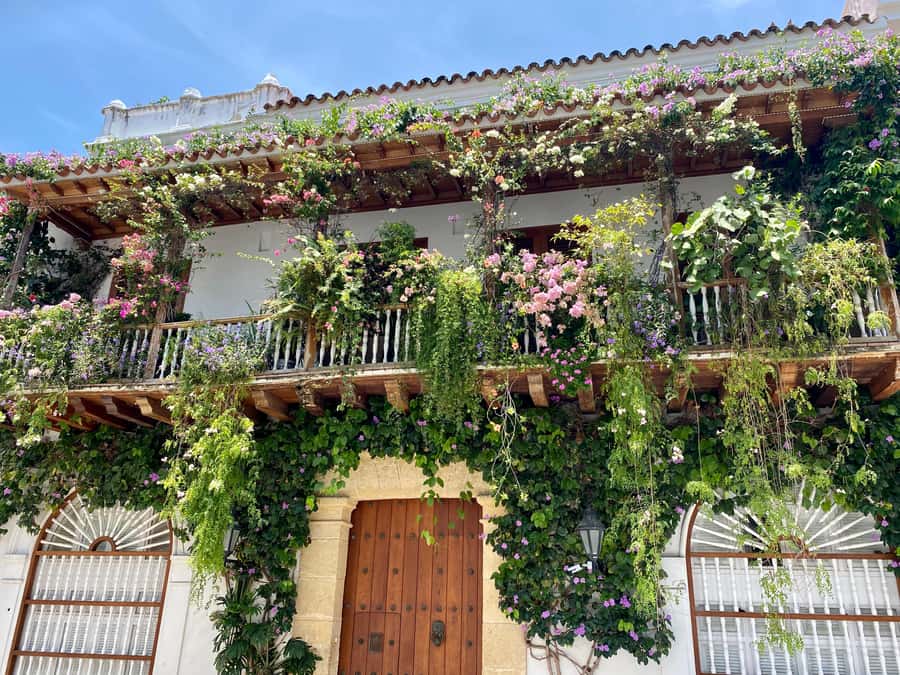
After the history-and-streets portion, you get to slow down with a small Colombian coffee tasting. I think this is smart as a mid-to-late day activity because it refreshes your senses after walking in the sun.
This stop isn’t just about sipping something warm. The guide explains why Colombian coffee is celebrated worldwide, and that matters because coffee can taste “good” without you understanding what you’re actually tasting.
What you’ll likely get out of it:
- A clearer sense of aroma and flavor categories (how coffee is described, not just how it tastes)
- A better understanding of why Colombia’s reputation exists beyond marketing
- A chance to ask questions in a relaxed setting
Even if you’re not a coffee nerd, you’ll still enjoy the sense of place. Coffee tasting works best when it’s tied to culture and conversation, and this one is designed to be educational in a practical way.
Practical tip: drink water alongside coffee, and keep sunscreen in mind—coffee doesn’t replace hydration.
You can also read our reviews of more tours and experiences in Cartagena


Centenario Park and the animal break in the middle of town
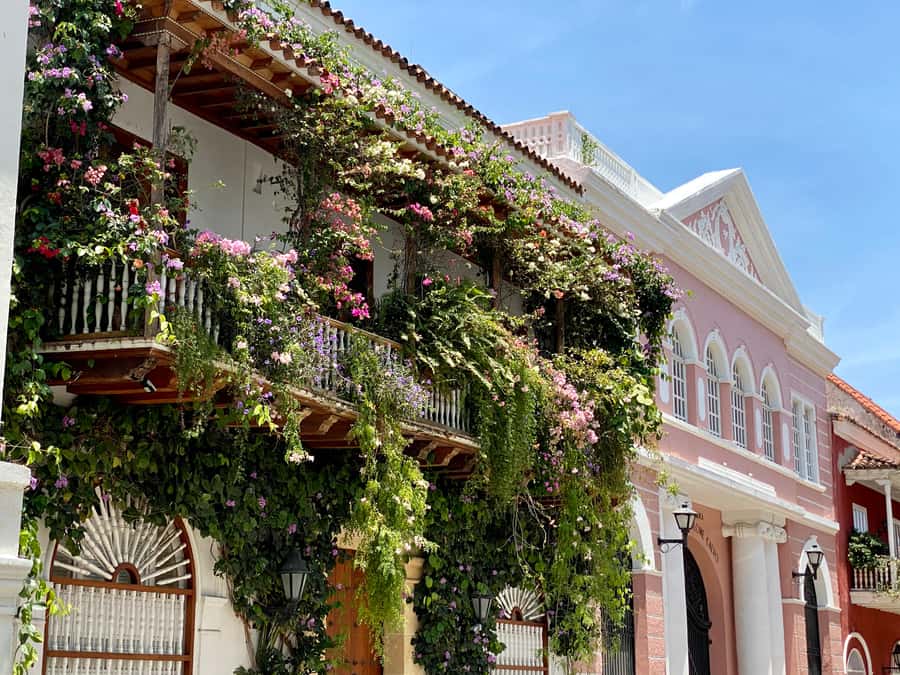
Your tour also includes a stop at Centenario Park, a lush green space in the middle of Cartagena. This is one of those “you didn’t know you needed it” breaks. You go from stone landmarks back to open air and greenery.
You’ll also have a chance to see animals roaming in the park, including sloths, monkeys, and iguanas. It’s not a zoo experience, so sightings can vary, but the park setting gives you that rare feeling of nature inside a historic city.
Why I think this is a good addition: it resets your energy. After castle steps and Historic Center walking, a park stop keeps the day from feeling like nonstop sightseeing.
Practical tip: keep your camera handy, but also remember this is a shared environment. Stick to the walkway areas and follow your guide’s lead.
Getsemaní: the local end of the day where the city feels lived-in
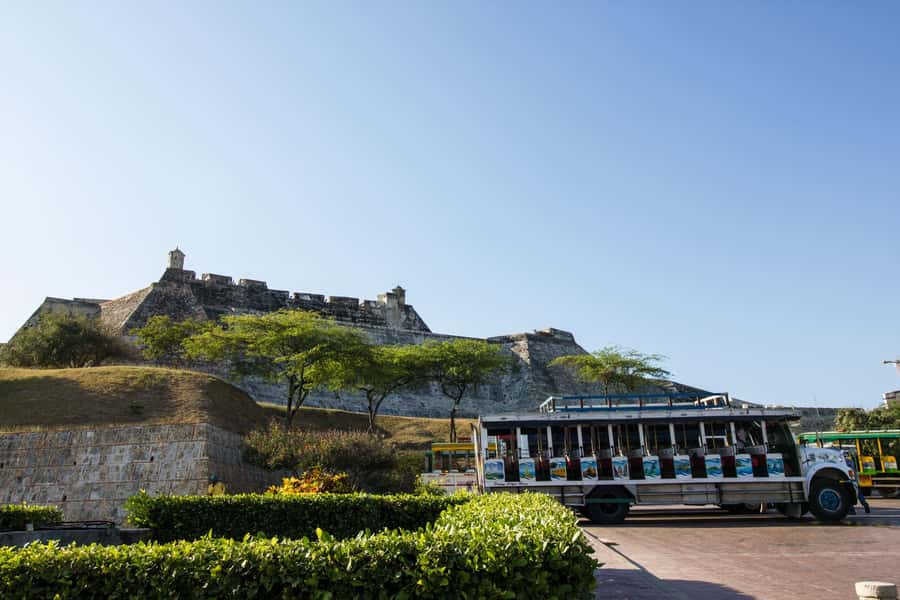
You finish in Getsemaní, which is described as the heart of Cartagena’s local culture. This ending works because it shifts from “looking at history” to “experiencing the city.”
Here, you’ll walk along lively streets where street art and colorful murals show up prominently. You’ll also hear music, and the vibe is tied to local life rather than tourist-only scenes.
This is where many people get the emotional payoff: the city stops being a sequence of attractions and starts feeling like a place you could actually spend time. If you’re the kind of traveler who likes to wander a neighborhood with context, Getsemaní is a strong final note.
One more logistics reality check: the tour ends in the Historic Center area on foot, and transportation back to your hotel is not included. So if your hotel is far from the route, you’ll want to plan your final walk or your next transport step.
$152 for 4 hours: what you’re really paying for (and how the walking works)
At $152 per person for a 4-hour tour, the price makes more sense when you break down what’s included.
You’re not just paying for a guide. The tour includes:
- Entry tickets to San Felipe Castle
- Entry tickets to La Popa Convent
- A small coffee tasting
- A professional bilingual guide (English or Spanish)
- Optional pickup in the Historic Center (with pickup availability also described for Historic Center and Bocagrande)
So you’re paying for context and access, not only for someone to point at buildings. In a city like Cartagena, that matters—because the “hidden stories” behind historic sites are exactly what take a self-guided trip from interesting to truly satisfying.
Now the trade-off: vehicle time is limited to 3 hours for the castle and La Popa. After that, you’re on foot. That’s totally normal for Cartagena, but it helps you set expectations.
Also, hotel pickup details matter. Pickup is described as available for hotels in Historic Center and Bocagrande, and there’s an extra-cost note related to Manzanillo hotels. Pickup at Manzanillo or Baru area is listed as not included in the standard offering, so make sure you confirm your pickup plan while booking.
If you want the most value, this is the kind of tour where a good guide’s style makes a difference. The feedback highlighting Carlos and Oralis Barrios points to a theme: guides who explain clearly, joke lightly, and handle questions and photo stops without rushing you. That quality turns the tour into a smoother experience rather than just a narrated walk.
Who this Cartagena history-and-coffee tour suits best
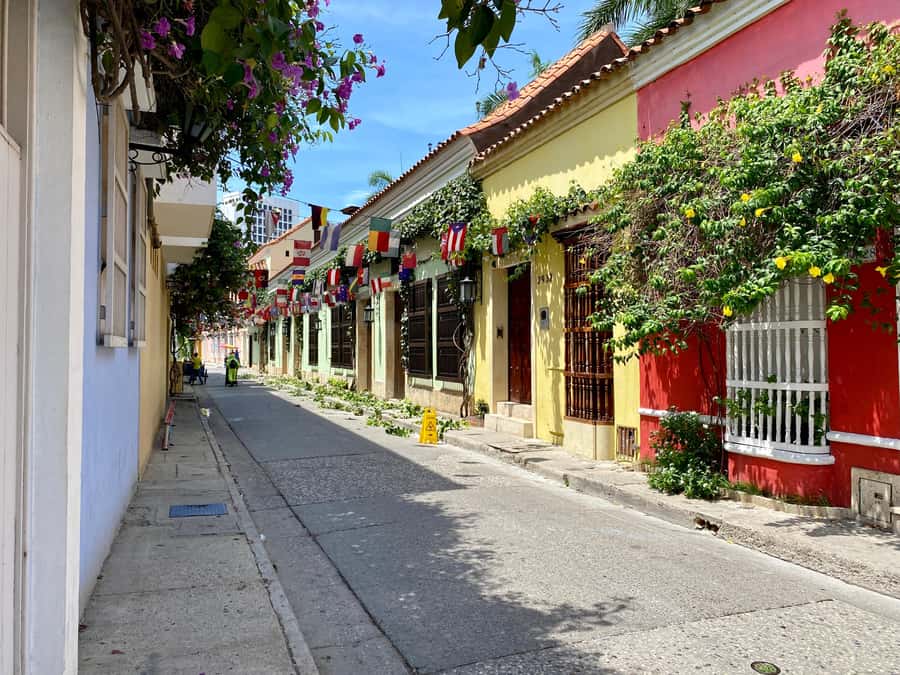
This tour fits you if:
- You want Cartagena’s biggest early anchors: San Felipe Castle and La Popa Convent
- You like history explained in plain language, with stops tied to real human stories
- You want a balance of monuments and neighborhood feel, ending around Getsemaní
- You’re willing to walk through the center rather than expect a lot of vehicle time
- You enjoy a tasting component that’s short and focused, like the coffee tasting
It’s also a good choice if you’re traveling with someone who’s curious but not into long museum sessions. The pacing moves you through several types of experiences in one block of time.
Should you book it?
Yes—if your priority is a guided introduction to Cartagena that connects major sites to human stories, and you’re happy finishing with a walk through local streets. The combination of fortress history, panoramic views, Historic Center landmarks tied to trade and human rights, plus a Colombian coffee tasting gives you a lot of meaning per hour.
I’d skip it or adjust expectations if you need return transportation back to your hotel included, or if you dislike walking after the first portion. Since the tour ends in the Historic Center on foot and there’s no included ride back, plan your next step ahead of time.
FAQ
How long is the Cartagena History, Culture & Coffee tour?
It lasts about 4 hours.
What’s included in the price?
The tour includes a professional bilingual guide, entry tickets to San Felipe Castle and La Popa Convent, and a small Colombian coffee tasting. Optional hotel pickup is available in the Historic Center.
Where does the tour start and where does it end?
It starts with pickup in the Historic Center (optional) or other stated areas, and it ends on foot in the Historic Center. Transportation back to your hotel is not included.
Are entry tickets included for the main sites?
Yes. Entry tickets to San Felipe Castle and La Popa Convent are included.
Is hotel pickup available outside the Historic Center?
Pickup is described as included for hotels in the Historic Center and Bocagrande. Additional cost applies for hotels in the Manzanillo area, and hotel pickup at Manzanillo or Baru area is listed as not included in the standard notes, so confirm your exact location while booking.
What languages is the guide?
The live tour guide is available in English and Spanish.
Is the tour accessible for wheelchair users?
Yes, it is listed as wheelchair accessible.
What should I bring, and what’s not allowed?
Bring a passport or ID card, comfortable shoes, sunscreen, and water. Alcohol and drugs are not allowed, and bare feet are not allowed.
If you want, tell me your hotel area
If you share where you’re staying (Historic Center, Bocagrande, Manzanillo, Baru, etc.), I can help you think through the easiest pickup/ending logistics.