REVIEW · CARTAGENA
Typical lunch on beach, mangrove tour & fishing with natives
Book on GetYourGuide →Operated by EXPERIENCES CARTAGENA · Bookable on GetYourGuide
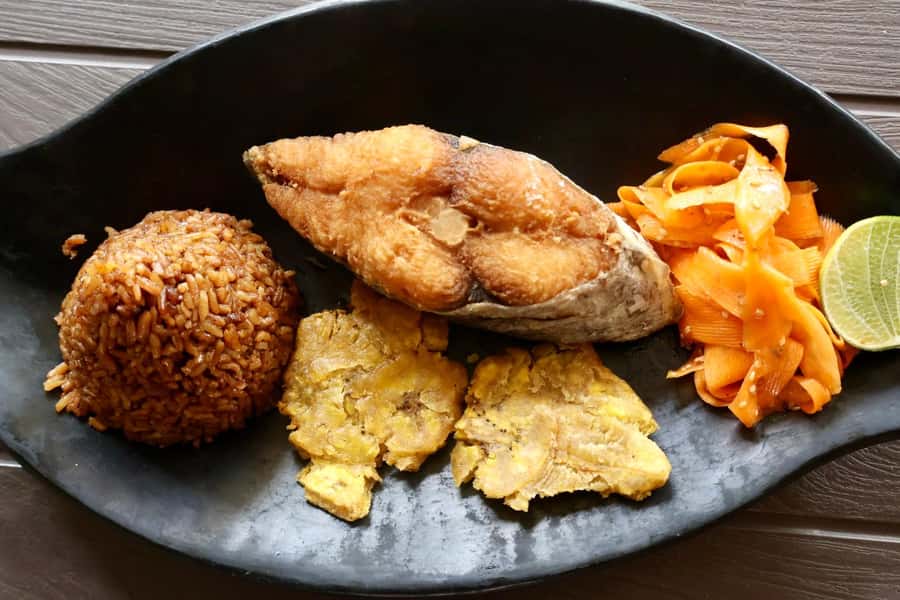
Coconut, mangroves, and nets in four hours. I like how this tour blends a mangrove tour narrated by local people with a bilingual guide, then adds an actually practical hands-on fishing segment. I also love the lunch by the sea, with classic Afro-Caribbean flavors like fried fish, coconut rice, patacones, and fish soup.
One thing to calibrate your expectations: this is a learning-and-participation experience, so you should not assume you’ll catch a big haul.
In This Review
- Key moments worth marking on your mental map
- Getting from your hotel to the mangroves (and why it matters)
- Welcome coconut and the first taste of community life
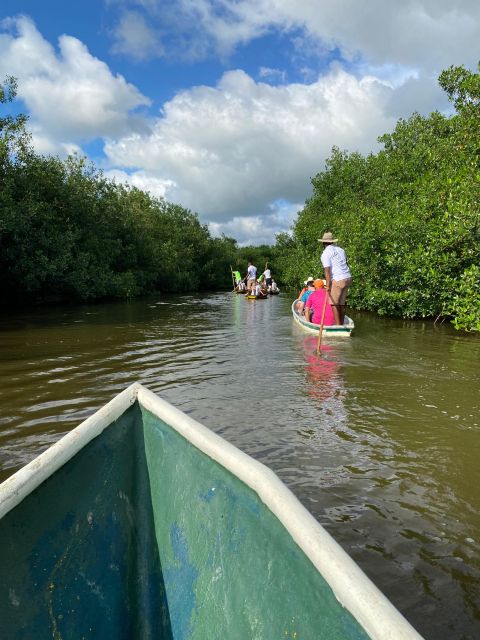
- Mangrove tour through natural channels: seeing the ecosystem up close
- Fisherman Island and hands-on artisanal fishing (what you’ll try)
- Lunch at 12:30 by the sea: fried fish, coconut rice, patacones, and more
- Drums and cultural sampling: short, real, and not too performative
- Beach time after lunch: how to use the last hour well
- Is $84 a fair value for mangroves, fishing, and lunch?
- Who should book this Bolívar mangrove lunch-and-fishing tour?
- Should you book it?
- FAQ
- How long is the tour?
- Is pickup and drop-off included?
- What’s included in lunch?
- Do I get to participate in fishing?
- What languages is the guide available in?
- Is this tour suitable for people with mobility impairments?
Key moments worth marking on your mental map
- Native storytelling in the mangroves with history and ecosystem explanations while you’re on the water
- A welcome 100% natural coconut drink and a warm first greeting in the community
- Fisherman Island inside the mangrove—including a stop on an island built by local people
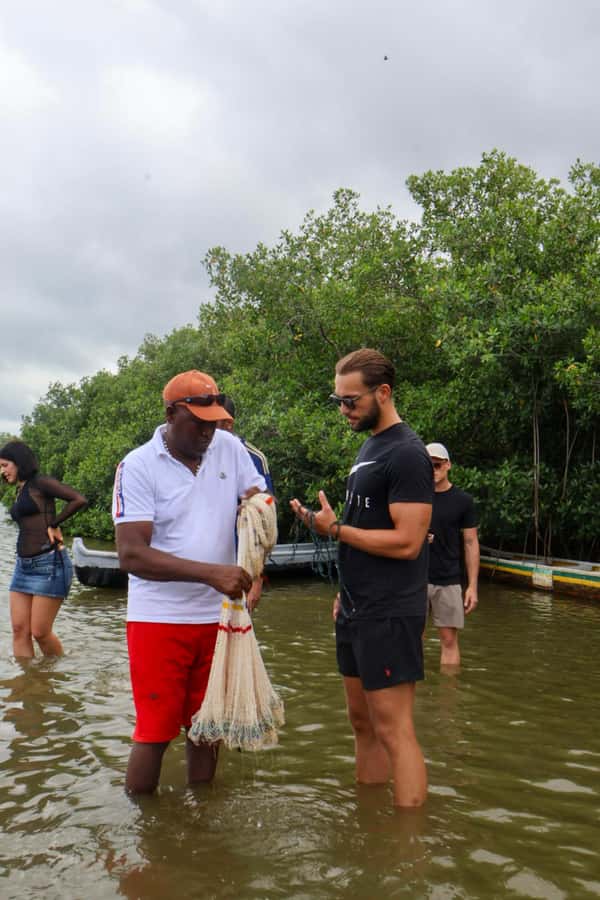
- Artisanal crab and fish fishing activity where you can try techniques like net throwing
- Lunch at 12:30 with sea views, including fried fish, coconut rice, patacones, salad, and fish soup
- Cultural sampling of drums, adding a community feel beyond nature sightseeing
Getting from your hotel to the mangroves (and why it matters)
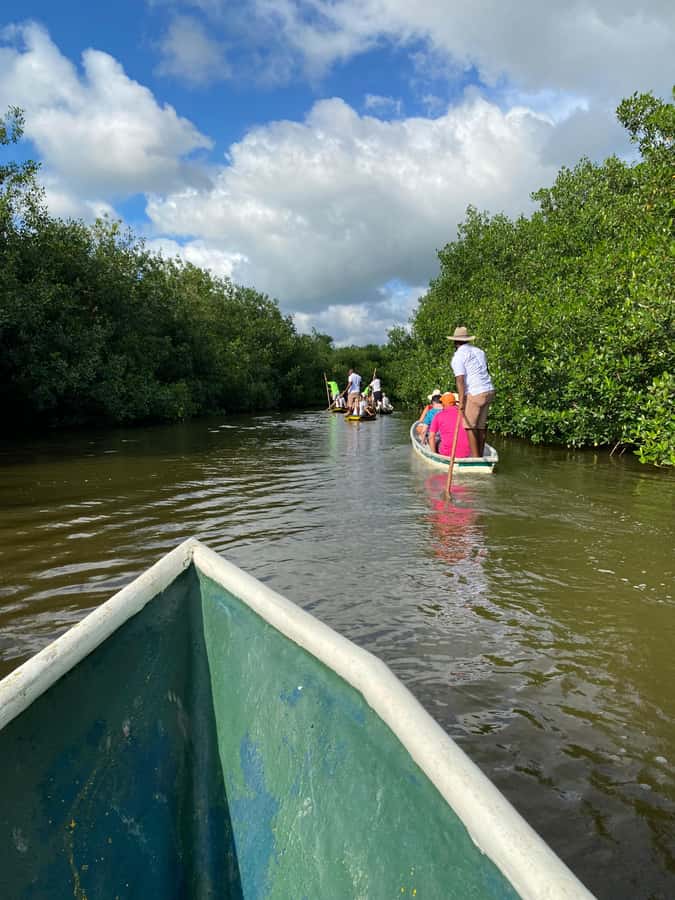
You start with pickup and drop-off, and that’s more valuable here than it sounds. The meeting point is in an Afro-descendant community along the sea north of the city area, and it takes about 20 minutes to get there. That short ride sets the tone: you’re not just being transported to a dock; you’re being brought into the place where the mangroves are part of daily life.
This is also one of those tours where timing helps. Lunch is fixed for 12:30, so the morning flow is built around the natural rhythm of the area: water first, then food, then a slower wind-down by the beach. If you’re the type who likes to keep plans efficient (but not rushed), you’ll appreciate that structure.
Quick practical note: the tour isn’t suitable for people with mobility impairments, so plan around uneven ground and getting in and out of small boats or canoe-style transport.
You can also read our reviews of more tours and experiences in Cartagena
Welcome coconut and the first taste of community life
When you arrive, you get a warm greeting and a 100% natural coconut drink. It’s a small moment, but it works because it’s immediate and local—no waiting around, no sterile handover, no “tour voice” talk.
Right away, you’re oriented to what you’re actually going to do: move through mangrove channels, visit islands that are part of the ecosystem, and then participate in artisanal fishing practices. The inclusion of a native bilingual guide (English and Spanish) also matters. You can ask direct questions and get answers tied to real experience, not generic explanations.
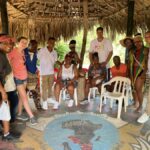
There’s also a cultural sampling element built in—drums—which you’ll feel more as atmosphere than performance. Even if the music is brief, it’s a reminder that this is a living community, not a themed set.
Mangrove tour through natural channels: seeing the ecosystem up close
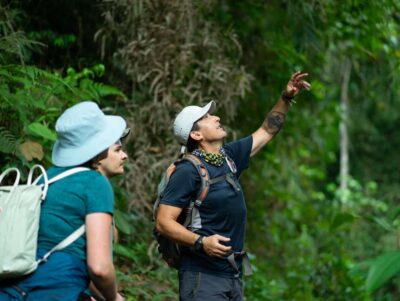
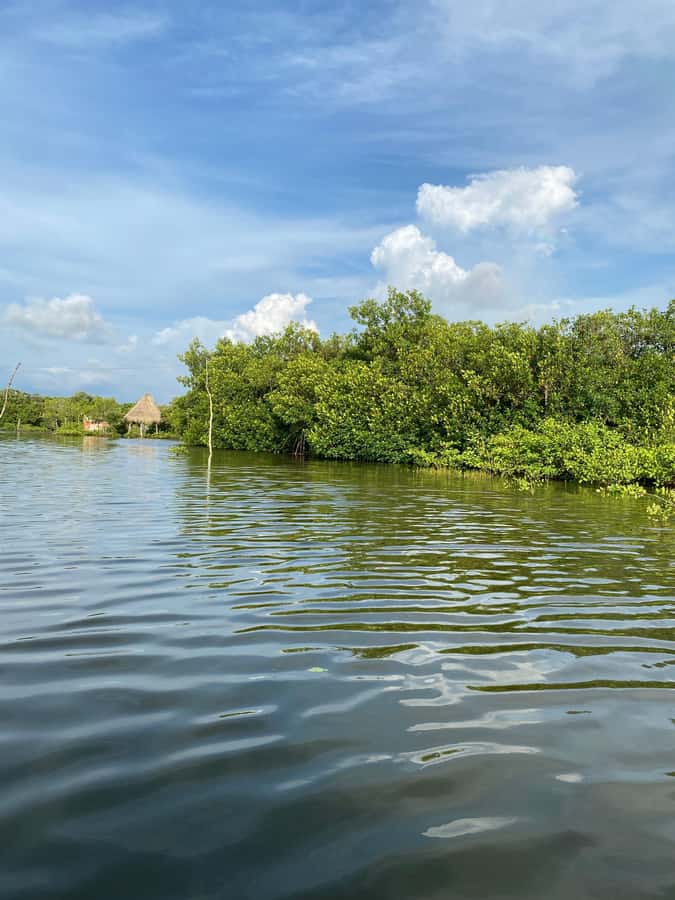
The main water portion is a guided route through different natural mangroves. You’ll learn how this ecosystem works, narrated by natives who live with the mangroves and rely on them. That storytelling is the point: mangroves aren’t just pretty greenery; they act like a buffer between land and sea, and they support the species that make fishing possible.
You also visit an island built by local people, sitting in the mangroves. That stop is important because it changes your perspective. From the water, you might think of mangroves as a “place you pass through.” On the island, it becomes clear that people have shaped and used these waters for a long time, while still sharing the space with wildlife.
What I like about this part is that it’s not sold as extreme adventure. You’re there to observe, listen, and learn what’s happening right around you: birds, water movement, mangrove roots, and the quiet logic of the ecosystem.
Fisherman Island and hands-on artisanal fishing (what you’ll try)
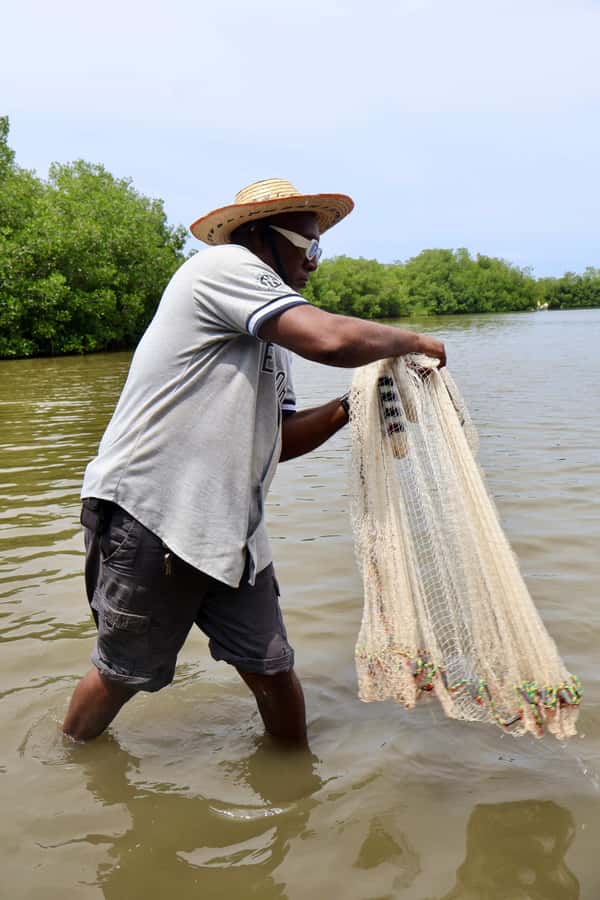
In the middle of the mangrove, you’ll see a demonstration of artisanal fishing. This is the moment that turns the tour from “information” into something you actually do.
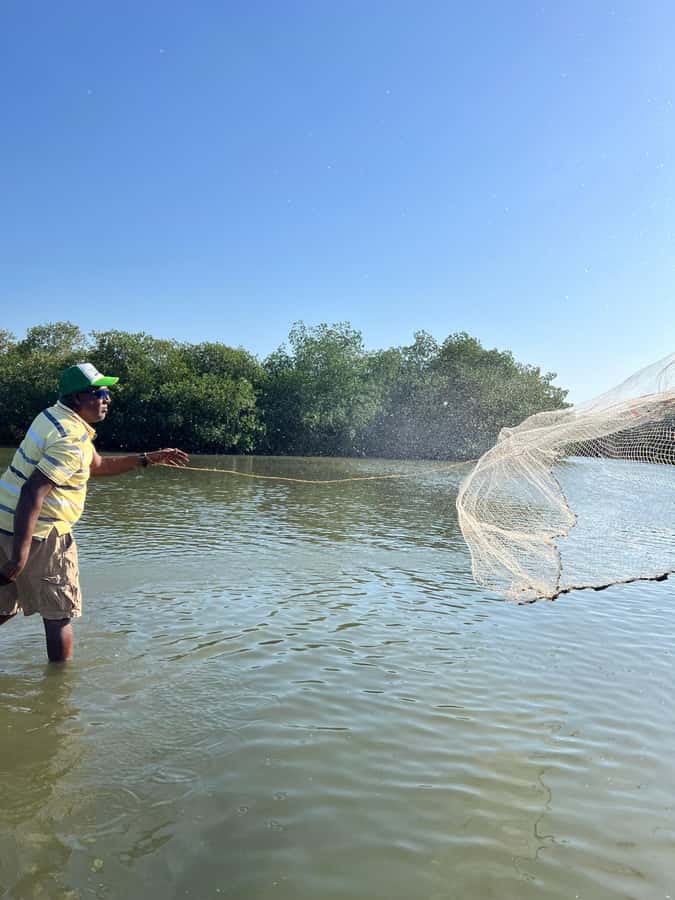
You’ll learn how local fishermen operate using traditional methods, including setting crab pots and working fishing nets. And yes—you can participate. In several bookings, the hands-on part is a highlight because you get coached on technique, not just allowed to hold a prop. The goal is to help you understand the rhythm and effort behind the work, even if you’re a first-timer.
One note to keep expectations realistic: it’s not described as a guaranteed catch situation. It’s an experience focused on the process—how to throw nets, how crab pots are positioned, and how the fishermen interpret the water and mangrove environment. If you treat it like a skill practice with a chance of results, you’ll have a better time.
You’ll also get entry to Fisherman Island, which helps anchor the fishing activity in a real setting rather than a quick stop.
Lunch at 12:30 by the sea: fried fish, coconut rice, patacones, and more
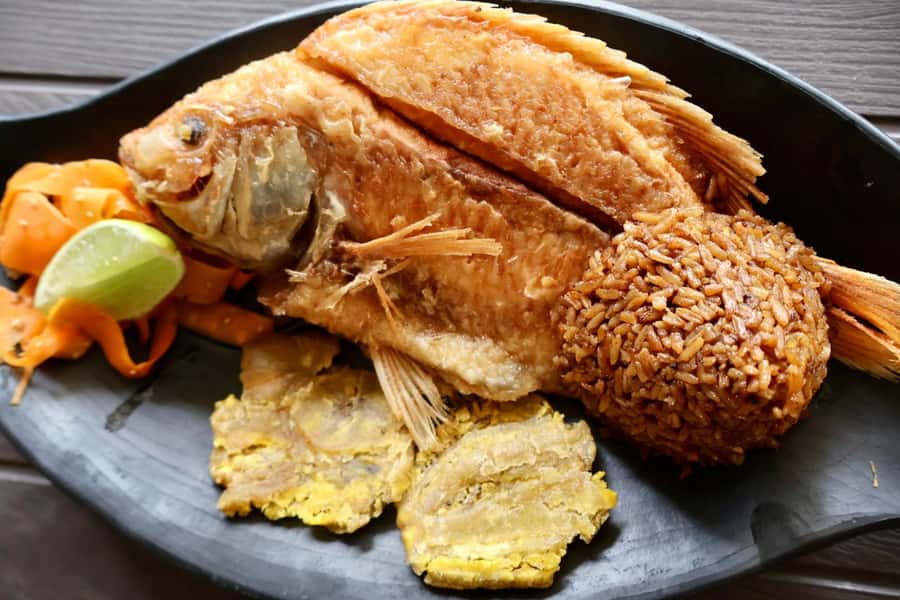
Lunch is served at 12:30, and it’s one of the best reasons to choose this over a rushed day trip. The meal is cooked in an artisanal way by native women in a traditional restaurant in front of the sea. That detail matters: you’re eating where the tour community can truly feed visitors, not just receiving food plated for convenience.
The menu is specific and classic:
- fried fish
- coconut rice
- patacones
- salad
- fish soup
Plus the drink is included with lunch.
I like meals like this because they tell you what people eat when they’re working near the water. Coconut rice and patacones aren’t “tourist flavors”—they’re comfort food with local roots. The fish soup rounds out the meal in a way that feels practical, like it was designed to be satisfying after a morning on the water.
Practical tip: save room. Even though the tour is only 4 hours total, lunch is a full stop with a lot of items, not a snack.
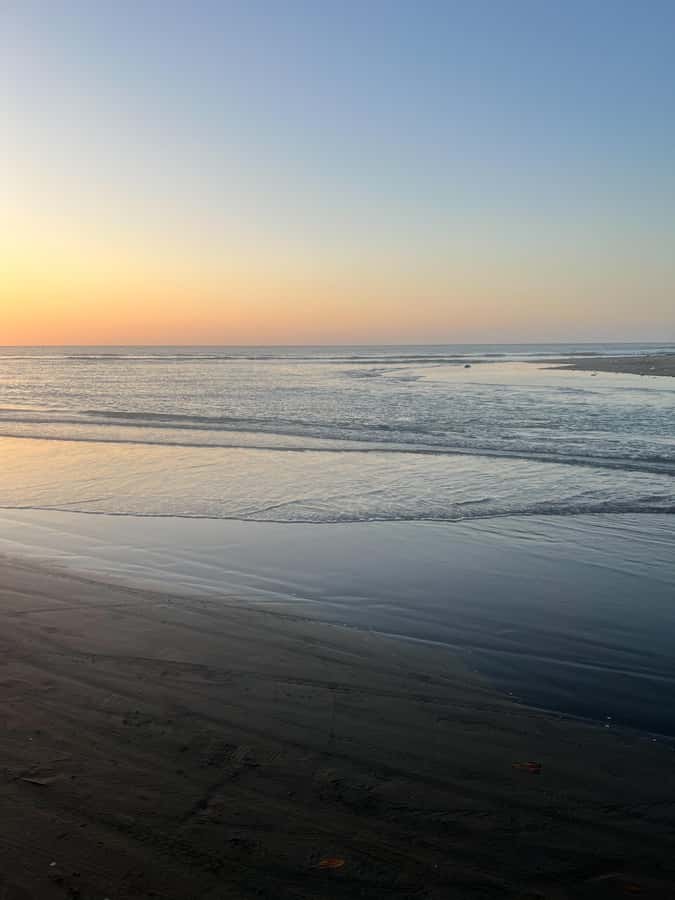
After eating, you get a breather: you can enjoy the beach and submerge in the water if conditions allow. This part is great if you want a calm payoff after hands-on activity.
You can also read our reviews of more tours and experiences in Cartagena
Drums and cultural sampling: short, real, and not too performative
The tour includes cultural sampling of drums, and that’s often where you’ll feel the community energy most. It isn’t a huge show; it’s more like a welcome moment while you’re connected to the island and fishing life.
In some experiences tied to this route, you may get additional cultural interaction beyond the drums—like dancing with local rhythm. Don’t plan your whole day around it, but if it happens, go with the flow. This is the kind of tour where joining in for 10 minutes can make the experience feel personal instead of observational.
What I appreciate is that cultural elements aren’t used as a distraction from the main point. They’re placed right in between the nature and the meal, so you move from mangrove knowledge to local tradition to lunch, all in one coherent half-day.
Beach time after lunch: how to use the last hour well
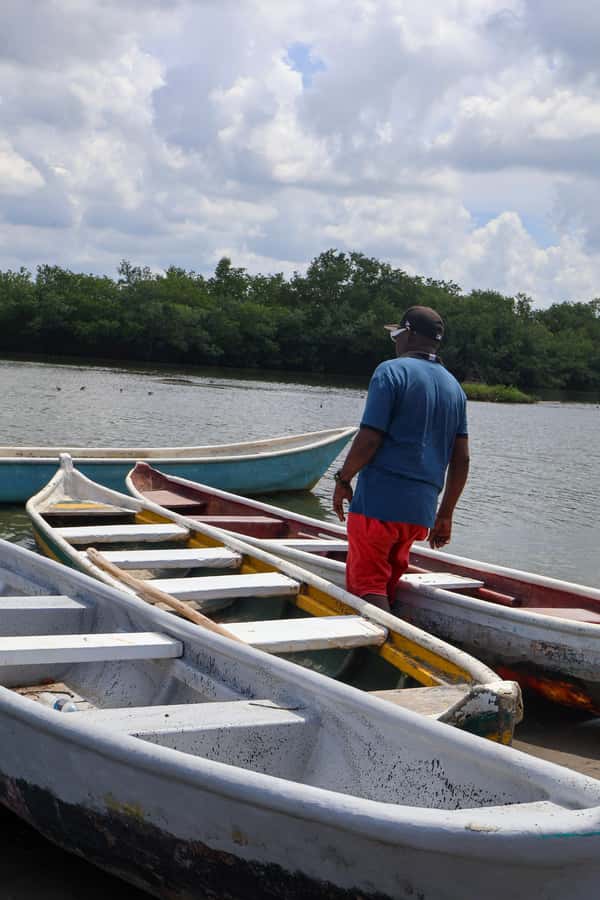
Once lunch wraps, you get time to relax on the beach. This is where the tour earns its “half-day escape” reputation. You’re cooling down after time on the water and switching from learning mode to just being outside.
If you want to make the most of it:
- Keep your swim time simple—enjoy the water, don’t over-plan it.
- Bring a plan for shade and hydration since you’ve already had a coconut drink and lunch, but sun can still surprise you.
- Take a few quiet minutes to compare what the mangroves looked like from the canoe versus the view from shore.
That contrast is part of why this works so well. You get nature, community, food, and then a decompression window.
Is $84 a fair value for mangroves, fishing, and lunch?
At $84 per person for about 4 hours, this is priced like a full experience rather than a cheap “photo stop.” You’re paying for a bundle that normally costs more when sold separately: pickup and drop-off, entrance to Fisherman Island, a native bilingual guide, the guided mangrove tour, the hands-on artisanal fishing activity, plus lunch with a full menu and included drink.
Here’s what makes it feel like good value for me:
- The lunch isn’t tiny. It’s a complete meal at the sea, cooked in an artisanal way.
- You get participation (net/cages/crab pot style learning), not just watching.
- You’re supported by a native bilingual guide, which improves the experience because you can ask real questions while you’re in the mangroves.
In terms of the trade-offs: the tour is not positioned as hardcore fishing or a long remote trek. If you want a “catch something big” fantasy, this may not be your best bet. If you want to learn techniques, see mangroves up close, and eat a proper meal with local people, the price starts making sense fast.
Who should book this Bolívar mangrove lunch-and-fishing tour?
Book it if you like experiences that are grounded in place—where the ecosystem, the fishing skills, and the food all connect. You’ll likely enjoy it if:
- you want nature time but still want community and culture
- you like hands-on activities, even if you’re a beginner
- you want a satisfying lunch rather than a light snack
- you prefer small, human-scale interactions over mega-tour crowds
It’s also a smart pick for food-focused travelers who want to eat what locals eat, not just what’s designed for tourists.
If you’re traveling with kids, the hands-on fishing portion can be a fun learning moment, especially when the guide helps everyone participate. Just remember this is still a mangrove environment with water and uneven areas.
Should you book it?
Yes, I’d book it if your goal is a real mangrove morning plus a serious sea-view lunch, with a native bilingual guide and an activity you can try. It’s hard to beat the combination of water-based ecosystem learning, artisanal fishing techniques, and then sitting down to a proper meal at 12:30.
Skip it if you need mobility-friendly access or you’re only interested in catching fish as the main outcome. Treat it like a skill-and-culture experience first, and you’ll probably leave happy.
FAQ
How long is the tour?
The duration is 4 hours.
Is pickup and drop-off included?
Yes, pickup and drop-off are included, with transport via safe and reliable drivers.
What’s included in lunch?
Lunch includes fried fish, coconut rice, patacones, salad, and fish soup, and the drink is included.
Do I get to participate in fishing?
Yes. There is an artisanal crab and fish fishing activity with a demonstration, and you can participate.
What languages is the guide available in?
The guide is bilingual, with English and Spanish.
Is this tour suitable for people with mobility impairments?
No. It is not suitable for people with mobility impairments.