REVIEW · CARTAGENA
Cartagena: Walled City and Getsemani Shared Walking Tour
Book on GetYourGuide →Operated by Gran Colombia Tours · Bookable on GetYourGuide
Cartagena can feel like a living museum, but this walk keeps it human. You’ll trace the city’s major colonial sights, then shift gears in Getsemaní where color, music, and street art take over. I like that the pace is built for photos and questions, and I also like that you get both history landmarks and neighborhood vibes in one tight 2-hour loop.
One consideration: you’re on your feet for the whole experience, so if you hate walking or you burn easily in sun, plan for comfort first. Also, two hours is an overview, not a full museum day—so you’ll likely want follow-up time afterward to explore what grabs you most.
In This Review
- Key things you’ll notice on this Cartagena walk
- Why this Walled City + Getsemaní route makes sense
- Cost and value: what $16 gets you in Cartagena
- Meeting up: Plaza de Santo Domingo and that black umbrella
- The first hour: Santo Domingo area and the Walled City landmarks
- What to watch for during the Walled City portion
- Las Bóvedas and the plaza rhythm: history you can picture
- The shift to Getsemaní: where the city changes personalities
- Street art on Calle de la Sierpe, Calle San Juan, and beyond
- How to get better photos without slowing everyone down
- How much the guide changes the tour
- Timing and comfort: small choices that make the tour better
- Who this tour is perfect for (and who might want something else)
- Should you book this Cartagena Walled City and Getsemaní walk?
- FAQ
- How long is the Cartagena Walled City and Getsemaní walking tour?
- Where do I meet the tour guide?
- What does the tour cost?
- What is included in the price?
- What language will the guide speak?
- What should I bring?
Key things you’ll notice on this Cartagena walk
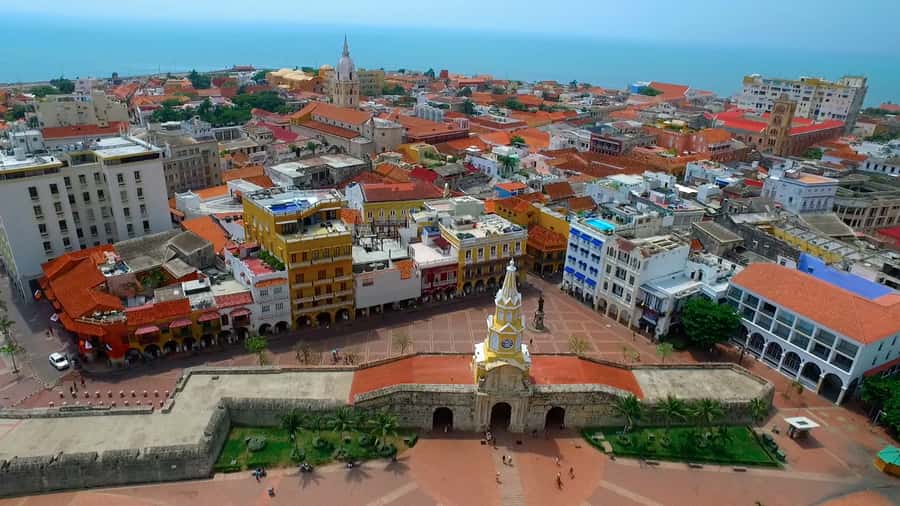
- Plaza de Santo Domingo as your starting anchor, so the history makes sense fast
- Sights like the Cathedral of Santa Catalina de Alejandría, explained in plain terms
- Las Bóvedas and key plazas that show how power and daily life shaped the city
- Getsemaní street art on Calle de la Sierpe to Calle Larga, with time for photos
- Guides praised for storytelling and energy, like Arthur, Isaac, and Nelson
Why this Walled City + Getsemaní route makes sense
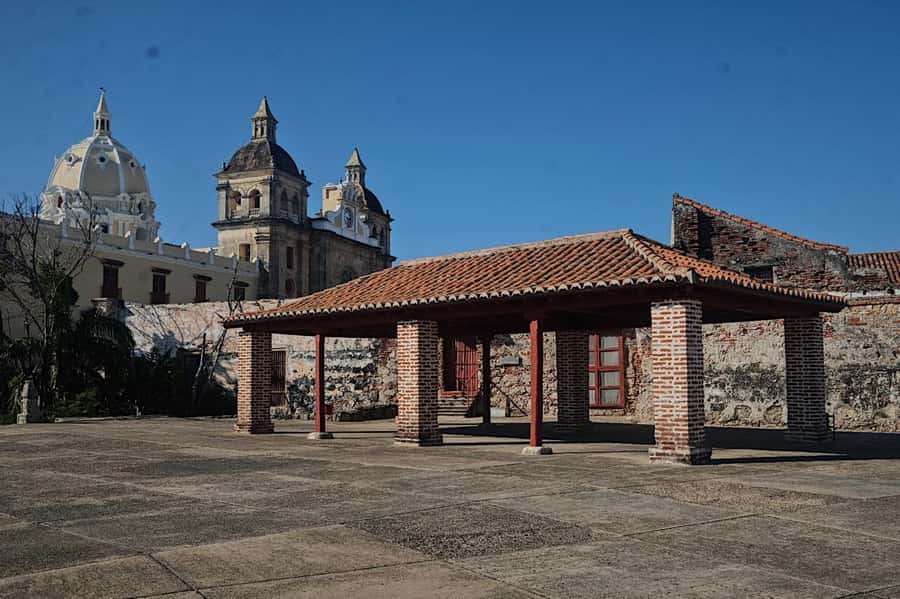
This tour works because it doesn’t try to treat Cartagena as one mood. The Walled City is about defenses, church power, and colonial-era planning—big, heavy themes. Then you step into Getsemaní and the mood flips to creativity, street life, and that slightly rebellious neighborhood spirit.
What I like is the contrast is built into the walk. You start around major plazas and institutions, then you end in a place where walls talk back with graffiti and murals. It’s a smart way to get oriented without spending your day “studying” the city.
And because it’s a shared walking tour, it’s also a good fit for travelers who want a social soundtrack—someone’s asking questions, someone’s laughing, and you’re not wandering alone.
You can also read our reviews of more walking tours in Cartagena
Cost and value: what $16 gets you in Cartagena

At $16 per person for a 2-hour guided walk, you’re paying for structure. That matters in Cartagena, because the city’s layout can be confusing if you only rely on a map app and guesswork. For most first-timers, this kind of guided route helps you stop aimlessly backtracking later.
Included items are simple but useful: you get a tour guide and the tip is included. That’s a small thing, but it removes a common travel headache—figuring out how much to tip a guide while you’re also managing your day.
Is it “worth it”? If you’re the kind of traveler who enjoys context while you walk—why a square is where it is, why a church matters, why certain streets became hubs—then yes. If you only want to plod around and read on your own, you might get less value out of the guidance.
Meeting up: Plaza de Santo Domingo and that black umbrella
You’ll meet at Plaza de Santo Domingo. The instruction is clear: look for a black umbrella.
This matters because Cartagena’s streets can branch quickly, and showing up late turns into a game of phone calls and stress. If you’re even slightly early, you’ll have time to settle yourself, find the guide, and start the walk with a calm brain.
Also, this tour runs in all weather conditions, and an umbrella is provided in case of rain. So you don’t need to overpack umbrellas on top of sunscreen and water.
The first hour: Santo Domingo area and the Walled City landmarks
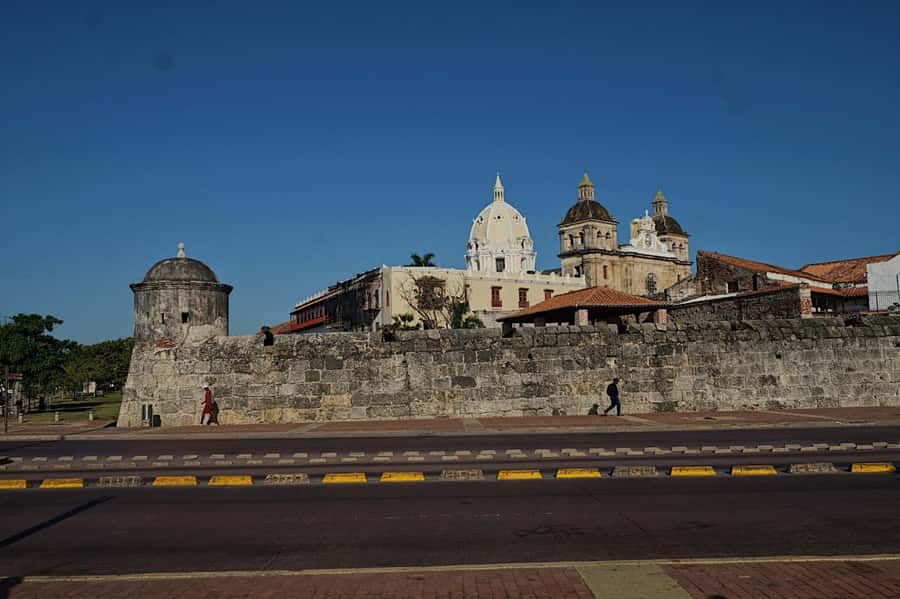
The walk begins with a focus on the Walled City’s core story. You’ll stroll through colonial and colorful houses while you learn how the main squares and bastions shaped the road to independence. Even if you’re not a history person, the way these places relate to each other becomes clearer once you’re standing in front of them.
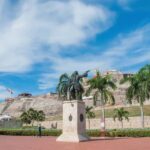
Expect a stop at Santo Domingo’s square and church, where the guide ties together what you’re seeing now with what Cartagena was built to defend and control. Squares in older cities are never just pretty. They’re where people gathered, where power showed up, and where the city’s identity formed.
Then the tour includes a visit to the Cathedral of Santa Catalina de Alejandría. This is one of those stops where you can either rush past the details or slow down enough to understand what makes it culturally important. Since the tour is only two hours total, you’ll want to pay attention during this segment—this is a highlight for a reason.
What to watch for during the Walled City portion
Old cities can turn into a blur if you’re not sure what to look at. Here are a few practical ways to keep the experience sharp:
- Listen for why each plaza and church relates to the city’s broader political story
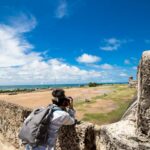
- Use your camera during transitions between squares, not only at obvious landmarks
- Ask one question about something you don’t recognize—you’ll get a better payoff than saving everything for the end
You can also read our reviews of more city tours in Cartagena


Las Bóvedas and the plaza rhythm: history you can picture
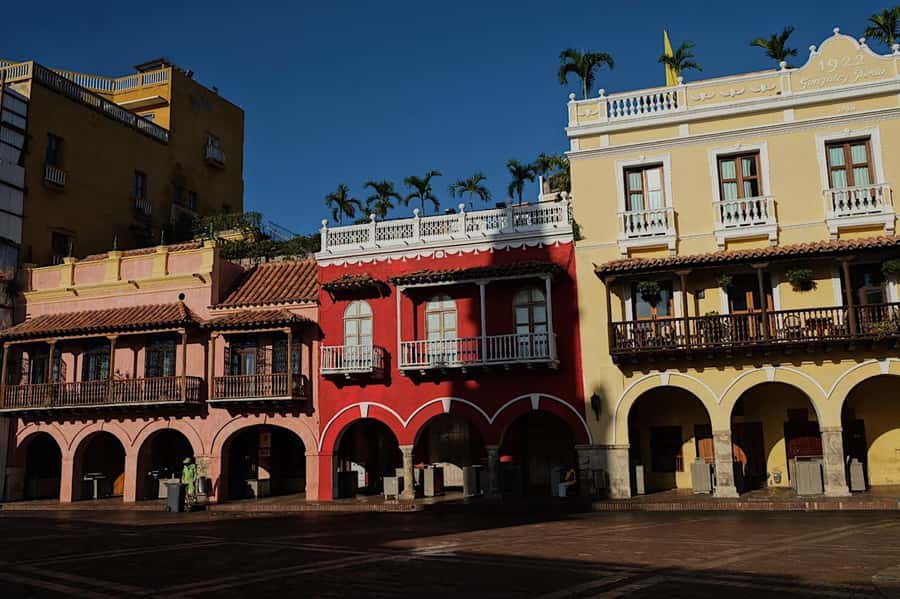
After the church and square focus, the walk brings in Las Bóvedas and additional plaza stops like Plaza de la Trinidad and Plaza Santo Domingo. These moments matter because they show you Cartagena as a working city, not just a postcard.
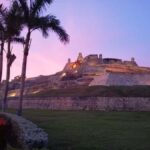
Las Bóvedas is often where people start to understand how structures and space were designed for survival and control. Even if the details aren’t obvious at first glance, a guide helps you connect the architecture to real life: what people needed, what authorities demanded, and how the city shaped behavior.
Plazas are your “reset points.” In the Walled City, they’re where the guide can zoom out and explain bigger ideas while you’re standing in an actual place that helped create those ideas. It’s an efficient learning style: walk, pause, understand, then move on.
A small practical tip: if you tend to get overheated, this is a good time to hydrate and take a breather. You still have Getsemaní to reach.
The shift to Getsemaní: where the city changes personalities
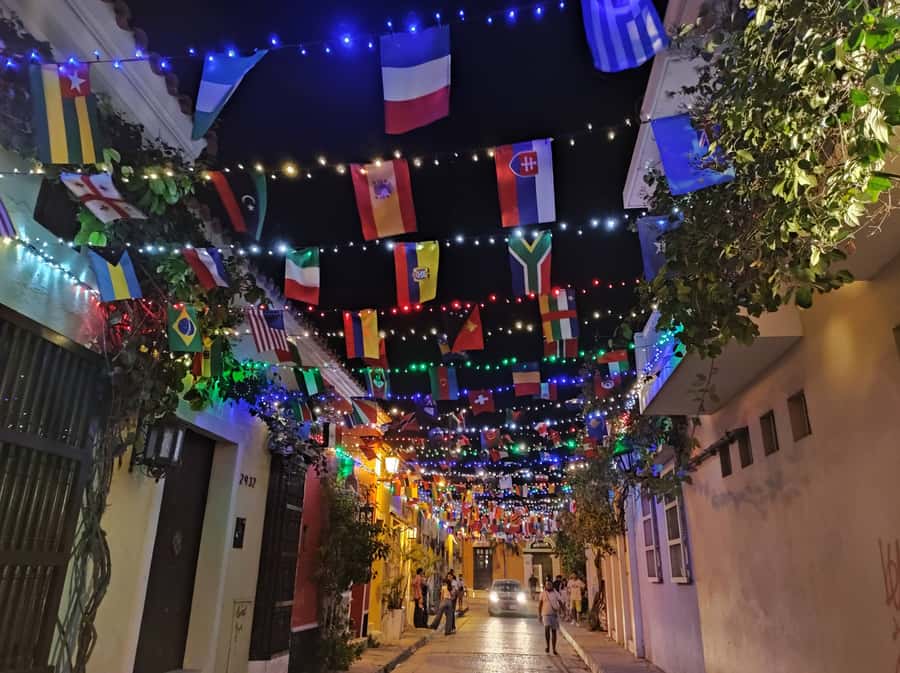
After the Walled City segment, you head into Getsemaní, known for a bohemian spirit. The difference is noticeable. The streets feel less formal. The walls feel more like conversation than decoration.
Getsemaní is also where locals gather outside their houses. That’s the part you’ll probably remember most—not because it’s dramatic, but because it makes Cartagena feel lived-in. You’re not just looking at history; you’re seeing daily city life layered onto centuries-old streets.
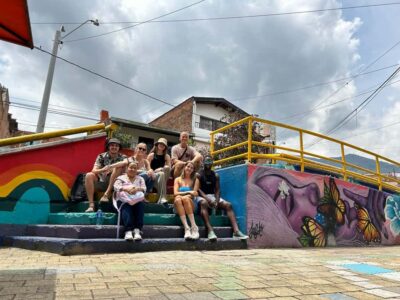
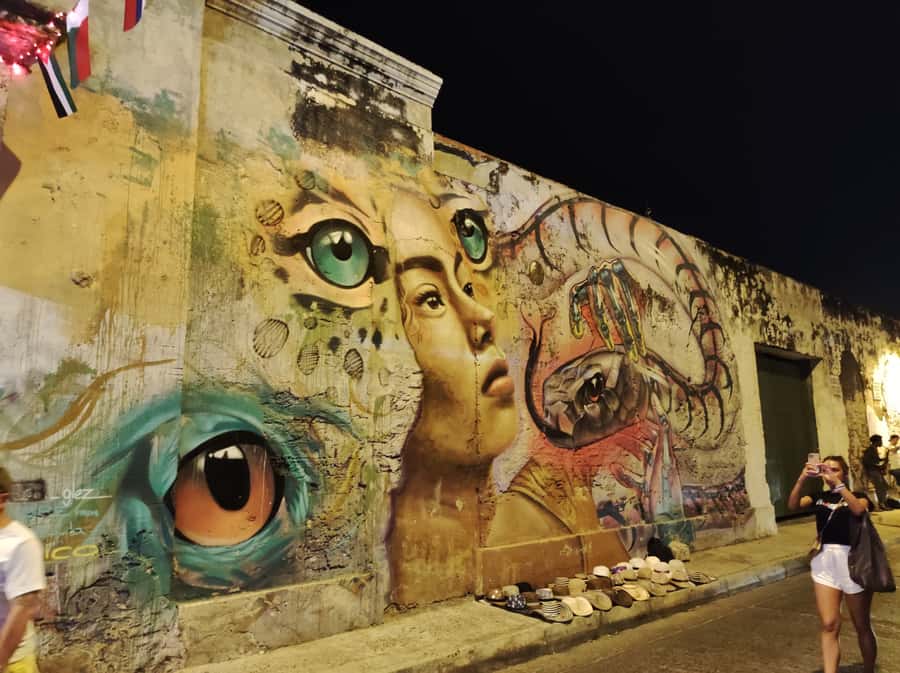
And yes, you’ll see plenty of street art. But don’t treat it like a random mural stop. The tour frames it as part of the neighborhood’s identity—color, creativity, and that welcoming, friendly energy locals share with people who walk by.
Street art on Calle de la Sierpe, Calle San Juan, and beyond
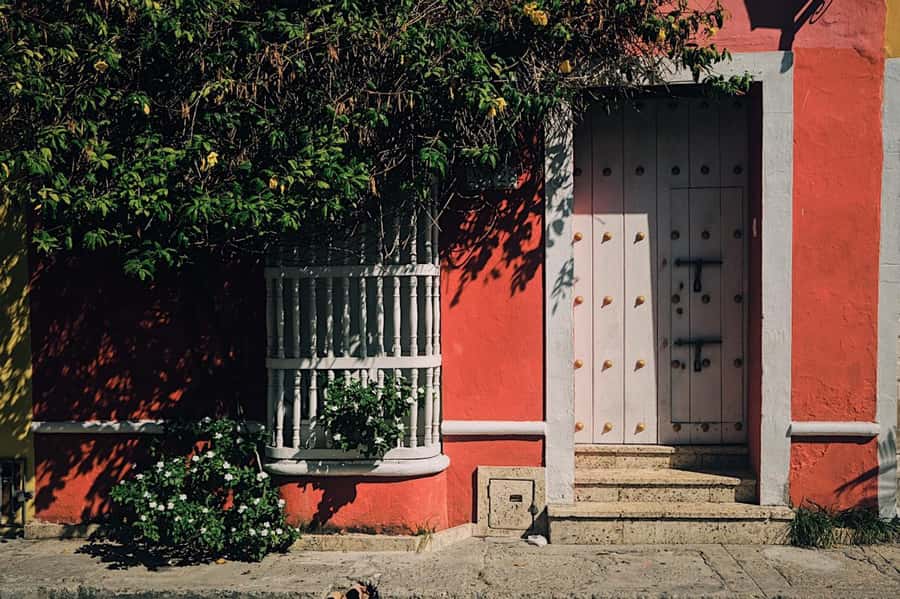
This is where the tour gets fun in a very practical way: you’ll have a route designed for sightseeing and photo stops. The street art is mapped to streets like Calle de la Sierpe, Calle San Juan, Calle de la Media Luna, and Calle Larga.
You’ll also have the chance to spot work from some of the best graffiti authors, which is a big deal if you care about more than generic “tourist graffiti.” The guide’s pacing helps you see the artwork as part of a wider street scene instead of isolated images.
How to get better photos without slowing everyone down
Even on a group walk, you can get great results if you’re smart:
- Photograph the street art from the sidewalk angle first, then step back for a wider shot
- Save your close-up shots for the pieces that your guide explains as significant
- Keep an eye on shade. In bright sun, vivid colors can look even better, but eyes tire fast
If you’re traveling with a camera phone, this neighborhood is perfect for grabbing quick shots. If you’re using a real camera, it’s also an easy place to practice because the walls give you strong textures and color contrast.
How much the guide changes the tour
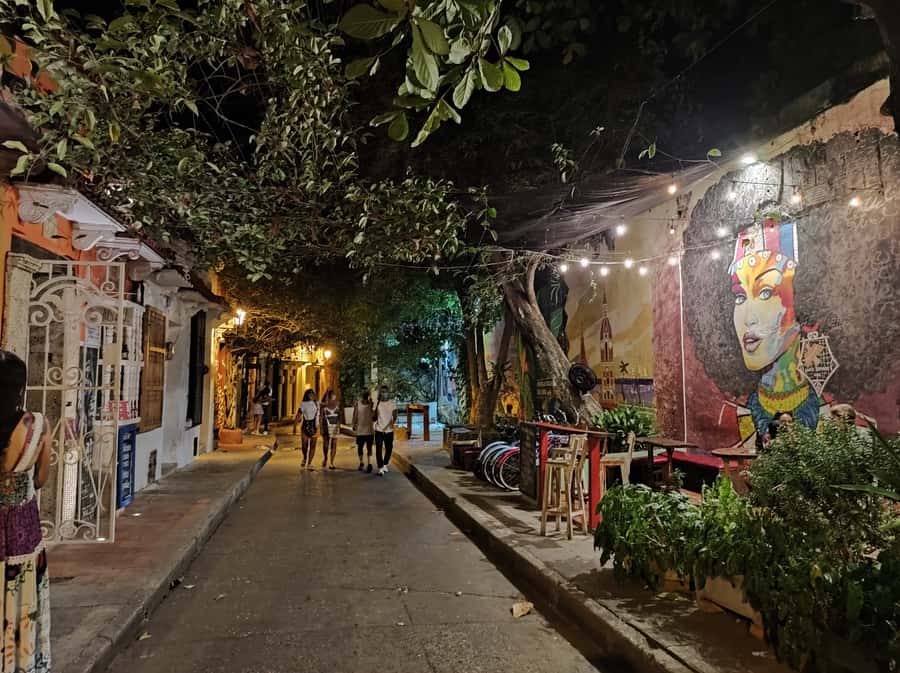
This is the part you can’t fully predict, but you can plan for it. The tour is described as a live guided walk with language support in both Spanish and English (depending on the group).
When guides are strong, the tour becomes more than sightseeing. People often name guide styles like animated storytelling, patience with questions, and even extra help with photography. Names that come up include Arthur, Rafael, Isaac, Nelson, Jorge, and Miguel—with praise tied to energy, clarity, and giving practical suggestions along the way.
If your guide is a high-energy storyteller, you’ll walk slower without feeling stuck. You’ll start noticing details you would’ve missed: how the city’s layout links to independence, why certain institutions matter, and why Getsemaní feels the way it does.
If your guide keeps things organized and patient, you’ll feel comfortable asking questions mid-walk. That’s not just nice. It directly improves the payoff because you’re learning while you’re still in front of the sight.
Timing and comfort: small choices that make the tour better
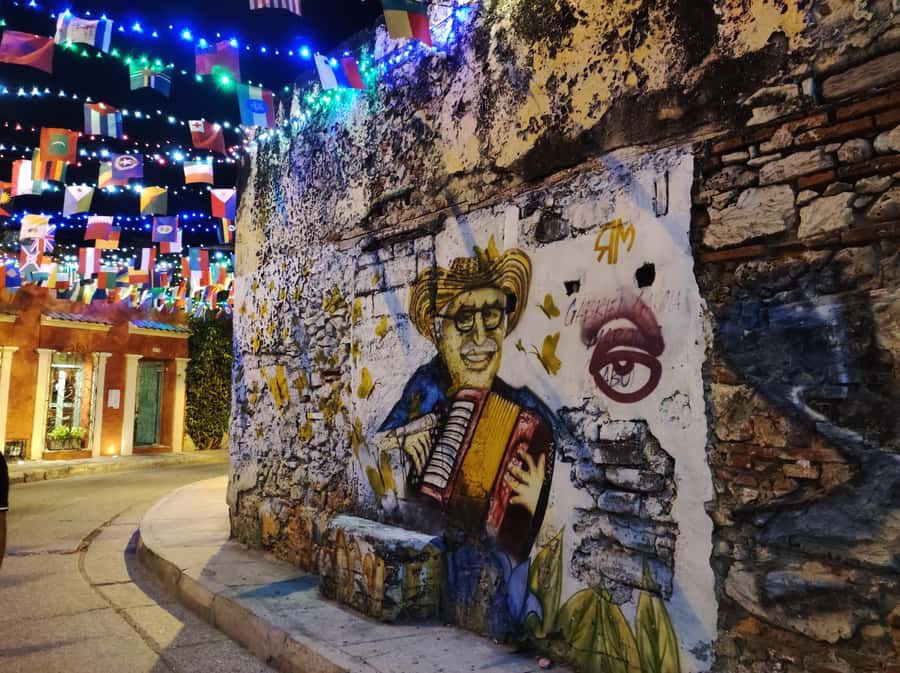
Because this is a walking tour, comfort affects the quality of your day. Bring comfortable shoes, water, sunscreen, and camera. Also wear weather-appropriate clothing—Cartagena weather can swing depending on the time of year and day.
A simple strategy: schedule this tour when you still have energy for two parts. The first hour is history and architecture, and the second part is street art and neighborhood wandering. If you do it right after a long beach afternoon, you might find your brain drifting.
If you’re the type who likes photo time, you’ll get better results if you arrive prepared to slow down when the guide points something out. You’ll get more value from the walk if you treat it like guided looking, not just transportation.
Who this tour is perfect for (and who might want something else)
This one is a great match if:
- You’re in Cartagena for the first time and want orientation fast
- You enjoy history, but you also want your day to end with something colorful and creative
- You want a guided route that helps you decide where to go next
It might be less ideal if:
- You want a museum-style, sit-down deep dive (this is designed to move)
- You dislike street art or graffiti as a theme
- You’re trying to do a totally packed schedule where 2 hours of walking will feel like an obligation
For most people, it’s a strong “first day” activity. You learn the city’s spine, then you can roam confidently later.
Should you book this Cartagena Walled City and Getsemaní walk?
I’d book it if you want a smart, low-cost introduction that balances major landmarks with the real street personality of Getsemaní. The price-to-time ratio is solid, and the structure prevents that common first-timer problem: spending your whole trip trying to figure out what you’re looking at.
Skip it only if walking makes you miserable or if you already know you only want one side of Cartagena. If you want both—the plazas and the street art—this is one of the easiest ways to get there.
FAQ
How long is the Cartagena Walled City and Getsemaní walking tour?
It lasts 2 hours.
Where do I meet the tour guide?
Meet at Plaza de Santo Domingo and look for a black umbrella.
What does the tour cost?
The price is $16 per person.
What is included in the price?
The tour includes a tour guide and tip.
What language will the guide speak?
The tour can be in Spanish and English, and it may run with both languages at the same time depending on the group.
What should I bring?
Bring comfortable shoes, a camera, sunscreen, and water, plus weather-appropriate clothing. An umbrella is provided if it rains.