REVIEW · LIMA
From Lima : 360° Panoramic Bus
Book on GetYourGuide →Operated by Journey Peru SAC · Bookable on GetYourGuide
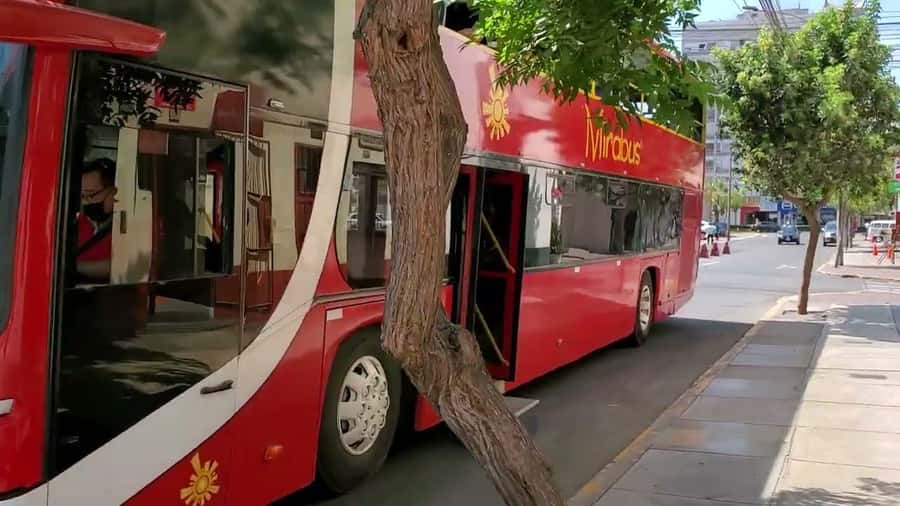
A city tour where the bus is the show. This 360° panoramic bus ride makes Lima easy to read, with stops and views at major landmarks like Huaca Pucllana and the historic center. I especially like the smart pacing for a half-day plan and the live English or Spanish guide who keeps things moving and attentive. One possible drawback: the historical explanations can feel brief, so bring curiosity and don’t be shy about asking follow-ups.
If you’re short on time or you want first-day orientation, this is a solid way to get your bearings in Lima. The route starts in Miraflores (Av. Petit Thouars 5492) and loops through both the old and newer parts of the city, then returns to the same meeting point. Just note it’s not ideal if you use a wheelchair or if visual access is a priority.
In This Review
- Key Points That Make This Tour Worth Your Time
- Why the 360° Panoramic Bus Works for Lima’s Layout
- From Av. Petit Thouars (Miraflores) to Huaca Pucllana: Getting Oriented in the First Stretch
- Old Lima by Bus and Foot: Fifty-Plus Highlights Without Feeling Lost
- Museo Convento de Santo Domingo: Where the Religious Art Stop Adds Texture
- San Isidro and Miraflores Views: Contemporary Lima From the Road
- Price and Timing: Is $45 Good Value for This 3.5-Hour Loop?
- How to Make the Most of the Guide (Without Needing Extra Time)
- Getting There and What to Bring on a Hot Lima Day
- Who Should Book This Tour (and Who Might Feel Frustrated)
- Should You Book the Lima 360° Panoramic Bus Tour?
Key Points That Make This Tour Worth Your Time
- 360° viewing on the bus means you can scan Lima without constantly turning around.
- Huaca Pucllana is passed on the way in, so you get a meaningful Inca-era anchor before the old town.
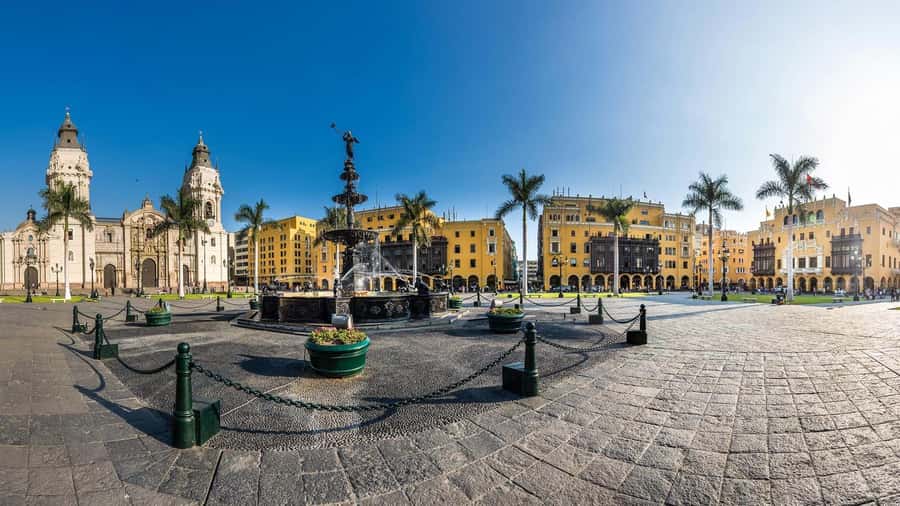
- Old Lima with over 50 monuments gives you a fast look at squares, buildings, and highlights like the cathedral.
- Museo Convento de Santo Domingo adds a focused stop for religious art exhibits.
- San Isidro and Miraflores neighborhoods help you connect the city’s past to its more residential, modern feel.
- A live guide is present and attentive, though the building history may be quick.
Why the 360° Panoramic Bus Works for Lima’s Layout
Lima can be confusing at street level: neighborhoods feel separate, and distances can add up fast. This tour solves part of that problem with a 3.5-hour ride that’s designed for viewing. You get a structured loop that moves you across different eras of the city without the stress of constant navigation.
The 360° design is more than a gimmick. It’s practical. You can watch street life, architecture, and turning points as you pass them, and you don’t miss things while the group is relocating. If you’re the type who likes to build a mental map quickly, this format helps a lot.
The value is also in the balance: it’s not just a sightseeing drive, and it’s not a deep academic lecture. It’s a short cultural tour built to fit into your free time, especially if you’re already planning other activities in Lima.
You can also read our reviews of more tours and experiences in Lima.


From Av. Petit Thouars (Miraflores) to Huaca Pucllana: Getting Oriented in the First Stretch
The meeting point is Av. Petit Thouars 5492, Miraflores, and the tour starts from there. There’s no hotel pick-up service, so you’ll want to arrive on time and ready to board. This matters because the whole day plan depends on that first start.
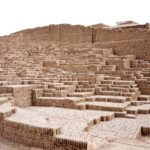
Right away, you’re guided through what the tour describes as Ancestral Lima, then you pass Huaca Pucllana. Huaca Pucllana is an important ceremonial and archaeological center, and it’s considered sacred by the Incas, which gives the stop real weight even if you’re not spending hours there.
What you’ll enjoy most in this early segment is context. By the time you reach the historic center later, you’ll understand that Lima isn’t just colonial-era buildings—it has deeper layers. Even a pass-by can help you frame what you’re seeing next.
One note: if you want more detailed explanations about each landmark, you might find you need to ask targeted questions. Based on past feedback, some guests feel the history of buildings is shared quickly, so don’t assume you’ll get a full lecture at every point.
Old Lima by Bus and Foot: Fifty-Plus Highlights Without Feeling Lost

The heart of the tour is Lima’s old town, where you explore more than fifty monuments, buildings, and places of interest. That’s a lot of stops for a short time, and the tour wisely focuses on the highlights that help you recognize the city faster later.
You’ll see charming squares, the impressive cathedral, and other outstanding sites as the itinerary unfolds. The practical benefit is that you’re not just collecting photos—you’re getting a mental catalog. Squares help you understand how public life is arranged; the cathedral gives you a major landmark you’ll likely see again in your future Lima plans.
The trade-off is also part of the deal: with so many highlights packed in, the commentary can be brief. Some people love this style because it keeps energy up. Others may want more time on specific buildings. If you’re the second type, treat the tour as your map-and-basics session, then plan a follow-up visit to the places you care about most.
If you enjoy a guided “orientation walk,” this section is a good match. It’s also a great way to learn which streets and areas you’ll want to explore on your own afterward—especially around major historic clusters.
Museo Convento de Santo Domingo: Where the Religious Art Stop Adds Texture
After the historic center, the tour heads to Museo Convento de Santo Domingo. This visit focuses on religious art exhibits inside a convent setting. That combination—art + sacred architecture—gives you a slower moment in the middle of a day that’s otherwise built for moving.
This stop is included, and that’s important for value. Entrance fees can add up quickly in Peru, and when a tour includes an entry ticket, you avoid the extra planning step. Here, it also helps you switch from street-level viewing to a more interpretive experience.
What makes this segment worth your time is variety. You’ll see a different side of Lima than what you get just from architecture outdoors. Religious art exhibits can also make the larger historic story feel more personal, because it turns buildings into something people actually used and experienced.
If you’re not sure what to expect, aim to go in with basic patience: the tour schedule is tight, so your time inside may be limited compared to a standalone museum visit. Still, for a half-day plan, it’s a meaningful cultural anchor.
San Isidro and Miraflores Views: Contemporary Lima From the Road
On the way back toward the end, the itinerary shifts to contemporary Lima, including the residential areas of San Isidro and Miraflores. This part isn’t about ruins or colonial sites. It’s about modern Lima’s everyday setting—how the city looks when it’s not focused on major tourist monuments.
I like this contrast because it changes how you interpret what you saw earlier. Old Lima can feel like a separate world until you understand what surrounds it and what daily life looks like nearby. San Isidro and Miraflores give you a visual bridge between eras.
Also, riding through residential zones is ideal for photography without needing to chase locations. You can focus on street views, building styles, and the general rhythm of neighborhoods. With the 360° bus setup, you can capture angles from both sides and scan the streets as you pass.
If you’re staying in Miraflores (many visitors do), this segment can help you confirm the vibe of where you’ll spend your evenings.





Price and Timing: Is $45 Good Value for This 3.5-Hour Loop?
The price is $45 per person, and it’s designed to be a straightforward half-day activity. For many travelers, the question isn’t just cost—it’s whether you’ll get enough highlights in enough time to justify the ticket.
Here’s what you get at a glance: 360° panoramic bus, a professional live guide, and entrance included. That’s a useful bundle. The bus format saves time compared with piecing together multiple stops on your own, and the guide’s job is to keep the route coherent across several areas. Without a guide, you might see landmarks, but you might miss connections that make the city feel like one story.
The duration is 3.5 hours, and you should check availability for starting times. This matters because Lima afternoons can be busy, and you don’t want to schedule your tour right before something else time-sensitive. If you’re planning shopping, a museum, or dinner reservations, this length usually fits neatly.
What you should watch for is how information depth is handled. One piece of feedback noted the history of buildings was brief and quick. That’s consistent with the tour’s fast pace and many stops. So the price feels fair if your goal is orientation, highlights, and a short culture hit—not an in-depth lecture.
How to Make the Most of the Guide (Without Needing Extra Time)
The tour includes a live guide in Spanish and English. Based on feedback, the guide presence can make the experience feel smoother—especially if you’re trying to keep track of where you are and when to listen. That’s a real benefit on a city tour with a lot of movement.
To get better results from the short format, do two things:
- Ask one question at the moments when you’re standing still or when the bus is pausing briefly.
- Pick the landmarks you care about most beforehand—like Huaca Pucllana, the cathedral area, or Santo Domingo—so your attention doesn’t scatter.
Also, remember this tour isn’t set up as a long museum day. If you want deep reading, plan a second visit later. Treat this tour as your structured overview, then return on your own to the places that spark your curiosity.
And yes, bring your basics so you’re not distracted. The tour suggests a passport or ID card, sunglasses, sun hat, sunscreen, and cash.
Getting There and What to Bring on a Hot Lima Day
There’s no hotel pick-up service, so your success starts with the meeting point: Av. Petit Thouars 5492, Miraflores. The tour ends back at the meeting point, which is convenient if you’re planning your own dinner nearby.
You’ll be contacted via WhatsApp one or two days before the tour to provide your pick-up time. Since you’re meeting at a fixed address, think of this message as confirming when you should arrive rather than arranging transport from your hotel.
For what to bring:
- Bring passport or ID
- Bring sunglasses, sun hat, and sunscreen
- Bring cash
These items sound basic, but in Lima’s sun and on a sightseeing schedule, they matter. If you arrive underprepared, the heat can turn a good half-day tour into a stressful one.
Who Should Book This Tour (and Who Might Feel Frustrated)
This is a good fit if you want:
- A short half-day orientation to multiple parts of Lima
- A guided loop that covers historic highlights quickly
- 360° bus viewing that makes photos and situational awareness easier
- A mix of outdoor sights plus one included cultural stop at Museo Convento de Santo Domingo
It may not be the best fit if you:
- Want a slow, detailed history session on every building
- Need wheelchair access, because the tour is not suitable for wheelchair users
- Rely on accommodations for visually impaired visitors, since it’s not suitable for that either
If you’re traveling with limited time or you want to understand the city before going deeper on your own, this tour does the job.
Should You Book the Lima 360° Panoramic Bus Tour?
I’d book it if you’re looking for a practical, guided way to cover Miraflores, Huaca Pucllana (at least passing by), the historic center with its many landmarks, and an included museum stop—all in 3.5 hours. The value at $45 makes sense because the ticket includes the bus ride, the guide, and entrance, so you’re not doing extra planning mid-trip.
Skip it (or plan differently) if you want extensive, slow history at each site. The pacing is built for highlights, not deep lectures. Still, for most people who want to see Lima in one coherent loop and then explore selectively later, this is a smart use of time.
If you book, come with a short list of what you most want to photograph or learn. The guide can only work with the time you give, and a little direction from you can turn a quick stop into something memorable.