REVIEW · CARTAGENA
Cartagena: Colombian Specialty Coffee Tasting
Book on GetYourGuide →Operated by In Cartagena · Bookable on GetYourGuide
A great cup can start with a single smell. This Cartagena Colombian specialty coffee tasting teaches you what makes the real thing different, then guides you through three brewing methods so you can taste the changes for yourself. I like that it goes beyond drinking by focusing on the full journey, from coffee processing to how to read flavor. One thing to plan for: the session can feel more like a focused lecture and tasting lab than a super social hangout.
What I like most is the structure: you start with coffee history and processing, then do sensory exercises like a coffee nose check before you sip. I also love the practical tasting format, where you compare profiles side by side and learn simple language for what you’re noticing. As a bonus, the space is clean and comfortable, and the instructors can run the whole thing in English or Spanish.
In This Review
- Key points to know before you go
- From parchment bean to cup: what the 2-hour tasting really teaches
- Coffee processing and the coffee nose: smell before you sip
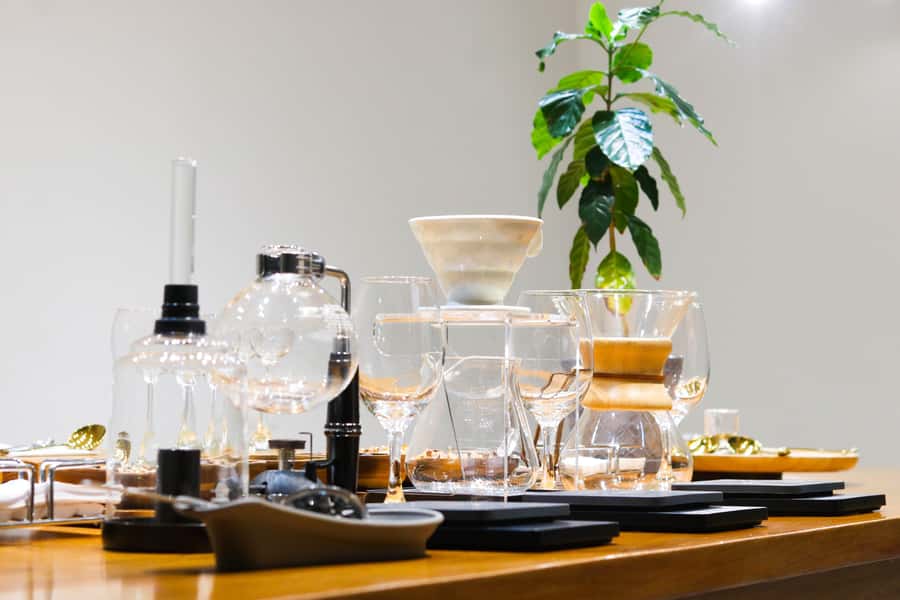
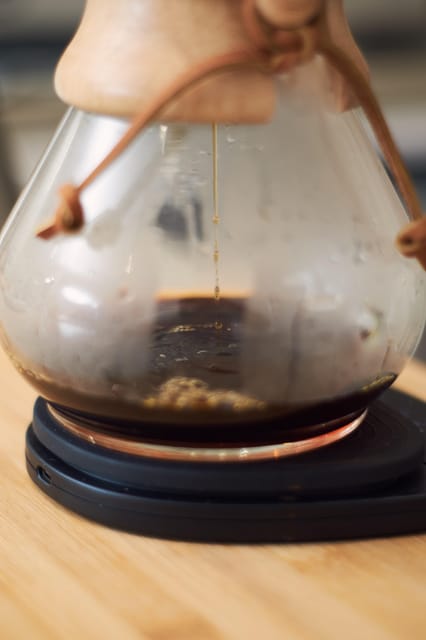
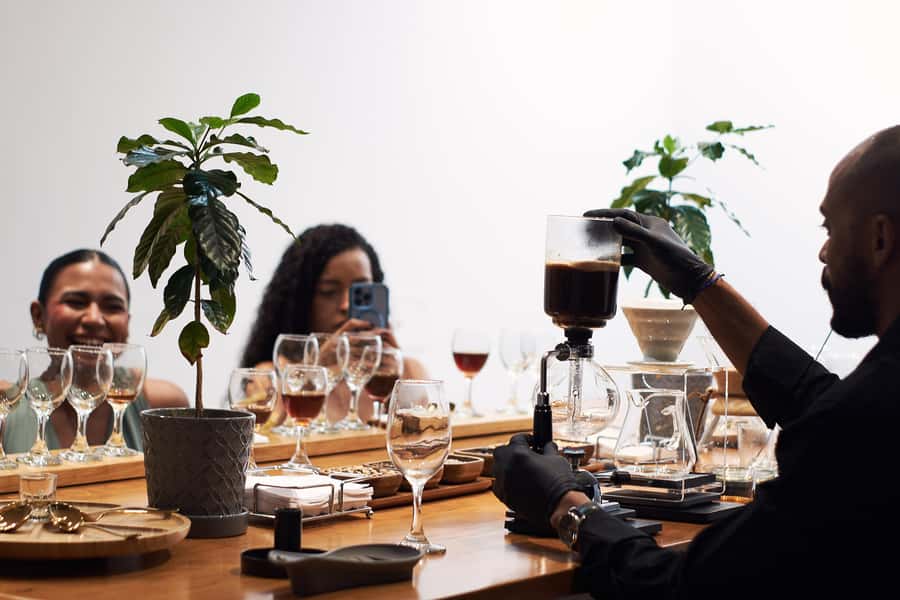
- Three brew methods in one session: Chemex, V60, and Hario TCA-5
- How to taste like you mean it: body, profiles, and a simple sensory vocabulary
- Who this fits best in Cartagena (and who might feel mismatched)
- Finding the coffee experience center fast: avoid the GPS snag
- Price and value: why $15 can feel like more than a tasting
- Should you book this Cartagena specialty coffee tasting at Cafe-472?
- FAQ
- What’s included in the Cartagena Colombian specialty coffee tasting?
- How long is the experience?
- How much does it cost?
- Which languages is the instructor available in?
- What brewing methods are part of the tasting?
- Is there anything you should avoid bringing or wearing?
- What’s the meeting point like?
- Is free cancellation available?
Key points to know before you go
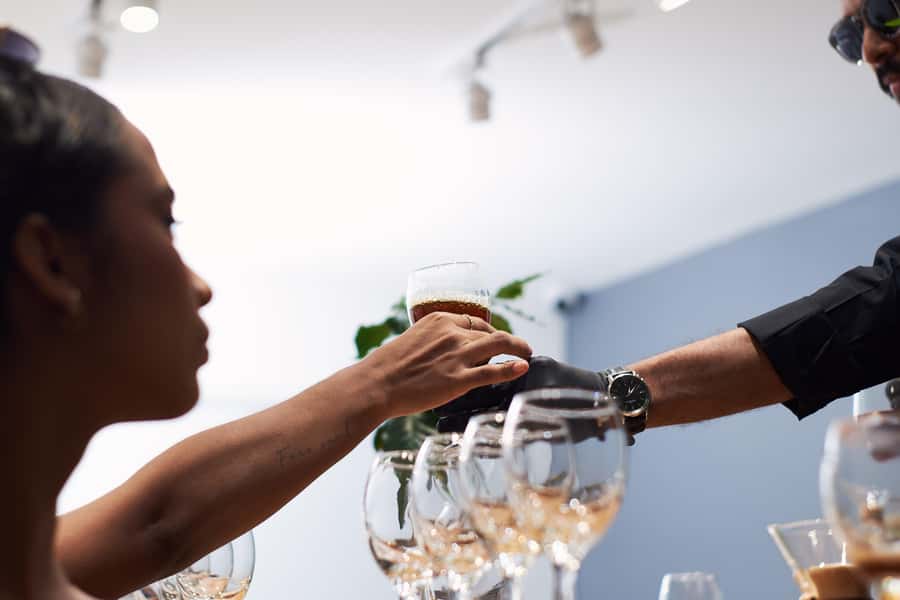
- Seed-to-cup focus in a classroom-style coffee experience center
- Coffee nose + tasting prompts using fruits, dehydrated fruits, and chocolate
- Three brew methods you can compare in one sitting: Chemex, V60, and Hario TCA-5 siphon
- Build a sensory vocabulary for body and flavor nuance, not just opinions
- Instructor-led, bilingual options with guides like Thomas, Santiago, Arturo, Pedro, and Miguel noted in past sessions
- No strong fragrances allowed, so bring your deodorant, not your perfume
From parchment bean to cup: what the 2-hour tasting really teaches
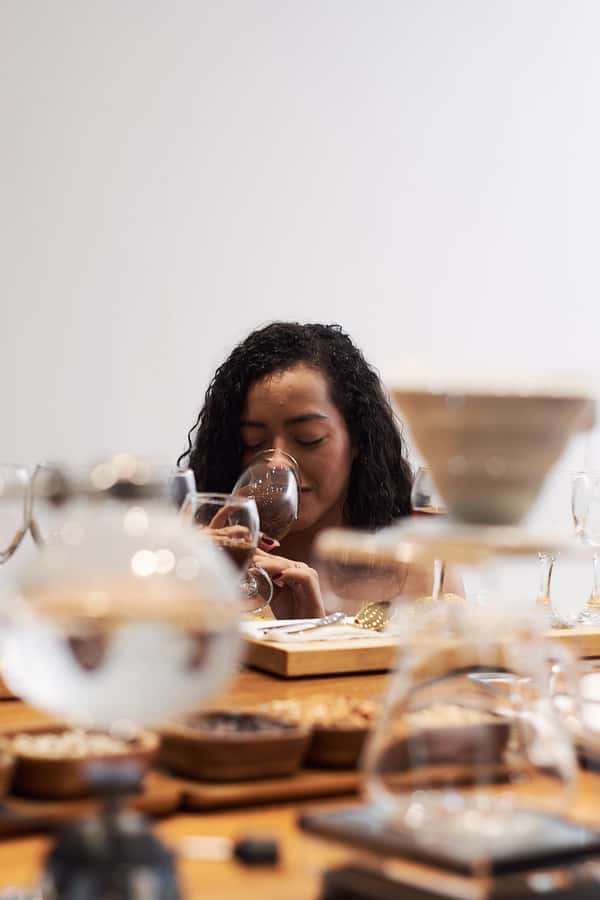
This is a two-hour workshop in Bolívar that’s designed like a coffee lab, not a casual café tasting. You’ll spend most of the time learning the steps that create flavor: where coffee comes from, how it’s processed, and how different brewing methods change what you experience in the cup.
The big value is that you don’t just get coffee. You get a repeatable way to taste. You’re guided to notice how aroma shows up first, how extraction affects body and balance, and how different profiles can feel smooth even when the flavors seem totally different.
If you’re the kind of person who always wonders why one coffee is fruity and bright and another tastes flat, this class gives you the why. And if you’re newer to coffee, it keeps it approachable by turning tasting into a set of steps you can follow.
You can also read our reviews of more food & drink experiences in Cartagena


Coffee processing and the coffee nose: smell before you sip
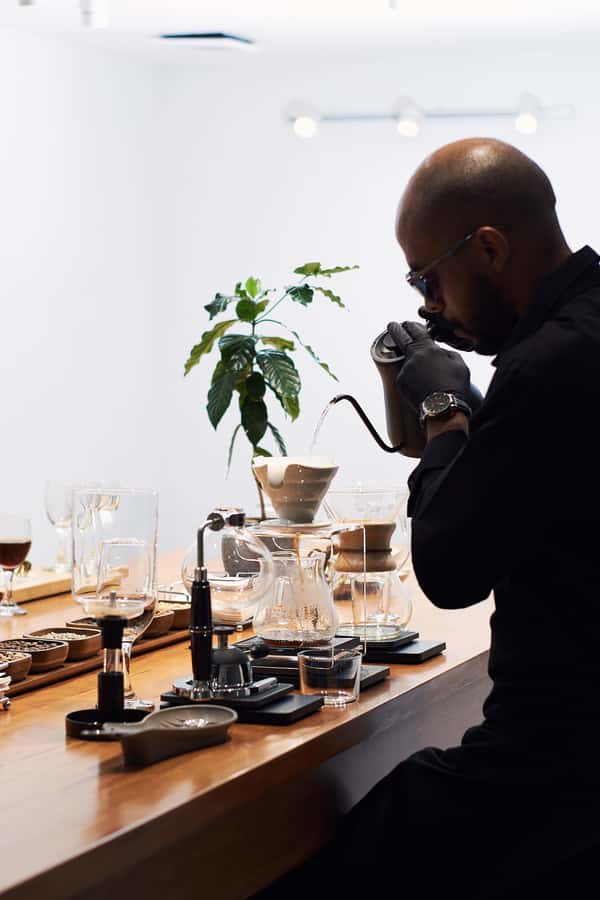
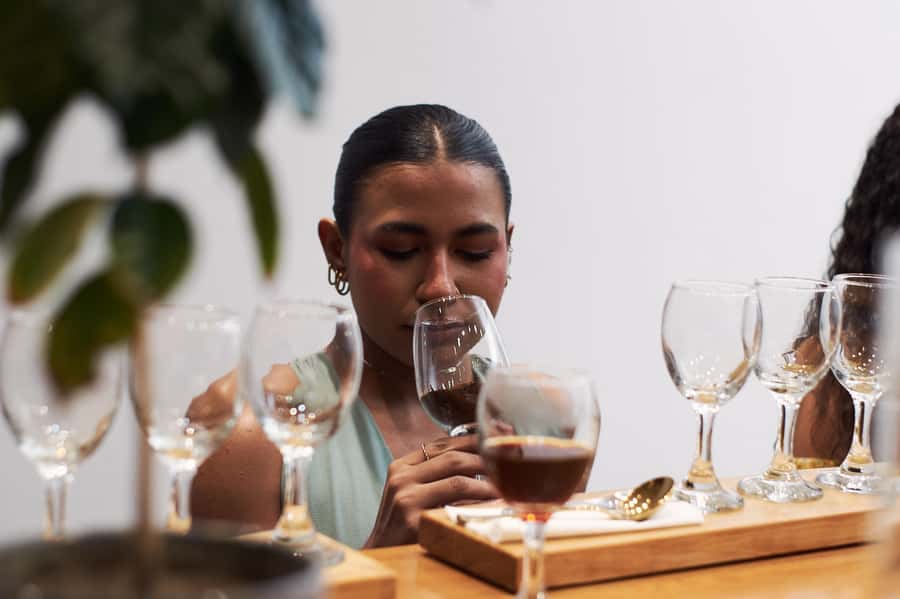
A standout part is the olfactory activation they build into the session. You’ll use a coffee nose exercise, which is basically training your brain to separate aroma signals instead of just thinking this smells good.
Then you’ll get taste supports like fresh fruits, dehydrated fruits, and chocolate. That combo matters because it gives you clear reference points. When you later smell and taste the coffee, you can map what you notice onto real-world flavors you already know how to describe.
One practical way to use this: go in with a quiet mind. Don’t rush to judge. Take one aroma, name it in your head, then sip and see if your guess matches. That’s how the vocabulary part clicks.
Also, one easy rule: plan to avoid strong fragrances. It’s not just etiquette. Smells in the room can mess with training exercises, and this experience is built around precision.
Three brew methods in one session: Chemex, V60, and Hario TCA-5
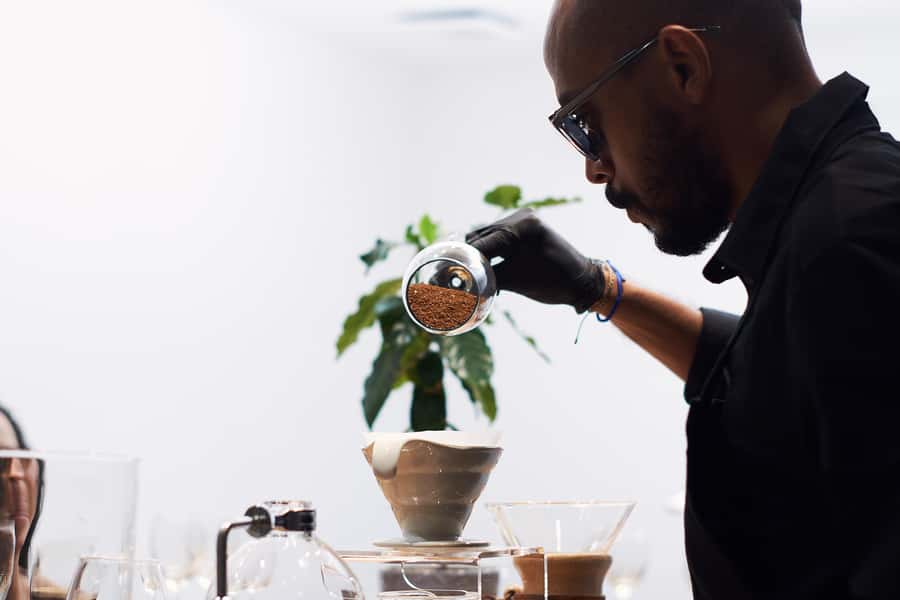
The class compares three Colombian specialty coffees using three very different brewing approaches. The point is simple: same origin country, different extraction method, different cup.
Here’s what you can expect based on how the tasting is described:
- Chemex: you’ll taste a cup that tends to highlight fruity and complex notes. It’s often the one people describe as “clean” while still tasting layered.
- V60: expect more brightness and body. It’s usually the most obvious when you’re learning how extraction affects acidity and weight in the mouth.
- Hario TCA-5 siphon: this siphon method is known for a rounder, smooth cup, with honey-like aromas mentioned in past sessions.
What makes this set-up useful for you is that it forces a comparison. Instead of tasting one coffee and moving on, you taste, reset, and compare.
If you’re curious why specialty coffee people talk about extraction so much, this is the moment it becomes real. You’ll start to understand how brewing choices can pull out different characteristics: fruit vs. sweetness, brightness vs. body, sharpness vs. roundness.
And yes, the coffee is the star. Many past participants highlight the smoothness of the tasting and the quality level, which is exactly what you want for learning. Low-quality coffee makes every method taste worse, so the class can’t do its job.
How to taste like you mean it: body, profiles, and a simple sensory vocabulary
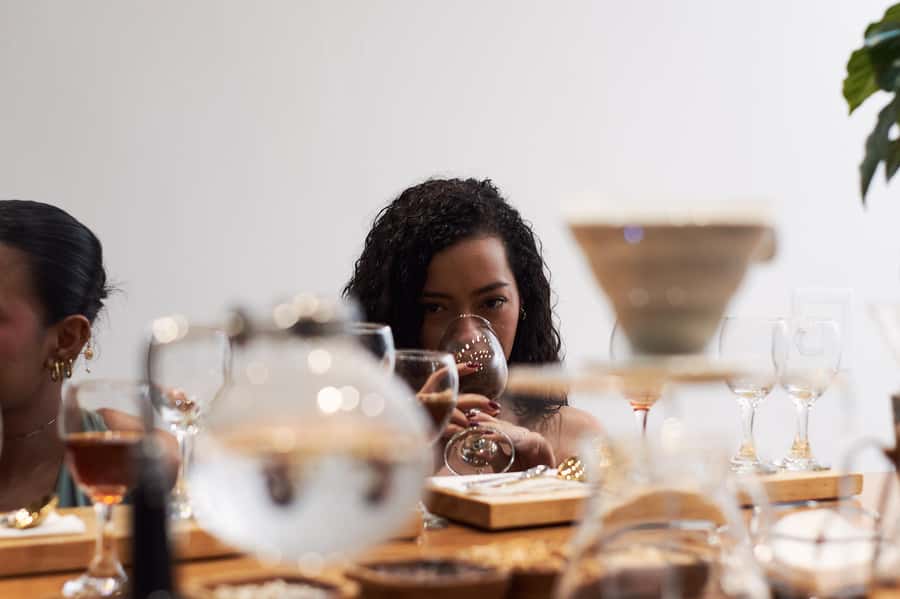
The workshop spends time helping you develop a sensory vocabulary. That sounds fancy, but it’s really about learning words that match what your senses are picking up.
You’ll practice noticing things like:
- Body: does the cup feel light, medium, or more rounded and full?
- Aroma patterns: fruit, floral hints, chocolate notes, or honey-like sweetness
- Flavor direction: does it land bright and crisp, or smooth and rounded?
From the way the class is described, this isn’t random sniffing. You’re getting prompts that help you recognize the same type of signal across multiple cups.
A small but important tip for you: take notes like a scientist, not like a poet. Short phrases help. For example, write what you noticed for each method: Chemex profile words, V60 profile words, siphon profile words. When you later order coffee in Cartagena—or at home—you’ll remember your own personal map.
And if you’re the kind of person who wants to do this again: you’ll leave with a diploma titled Awakening of the coffee senses – From the seed to the cup, which is a nice way to make the learning feel official (and fun).
Who this fits best in Cartagena (and who might feel mismatched)
This is best for you if you want to learn how to taste coffee properly while enjoying high-quality brews. It also works great if you like structured activities where you get guided practice instead of guessing.
It’s especially good if you’re traveling with someone who doesn’t always love coffee. Several people mention this as a highlight: one person can be the coffee nerd, the other can still have fun because the class is designed to be understandable and sensory-based.
Consider skipping or adjusting expectations if you’re looking for a loud social scene. One common note is that it can feel more like a lecture style experience than a casual hangout. You’ll talk and taste, but the vibe is focused rather than party.
You’ll also want to avoid being overly scented yourself. Strong fragrance is specifically not allowed, so skip perfume-heavy plans right before class.
You can also read our reviews of more tours and experiences in Cartagena
Finding the coffee experience center fast: avoid the GPS snag
This activity is at a coffee experience center in Cartagena. The meeting point is simple in theory: tell the place you’re coming for the activity.
In practice, GPS can be annoying. At least one past participant warned that the address provided could route you to the wrong spot and that you may need to walk a bit and ask around. Their practical fix was to search for Consultorio Dra. Bleidys Mendoza Sotomonte, since the coffee shop Cafe-472 is across the street.
Here’s my advice to make this painless:
- Use a rideshare drop-off if you’re short on time.
- If the map seems off, search for Cafe-472 by name rather than trusting the first pin.
- If you arrive flustered, don’t hide it. The staff handling the session have been described as helpful and quick to get you sorted.
Price and value: why $15 can feel like more than a tasting
At $15 per person for about two hours, this isn’t priced like an expensive cocktail class. It’s priced like a learning experience.
The value comes from what you get for that money:
- Multiple coffee samples (three different brew styles)
- Guided sensory training (coffee nose, tasting prompts, vocabulary)
- Processing education and origin context
- A diploma to mark the experience
If all you wanted was one drink, you’d find that cheaper in Cartagena. But if you want skills—how to distinguish coffees, how to notice body and nuance, and how to connect brewing method to taste—this is the kind of activity that pays you back later when you order coffee again.
Also, it’s not a huge time commitment. Two hours is just enough time to reset your taste and walk away with real takeaways.
And with a reported average rating around 4.4 from about 130 bookings, it’s a safe bet that the experience is generally delivered well.
Should you book this Cartagena specialty coffee tasting at Cafe-472?

Yes, if you want a structured, sensory-focused coffee lesson and you’re curious about why specialty coffee tastes the way it does. I think you’ll especially like the side-by-side comparison of Chemex vs. V60 vs. the Hario TCA-5 siphon, because it turns theory into taste fast.
If you want a social café meetup, keep looking. This is more learning lab than lounge. And if you’re sensitive to smells, remember strong fragrances are not allowed, so keep your routine light that day.
If you’re on the fence, do this: book it when you’re not rushing to sprint across town. Give yourself time to find Cafe-472 without stress, then let the tasting take your attention for those two hours.
FAQ
What’s included in the Cartagena Colombian specialty coffee tasting?
You’ll get a classroom-style introduction to Colombian coffee growing and processing, an olfactory coffee nose exercise, tasting activation with fresh fruits, dehydrated fruits, and chocolate, and cupping of three coffees prepared with different extraction methods and profiles. You also receive a diploma.
How long is the experience?
The activity lasts about 2 hours.
How much does it cost?
It’s listed at $15 per person.
Which languages is the instructor available in?
The instructor can run the experience in English and Spanish.
What brewing methods are part of the tasting?
The session includes cupping and comparison of three brewing methods: Chemex, V60, and Hario TCA-5 siphon.
Is there anything you should avoid bringing or wearing?
Strong fragrances are not allowed.
What’s the meeting point like?
You’ll meet at a coffee experience center. The guidance is to tell the place you’re coming for the activity.
Is free cancellation available?
Yes. You can cancel up to 24 hours in advance for a full refund.