REVIEW · SANTA MARTA
Cacao Experience Tour
Book on GetYourGuide →Operated by Andrés Boh · Bookable on GetYourGuide
Cacao meets the Colombian jungle in Minca. The magic here is the cacao from tree to cup learning, plus hands-on moments like tasting, a cacao face mask, and ending up at a waterfall time you can actually get into. I like that it does more than tell a chocolate story. One possible drawback: the hike and waterfall area can get risky, including strong currents, slippery ground, and wildlife you should respect from a distance.
This is a small-group hike (up to 10 people) led by bilingual guides in English and Spanish, and the focus stays on Tayrona indigenous territory, jungle noticing, and real farm life. I also like the mix of senses: bird watching and songs, fruit and cacao tastings, and time for clay and pictures at the river. The main thing to keep in mind is that you’re responsible for following instructions, because the tour provider flags hazards like poisonous snakes and wild animals.
In This Review
- Key things that make this tour worth your time
- From Minca’s church to Tayrona territory on foot
- Cacao from fruit to chocolate: what you’ll actually learn
- The jungle lesson: birds, songs, nests, and small nature moments
- The farm time with families: where authenticity comes from
- Waterfall and river: clay bath time and safety reality checks
- Price and timing: is $46 for 270 minutes actually good value?
- Who this tour suits best (and who should reconsider)
- Should you book the Cacao Experience Tour?
- FAQ
- Where do I meet for the Cacao Experience Tour?
- How long is the tour?
- How much does it cost?
- What languages are offered?
- How big is the group?
- What is included in the experience?
- What kinds of tastings and food are part of the tour?
- What activities happen besides cacao tasting?
- Is there a cancellation policy?
- What safety risks should I know about?
Key things that make this tour worth your time
- Tayrona indigenous territory walking route with a cultural lens, not just a nature stroll
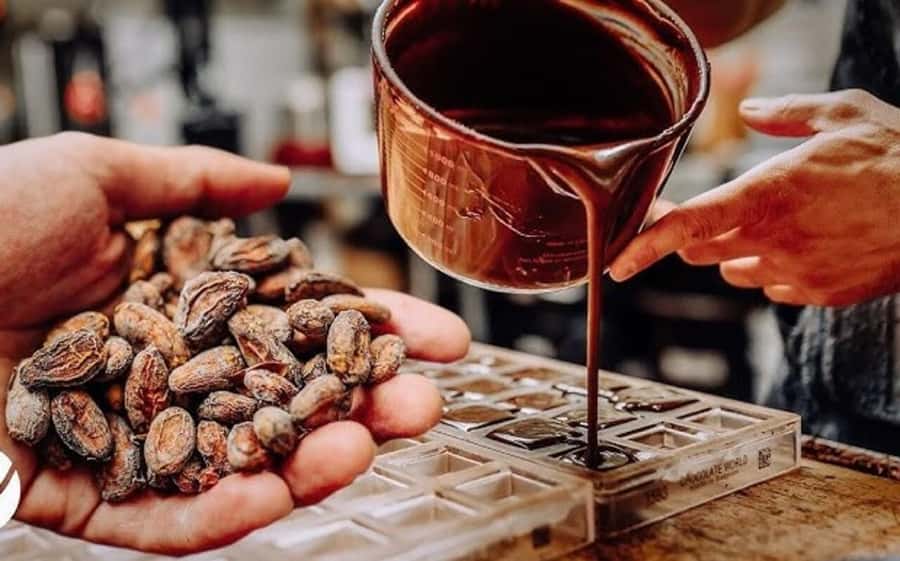
- Tree-to-cup cacao process plus multiple tastings and chocolate to drink and eat
- Cacao face mask and a clay waterfall experience with photo time
- Bird spotting, birds nests, and songs woven into the hike
- Small group size (max 10) for more guide attention on a working farm
- Waterfall + river setting close enough to matter, not a far-away scenic stop
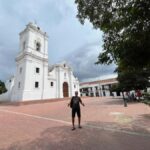
From Minca’s church to Tayrona territory on foot
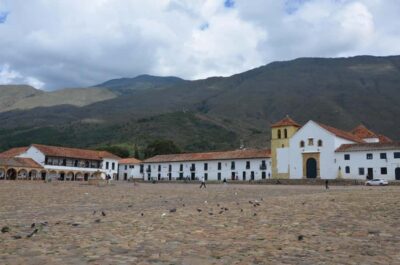
Most days start with a meeting point at the church in Minca, then you head out from town into the surrounding area. The point of meeting in Minca is simple: it keeps things practical. You’re not stuck with a long transport-and-wait routine. Instead, the day builds step-by-step, with the jungle setting already taking over your senses as soon as you walk.
You’re also going into Tayrona indigenous territory, which changes the tone. This isn’t a theme-park cocoa lesson. The way the tour is framed is about land, plants, and local ways of working—exactly what you want if you’re trying to get beyond generic chocolate talk. That cultural component shows up as you explore, listen to explanations, and move through farm and forest spaces.
Expect the pace to feel like a hike with stops, not a sprint. Several people describe it as doable, but not effortless: there can be muddy sections and at least a few scrambly moments on the way to the waterfall and back. If you like active travel—hands-on, outdoorsy, slightly sweaty—this format fits well.
You can also read our reviews of more tours and experiences in Santa Marta.

Cacao from fruit to chocolate: what you’ll actually learn
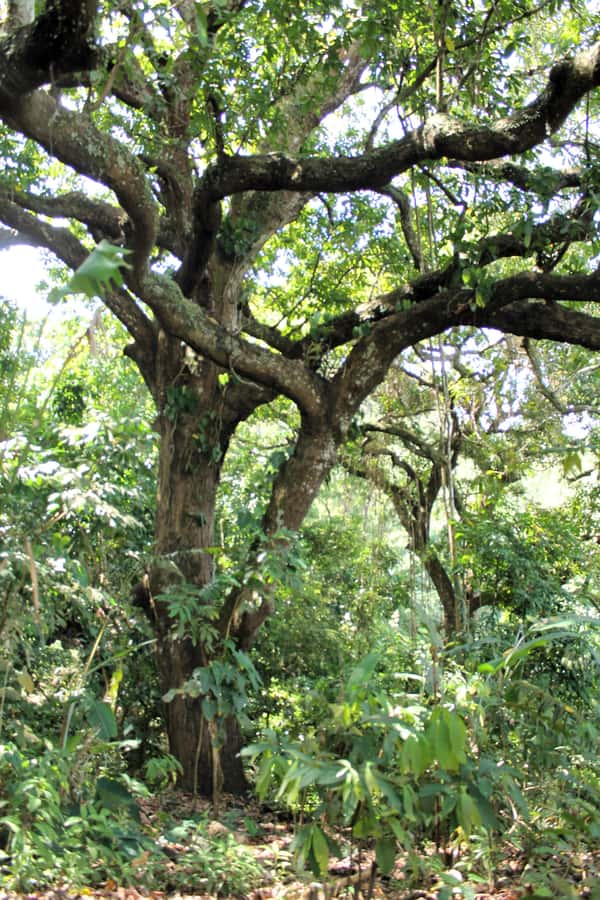
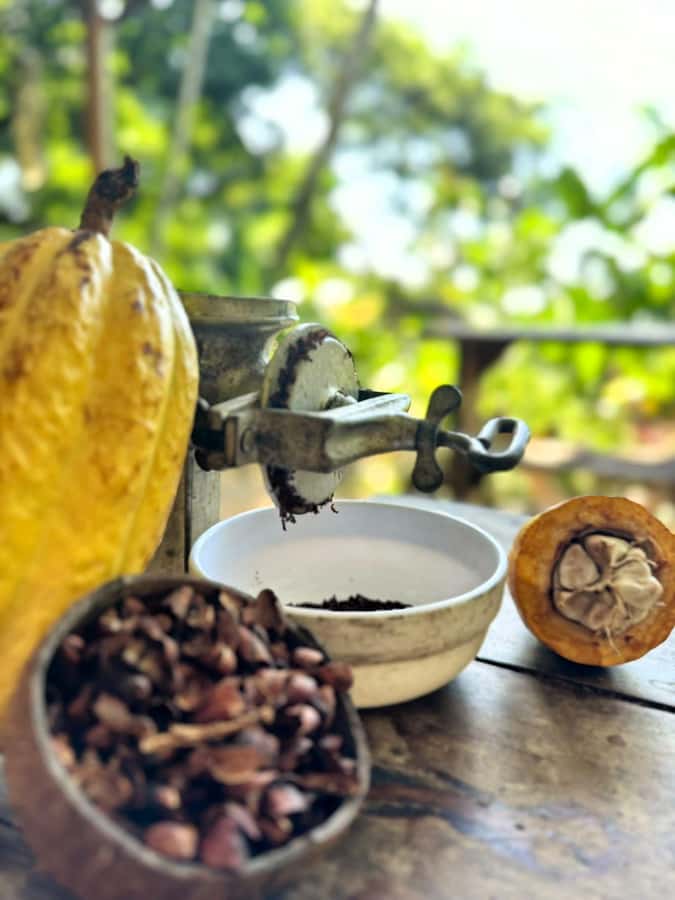
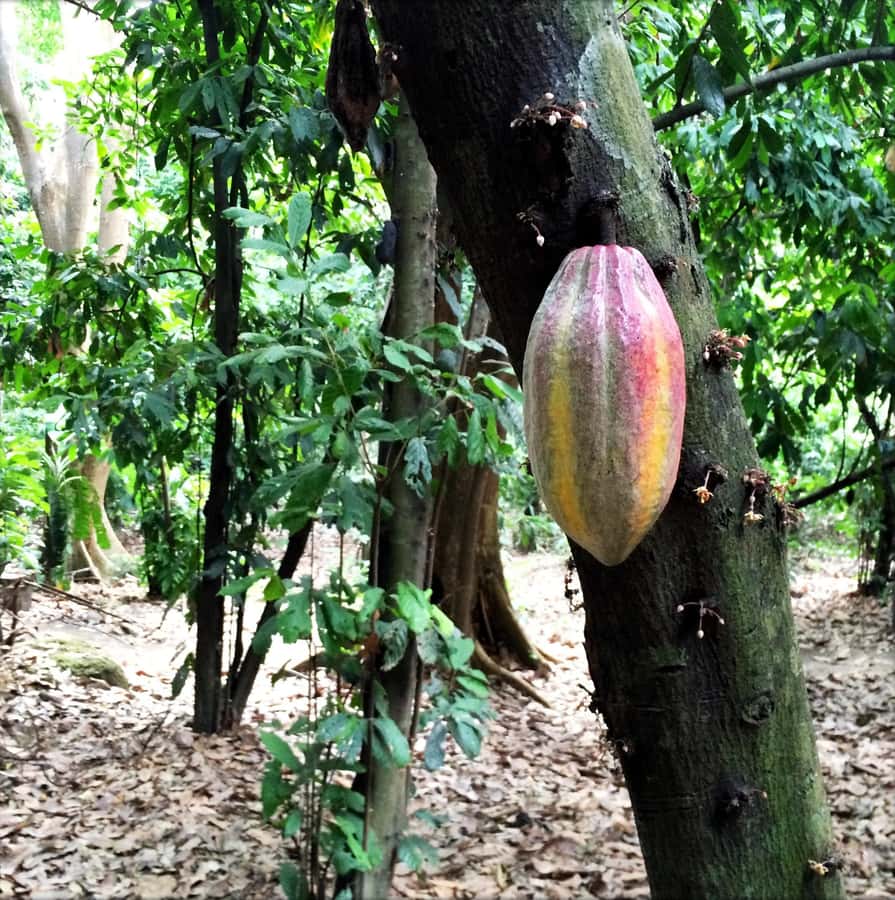
The core of this tour is the “secret ancient cocoa” experience, and it’s structured around the cacao process from tree to your mouth. That phrasing matters, because you’re not just tasting chocolate. You’re shown how cacao grows, what the fruit looks like, and how that becomes beans, then chocolate in different forms.
Here’s what the tour experience includes, based on what’s described:
- Cacao process walkthrough: the chain from the tree to what ends up in your cup
- Fruit tasting: cacao fruit tasting is part of the experience, not just bean tasting
- Chocolate tasting in multiple presentations: you’ll have chocolate to drink and also eat in different forms
- Cacao face mask: a hands-on, sensory moment that’s tied to the cacao experience
- Coffee included in practice at the farm: some guests specifically note cacao and coffee being served during the family-farm time
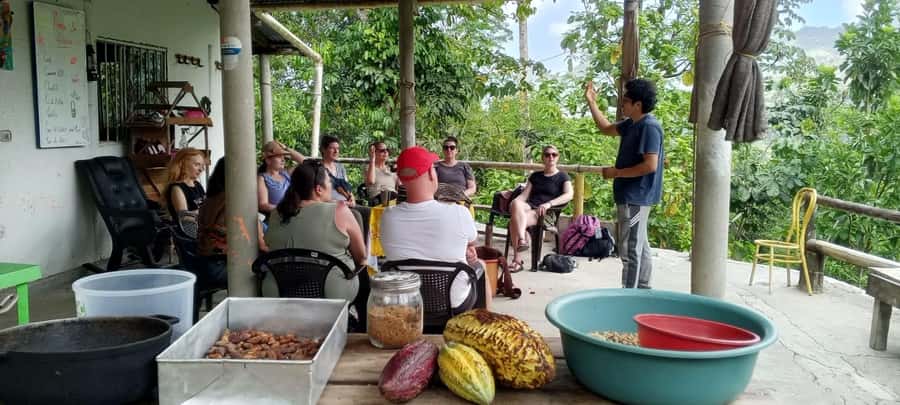
And the cultural angle isn’t just a side note. People on this tour consistently talk about learning from the family farm. One guest described time in a little house in the Sierra where they learned customs from Luis and his family while eating and drinking cocoa and coffee. Whether you get that exact “house time” or another version of family interaction, the emphasis stays the same: cacao isn’t treated as a product. It’s treated as a plant in a living system.
If you’re a foodie, you’ll like the tasting variety. If you’re a curious plant person, you’ll like the step-by-step way cacao is explained while you’re surrounded by it.
The jungle lesson: birds, songs, nests, and small nature moments
One of the most underrated parts of cacao tours is what happens between the tastings. In this case, the in-between time is a big deal. You get bird watching, listening to bird songs, and looking out for bird nests while you explore the jungle landscape (and yes, that jungle is literal here—dense, humid, alive).
This tour is built to train your eyes. You’ll hear explanations as you walk, and the bird focus makes the hike feel active, not repetitive. It also turns the forest into a living classroom. When the guide points something out—leaves, birds, or how plants grow—you start to notice patterns yourself.
You also get nature exploration and additional tasting moments like fruit. This is a good “learn by doing” style of tour. You’re not stuck staring at a screen or listening nonstop. The guide pulls you into the environment, then connects what you’re seeing to cacao and local ways of living.
Practical tip: if bird spotting is your goal, keep your phone ready but don’t spend the whole hike filming. You’ll catch more birds by watching quietly, then snapping photos when the guide signals.
The farm time with families: where authenticity comes from
This tour is centered on visiting a cacao farm tied to the region’s indigenous roots. That’s why people rate it highly: it feels like you’re getting invited into an active place, not dropped at a staged stop.
A recurring theme in the experience is the guide’s role in making it feel real. The tour provider is Andrés Boh, and multiple guests name him directly as the guide. One guest described the hike through the jungle as energetic—almost Tarzan-like—and praised how the guide explained lots of different plants and their uses. Another highlighted patience, flexibility, and knowledge about flora and fauna around Minca.
And then there’s the family element. One guest described learning customs from Luis and his family while suing on delicious cocoa, coffee, and eating a fresh cinnamon bun straight from the oven. You might not get every exact detail, but the point is consistent: farm time is paired with food and stories, and the tasting is part of the family’s daily rhythm.
Also worth noting: the tour is limited to 10 participants, which helps. A smaller group means the guide can answer questions while you walk, and you’re less likely to feel like a number.
Waterfall and river: clay bath time and safety reality checks
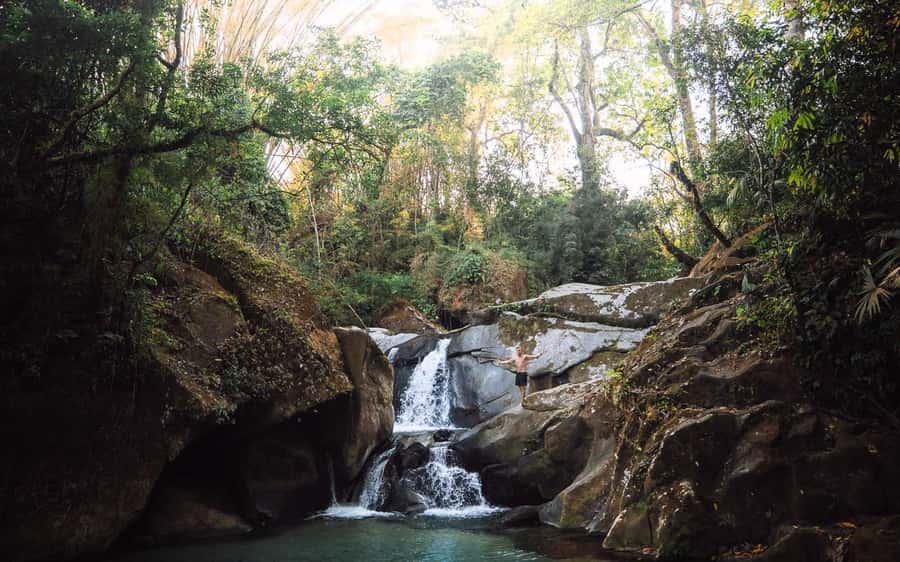
The waterfall is a main event here—river and waterfall moments are built into the tour, and you’ll have time for a clay experience plus pictures, and then a chance to get in the water.
Several guests describe the waterfall as stunning and close to the farm area, with the hike to it described as doable for many people. At the same time, other guests call it the toughest part of the day, especially the descent and the climb back up. Translation: it’s not a gentle stroll in every case. Conditions and footing matter.
Now for the part you shouldn’t skip: safety. The tour provider specifically flags risks such as:
- poisonous snakes and wild animals
- strong current waterfalls
- the need to follow the guide’s instructions
That’s not scare talk. It’s reality for jungle terrain. So treat this like outdoor travel, not a casual photo stop. Wear shoes with grip, keep your attention on footing, and don’t rush into water just for a quick shot. If the guide says the current is stronger on one side, listen. People come to Minca for nature, and that means respecting it.
If you want the “bath in the waterfall with clay experience” moment, the best way to get it is to show up ready to move, not ready to just watch.
Price and timing: is $46 for 270 minutes actually good value?
At $46 per person for 270 minutes (about 4.5 hours), you’re paying for a focused combo:
- a guided hike in jungle terrain
- cacao and chocolate tastings
- bird watching and nature exploration
- time at a river/waterfall with clay and water contact
The value comes from the density of the experience. In one afternoon, you’re getting education (cacao process), entertainment (birds and songs), and activity (hike + waterfall). You’re also getting a bilingual guide in English and Spanish, and the group is kept small.
Where value can vary is on what you personally want. If your idea of a good tour is sitting in a café tasting chocolate samples, this won’t match your style. If you want moving, learning, and a real farm-and-forest setting, this price starts to make a lot of sense.
One more value note: people mention guide flexibility. One guest said Andres was flexible enough to extend the day to include an animal refuge and more waterfalls. That kind of responsiveness can turn a standard tour into something with extra meaning, especially when you’re already in the right place for it.
Who this tour suits best (and who should reconsider)
I’d point this tour toward a few types of travelers:
- You want cacao education with tastings, not just chocolate tasting
- You like active tours in the woods—walking, spotting birds, and exploring
- You’re comfortable with a hike that may include muddy spots and harder sections
- You’re open to water contact at a waterfall and following safety guidance
A few people describe the hike as challenging, with scrambly moments, and the descent/climb to the waterfall as the toughest part. So if you have knee issues, balance problems, or you just hate uneven ground, it’s worth thinking twice.
Also, if you dislike environments where wildlife might be nearby, this tour is built around jungle reality. The provider explicitly warns about poisonous snakes and wild animals. That doesn’t mean you’ll see them. It does mean the tour expects you to stay alert and follow instructions.
Should you book the Cacao Experience Tour?
If you want a chocolate experience that feels tied to land, people, and plants—not a quick tasting stop—this is the kind of tour that fits. The best signs are the consistent emphasis on cacao from fruit to chocolate, the guided bird and nature time, and the real payoff of waterfall + clay experience.
Book it if:
- you’re in Minca and want an outdoor day that’s still food-focused
- you like small groups and bilingual guiding (max 10)
- you’re okay with jungle hiking and taking safety seriously
Skip it (or choose a lighter option) if:
- you’re not comfortable with uneven, muddy terrain
- you’re not willing to follow strict safety rules around strong currents
- you’re looking for a mostly seated, low-effort tour
With a 4.8 rating from 66 bookings, the pattern is clear: people leave feeling it was worth the time because cacao, culture, and nature are handled as one connected experience.
FAQ
Where do I meet for the Cacao Experience Tour?
You meet at the church in Minca.
How long is the tour?
The tour lasts 270 minutes.
How much does it cost?
The price is $46 per person.
What languages are offered?
The tour includes a bilingual guide in English and Spanish.
How big is the group?
The group is small, limited to 10 participants.
What is included in the experience?
Included are the tour, a personal bilingual guide, hiking, tasting, and waterfall swimming time.
What kinds of tastings and food are part of the tour?
You’ll taste original cacao, plus chocolate to drink and eat in different presentations. Fruit tasting is also part of the experience.
What activities happen besides cacao tasting?
You’ll do bird watching and listen to bird songs, look for bird nests, explore nature, and walk through Tayrona indigenous territory.
Is there a cancellation policy?
Yes. You can cancel up to 24 hours in advance for a full refund.
What safety risks should I know about?
The tour provider warns about possible poisonous snakes and wild animals, and also about strong current waterfalls. They ask you to follow guide instructions, and note they are not responsible for accidents.