REVIEW · SANTA MARTA
Tayrona National Park: Scuba Diving Tour for Beginners
Book on GetYourGuide →Operated by Scuba Carolina · Bookable on GetYourGuide
A calm, guided first swim is a smart way to try scuba. This Tayrona National Park beginner course keeps things simple, safe, and focused on learning the basics in a controlled setting. You’ll also get a real taste of life underwater while you’re surrounded by the coastline scenery of Magdalena.
I especially like that the instruction is built for first-timers. You’ll work with a highly trained PADI professional, get your gear fitted, learn hand signals, and practice core skills before you spend time underwater. One possible drawback: this experience isn’t for everyone, and there are health and age limits you’ll want to check before you book.
In This Review
- Key Highlights You’ll Care About
- Where You Start in Santa Marta: Marina Meeting Point
- The 4-Hour Plan: A Simple Flow That Keeps You Comfortable
- Getting Ready: Scuba Gear Fitting and What You’ll Learn First
- Calm-Water Practice Around Tayrona: Why the Setting Matters
- What You’ll See Underwater: Variety Without Overpromising
- Boat Ride + Break Time: A More Human Pace
- Photos and Videos: Proof You Can Actually Keep
- English/Spanish Instruction and Small-Group Attention
- Price and Value: Is $138 Fair for This 4-Hour Try-Out?
- Who This Tayrona Scuba Experience Suits Best (and Who Should Skip It)
- What to Bring (So You Don’t Lose Time)
- Practical Tips for a Smooth First Session
- Should You Book This Beginner Scuba Trial in Tayrona?
Key Highlights You’ll Care About
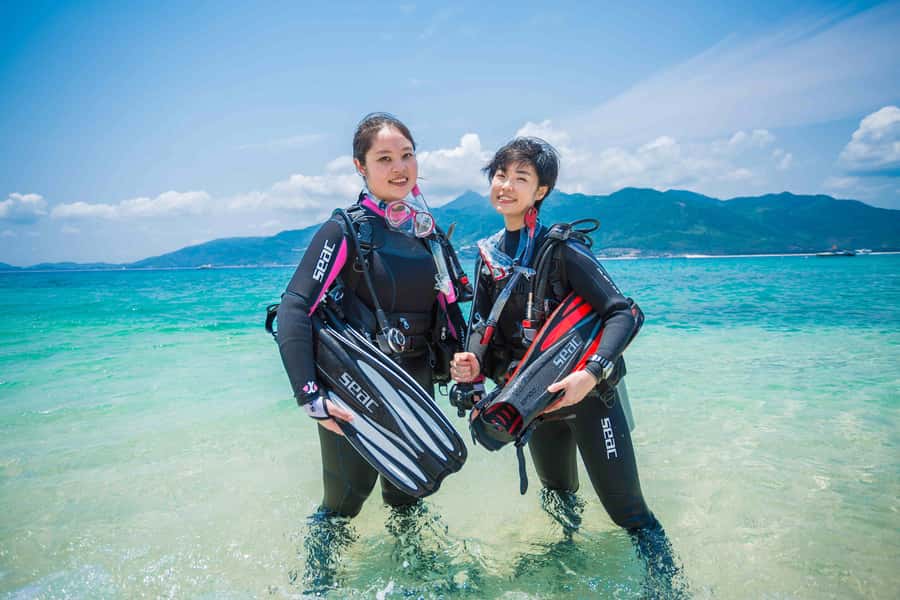
- Small group size (max 4 participants) for more attention while you learn basics
- Calm-water training so you can focus on breathing, gear, and control
- PADI professional instruction plus clear coaching on hand signals and scuba basics
- Boat ride included, adding the Tayrona-area feel without turning it into an all-day ordeal
- Videos and photos included, so you keep proof of your first underwater breaths
- Guide quality praised, including standout mentions like David and strong service from the team behind Scuba Carolina
Where You Start in Santa Marta: Marina Meeting Point
You meet at the marina in downtown Santa Marta, and you’ll get explicit instructions when you book. This matters because you avoid the usual last-minute scramble of figuring out where to stand and who to look for.
From a value standpoint, meeting in town is convenient if you’re already basing yourself in Santa Marta. Just plan to arrive early enough to check in, because you’ll be getting ready for gear fitting and the instructor briefing before you head out.
You can also read our reviews of more scuba diving tours in Santa Marta
The 4-Hour Plan: A Simple Flow That Keeps You Comfortable
This is a compact experience at about 4 hours, which is ideal when you want something active but not exhausting. Expect a mix of classroom-style basics and hands-on practice, with enough time to learn before you’re asked to do anything complicated.
The centerpiece is a calm water environment. That choice makes the whole experience more manageable: you can concentrate on breathing, buoyancy basics, and communication without fighting waves or currents. The fact that a boat ride is included also helps—getting to the water from the marina gives you that real Tayrona outing feel, not just a pool lesson.
One more practical note: the schedule can change with severe weather, so keep your day flexible if you’re stacking multiple activities in Tayrona National Park.
Getting Ready: Scuba Gear Fitting and What You’ll Learn First
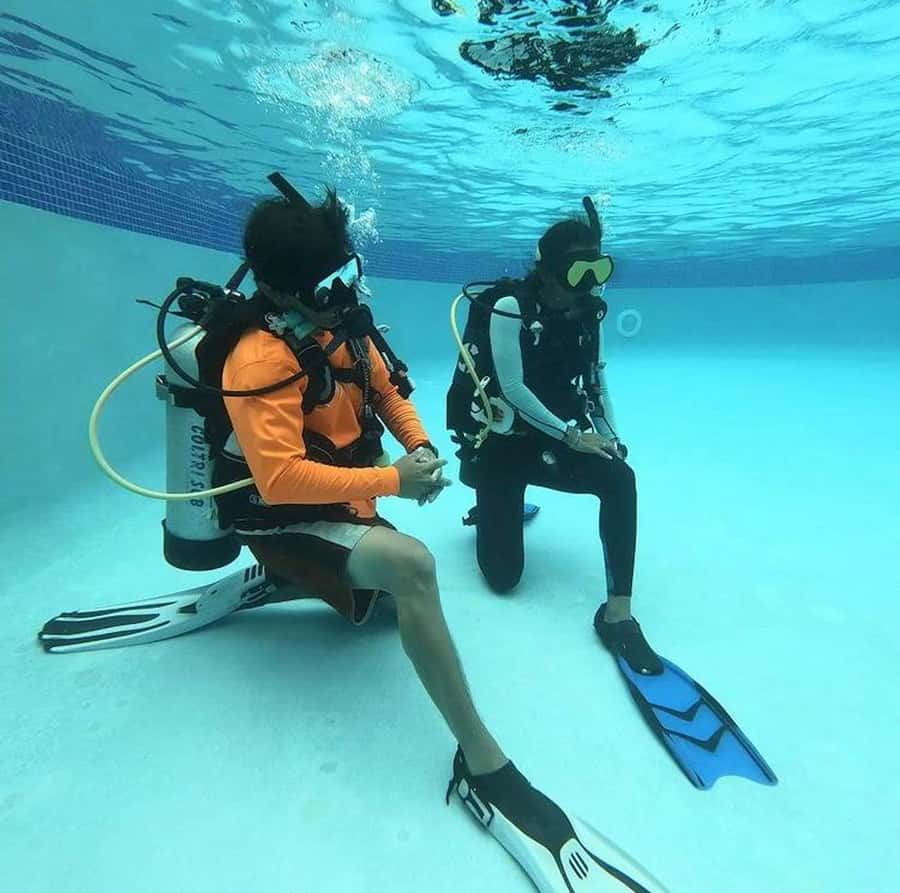
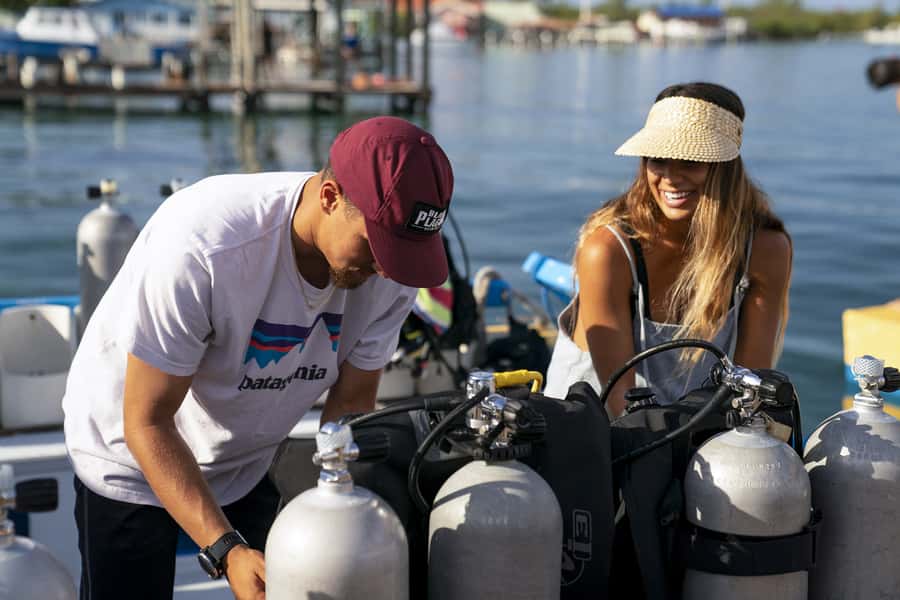
You’ll be provided with all equipment, and the instructor handles the basics so you’re not doing guesswork. For many first-timers, the hardest part of scuba is not the underwater part—it’s the gear and the breathing rhythm. This experience is structured to make that manageable.
In your training, you’ll cover the fundamentals you actually need right away:
- How to use your scuba gear
- How to communicate using hand signs
- Basic scuba skills in a safe environment
The hands-on skills are especially important. Even when you feel excited, you’ll want to build muscle memory for the small stuff—things like checking your setup and responding calmly to instructions. When that part is done well, your time underwater feels more like discovery and less like stress.
Calm-Water Practice Around Tayrona: Why the Setting Matters
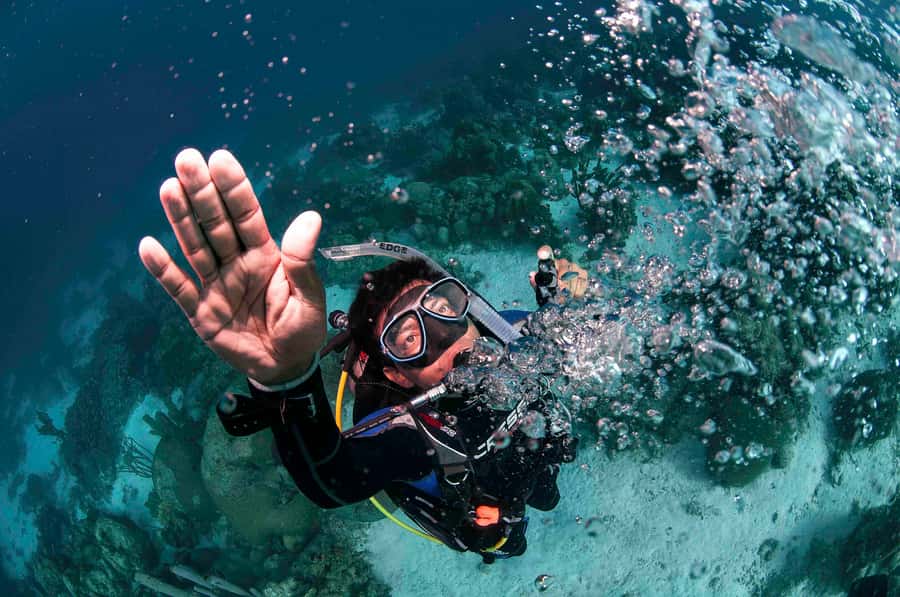
This tour uses calm water so you can test scuba in a controlled way. I like this approach for beginners because the goal is confidence, not performance. If you’re new to breathing underwater, the last thing you need is extra pressure from conditions you can’t control.
Also, you’re not doing this in a random, generic location. You’re working in a setting connected to Tayrona National Park, so even the learning phase has a sense of place. The experience is designed so you can start connecting with the underwater world while also getting glances of Tayrona from the water.
And yes—this is where you learn whether scuba is for you. If your body and brain like the rhythm, that first comfort is a big deal. If not, you’ll at least know early, with a qualified instructor and proper equipment.
What You’ll See Underwater: Variety Without Overpromising
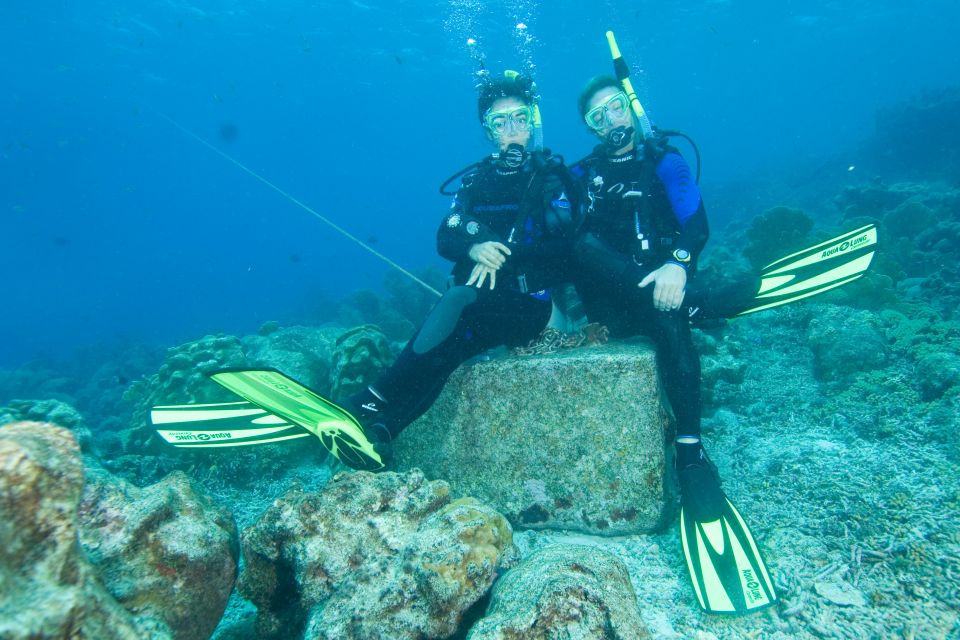
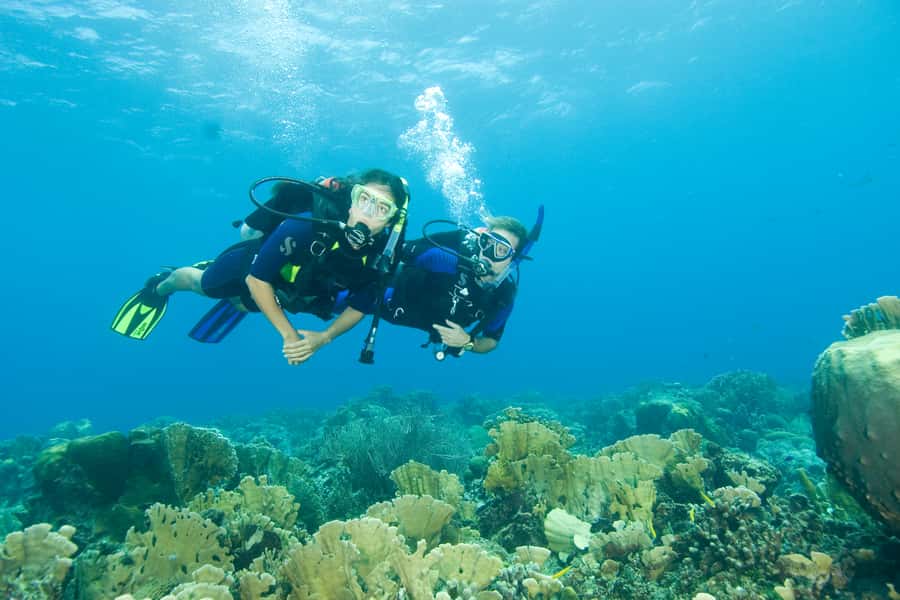
The course aims to show you the variety of life underwater around Tayrona National Park. While no beginner experience can promise specific sightings day-to-day, the focus here is on giving you meaningful underwater moments rather than quick, rushed looks.
The best part for first-timers is usually the comfort factor: you can actually pay attention. When your instructor walks you through the basics and keeps things safe, you have a better chance to notice fish, movement, and different textures in the water rather than just counting seconds until you’re back on the boat.
In the feedback for this experience, the underwater sites are described as excellent, and that matches what you want from a beginner program: not just learning, but also enough underwater time to make it feel worth the effort.

Boat Ride + Break Time: A More Human Pace
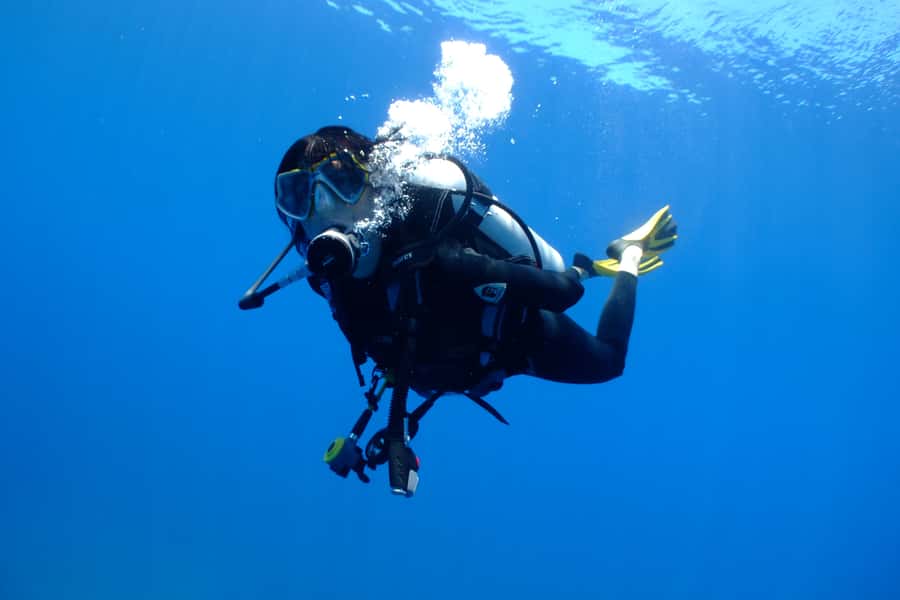
Because the boat ride is included, the experience feels like a real outing. You’re not stuck on land once the gear is on—you get time on the water, with breaks that make the whole thing easier to handle.
There are also snacks and refreshments included. That might sound small, but it makes a difference on a 4-hour activity. You’ll be wearing gear, using energy, and spending time in sun. A snack break keeps you from getting cranky or run-down right when you need to focus.
One of the nicer details from the experience feedback is that the break food gets positive comments too—people specifically mention the good flavor. That’s the kind of practical detail I love because it turns a short tour into a complete, pleasant half-day.
Photos and Videos: Proof You Can Actually Keep
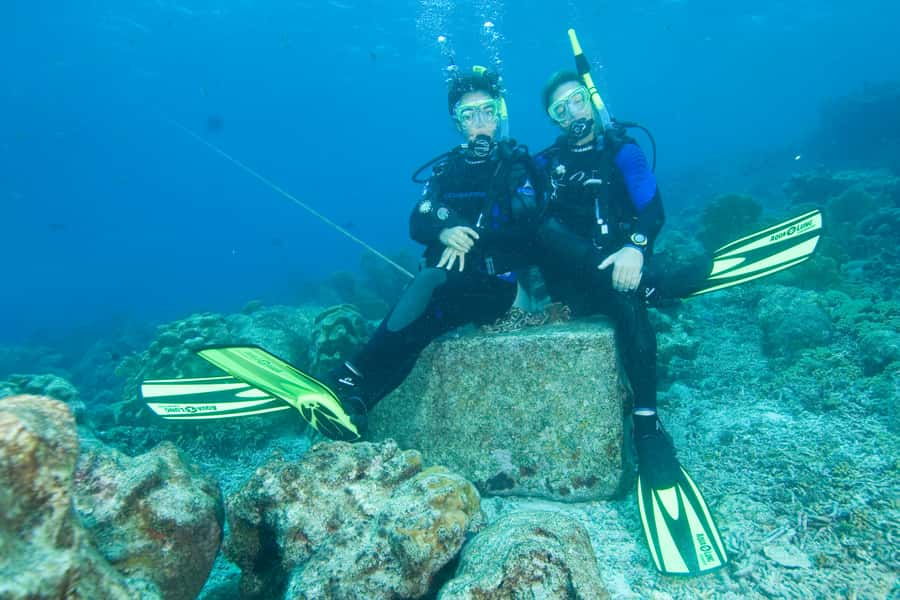
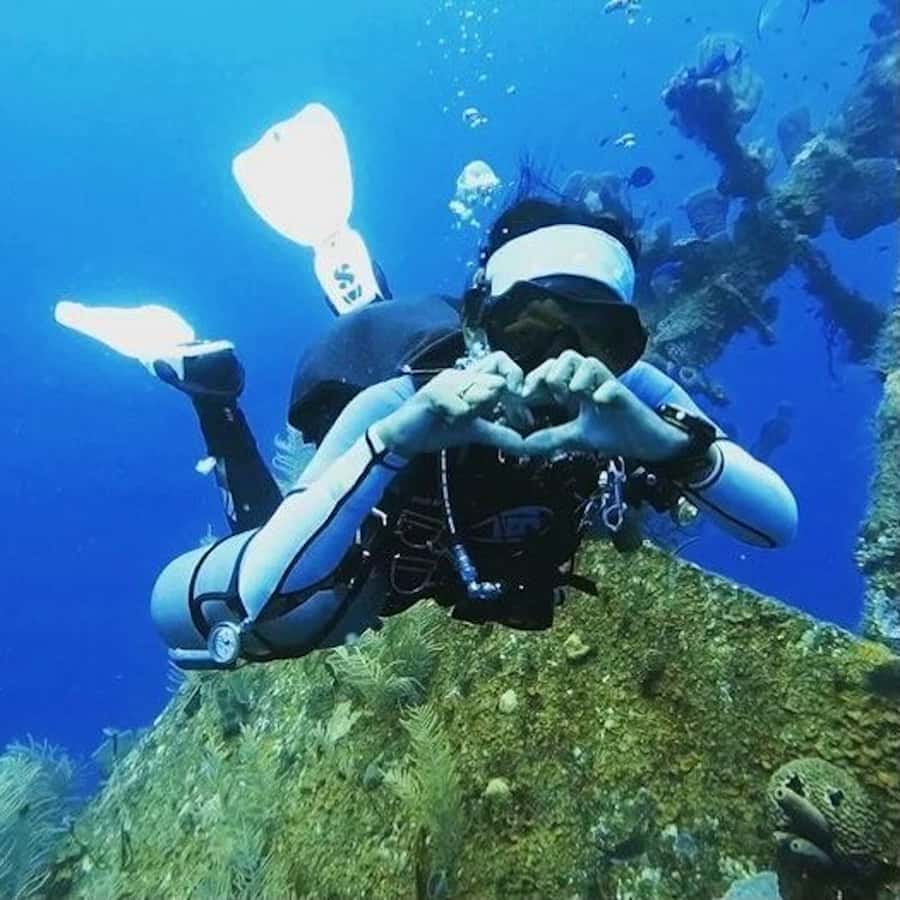
You get videos and photos included, which is a big value boost for a beginner scuba trial. First-timers often have a hard time remembering everything that happened—so having visuals helps you relive it and share it without trying to explain it from scratch.
This also helps if you’re trying scuba for the first time and want to decide what to do next. If you end up loving it, you’ll have a clear record of what the experience felt like and what you handled well.
And if you’re just curious, the photos do a lot of the emotional work too. They turn the activity from a one-time try into something tangible you can look back on later.
English/Spanish Instruction and Small-Group Attention
Instruction is offered in English and Spanish, which is useful in a place like Santa Marta where lots of visitors overlap languages. The small-group setup—limited to 4 participants—means you’re less likely to feel like a number in a big class.
That attention matters most when you’re learning hand signals and basic skills. In a larger group, instructors can’t always catch small mistakes in time. Here, you’re more likely to get quick corrections and reassurance, which is key if you’re nervous at the start.
Quality of guidance is also a standout theme in the feedback. Names like David come up for excellent guiding and safety focus. That kind of reputation is what you want when you’re trying scuba for the first time and don’t want uncertainty.
Price and Value: Is $138 Fair for This 4-Hour Try-Out?
At $138 per person for a 4-hour beginner experience, this price can be a good deal if you factor in what’s included. You’re not just buying a lesson—you’re getting:
- Instructor support throughout
- All equipment
- Boat ride
- Videos and photos
- Snacks and refreshments
That’s a strong bundle for a short day. The extra cost to know is the marina entrance fee: 11,000 COP (about 3 USD) not included. It’s a small add-on, but it’s worth budgeting so it doesn’t surprise you on the day.
Overall, the value makes sense if you want a real first attempt with qualified instruction and an environment designed for beginners. If you’re already experienced and just want a big thrill, you might compare other options—but for first-timers, this setup is built for learning and safety.
Who This Tayrona Scuba Experience Suits Best (and Who Should Skip It)
This experience is not suitable for:
- Children under 12
- Pregnant women
- People with heart problems
- People with respiratory issues
- People with pre-existing medical conditions
It’s also not a good match if you’re dealing with any health limitation that could be affected by underwater activity. The right move is to check with the provider or a medical professional if you have concerns before you go.
On the other hand, this is a great fit if you:
- Want to try scuba for the first time in calm water
- Prefer small-group attention
- Like the idea of learning skills like hand signals rather than just floating
- Want to see marine life around Tayrona National Park without committing to a full certification course immediately
If you’re the type who wants to test a hobby before going all-in, this kind of trial experience is exactly what it’s for.
What to Bring (So You Don’t Lose Time)
Keep it simple. Bring:
- Sunglasses
- Sun hat
- Swimwear
- Towel
- Sunscreen
I’d treat sunscreen as non-negotiable. Even a 4-hour coastal outing can burn you if you’re on a boat and out near the water. Also, quick-dry towel access helps because you’ll want to get comfortable fast after your time in the water.
Not allowed items are alcohol and drugs, so plan your day accordingly.
Practical Tips for a Smooth First Session
Here’s how to make your first attempt feel easier:
- Plan to arrive with time to check in at the marina in Santa Marta.
- Wear swimwear you don’t mind getting sandy or wet (coastal conditions happen).
- Keep your questions ready for the instructor briefing. The faster you understand the hand signals and basic skills, the more you’ll enjoy the underwater moments.
- If weather looks rough, expect possible changes. Tayrona-area conditions can affect timing.
Also, don’t underestimate the mental side. If you go in relaxed, follow instruction, and stay focused on the basics, you give yourself the best shot at enjoying the experience.
Should You Book This Beginner Scuba Trial in Tayrona?
Book it if you want a structured first scuba try with safety, a qualified PADI professional, and a calm-water setup. The included equipment, boat ride, and photos/videos make it feel like a complete package, not a barebones lesson. The small-group limit (4 participants) is a major plus because it supports hands-on coaching and quicker feedback.
Skip it if you fall into the listed health or age categories, or if you know you need a different kind of activity. And if you’re already chasing advanced underwater challenges, this course is designed for learning basics, not pushing limits.
If you’re in Santa Marta and want a meaningful, beginner-friendly way to connect with the underwater world near Tayrona National Park, this is a solid choice.