REVIEW · MEDELLIN
Birding Medellin with expert bird-watcher (Private)
Book on GetYourGuide →Operated by Birding Medellin Tours · Bookable on GetYourGuide
Birding in the mountains near Medellín turns the city sound track into something way more interesting: close-up 150+ species sightings, led by an ornithologist biologist like Sebastian. I like the way this tour mixes real field skills with practical tools, including a bird list app with sounds, images, and descriptions that help you learn fast.
I also like the pacing and setup for different levels. Whether you are brand-new or already counting species, the guide’s job is to help you spot birds by sight and sound, then understand what you are seeing instead of just ticking off names.
In This Review
- Expect hills and bring real rain gear
- Quick take: what makes this bird tour special
- Finding the guide at Estación Metro Estrella
- Sabaneta-Parque Ecológico La Romera: the mountains do the heavy lifting
- How the ornithologist actually helps you spot birds
- The bird list app: your learning tool, not just a souvenir
- Binoculars, weather, and the gear that keeps the day fun
- Six hours of footwork: stops, slow pace, and self-led scanning
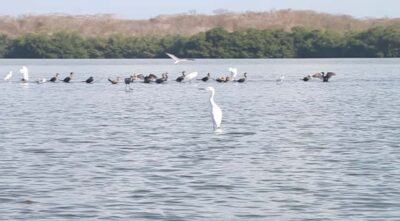
- What you might see: endemics, hummingbirds, and the birds that win the day
- Breakfast, snacks, and why feeding you is smarter than it sounds
- Value: why $197 for a private group can actually make sense
- Who this Medellín birding tour fits best
- Should you book it?
- FAQ
- How long is the Birding Medellín with expert bird-watcher tour?
- Where is the meeting point for the tour?
- How can I get to the meeting point from El Poblado or Laureles?
- What’s included in the price?
- Do I need binoculars?
- How many birds can I expect to see?
- Are beginners welcome, and what languages are offered?
- Can I cancel and get a refund?
Expect hills and bring real rain gear
One consideration: the trail is hilly and you will be on foot for hours. Add in wet mountain weather sometimes, and you’ll be glad you packed rain gear and a daypack to stay comfortable.
Quick take: what makes this bird tour special
- 150+ species in the reserve close to Medellín
- Ornithologist biologist guidance using bird behavior and field spotting skills
- Bird list app with sound + images, so you learn while you look
- Private group pacing, with patience for first-timers and older hikers
- Snacks and takeaway breakfast, so you are not hungry while you hunt birds
You can also read our reviews of more private tours in Medellin
Finding the guide at Estación Metro Estrella
The day starts with a simple meetup: you’ll meet at the Típicas Empanadas store (with a purple slogan) at La Estrella Metro Station, right before the turnstiles. The guide is waiting there, which keeps the start from feeling chaotic.
Getting there is straightforward if you use the metro:
- If you are coming from El Poblado, take the metro to Poblado, then ride Line A toward La Estrella.
- If you are coming from Laureles or nearby, take the metro to Estadio, then transfer at San Antonio onto Line A toward La Estrella.
- If you prefer, you can also use Uber and ask for Estación Estrella.
This matters because it keeps the tour accessible. You are not locked into a car-dependent itinerary, and you can plan around your own energy level. If you do want door-to-door comfort, private vehicle transport is available by reservation (priced by group size).
Sabaneta-Parque Ecológico La Romera: the mountains do the heavy lifting
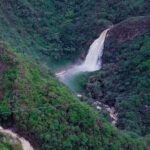
Once you’re at the reserve area in Sabaneta, the tone shifts fast. You trade city noise for mountain air and that constant background of birds calling from every direction. This is not a zoo-style walkthrough. It’s active birding where the land itself does the teaching.
You’ll spend most of the outing moving through the reserve and stopping often. Some of the time is guided, and some is self-led so you can process what you learned, try the app on your own, and scan for calls and movement without feeling rushed.
What makes this location a win for bird lovers is the biodiversity density. The reserve is described as a place where you can see 150+ species, including birds that are endemic to the region. In plain terms: the odds of finding something new stay high, which is exactly what you want on a first birding day in Colombia.
How the ornithologist actually helps you spot birds
This tour is guided by a local biologist specialized in ornithology. In the field, that specialization shows up in three practical ways.
First, you get help using bird behavior, not just bird pictures. A guide who understands behavior can tell you what likely drew the bird to the spot, what it might do next, and why you are seeing it at that height or angle.
Second, you learn to identify birds by sight and sound. Several guides connected to this experience are known for spotting quickly and reading calls. That means you’re not stuck staring at the treetops hoping for the best.
Third, the guides use digital tools to improve viewing. One key detail from past outings: guides have used cutting-edge digital tools to help identify birds and even call birds closer for better viewing when conditions allow. That can turn a distant, frustrating call into an actual view you can study.
The approach is also described as respectful and ethical. Translation: the goal is better sighting, not messing with wildlife.
The bird list app: your learning tool, not just a souvenir
The bird list app is included, and it’s one of the smartest parts of the whole setup. It comes with sound, images, and descriptions.
Here’s why that matters for you:
- When a bird calls and you cannot see it yet, you can still compare what you hear to the app.
- When you finally spot a bird, the image and description help you confirm what you’re looking at.
- Over six hours, you start connecting names to features instead of leaving with a list you forget.
If you’ve ever tried to learn birds on your own, you know the usual problem: you hear a call, you see movement, and then everything turns into guesswork. This app reduces guesswork and speeds up learning.


Binoculars, weather, and the gear that keeps the day fun
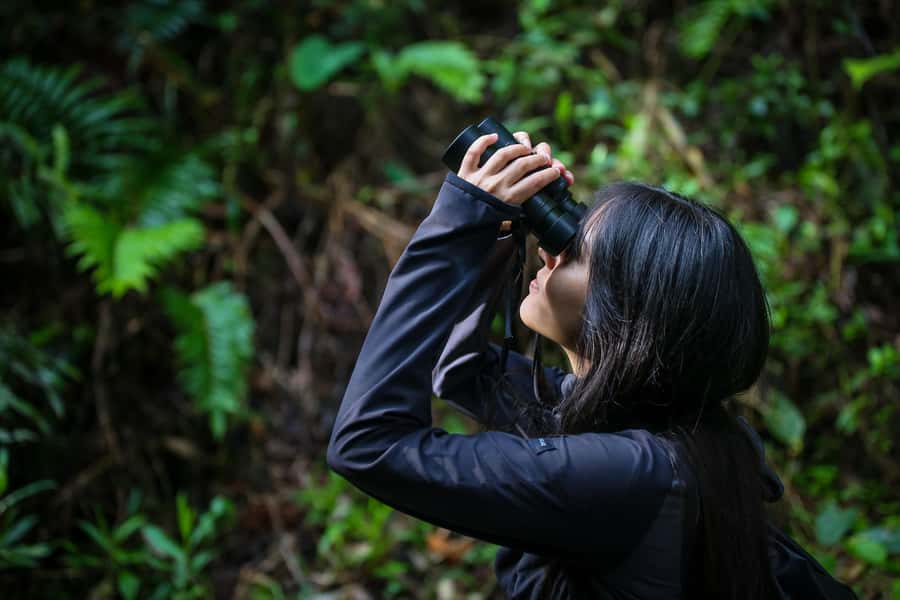
Binoculars are not included, but rental is available. If you already own binoculars, bring them—especially if you like to use your own setup during longer stops.
You should also plan for real mountain weather. The tour notes rain gear and a daypack, and that’s good advice. Past outings have included rain, and also wet and cold conditions where patience paid off. You can still bird in bad weather, but you’ll want to stay dry and keep your hands free for your own scanning.
Practical gear that helps:
- Waterproof layer you can actually wear for hours
- Compact rain cover or poncho
- Comfortable shoes for hillside walking
- Daypack to keep water and snacks organized
Six hours of footwork: stops, slow pace, and self-led scanning
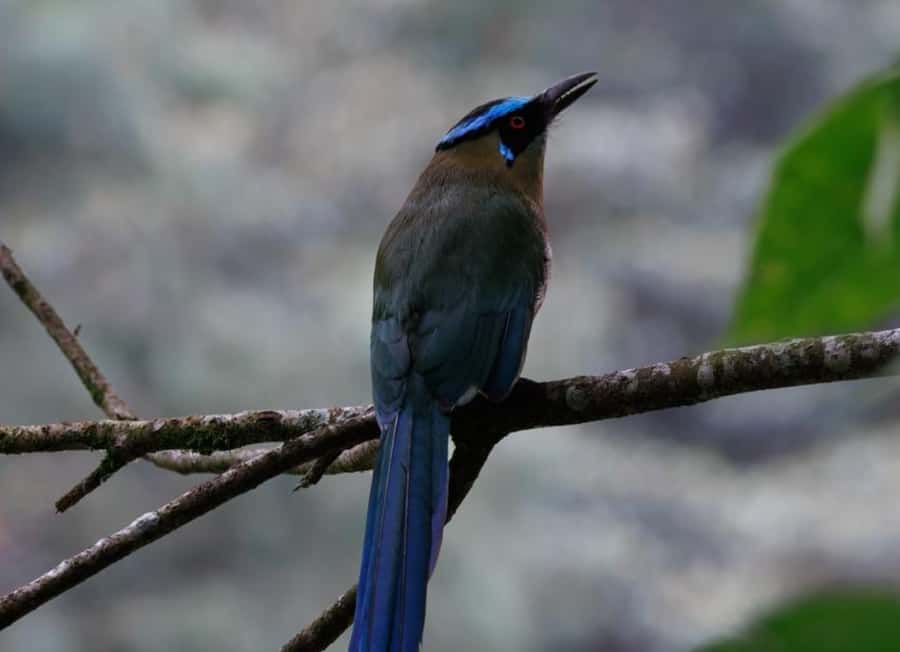
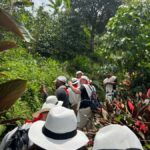
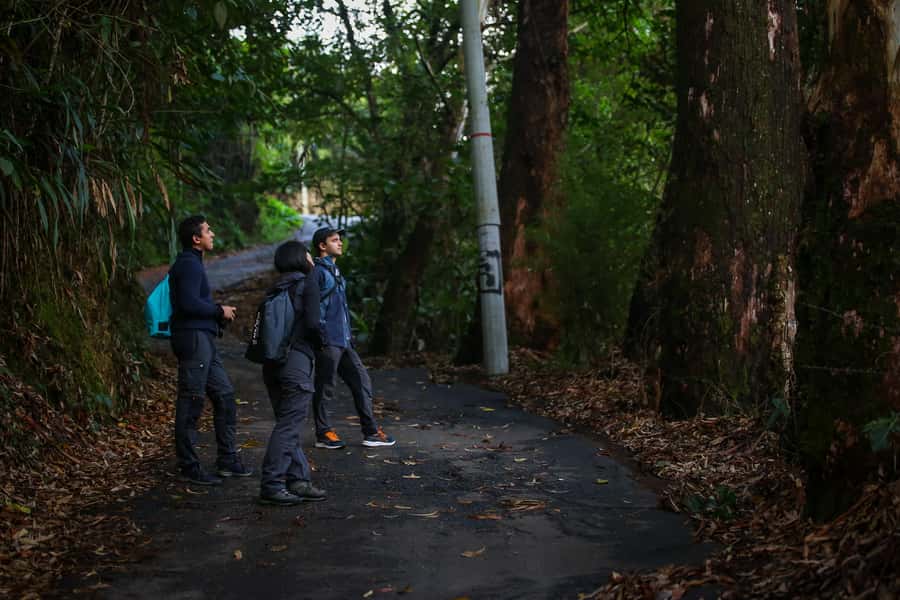
A big part of the value here is how the experience is handled in motion. Expect uphill walking and lots of short stops where the guide checks the environment, listens for calls, and points you to likely spots.
The tour runs long enough that you don’t just see a few birds and move on. You get time to learn the rhythm:
- Listen first, especially when birds are quiet in the open.
- Look for movement and silhouette changes in foliage.
- Confirm with the app once you’ve narrowed down the candidate.
- Let the guide show you what to watch for next.
This is where a private group helps a lot. The guides have a reputation for tailoring the pace to the group. That includes taking it slow for people who need it and keeping the energy steady even in rain.
Also, the outing includes a period that’s described as self-guided sightseeing. That usually means you can stretch your birding legs a bit—apply what you just learned, try matching a call, or focus on hummingbirds and small songbirds while the guide handles spot-checking and confirmation.
What you might see: endemics, hummingbirds, and the birds that win the day
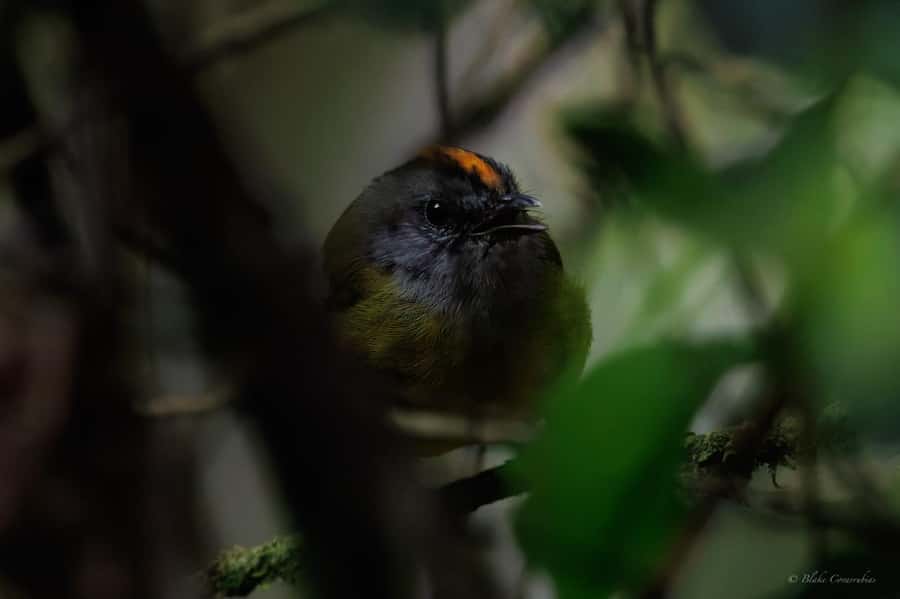
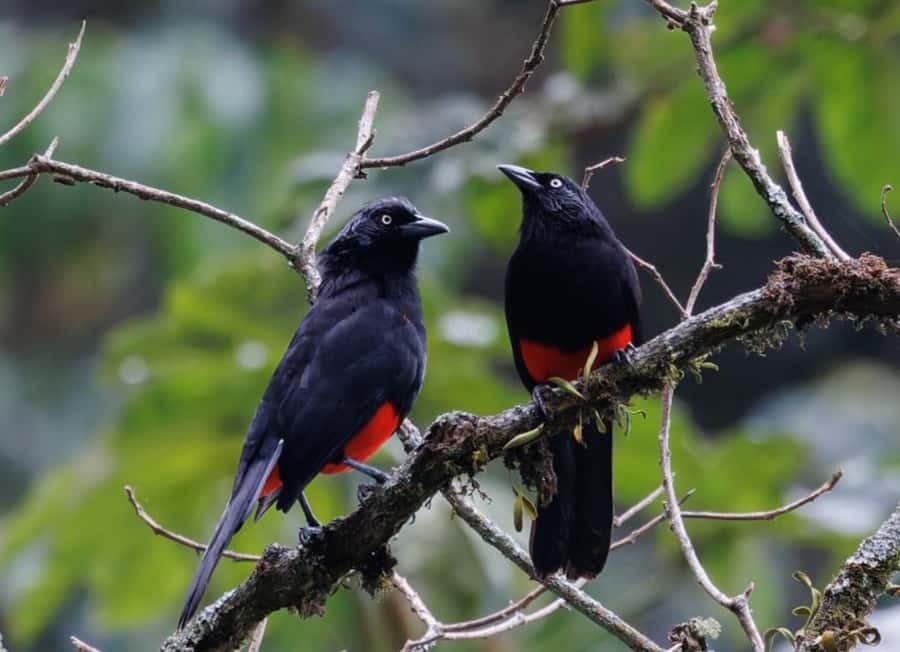
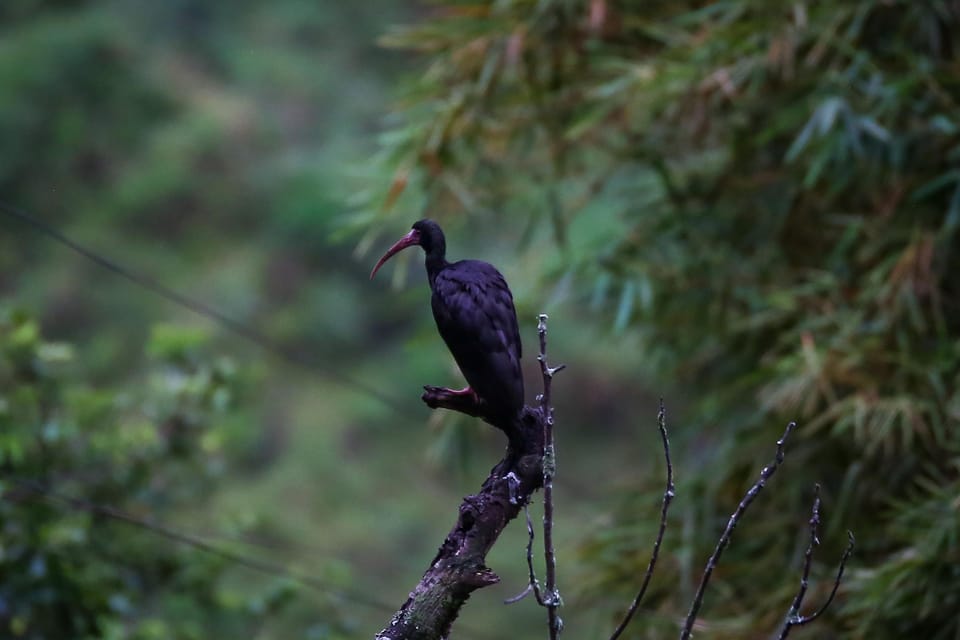
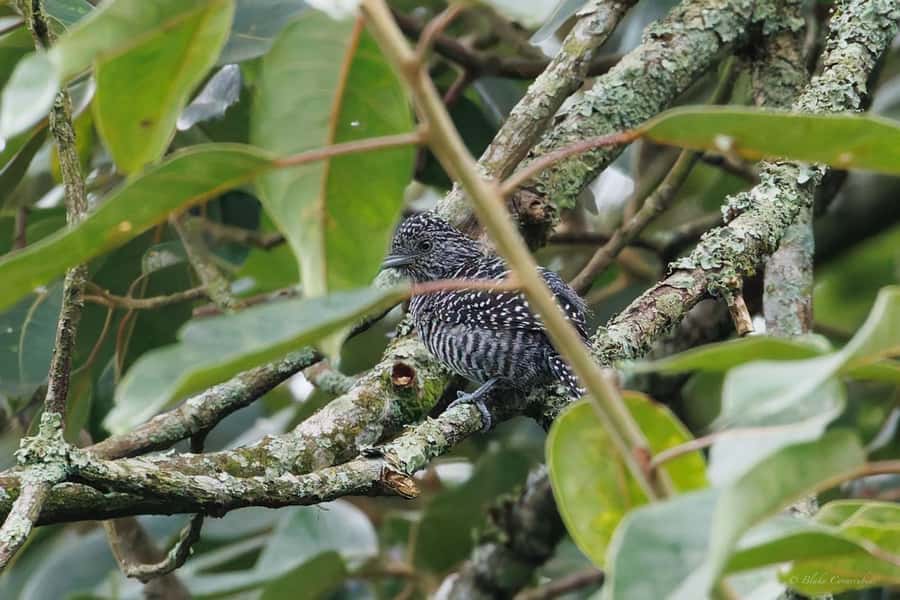
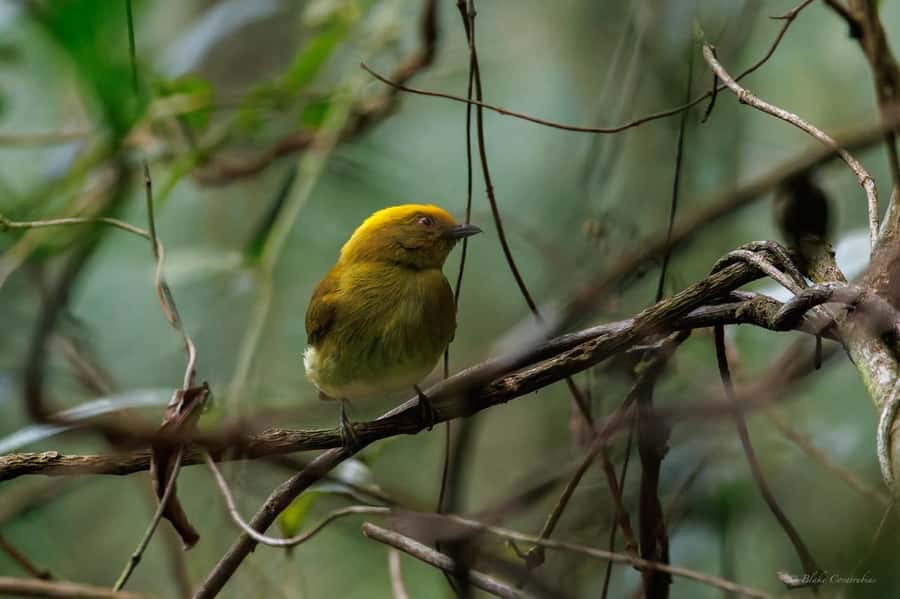
The headliner promise is 150+ species in the reserve area, with many regional endemics. That’s the kind of number that changes the way you think about birding: you stop treating it like a single hunt and start treating it like a buffet where new birds keep showing up.
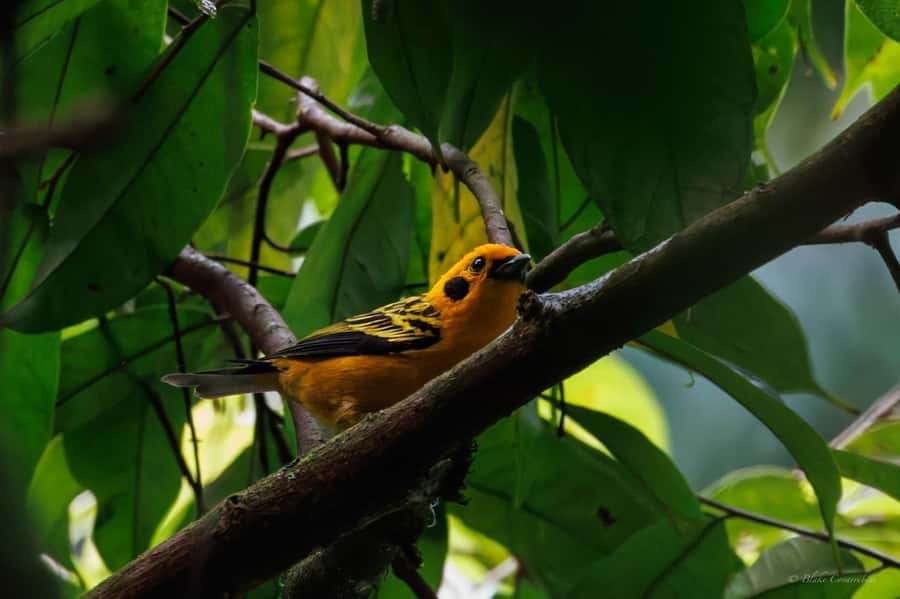
On real mornings, people have tallied around 36–40 species during the tour span, and that’s a useful reality check. If your timing is good and the birds are calling, you can come home with a solid personal list, not just a couple of highlights.
Examples from past outings include:
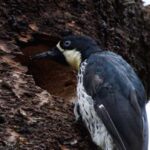
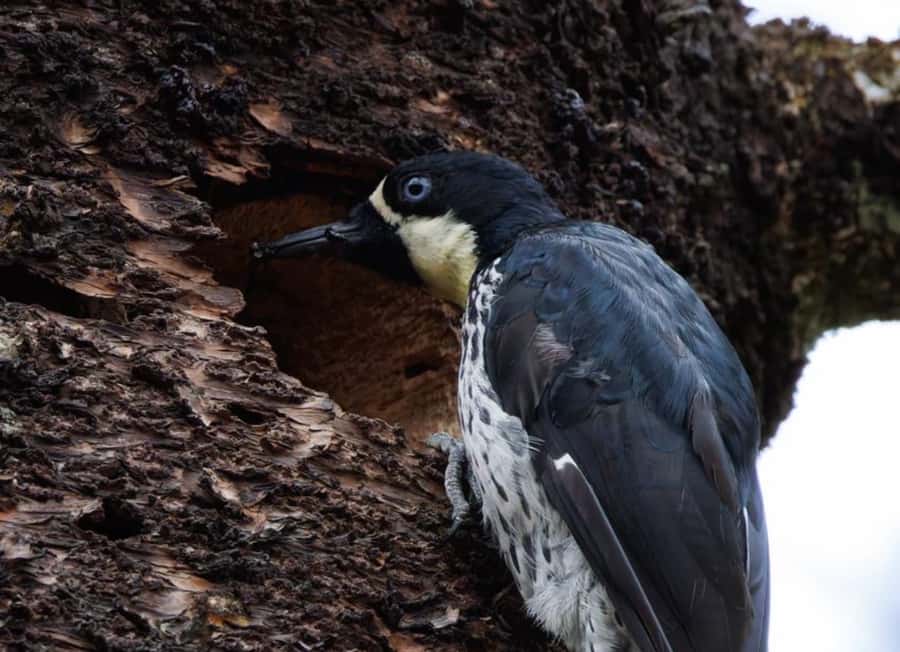
- Acorn Woodpeckers (including fledglings near leaving the nest)
- Caracara
- Ibis
- Oropendolas
- Parakeets
- Hummingbirds
- Various colorful small songbirds
You should also expect that the guide will point out birds you might miss on your own. That’s the practical magic of ornithology in the field: knowing where to look and what to ignore.
Breakfast, snacks, and why feeding you is smarter than it sounds
This tour includes a takeaway breakfast, snacks, and water. That’s not just nice—it’s strategic.
Birding can mean long quiet waits and repeated uphill stops. Hunger makes you impatient. Patience makes you a better birder. Feeding you keeps you in the sweet spot for spotting: alert, comfortable, and ready for that one bird call that turns into a great view.
Past outings have also included coffee and breakfast sandwiches, which fits the early-morning rhythm. Either way, you’re not stuck improvising food in the middle of a reserve day.
Value: why $197 for a private group can actually make sense
The price is $197 per group up to 2, for a 6-hour private tour. On paper, that might look steep compared to “just hiring a guide for an hour.” In practice, the value comes from three things you get for that block of time:
- Specialized detection and ID help
The guide’s job is to locate birds and confirm them by sound and behavior, not just walk beside you.
- Learning tools
The included bird list app with sound, images, and descriptions helps you learn throughout the tour, not after.
- Reserve access plus food
Entrance to the reserve, plus water, snacks, and takeaway breakfast, reduces the usual extras that add up fast.
If you want private transport to reduce logistics stress, that option is available by reservation (priced by group size). If you are comfortable using metro and meeting the guide at the station, you can keep costs simpler.
Who this Medellín birding tour fits best
This is a good match if:
- You want a structured first birding experience with real support
- You already bird and want a guide who can identify by sight and sound quickly
- You care about seeing birds in their habitat, with an ethical approach
- You want a private group so the pace can flex
It’s not a fit for wheelchair users, and it’s not suitable for babies under 1 year. And because it involves hills and long periods on foot, you should plan your fitness expectations accordingly.
Languages offered are English and Spanish, and the guides have experience working with different comfort levels. If your Spanish is limited, you can still participate fully thanks to the bilingual support.
Should you book it?
If you’re in Medellín and you want a morning (or long session) that turns Colombia’s bird reputation into actual, teachable moments, I’d say this is a strong booking choice. The combination of ornithologist biologist leadership, a bird list app with sound and images, and real time in the reserve is what makes it work.
Only book it with clear eyes if hills are not your thing or if you hate getting a little wet. Bring rain gear, accept slow walking for wildlife, and you’ll be fine.
If you want a one-day birding plan that feels educational and genuinely focused, this is the kind of experience I recommend you put on your Medellín short list.
FAQ
How long is the Birding Medellín with expert bird-watcher tour?
The tour lasts 6 hours.
Where is the meeting point for the tour?
Meet at the Típicas Empanadas store with a purple slogan at La Estrella Metro Station, just before the turnstiles.
How can I get to the meeting point from El Poblado or Laureles?
From El Poblado, take the metro at Poblado and ride Line A toward La Estrella. From Laureles (or nearby), take the metro to Estadio, then transfer at San Antonio to Line A toward La Estrella. You can also use Uber and request Estación Estrella.
What’s included in the price?
Included: a guided tour with a local biologist specialized in ornithology, a bird list app with sound, image, and description, bottled water, takeaway breakfast, snacks, and entrance to the reserve.
Do I need binoculars?
Binoculars are not included, but binocular rental is available.
How many birds can I expect to see?
The reserve experience is promoted around 150+ species, including birds that are endemic to the region.
Are beginners welcome, and what languages are offered?
Yes. The experience is designed for beginners to experts, with instruction offered in English and Spanish.
Can I cancel and get a refund?
Yes. You can cancel up to 24 hours in advance for a full refund.