REVIEW · MEDELLIN
From Medellín: Full-Day Colonial Towns of Antioquia
Book on GetYourGuide →Operated by Colombia Travel Operator · Bookable on GetYourGuide
Three towns, one Paisa day.
This full-day colonial towns trip around Medellín is interesting because it focuses on the real meaning of Paisa culture through small-town specialties. I love the way it links people and places: El Retiro for its plazas and woodworking, Carmen de Viboral for ceramics, and San Antonio de Pereira for local desserts. You’ll also get hands-on time watching pottery work happen, plus a coffee tasting. One drawback to consider is the pace: it is a packed 8-hour day with limited free time at each town, and it is not suitable for people with mobility impairments.
I also like that the tour is practical. You get private transportation, a bilingual guide (English and Spanish), hydration, and a typical Colombian lunch, so you are not spending the day figuring out logistics. The strongest value is the focus on culture you can see and touch, not just quick photo stops—though you should expect some photo-and-walk time between towns to keep the schedule moving.
In This Review
- Key things I’d watch for on this Antioquia day trip
- Why these Paisa towns feel like a different side of Antioquia
- Pickup, timing, and the reality of an 8-hour schedule
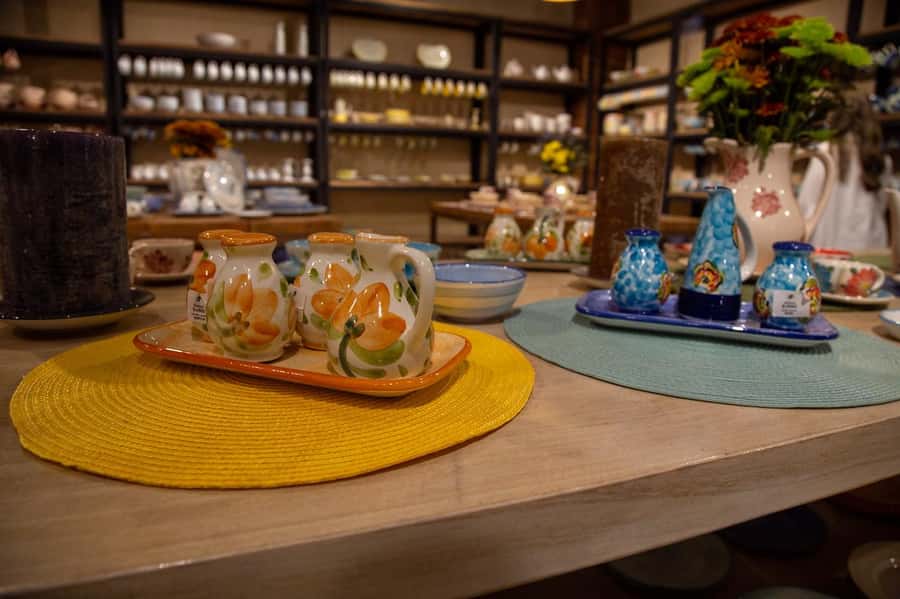
- Carmen de Viboral: ceramics you can watch being made
- Lunch in Carmen de Viboral: typical Colombian food, 50 minutes to reset
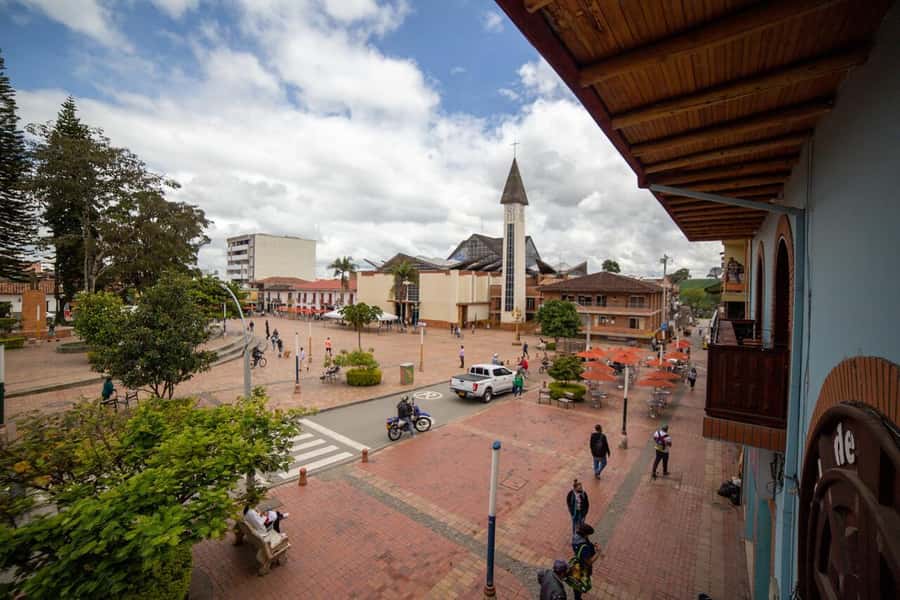
- El Retiro: plazas for wandering and woodworking talent for real character
- San Antonio de Pereira: dessert time with small-town pacing
- Guide and driver energy: why bilingual matters on a culture-focused route
- Price and value: what $160 buys you in a full-day format
- What to bring, and how to handle rain or shine
- Who should book this tour (and who might skip it)
- Should you book Full-Day Colonial Towns of Antioquia?
- FAQ
- How long is the tour?
- Where is the tour located?
- What are the pickup and drop-off options?
- Is lunch included?
- What activities happen in Carmen de Viboral?
- Does the tour include pottery shopping?
- What is included in the price?
- Is the tour available in English?
- Is it wheelchair accessible?
- Does it run in bad weather?
Key things I’d watch for on this Antioquia day trip
- Paisa culture, explained through towns tied to different local crafts and flavors
- Carmen de Viboral pottery shop visit, with a workshop-style look at creating and painting ceramics
- Coffee tasting in the middle of the ceramic experience, not as an afterthought
- El Retiro plaza and woodworking talent, with time to stroll and photograph
- Dessert-focused wandering in San Antonio de Pereira, built for sweet-tooth travelers
- Private transportation with bilingual guide for a smoother, low-stress day
Why these Paisa towns feel like a different side of Antioquia
If Medellín is your rhythm, this day trip is your change of pace. The word paisa is tied to a regional subculture in Colombia, closely associated with the rural towns of Antioquia—the area surrounding Medellín. What I like about this tour is that it treats Paisa culture as something you can experience through everyday things: town squares, local crafts, and food habits that are still alive.
Each town has a specialty. That matters because you are not just visiting a town for scenery. You are seeing how a community’s identity shows up in what it makes and what it eats. In El Retiro, that shows up in plazas and woodworking talent. In Carmen de Viboral, it is ceramics—serious craft, done by people who know the process. In San Antonio de Pereira, the spotlight shifts to desserts, which is a fun way to end the day feeling like you tasted the place, not just looked at it.
You can also read our reviews of more tours and experiences in Medellin.


Pickup, timing, and the reality of an 8-hour schedule
This is a true day trip: 8 hours total. That is long enough to see three towns, but it is not long enough to treat any one stop like a half-day on its own. The itinerary is structured so you get a mix of guided time plus free time, but you will feel the schedule.
Pickup options are convenient if you are staying around central Medellín neighborhoods: Laureles – Estadio, La Candelaria, and El Poblado. You may also be able to get hotel pickup in El Poblado (if your hotel is in that area). Drop-off happens back in El Poblado, or Laureles – Estadio, or La Candelaria.
What I suggest: plan for comfortable walking shoes and keep your schedule flexible in your head. Free time is there, but the guide still has to keep everyone moving so you make it to the next town and still enjoy the experience.
Carmen de Viboral: ceramics you can watch being made
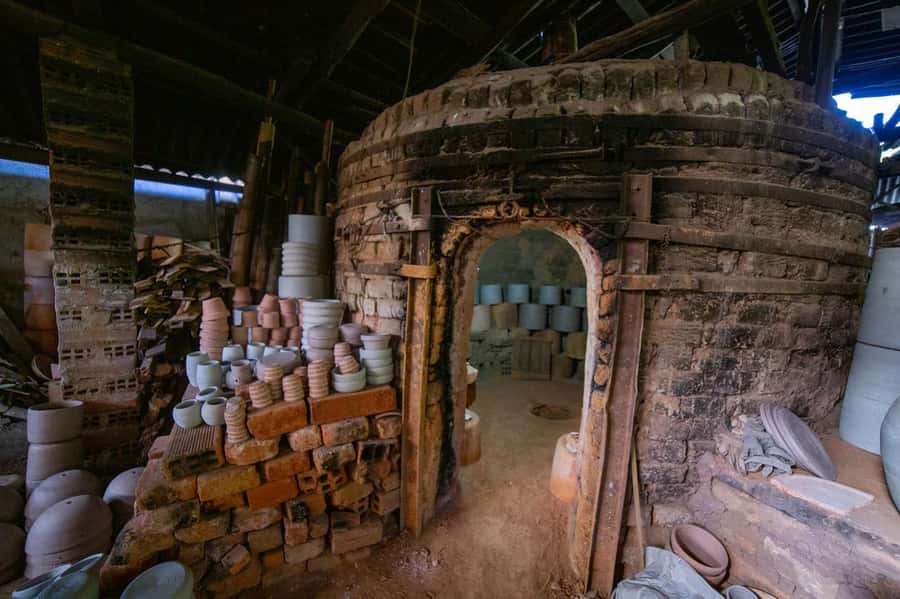
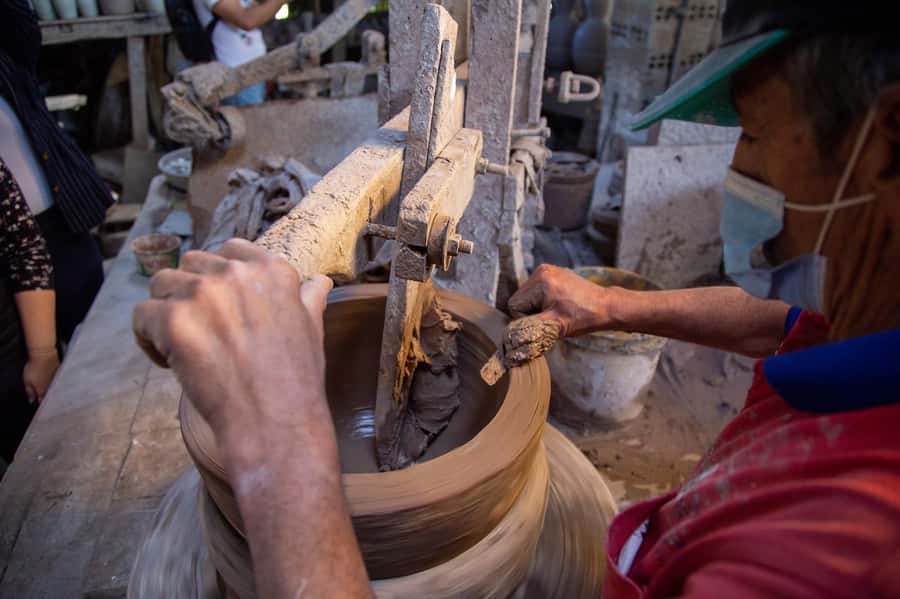
Carmen de Viboral is the craft stop, and it is the heart of the cultural “see it, then understand it” approach. The big idea here is simple: the town is known for ceramics, and the best part is being able to enter a pottery shop where you can watch experts create and paint pieces carefully.
That shop visit is not just shopping time. It is a chance to slow down and observe the work—how detail matters, how painting is done with care, and how the craft is presented as something living, not museum-only. You also get a bit of free time in town, so you can step back from the workshop and wander at your own pace.
After the workshop portion, you get a coffee tasting, which is a nice rhythm shift. It breaks up the intensity of watching ceramics and gives you something local to sip while you reset.
Possible drawback: ceramics-focused tours can make time feel tight if you want to linger at the shop. If you know you want to buy multiple items, you may want to decide early what you like so you do not lose your chance while browsing.
Lunch in Carmen de Viboral: typical Colombian food, 50 minutes to reset
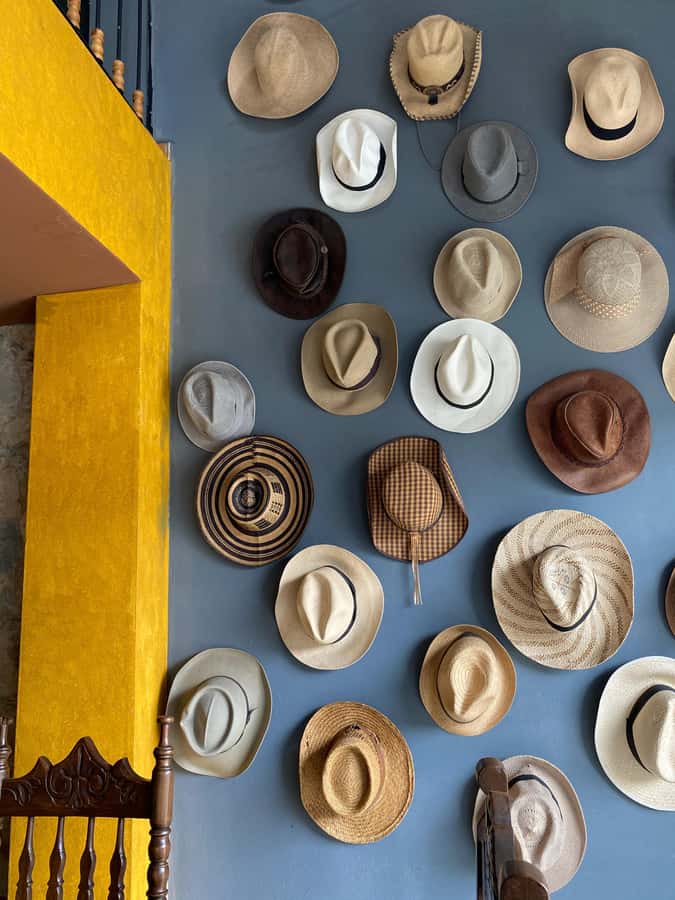
Lunch is scheduled right in Carmen de Viboral, with about 50 minutes. That is enough time to eat without feeling rushed into a quick sandwich and then back out the door.
Because lunch is described as typical Colombian, you should expect a traditional meal style rather than a trendy tasting menu. The value here is that lunch is included, and it helps keep the day from splitting into multiple decisions: where to eat, what to order, and how long it will take.
My practical advice: when your schedule offers a set lunch window, take it. You will enjoy the rest of the towns more if you do not start hunting for food that might not match the pace.
El Retiro: plazas for wandering and woodworking talent for real character
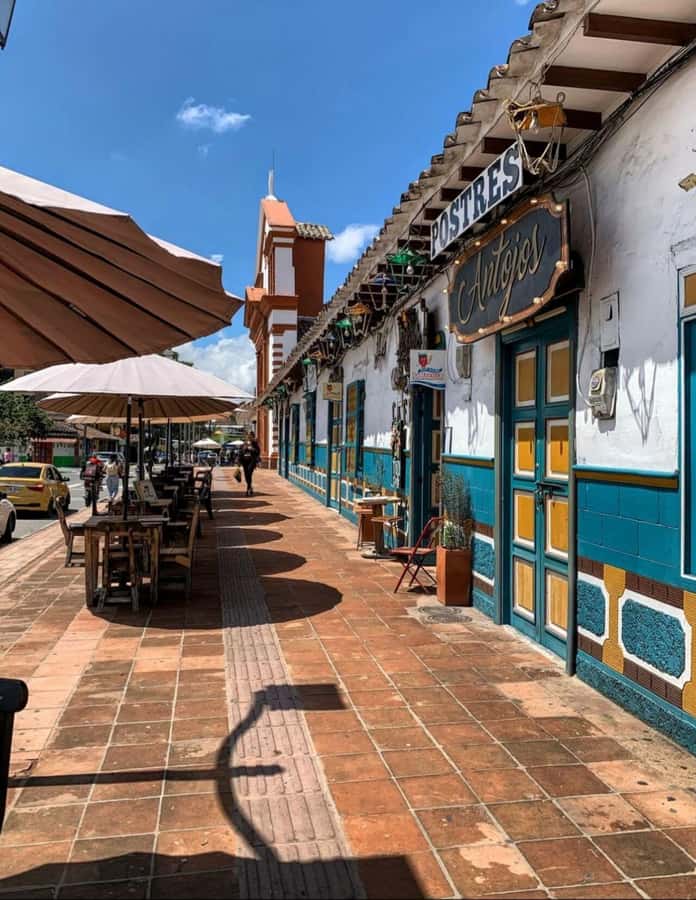
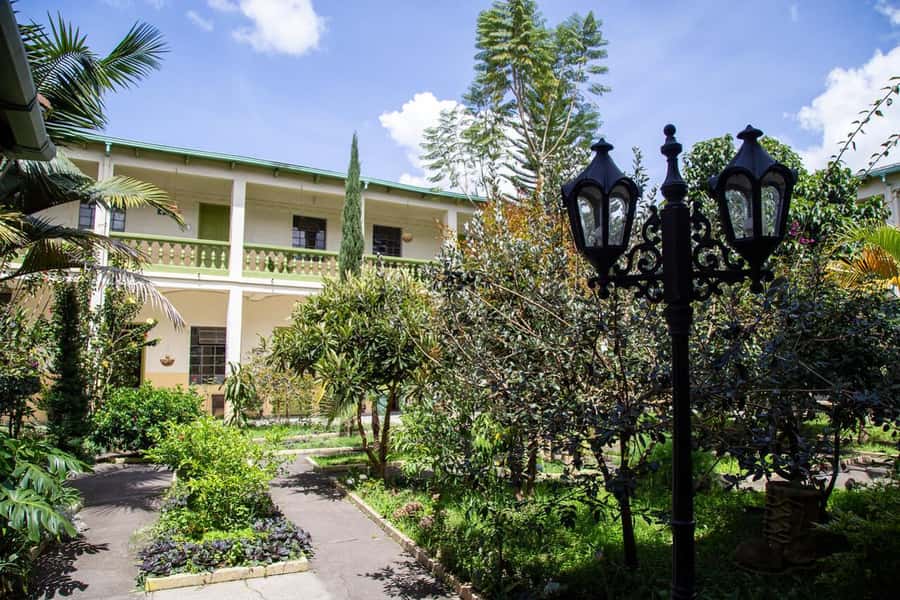
El Retiro is where the tour slows slightly into atmosphere. You get a photo stop plus time for a guided visit and free time to explore. What makes this stop special is the connection to local identity: El Retiro is known for beautiful plazas and woodworking talent.
A town plaza is more than a pretty backdrop. It is usually the social center—where people gather, talk, and show off everyday life. In El Retiro, the guide’s explanation of traditional Paisa culture adds context to what you are seeing: streets, town rhythms, and why crafts like woodworking matter to community pride.
Woodworking also adds a different type of value than ceramics. Ceramics are often about fine detail and painting. Woodworking can feel more immediate and grounded, and it fits the idea of a Paisa day trip where you are meeting craftsmanship in familiar town settings.
Time caution: free time is limited. If you want to maximize it, decide what matters most to you here—plaza wandering for photos, or seeking out the woodworking-related scenes the guide points you toward.


San Antonio de Pereira: dessert time with small-town pacing
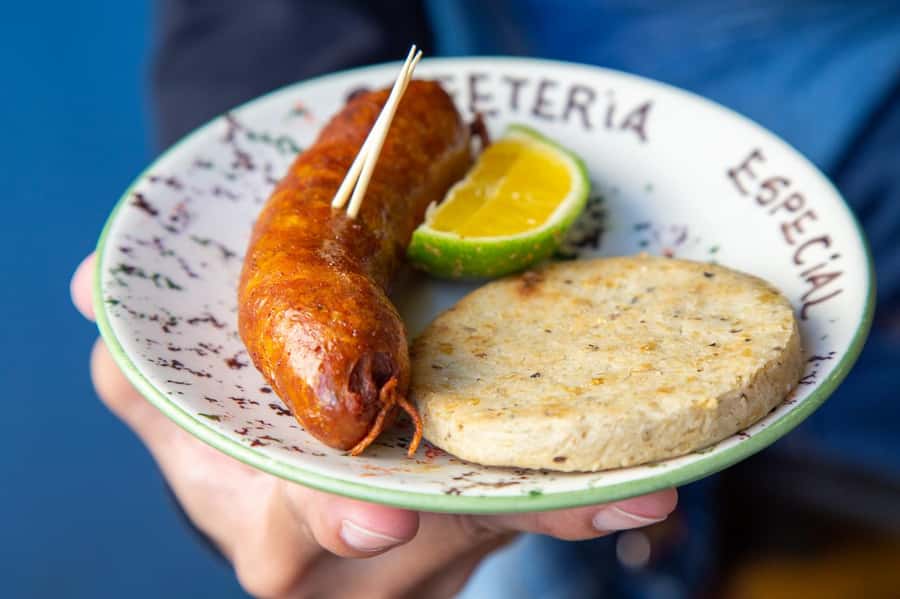
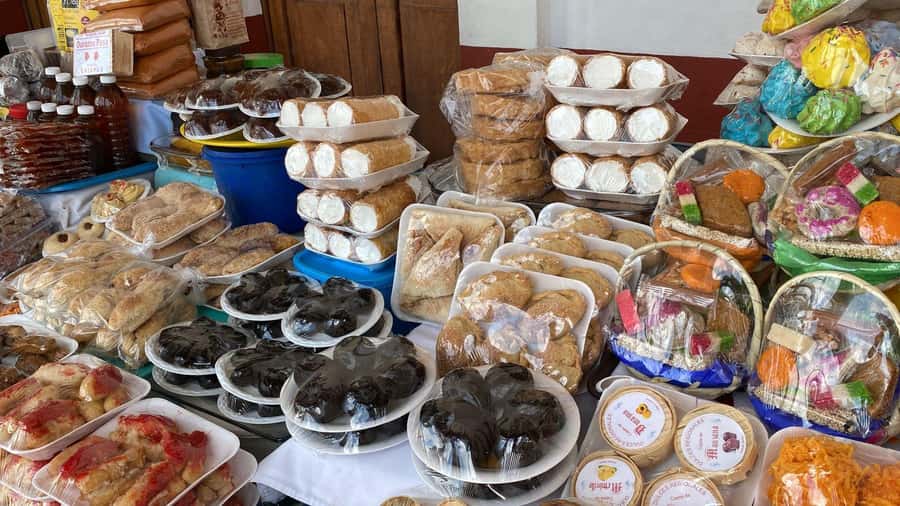
San Antonio de Pereira is the sweet finish. The town’s claim to fame on this itinerary is local desserts, which makes the stop feel like a reward after the earlier craft-heavy experiences.
You will have a mix of photo stop, guided visit, and free time. That structure matters because desserts are best experienced in the moment. Instead of only hearing about the town, you can walk, look around, and enjoy the flavors in a way that feels tied to the place.
If you love food stops on tours, this one makes sense because it is not generic. It is aimed at one specific local category—desserts—so you have a clearer idea of what to pay attention to.
Practical note: keep room in your day. By the time you reach dessert time, you will likely have eaten lunch earlier, so eating light earlier or pacing your snacks can help you enjoy the final stop more.
Guide and driver energy: why bilingual matters on a culture-focused route
This tour runs on communication. A bilingual English–Spanish guide is not just for translation; it shapes how you read each town. When a guide explains what Paisa culture means and ties it to what you are seeing—plazas, craft work, local specialties—you actually start connecting the dots instead of treating stops as separate “photo moments.”
The guide and driver dynamic can make a big difference in how the day feels. One group experience praised Daniel for exceptionally strong English and for sharing stories, culture, and history with clear enthusiasm. Another experience highlighted Veronica’s lively approach and conversations, supported by driver Jiovanni. A different guide, Julio, was praised for making the trip memorable as well. Yolanda Quiroz was also noted for her deep experience showing Paisa towns.
You cannot choose your guide from the information provided, but you can look for a tour format like this: private transportation, bilingual interpretation, and guided context in each town. That combination is exactly what helps a culture-focused itinerary feel coherent.
Price and value: what $160 buys you in a full-day format
At $160 per person for an 8-hour day, the best way to judge value is not the headline price—it is what is included versus what you would otherwise pay out of pocket.
Included highlights:
- Private transportation
- Bilingual guide (English–Spanish)
- Typical lunch
- Coffee tasting
- Pottery shop visit tied to the ceramic workshop experience
- Hydration
- Medical assistance
Not included: personal expenses.
If you tried to recreate this on your own, you would likely spend time on transportation planning, a guide for context, and paying separately for entry or experiences like the pottery shop visit and coffee tasting. Here, the day is designed so you are paying for structure and interpretation, not just a ride between towns.
My value take: this is worth it when you want the towns without the stress. If you enjoy self-guided wandering and you already know you can handle logistics easily, you might do it cheaper on your own. But if your goal is understanding Paisa culture through crafts and food—without guessing—this format feels like a fair trade.
What to bring, and how to handle rain or shine
This tour runs rain or shine. That means you should plan your clothing with wet weather in mind. You only need passport or ID card, but beyond that I recommend practical basics: a light rain layer, a small umbrella or hooded jacket, and shoes that can handle uneven sidewalks around plazas.
Also note: it is not suitable for people with mobility impairments. If you use a wheelchair, let the operator know in advance so they can confirm fit with the plan.
Who should book this tour (and who might skip it)
This day trip is a good match if you:
- Want a focused introduction to Paisa culture outside Medellín
- Enjoy craft experiences where you watch real work happening (ceramics in Carmen de Viboral)
- Like food stops that are specific to the town (desserts in San Antonio de Pereira)
- Prefer guided context over piecing together your own route
You might skip it if:
- You need a slower schedule with longer stays in one place
- You require wheelchair-friendly access, since it is not marked as suitable for mobility impairments
Should you book Full-Day Colonial Towns of Antioquia?
I’d book this tour if you want a clean, culture-first day that mixes craft, food, and town atmosphere without extra planning. The lineup makes sense: ceramics first with a workshop-style pottery visit and coffee tasting, then plazas and woodworking in El Retiro, then desserts to close out the day.
If you are the type who loves to understand a place through what people make and how they live, this itinerary is a strong fit. Just go in knowing it is a full 8 hours with walking, scheduled timing, and limited free time at each stop. If that pace works for you, this is a smart way to get out of the city and see Antioquia in a more personal, hands-on way.
FAQ
How long is the tour?
The tour duration is 8 hours.
Where is the tour located?
It is in Antioquia, Colombia, starting from Medellín.
What are the pickup and drop-off options?
Pickup options include Laureles – Estadio, La Candelaria, and El Poblado. Drop-off options include El Poblado, Laureles – Estadio, and La Candelaria.
Is lunch included?
Yes. Lunch is included and is described as typical Colombian lunch.
What activities happen in Carmen de Viboral?
You visit the pottery shop for a ceramics workshop-style experience, have free time, and enjoy a coffee tasting.
Does the tour include pottery shopping?
The tour includes a pottery shop visit. The information provided does not guarantee purchases, but it does mention the opportunity to see the work and a visit to the pottery shop.
What is included in the price?
Included are a bilingual English–Spanish guide, medical assistance, private transportation, hydration, typical lunch, coffee tasting, and the visit to a pottery shop.
Is the tour available in English?
Yes. The live tour guide is available in both Spanish and English.
Is it wheelchair accessible?
The tour is not suitable for people with mobility impairments. If you use a wheelchair, you should let the operator know in advance.
Does it run in bad weather?
Yes. The tour takes place rain or shine.