REVIEW · MEDELLIN
Comuna 4 – Moravia Tour
Book on GetYourGuide →Operated by Real City Tours S.A.S · Bookable on GetYourGuide
A neighborhood story you can actually walk through. This Comuna 4 – Moravia tour takes you past the usual Medellín highlights and into a community that spent years without government recognition, now telling its own story through people on the ground and a small group experience with a local community leader.
I especially like the human scale: you’re not shuffled through on a bus schedule, and you get real context on how the neighborhood changed and what daily life looks like now. One heads-up: this is a walking tour, so expect a pace that favors comfortable shoes over casual strolling.
You’ll also get practical explanations, not just photos and slogans. I like that the tour includes a professional bilingual guide who connects the dots between transformation and the basics people depend on—especially the education, health, and welfare systems—in plain, understandable language. The one drawback is that the topic can feel heavy at times (because it’s about neglect, survival, and change), so if you want a purely light sightseeing day, you might need to manage your expectations.
In This Review
- Key things you’ll notice on this tour
- Why Comuna 4 (Moravia) feels different from “standard Medellín”
- The meeting point: Caribe Metro South exit with a pedestrian bridge
- The walking format: what 3.5 hours actually feels like
- Barrio transformation, from “unrecognized” to self-defined
- Understanding Colombia’s education, health, and welfare systems
- Women’s empowerment and grassroots leadership you can meet
- Moravia Cultural Center: where sightseeing meets context
- Food tasting in Moravia: small, friendly, and local
- Price and value: what $30 gets you (and why it matters)
- Practical tips before you go
- Who should book this tour (and who might skip it)
- Should you book Comuna 4 – Moravia Tour?
- FAQ
- FAQ
- How long is the Comuna 4 – Moravia tour?
- What is the group size limit?
- What languages are offered?
- Where do we meet?
- Is hotel pickup included?
- What should I bring?
- Is the tour mostly walking?
- What’s included in the price?
- Is there food during the tour?
- What if I’m using Uber to get there?
Key things you’ll notice on this tour
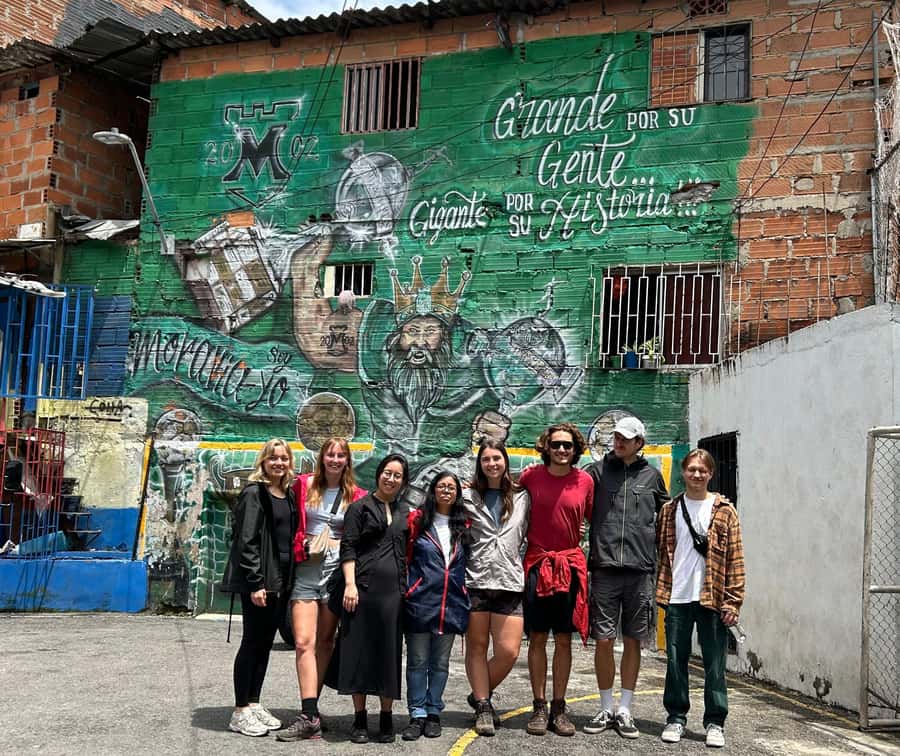
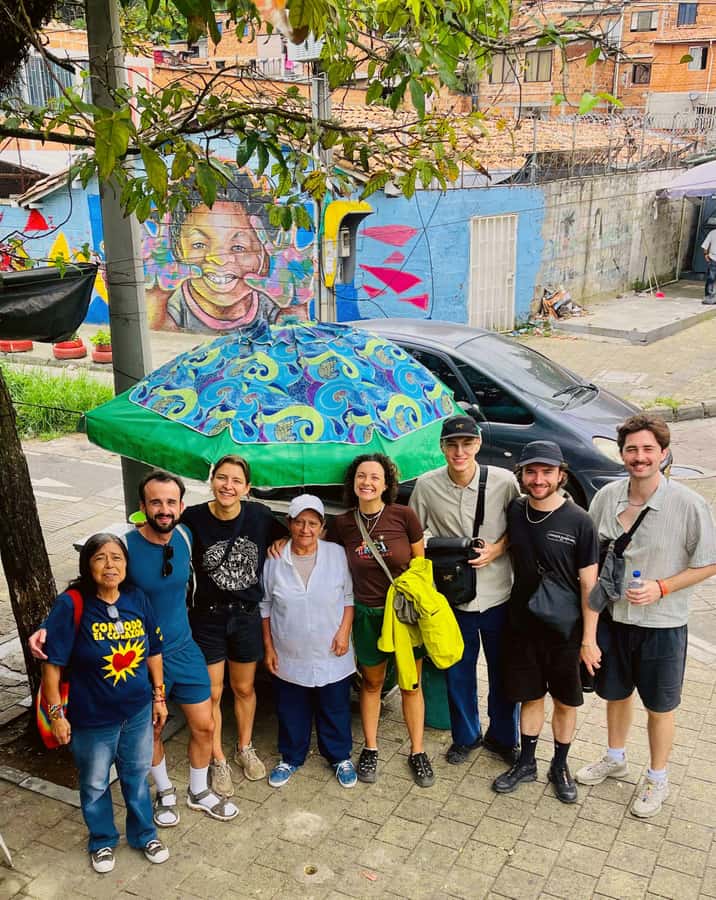
- Local leadership first: community leaders such as Gloria, Gladis, Heroina, or Toto (depending on the group) guide the conversation with personal perspective.
- Small group limit of 8: fewer people means less noise and more time to ask questions.
- System-level context: you’ll understand how education, healthcare, and welfare connect to everyday life in Colombia.
- A transformation story with a timeline: you’ll visit areas tied to a barrio built around 60 years ago, when government recognition didn’t exist.
- Women’s empowerment in action: the tour highlights grassroots leadership and how women’s roles are changing the community.
- Moravia food tasting plus cultural stops: you don’t just look—you taste and you see local spaces like the Cultural Center.
Why Comuna 4 (Moravia) feels different from “standard Medellín”
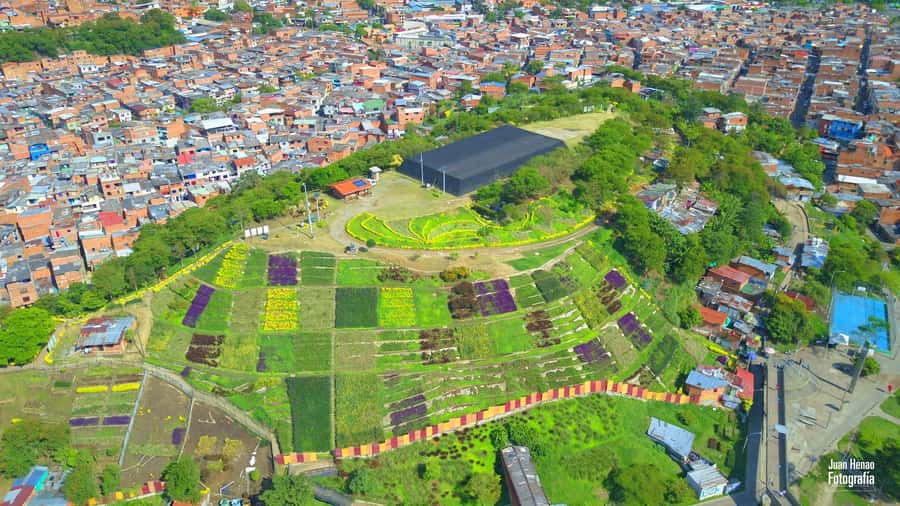
Comuna 4 is one of the places in Medellín where the city’s story isn’t told by billboards—it’s told by residents. On this tour, the focus stays on a neighborhood transformation that happened despite long years of official neglect. You’ll visit the barrio that began roughly 60 years ago when the government hadn’t recognized it, and you’ll see how community organization, daily routines, and grassroots leadership filled the gaps left by institutions.
What I like about this approach is that it doesn’t treat the neighborhood like a spectacle. The emphasis is on respect and on learning from people who live there. They frame this as social tourism that gives dignity to the community, not what most people think of as poverty tourism. That difference matters because it changes the tone of the whole walk: you’re welcomed into a real place, with real priorities and real boundaries.
You can also read our reviews of more tours and experiences in Medellin.
The meeting point: Caribe Metro South exit with a pedestrian bridge
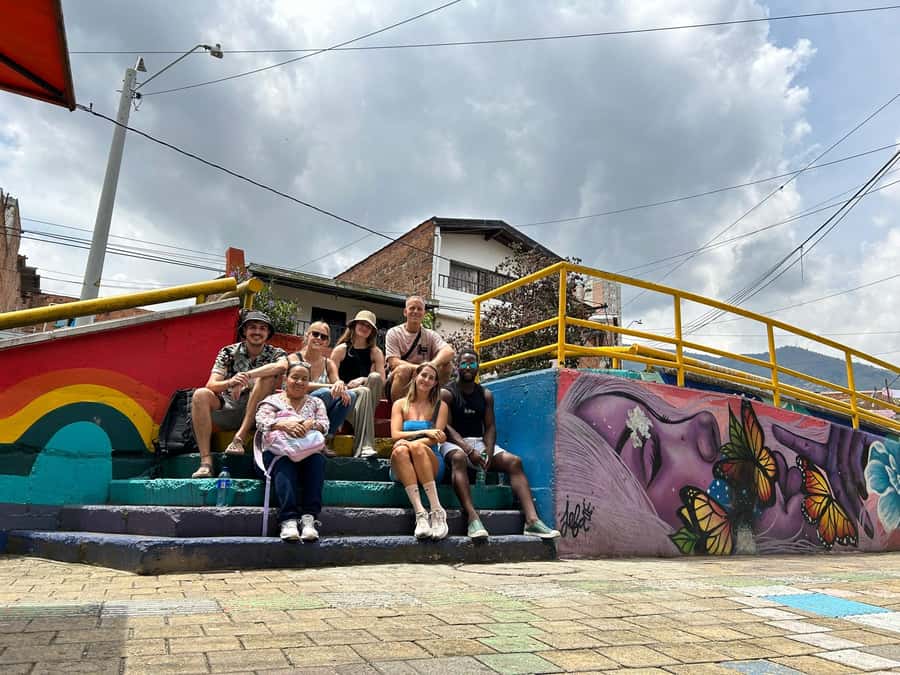
You’ll start at the South ticket booth of Caribe Metro Station in Medellín. The detail that saves time is this: Caribe Metro station has two exits—north and south—and you want the one that has a pedestrian bridge over the Medellín River. That bridge is the easy landmark to confirm you’re in the right spot.
If you’re using metro (recommended), take the A line and get off at Caribe. When you exit, head toward the back of the train—meaning the South side. There’s also a short video guide to help you line up the right exit, but honestly, the bridge reference is the simplest way to get your bearings fast.
If you’re tempted to use Uber, the tour notes it’s not advised. The reason is practical: your driver likely won’t drop you at the exact meeting point. If you do go that route, make sure you have phone data so you can stay in touch.
The walking format: what 3.5 hours actually feels like
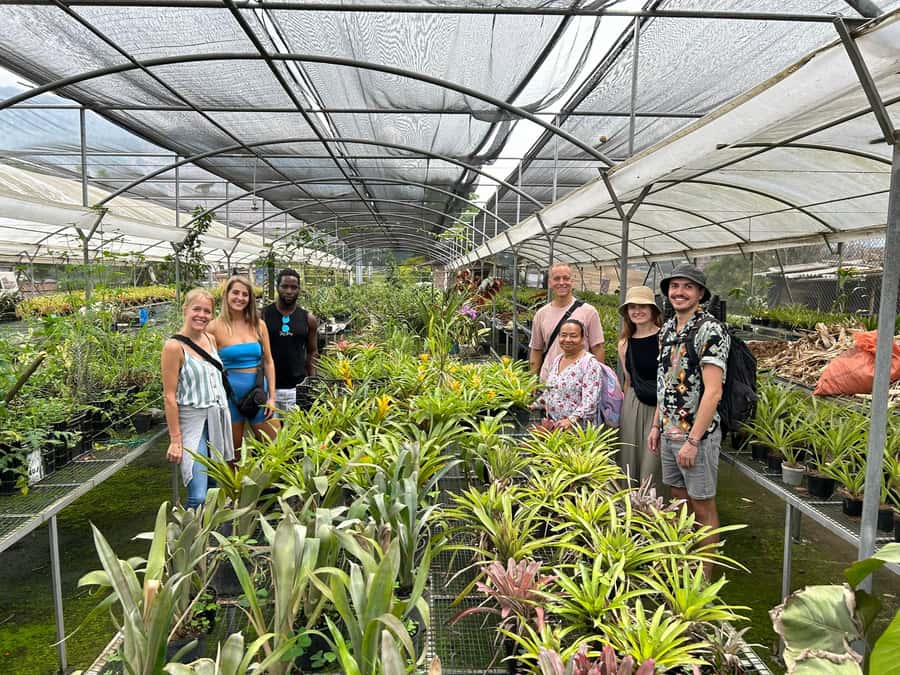
This experience runs about 3.5 hours with a small group capped at 8 participants. The itinerary is broken into short guided segments plus visits, so you’re not trapped in one long lecture. You’ll have a blend of walking and stops, including a food tasting and sightseeing at the Moravia Cultural Center.
Expect the rhythm to be question-friendly. With a small group and local leadership involved, the conversation tends to move beyond basic facts into how systems play out on the street. The guide and community leader also explain the places you’re seeing, rather than using them like backdrops.
Barrio transformation, from “unrecognized” to self-defined
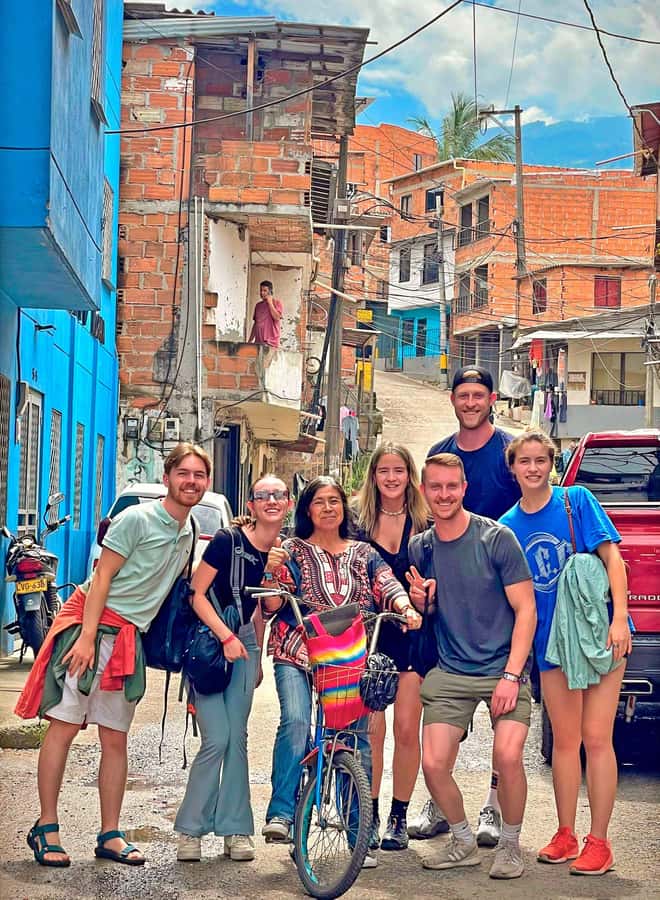
One of the tour’s core themes is transformation—specifically, what it means when a barrio exists and functions without formal recognition for years. You’ll get a guided walk early on (about 30 minutes) focused on the neighborhood’s transformation story. This is where the tour gives you the context that makes the rest of the stops click.
You’ll also spend time at a first “hidden gem” stop (around 45 minutes) followed by a longer visit in Moravia (about 1 hour with guided touring). The way those segments are organized helps you build a timeline in your head: where the community had to improvise, where services and support arrived later, and where residents kept steering the direction with grassroots leadership.
A balanced way to think about it: this isn’t presented as a fairy-tale makeover. It’s presented as a process, often shaped by what residents could organize themselves and what institutions eventually provided. That’s why the story can feel both empowering and sobering.
Understanding Colombia’s education, health, and welfare systems
Here’s one of the best reasons to do this tour: you don’t just learn about places—you learn how the country’s support systems work in real life. The tour explicitly focuses on Colombia’s education system, health care system, and welfare system, and it’s explained in a way meant to go beyond surface-level answers.
The practical value for you is this: once you understand the basics of how education, health, and welfare are structured, you can better interpret what you see in any neighborhood—who has access, what people prioritize, and how community organization helps when services are uneven.
The guide approach matters too. The tour is led by professional bilingual guides, and the description notes the team includes guides who have lived abroad and don’t rely on oversimplified explanations. In other words, you get street-level stories tied to institutional reality, not just emotional anecdotes.

Women’s empowerment and grassroots leadership you can meet
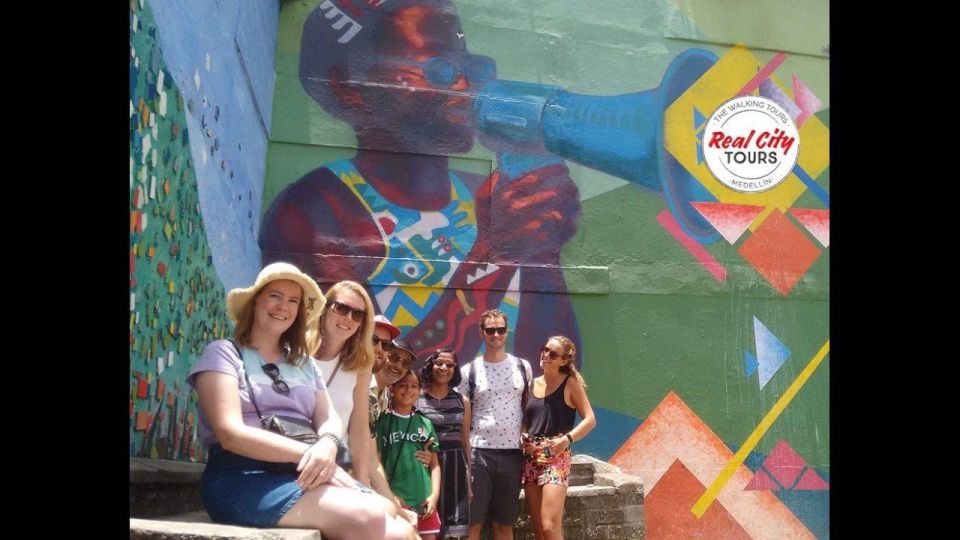
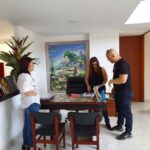
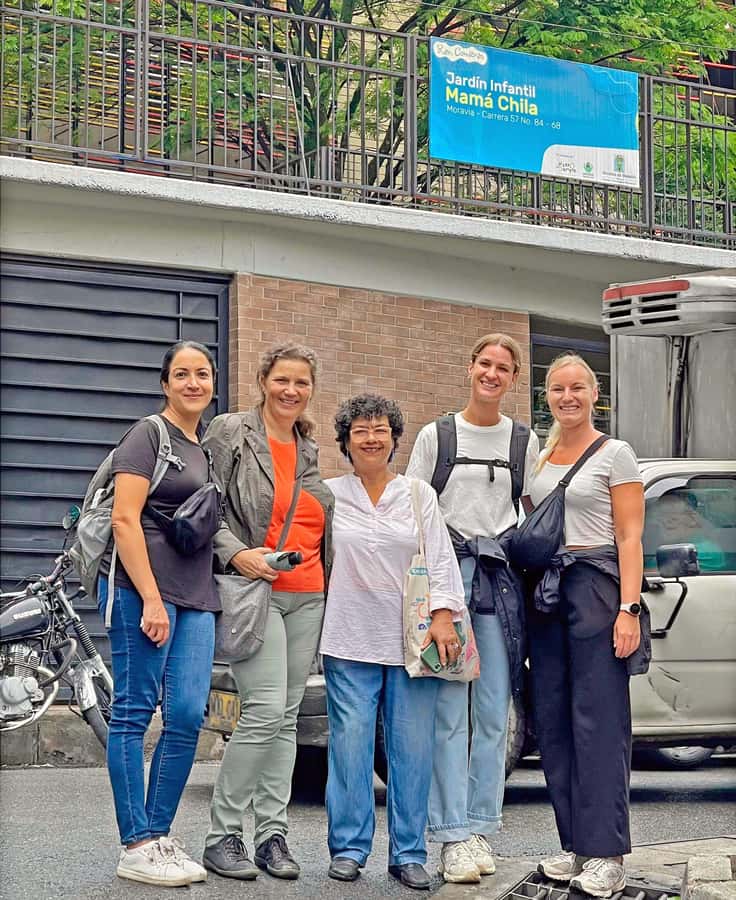
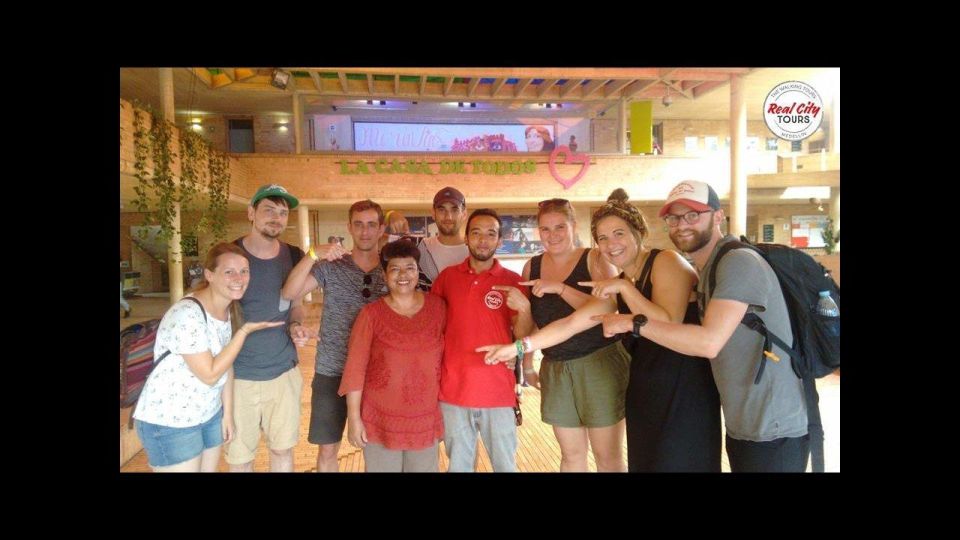
Another standout theme is women’s empowerment. You’ll meet local grassroots leaders, and the experience is set up so these leaders aren’t background characters. They’re part of the narration, and you’ll hear personal perspective on what change looks like from inside the community.
In many tours, empowerment is a slogan. Here, it’s treated as something practical: how leadership develops, how women shape community initiatives, and how families navigate daily needs while still pushing for improvement. If you care about how Medellín’s transformation happened beyond the headlines, this part is the heart of the day.
You may also spend time learning from different named community leaders such as Gloria, Gladis, or Heroina, and in some runs you’ll hear from people like Toto—so don’t be surprised if the personality and emphasis shift a bit depending on who’s leading that day.
Moravia Cultural Center: where sightseeing meets context
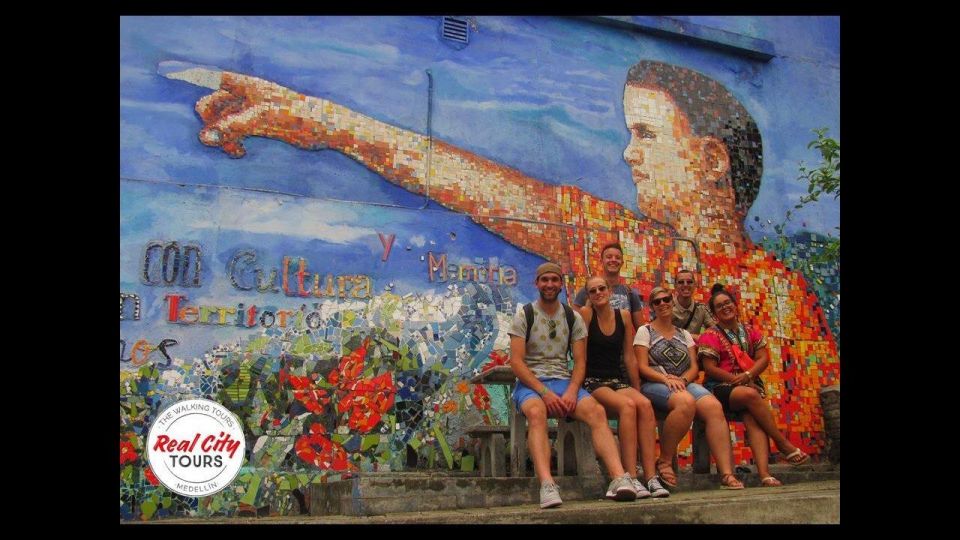
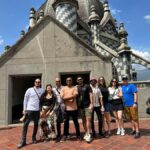
One of your later stops is the Moravia Cultural Center, with about 30 minutes of sightseeing time. This isn’t just a quick photo stop. It functions like a way to summarize the bigger picture you’ve been building: how culture, community memory, and local initiative show up in public spaces.
By the time you reach this point, you’ve already spent time walking the transformation narrative and connecting it to systems like education and healthcare. So when you look around the Cultural Center, you’re more likely to notice the why behind the space: it represents community identity as much as it represents a public facility.
Food tasting in Moravia: small, friendly, and local
About halfway through, you’ll have a 30-minute food tasting in Moravia. The tour doesn’t list specific dishes in the provided info, so you should treat this as a chance to sample local flavors rather than a set menu expectation.
The value here isn’t just taste. Food tasting in a neighborhood like this works as a break from walking while still keeping you connected to daily life. It also gives you time to talk more casually with the guide and community leader, which often leads to deeper conversation than you’d get from a purely informational stop.
Price and value: what $30 gets you (and why it matters)
At $30 per person, this tour sits in an accessible price range for a 3.5-hour guided experience. But the better question is what you get for your money.
You’re not paying just for someone to walk you around. The included items are meaningful: a local community leader, a professional bilingual tour guide, and a small snack. On top of that, the description states that the local leaders get paid and that a portion of your tour fee goes directly toward community initiatives.
That combination changes the value proposition. You’re supporting grassroots work while also buying something that feels rarer in Medellín: a day where you learn systems-level context from people who live with the outcomes.
Practical tips before you go
This tour is straightforward, but a few details can make your day smoother:
- Wear comfortable shoes. You’ll be walking for a 3.5-hour period with multiple stops.
- Bring sunscreen. Medellín sun can be intense, and you’ll be outside for significant stretches.
- Plan for no hotel pickup. You’ll start at the metro meeting point and return there.
If you’re going by metro, double-check you’re heading out at the South exit near the pedestrian bridge. That’s the detail that prevents “almost there” confusion.
Who should book this tour (and who might skip it)
I think this tour is a great fit if you want Medellín beyond viewpoints and murals on the postcard route. You’ll enjoy it most if you like tours with real conversation, local leadership, and a story that connects neighborhood transformation to day-to-day systems like education and health.
It’s also a good choice if you care about responsible tourism. The format limits group size to 8, and it’s built around respectful visits—so you’re less likely to feel like an observer and more likely to feel like a temporary participant in a community-led explanation.
You might consider something else if you want a relaxed, purely scenic day. This experience has real weight to it because it covers years of lack of official recognition and the ongoing effort to build support systems from the ground up.
Should you book Comuna 4 – Moravia Tour?
If you’re trying to understand Medellín as a living place, not just a set of photo spots, I’d book it. The strongest reasons are the mix of local leadership, the guided look at how transformation connects to education, health, and welfare, and the small-group format that keeps the conversation human.
Do it if you’re curious, patient, and open to stories that go beyond the surface. Skip it if you only want light sightseeing or if you’re not comfortable with walking in a neighborhood setting.
FAQ
FAQ
How long is the Comuna 4 – Moravia tour?
The tour lasts about 3.5 hours.
What is the group size limit?
The group is limited to 8 participants.
What languages are offered?
The tour is in English.
Where do we meet?
You meet at the South ticket booth of Caribe Metro Station, on the side with the pedestrian bridge over the Medellín River.
Is hotel pickup included?
No, hotel pickup or drop-off is not included.
What should I bring?
Bring comfortable shoes and sunscreen.
Is the tour mostly walking?
Yes. It’s a walking tour with multiple guided segments and stops throughout the neighborhood.
What’s included in the price?
Included items are the local community leader, a professional bilingual tour guide, and a small snack.
Is there food during the tour?
Yes. There is a 30-minute Moravia food tasting.
What if I’m using Uber to get there?
Uber is not advised because drivers may not drop you at the right place. If you use Uber anyway, have phone data so you can stay in touch.