REVIEW · PARACAS
From San Martin Port: Ballestas Island & Paracas Reserve
Book on GetYourGuide →Operated by Tangol · Bookable on GetYourGuide
Speedboats and sea lions in one morning. The Ballestas Islands plus Paracas National Reserve is one of those Peru combos that feels efficient but not rushed—because the coast does most of the talking. I love the up-close wildlife (including Humboldt penguins) and the quick lesson you get on why this coastline matters. One thing to weigh: the day can be a bit organization-dependent, and English narration isn’t always guaranteed the way you’d expect.
On the water, you’re sailing out from the traditional pier area of El Chaco and then swinging past major sights with a professional guide doing the interpretation. Back on land, Paracas gives you desert viewpoints, the famous Cathedral rock, and the oddball wonder of Red Beach. I especially like that the stop at the reserve includes an interpretation center with marine fossils, so the scenery has context, not just views.
My main caution is language and flow. Even when the guided tour is listed as Spanish/English, some departures run with a driver who speaks only Spanish, and you may spend time in queues before the boat. If detailed English explanations are a must, I’d plan to ask ahead and come ready with patience and snacks.
In This Review
- Key points you’ll care about
- Why Ballestas + Paracas works so well in 5 hours
- San Martín Port to El Chaco: the start that sets the tone
- Passing the Candelabro geoglyph from the water
- Ballestas Islands wildlife: where the animals do the tour
- Paracas National Reserve: the interpretation center first
- Cathedral viewpoint: World Heritage rock, shaken by 2007
- Red Beach and Lagunillas: two very different shore moods
- The logistics feel: transport times, queues, and what to pack
- Language reality check: Spanish/English guide, Spanish driver
- Price and value: what $74 covers (and what doesn’t)
- Who this tour fits best
- Should you book from San Martín Port?
- FAQ
- How long is the tour from San Martín Port to Ballestas and Paracas?
- Where does the tour start and end?
- Do I need to pay an entrance fee?
- Is food included in the price?
- What transportation is used for the Ballestas Islands part?
- What wildlife can I expect to see at Ballestas?
- What languages are available during the tour?
- What should I bring to stay comfortable?
Key points you’ll care about
- Candelabro passed by boat: see the 180-meter geoglyph and hear the theories linking it to the Nazca Lines
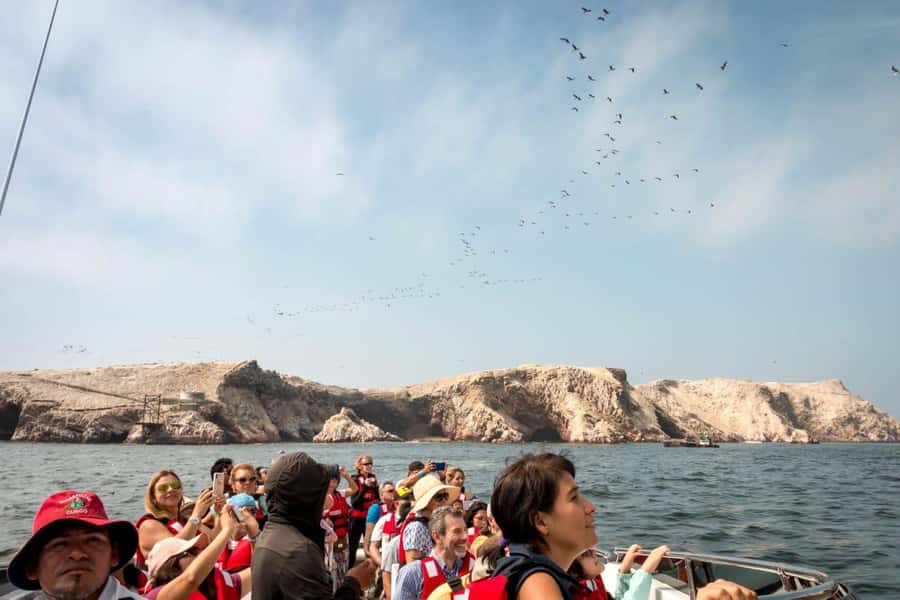
- Ballestas wildlife in open air: boobies, pelicans, sea lions, and Humboldt penguins are common targets
- Guano birds with named species: Peruvian booby, Peruvian diving-petrel, and Guanay cormorant
- Paracas Desert viewpoints + Cathedral: a World Heritage rock formation, damaged after the 2007 earthquake
- Red Beach color explained: reddish sand tied to ancient volcanic eruptions
- Fast day, real variety: boat viewing (about 2 hours) plus reserve time (about 100 minutes)
Why Ballestas + Paracas works so well in 5 hours
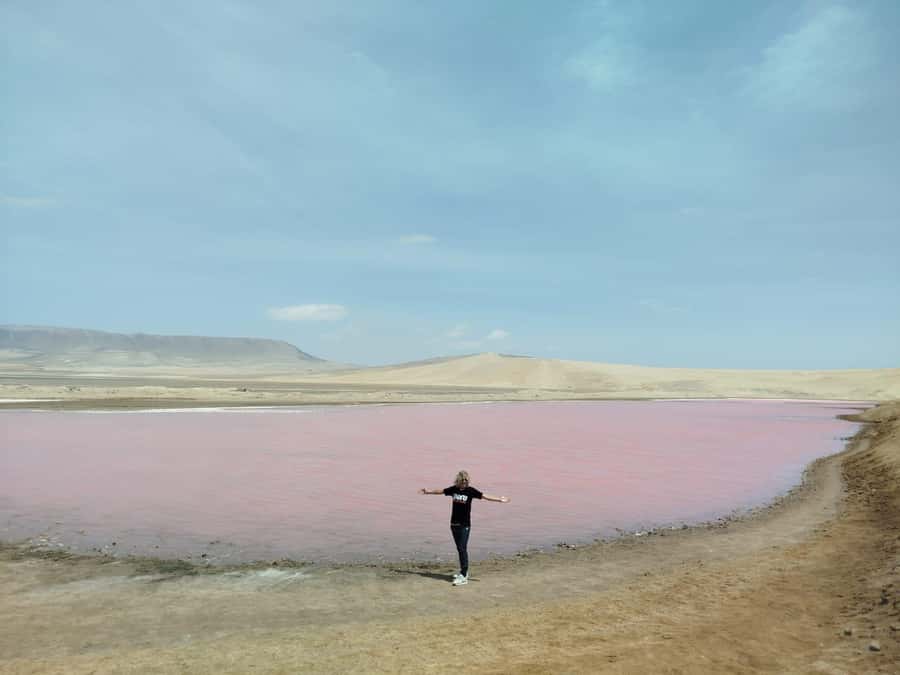
This isn’t a slow, lingering nature day. It’s a coast-hits-fast, coast-rewards-big tour. You start early from Puerto San Martín, ride to the pier, go out on a speedboat for classic Ballestas viewing, then shift gears to Paracas National Reserve for desert scenery and key landmarks.
The value comes from the mix. Ballestas Islands is all about animals and cliffs. Paracas is the “why” behind the place—flora, fauna, marine fossils, and the famous rock formations. In one half-day, you get both the drama of the shoreline and the science-story of the ecosystem.
Also, you’re not stuck with just one kind of experience. You’re on the water, then in a guided interpretation setup, then walking short stretches to viewpoints. If you only have a single morning in Ica Region, this combo fits the time crunch without feeling like a drive-by.
You can also read our reviews of more tours and experiences in Paracas.


San Martín Port to El Chaco: the start that sets the tone
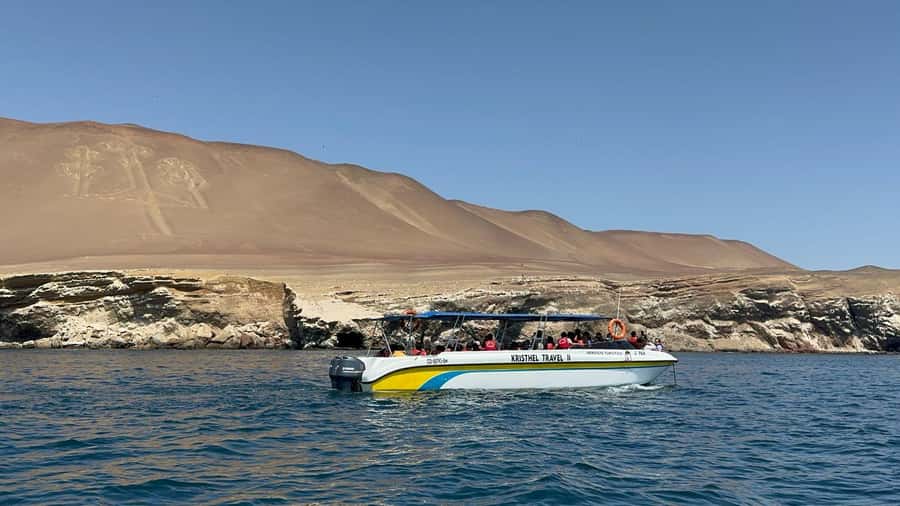
You meet at Terminal Portuario General San Martín and then you transfer by bus/coach for about 20 minutes. The goal here is to reach the traditional pier area of El Chaco, where you meet the rest of the group and board the speedboat.
This is where you’ll feel the biggest difference between a smooth day and a chaotic one. Some departures run tight and orderly; others can involve busy, slightly chaotic queues at the boat stage. I’d treat that as normal for a popular coastal outing. Keep your essentials handy and don’t plan on using this time to get “quiet” phone photos.
Comfort tip: dress for wind and spray even if the sky looks calm. That stretch along the water can feel cooler than you expect. A windbreaker and sunglasses help more than you think, especially when the sun reflects off the sea.
Passing the Candelabro geoglyph from the water
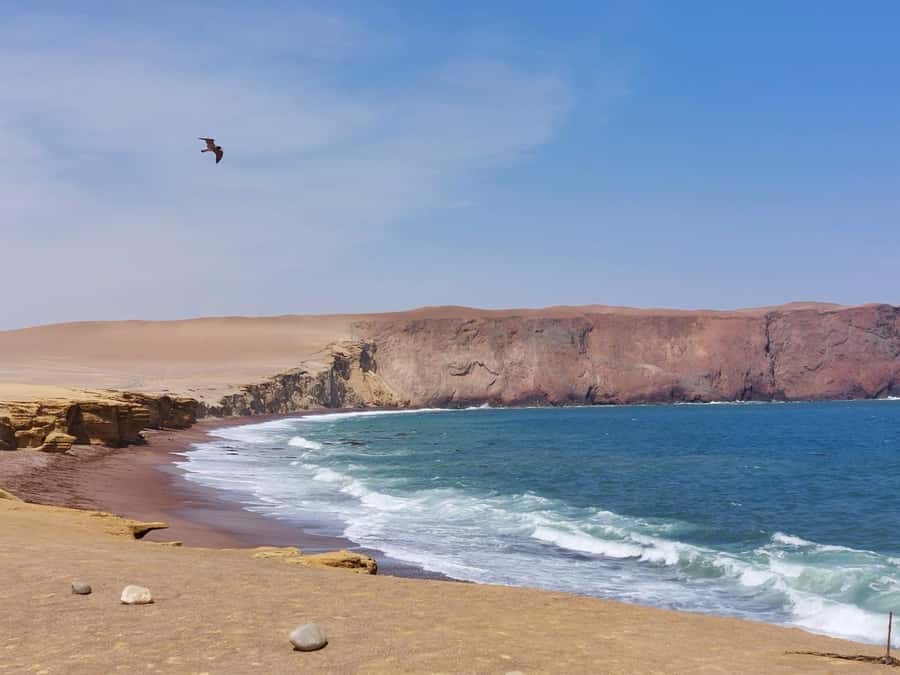
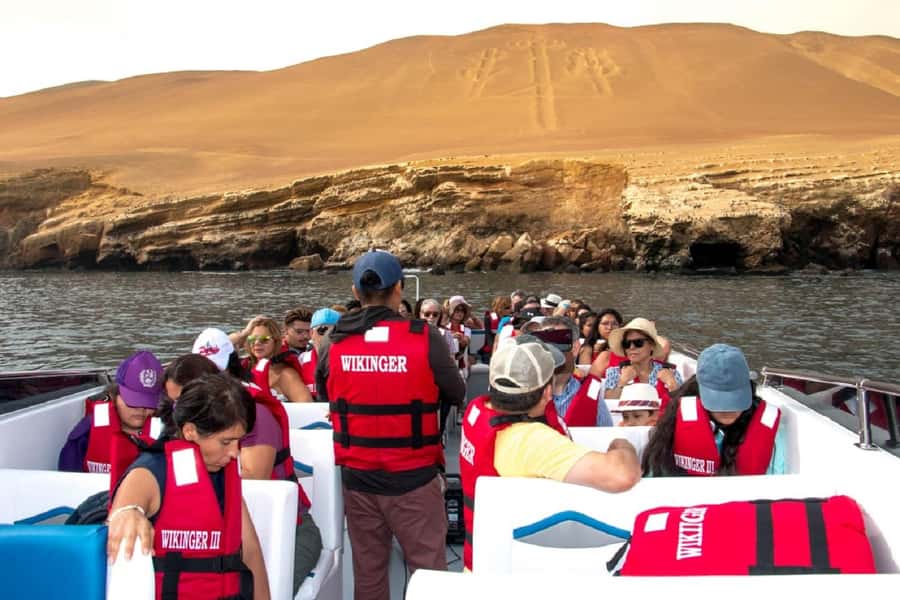
Before you even land on the Ballestas viewing zone, the boat route takes you past the Candelabro—a long geoglyph measuring about 180 meters, with an estimated age around 2,500 years. Even better, you get the kind of explanation that stays human and practical: what you’re looking at, why it’s mysterious, and why people connect it to the Nazca Lines.
You’ll also learn how experts still argue about purpose. That “nobody knows for sure” angle is part of the fun. You’re not just ticking off a landmark; you’re seeing a hint of the ancient landscape logic—one that still puzzles today.
From a photo standpoint, this is one of those moments where timing matters. The boat moves, so you can’t pose forever. Focus on getting a clear, stable shot first, then switch to video if you want the narration to survive your camera shake.
Ballestas Islands wildlife: where the animals do the tour
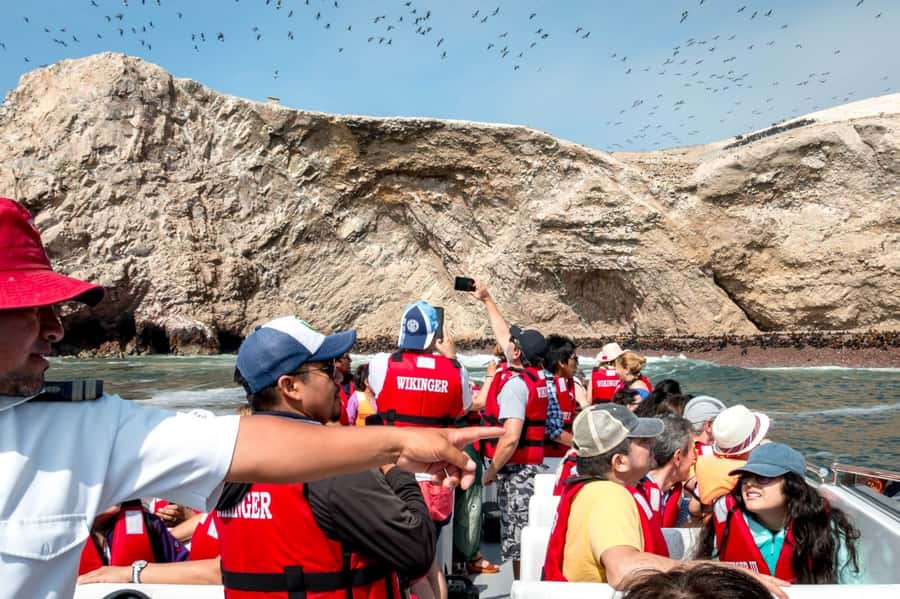
Ballestas Islands is the reason most people book this. Once you’re out there, you’ll spend about 2 hours with marine-life viewing and wildlife spotting while the speedboat cruises the viewing areas.
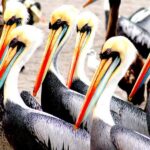
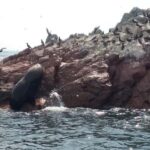
This is a serious wildlife stretch. You can look for boobies, pelicans, sea lions, and Humboldt penguins. The penguins are the headline for many visitors—small, surprising, and totally at home near the cliffs. Even if you’re not a bird person, the motion of the sea lions and the constant fluttering of birds makes it hard to look away.
You’ll also hear about guano—this archipelago is famous as the world’s best natural fertilizer. That doesn’t sound scenic, but it explains why so many birds gather and stick around. You can watch for guano birds such as the Peruvian booby, Peruvian diving-petrel, and the Guanay cormorant.
One practical thing: bring binoculars if you have them. The tour does the spotting work for you, but binoculars help you identify birds at distance instead of guessing. If you don’t have them, just know you’ll still get plenty of sights with the guidance.
Paracas National Reserve: the interpretation center first
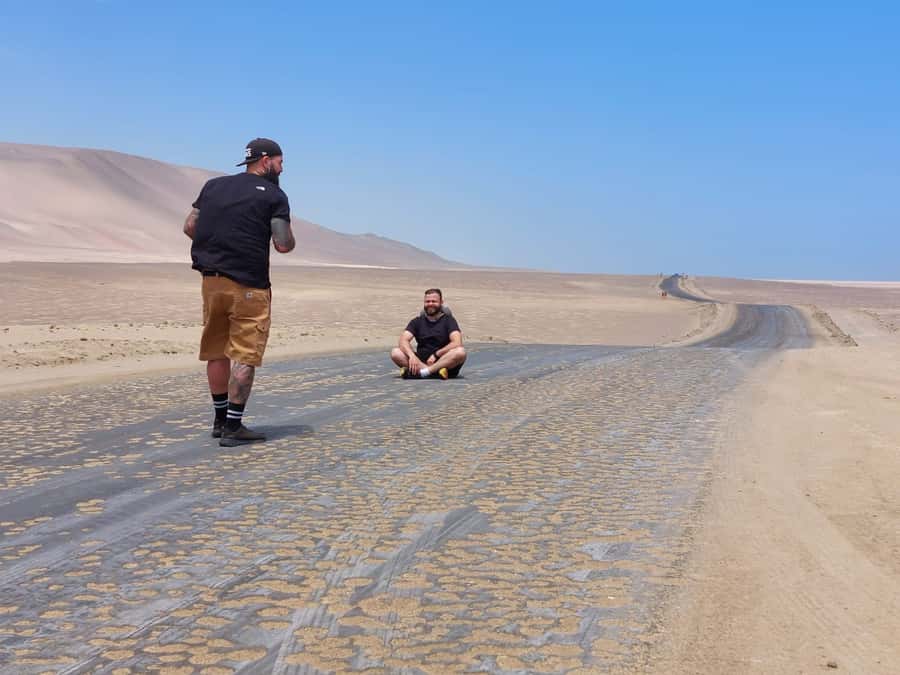
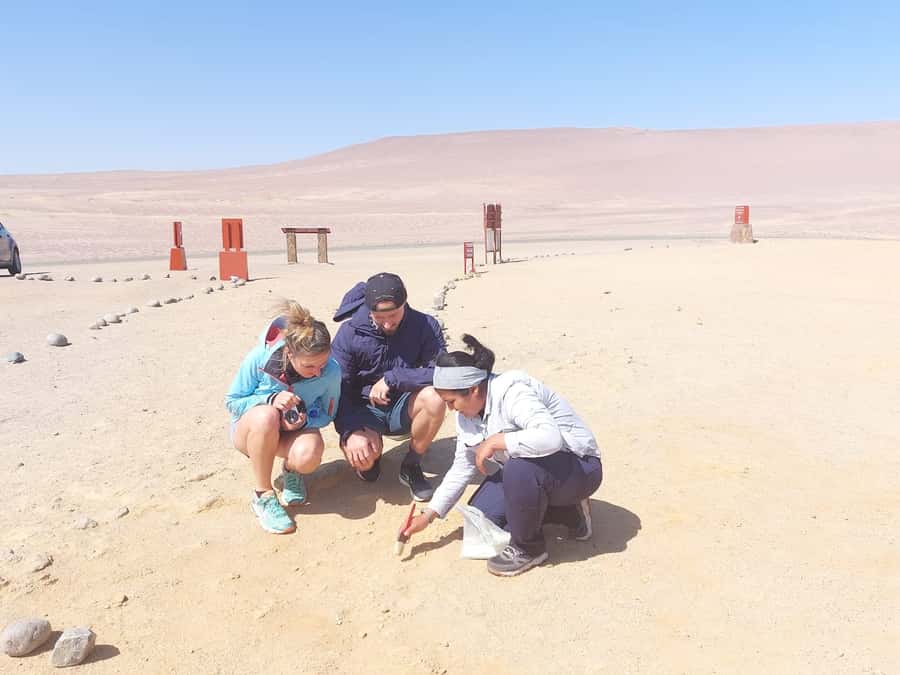
After the return to the pier and a bus transfer of about 25 minutes, you enter Paracas National Reserve with around 100 minutes total reserve time. The day works well because you don’t jump straight into scenic stops. You start at an interpretation center, where you learn about the reserve’s flora and fauna and also see marine fossils—ancient evidence that explains how the coast became what you see now.
That order matters. When you later look at desert terrain and rock formations, you’ll understand the reserve isn’t just a backdrop. It’s connected to marine life and ancient geology.
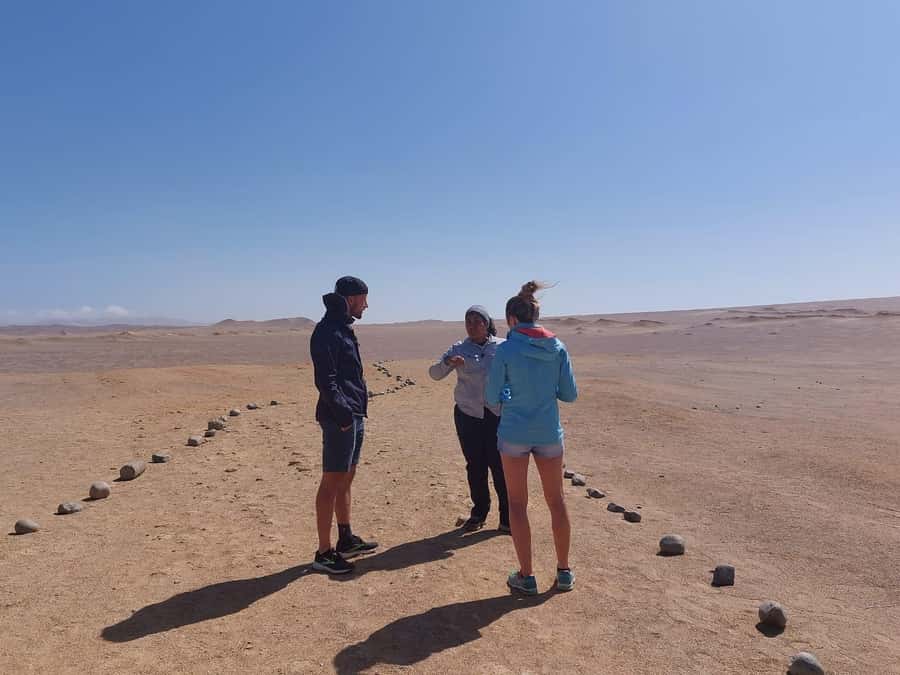
This portion is also where a great guide can make the difference. On one departure, a guide named Olenca was described as highly knowledgeable and easy to understand, and that matches what you want from the reserve stop: clear explanations without making it feel like a lecture hall.
If your guide is pairing Spanish/English explanations, listen closely during the center portion. It’s the part most likely to be “lost” if you focus only on photos.




Cathedral viewpoint: World Heritage rock, shaken by 2007
From the interpretation center, the group travels across the Paracas desert to a viewpoint for the remains of the Cathedral—a dramatic rock formation, declared a World Heritage Site. It was damaged in the 2007 earthquake, but the result still looks powerful and otherworldly in person.
This is one of those stops where the guide’s role is key. The name and status (World Heritage) are useful, but it’s the explanation of why it looks the way it does after the earthquake that makes it memorable. You’re seeing geology in action, with nature doing the rewriting.
Even if you’ve seen photos before, your sense of scale changes when you stand at the viewpoint. Bring sunscreen and a hat. Wind and sun can team up on you here.
Red Beach and Lagunillas: two very different shore moods
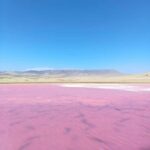
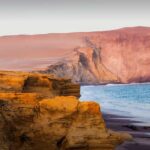
Paracas keeps giving surprises after the Cathedral viewpoint. Next comes Red Beach, known for its reddish sand. The explanation you’ll get ties the color to ancient volcanic eruptions. The beach looks almost unreal, like someone painted the shoreline with rust-colored powder.
After that, you’ll stop at Lagunillas Beach, described as a charming fishing resort area. This adds a more human scale to the day: boats, local activity, and a sense of place beyond the wildlife headlines.
Timing note: these are likely shorter photo/viewing moments rather than long beach hangs. If you want to swim or walk far, don’t count on it. Go for photos, take in the textures, and then be ready for the return transfer.
The logistics feel: transport times, queues, and what to pack
Your day has a tight structure:
- Bus to El Chaco (about 20 minutes)
- Speedboat wildlife time (about 2 hours)
- Bus into the reserve (about 25 minutes)
- Guided reserve time (about 100 minutes)
- Bus back to the port (about 25 minutes)
That adds up to the advertised 5-hour duration. It’s built for cruise schedules and morning availability, which is great if you’re trying to see a lot without giving up an entire day.
The practical challenge is that the boat stage can get busy. I’d treat that as part of the experience. Bring snacks if you get hungry quickly; food and drinks aren’t included. Also, carry cash for the local entrance fee.
What to bring (from what the tour requests):
- Passport
- Comfortable shoes
- Windbreaker and jacket (coastal wind is real)
- Sunglasses and hat
- Sunscreen
- Snacks
- Travel insurance (listed as a requirement)
- Outdoor clothing
- Cash
- Binoculars (optional but useful)
Not allowed: alcohol and drugs.
If you’re prone to back discomfort, know this trip isn’t labeled as suitable for back problems. Same for pregnancy. If that applies to you, it’s worth choosing a different, calmer day plan.
Language reality check: Spanish/English guide, Spanish driver
Here’s the honest part. The tour is set up with a live guide in Spanish and English, but some day-to-day operations can still leave you with a driver who only speaks Spanish during transfers. In at least one case, the driver handled pickup smoothly but did not speak English, and there was no separate full guide presence as expected.
So how do you protect yourself?
- If you rely on English for detailed explanations, ask ahead about English narration during transfers and during the boat and reserve segments.
- Even with English spoken, marine wildlife can be loud and fast-moving, so stay mentally ready for chunks of information between sightings.
When the guide is strong (like Olenca in one standout account), it makes the whole day click. When the language support is thinner, you can still enjoy the sights, but you’ll learn less about the “why.”
Price and value: what $74 covers (and what doesn’t)
The price is listed as $74 per person, which is usually the kind of number that signals a budget-friendly half-day—especially since you’re getting both the boat experience and the Paracas reserve program.
What’s included:
- Roundtrip transportation from San Martín Port
- Guided local tour (Spanish and English)
- Speedboat to Ballestas Islands
- Tour to Paracas National Reserve
What’s not included:
- Food and drinks
- Entrance fees of S/ 22.00, payable locally
To judge value, I’d think of this as paying for two major experiences in one morning: a sea-life speedboat segment and a reserve interpretation/land segment. Since food isn’t included, plan on spending a little extra on snacks or a drink when the day ends. Also budget the S/22 entrance fee so you don’t get surprised at the counter.
Who this tour fits best
I think this is a good fit if:
- You want wildlife and scenery without giving up a whole day
- You’re okay with a structured schedule and short stops rather than long hikes
- You’ll get satisfaction from learning a few key facts about geology and ecology (geoglyph, guano, marine fossils, Cathedral viewpoint)
It’s especially suitable for cruise travelers with limited time, because the tour is built around the port area and finishes back at the terminal in time to keep moving.
It may feel less ideal if:
- You need guaranteed English-language narration for every segment, including transfers
- You dislike crowded boat-stage logistics
- You have mobility limits, or back issues (the tour isn’t suitable for back problems per the provided information)
- You’re pregnant (not suitable)
Should you book from San Martín Port?
If you’re choosing just one half-day coastal adventure from Ica Region, I’d say this combo is worth strong consideration. The wildlife window at Ballestas is the main payoff, and Paracas adds the “so what” layer with its interpretation center, desert viewpoints, Cathedral remnants, and Red Beach.
Book it if you can handle early starts, short queues, and the possibility that Spanish may dominate during some transfer time. You’ll still see plenty, and the scenery is the real star.
Skip or switch to a different format if language support matters to you in a very specific way, or if your body can’t handle the transfer-heavy, outdoor day structure. For everyone else, pack wind gear, bring snacks, and treat the day like it was designed: a smart, efficient way to experience this coastline while it’s still cool and active.
FAQ
How long is the tour from San Martín Port to Ballestas and Paracas?
The duration is 5 hours.
Where does the tour start and end?
It starts at Terminal Portuario General San Martín and returns there at the end of the tour.
Do I need to pay an entrance fee?
Yes. There are entrance fees of S/ 22.00, payable locally.
Is food included in the price?
No. Food and drinks are not included.
What transportation is used for the Ballestas Islands part?
You take a speedboat for the tour to the Ballestas Islands.
What wildlife can I expect to see at Ballestas?
You may spot boobies, pelicans, sea lions, and Humboldt penguins, plus guano birds like the Peruvian booby, Peruvian diving-petrel, and Guanay cormorant.
What languages are available during the tour?
The guided local tour is provided in Spanish and English. Transfers from and to the port are with a Spanish-speaking driver.
What should I bring to stay comfortable?
Bring a passport, comfortable shoes, windbreaker, sunglasses, hat, sunscreen, snacks, jacket, outdoor clothing, travel insurance, cash, and binoculars if you have them.