REVIEW · FOZ DO IGUACU
From Puerto Iguazú: Brazilian Bird Park Tour with Tickets
Book on GetYourGuide →Operated by MMC Receptivo · Bookable on GetYourGuide
Birds in the jungle, just across the border. This tour takes you to Parque das Aves on the Brazilian side of Iguaçu, where you walk rainforest paths and meet 900+ birds in a carefully designed park.
What I really like is the small-group setup, capped at 15 people, so your guide can actually answer questions without shouting over everyone. The other big plus is how the visit feels practical and well-rounded: you get birds, reptiles, photo moments, plus optional backstage access if you upgrade.
One consideration: this is a short outing inside the park (about two hours on the walk), so it works best when you pair it with another Iguaçu plan the same day.
In This Review
- Key Highlights Worth Your Time
- Parque das Aves: What Makes This Bird Park So Memorable
- From Puerto Iguazú to the Park: Simple Logistics With Border Reality
- The 2-Hour Rainforest Walk: How to Get the Best Bird Viewing
- Nurseries, Endangered Species, and Why the Design Matters
- Photo Stops, Macaws, and the Flamingo Lake View
- Optional Backstage Access: When the Park Shows Its Work
- Your Guide and Group Size: Comfort Over Chaos
- Price and Timing: Is $133 Worth It?
- Should You Book This Brazilian Bird Tour?
- FAQ
- How long is the bird park tour?
- Where does the tour start and end?
- What is included in the price?
- Is food or drinks included?
- What languages is the guide available in?
- Do I need a passport to do the tour?
- Are there any rules about bringing things or animals?
- How big is the group?
- What does the optional backstage access include?
Key Highlights Worth Your Time
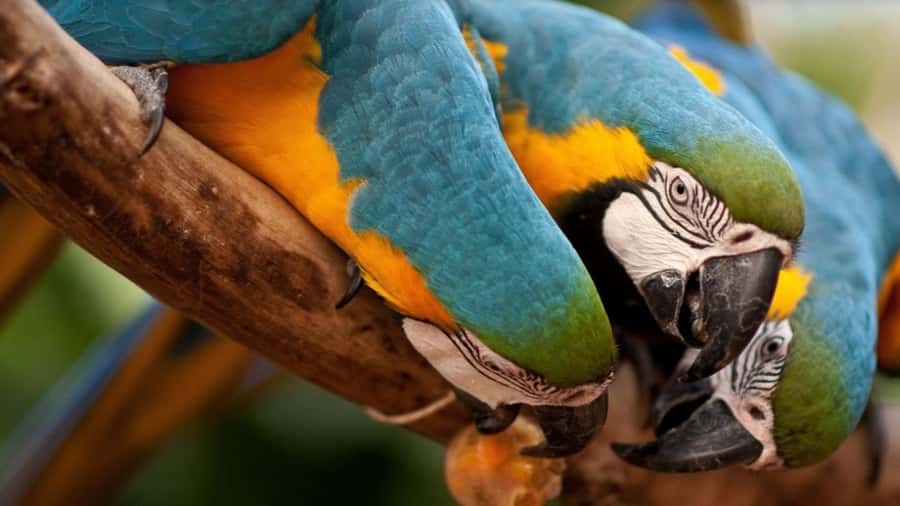
- 900+ birds from 150 species, including many endangered species
- Rainforest nurseries with bridges, cascades, and “you’re in it” viewing paths
- Macaw photo moment plus photo stops and easy viewpoints
- Look closely for alligators, reptiles, hummingbirds, moths, and even a beehive
- Optional restricted-area access: feed toucans, hold a butterfly, see recovery work
- Small private group (max 15) guided in Portuguese, Spanish, English
Parque das Aves: What Makes This Bird Park So Memorable
Parque das Aves is the kind of attraction that works even if you are not a lifelong bird person. The park is built around walking routes through rainforest-style settings, so the birds feel like part of a living system rather than a static lineup.
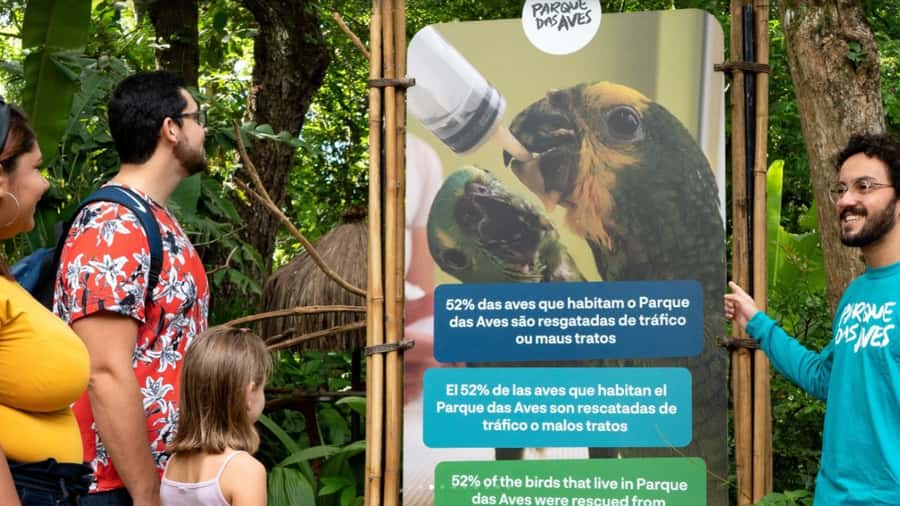
You are promised over 900 birds representing 150 different species, and about a third of them are listed as endangered. For me, that ratio is a big deal because it explains why you will spend real time looking, not just rushing past cages. You are also likely to spot species coming from Brazil plus birds from Southwest Asia, Oceania, and Africa, which adds variety without leaving the Iguaçu area.
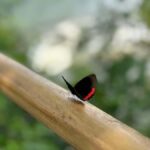
Then there are the details that make the place feel more “park” and less “show.” In addition to birds, you may see moths, hummingbirds, alligators, reptiles, and a beehive in the nurseries. If you like paying attention to small movement—things flitting near foliage—this tour rewards that habit.
You can also read our reviews of more tours and experiences in Foz Do Iguacu


From Puerto Iguazú to the Park: Simple Logistics With Border Reality
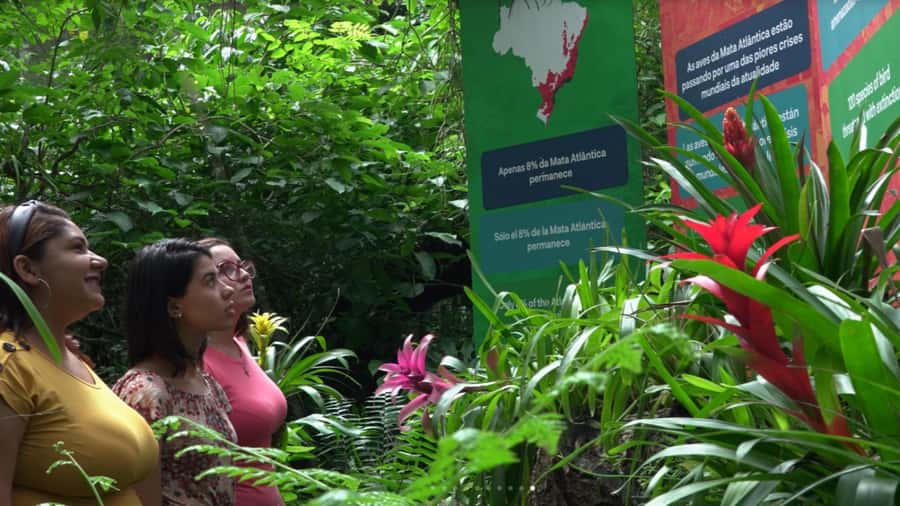
The tour starts with hotel pickup in Puerto Iguazú, Argentina, then you head toward Parque das Aves on the Brazilian side. Pickup is handled in a private van or exclusive car, depending on your group size, and you are also brought back to your hotel afterward.
Because you are crossing into Brazil, you need to be ready with the right paperwork. The basics are passport or an ID card, but the important bit is that a passport is necessary to cross the border. The guidance also notes that visa and reciprocity fees must be handled ahead of time and cannot be paid at the border, so check what applies to your citizenship before you go.
A few behavioral rules keep the visit smooth: no pets and no smoking. It sounds basic, but on a rainforest walk with animals nearby, it matters for comfort and safety.
The 2-Hour Rainforest Walk: How to Get the Best Bird Viewing
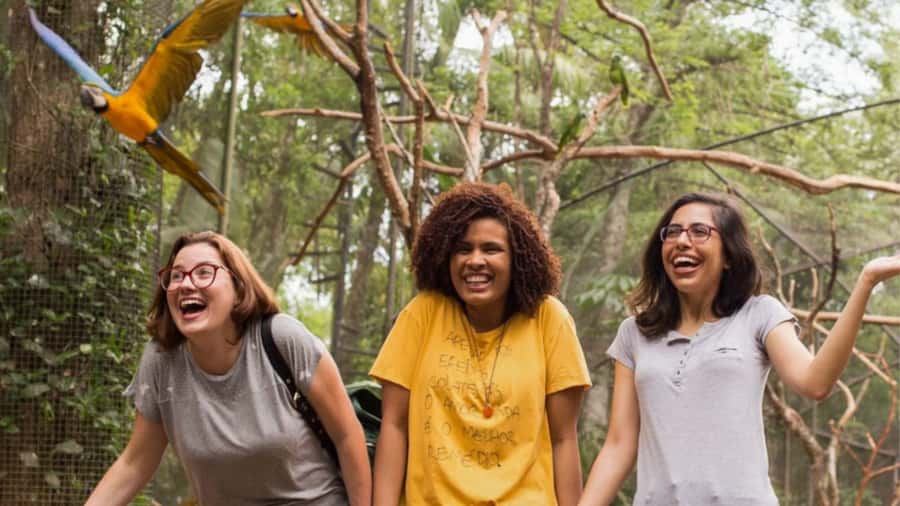
Inside Parque das Aves, the heart of your experience is the rainforest walk through viewing paths and nurseries. You spend roughly two hours on the walk and it is described as a walk plus self-guided touring, with a guide there to help you make sense of what you are seeing.
What I love about this layout is that the nurseries are built with things birds actually use: vegetation, plus features like bridges and cascades that shape how animals move and how you view them. That means you are not staring from one direction the whole time. You can change your vantage point, watch behavior, and get closer to the action without feeling chaotic.
Also, this park is not just about birds you already know. A big part of the value is the sheer mix: 150 species, and some from outside the Americas. If you like learning on the fly, you’ll probably find yourself slowing down when you notice unfamiliar shapes and colors.
And yes, you may also spot non-bird wildlife. The park notes that you should keep an eye out for moths, hummingbirds, alligators, and reptiles. These sightings often come from looking at edges—where a path meets a wall of foliage—rather than staring straight ahead.
Nurseries, Endangered Species, and Why the Design Matters
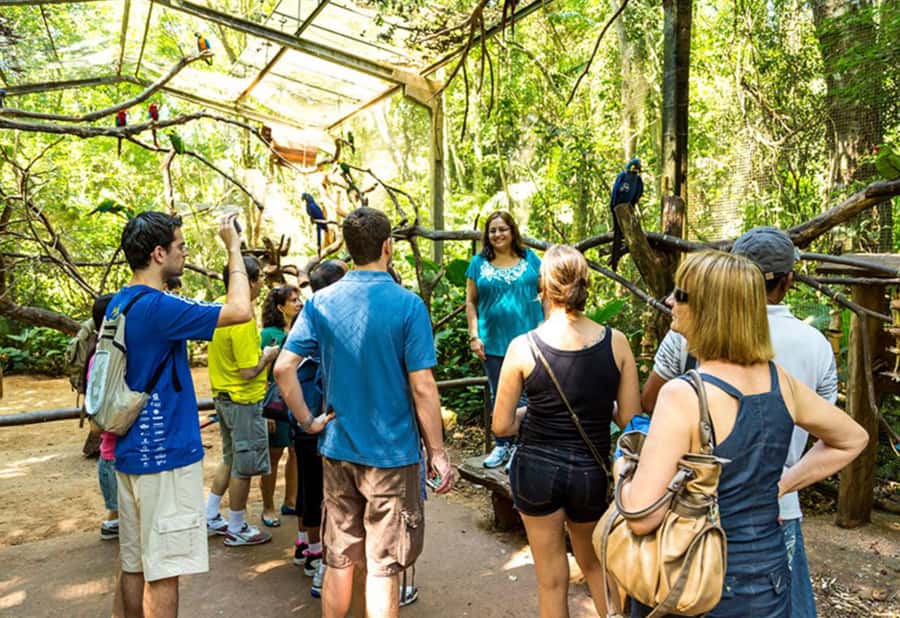
The park’s focus on endangered species makes the walk feel more purposeful. When around one third of the species are endangered, you can understand why the viewing areas are planned for specific animals and recovery-style habitats, not just for crowd entertainment.
The park also explains that the animals come from authorized zoos, breeders, and rehabilitation centers. And it states that the animals are registered under relevant Brazilian wildlife and zoological society oversight. I do not treat these as “fine print.” They tell you the park is operating under a framework, and that influences how you should interpret what you see.
Another design payoff: the park is set up so you can observe birds across different environments. You are not only chasing motion; you are learning to read the habitat—how vegetation density changes where birds perch, and how water features can draw certain animals toward predictable zones.
If you want to maximize your chances of great sightings, treat this like a slow observation walk. Give yourself permission to pause at a bridge or a viewing stretch and watch patterns. That is usually where you get the birds that stay long enough for a good look.
Photo Stops, Macaws, and the Flamingo Lake View
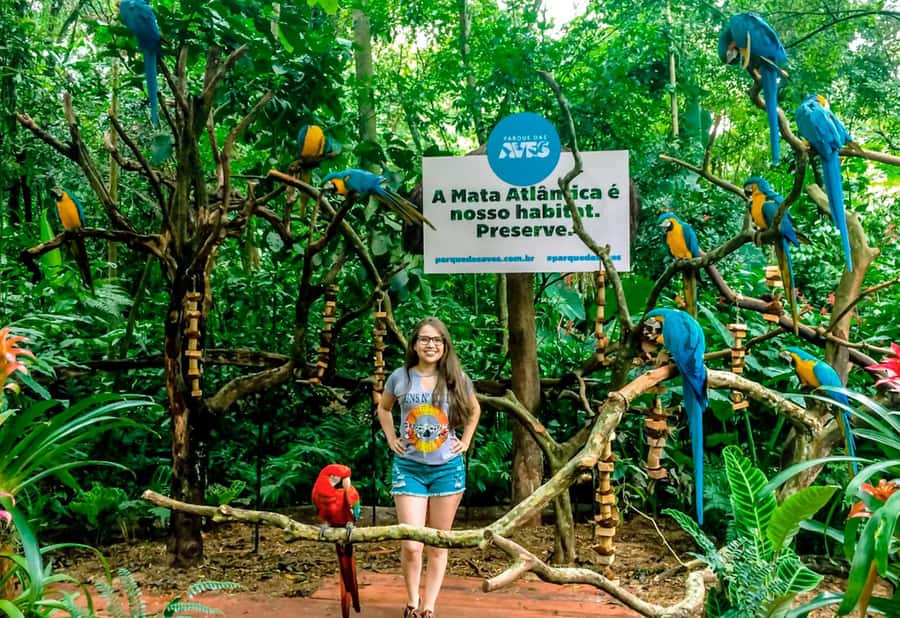
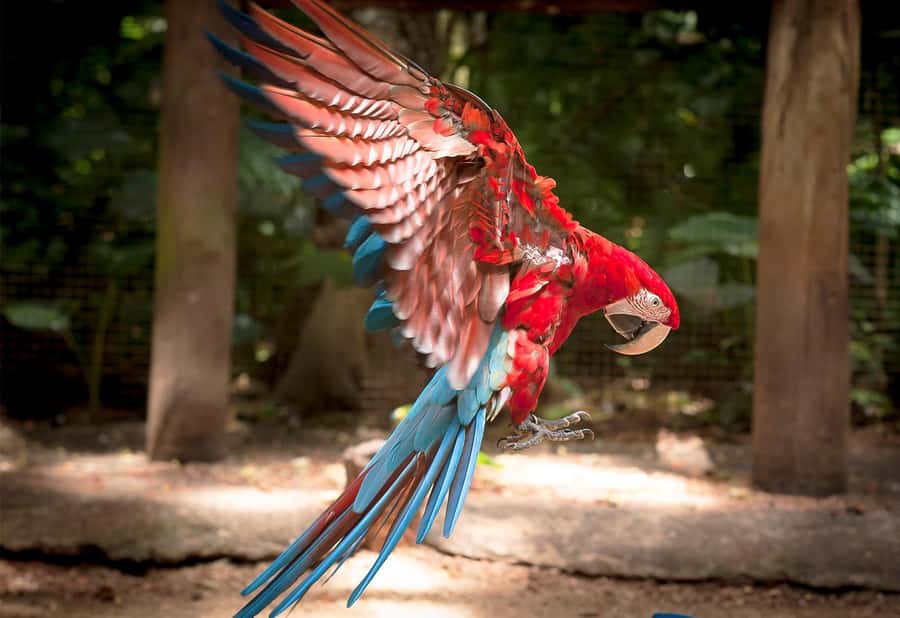
The visit includes a photo stop, and you also have a chance to be photographed with a macaw. If you care about making this day shareable, that macaw moment is the kind of organized photo experience that saves you time and stress compared with trying to guess where the birds will be.
After your walk, you have two simple ways to enjoy the park without rushing: you can take in views of the Lake of the Flamingos from the restaurant, or you can take another pass through viewpoints while you still have energy.
This part matters more than it sounds. The park is long enough to build anticipation, but short enough that you can enjoy a calm moment afterward. Sitting at the restaurant area lets you reset before your return drive.
One practical tip based on timing: if you can choose a morning slot, do it. There’s a strong suggestion to arrive when the park opens, around 8:30, to help avoid the worst of the crowds. Even if your exact schedule shifts, the idea is the same: earlier tends to mean more space, calmer viewing, and more time to watch without shoulder-to-shoulder interruptions.



Optional Backstage Access: When the Park Shows Its Work
If you upgrade, you get access to a very restricted area in the bird park. This is not just extra photo time. It is an opportunity to learn how birds are handled, plus activities that bring you closer to the park’s care process.
The upgraded access includes:
- Feeding toucans
- Holding a butterfly
- Seeing birds in the recovery process
- Learning about how the birds are treated
The value here is perspective. A regular walk can show you birds in display-like settings, but a restricted-area experience helps you understand the behind-the-scenes side—how birds are supported, monitored, and cared for. Even if you are not a science person, it changes the mood of the visit from “cool animals” to “real work happens here.”
Also, the activities are limited to keep it manageable. That lines up with what you want from a day that is already timed tightly: you get focused experiences, then you get out.
If you hate animal handling experiences, skip the upgrade. But if you like understanding the care side of wildlife work, this is the part that justifies the extra cost more clearly than a second generic viewing path.
Your Guide and Group Size: Comfort Over Chaos
You get a professional tour guide, and the tour operates as a private group with a maximum of 15 people. The languages listed are Portuguese, Spanish, and English, so you should be able to match your group’s needs.
This small group limit is one of the most underrated parts of the experience. In parks like this, crowds can turn observation into survival. With fewer people, the guide can point out details without the constant back-and-forth that happens in big group buses.
It also helps with timing inside the park. You will be out there walking and looking at birds, and you do not want your day to feel like you are being dragged along. A small group style makes it more likely you can take a breath, watch a bird settle, then keep going when it is right.
Price and Timing: Is $133 Worth It?
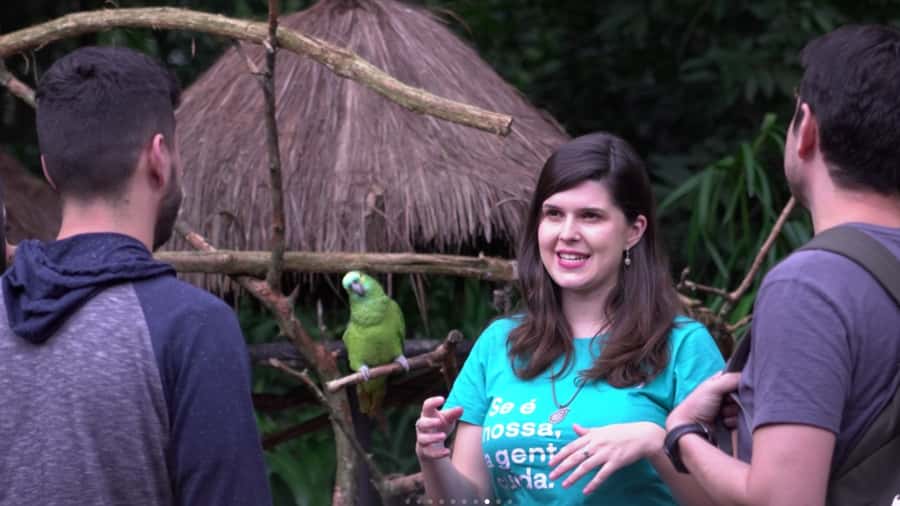
At about $133 per person for a 4-hour total experience, the price feels reasonable when you account for what is included: hotel pickup and drop-off, the entrance ticket, and a professional guide. You are also getting more than a simple “walk and leave” outing because you get the rainforest route layout plus photo moments and (optional) backstage access.
What’s not included is important: food and drinks are on your own. If you like having water and a snack ready, plan for it. The park’s restaurant area exists for viewpoints, but you should not count on the tour price covering your meals.
Timing is the other value question. The overall tour is about four hours, but the bird park walk is roughly two hours. That is not a flaw—it’s a scheduling win. This is a smart pick if you want a nature-focused break without wiping out an entire day, especially if you are also doing other Iguaçu attractions.
If you are working with limited time on either side of the border, this sort of compact plan can be a lifesaver. And if you want your best bird viewing, aim for a morning start so you can enjoy the walk with less crowd pressure.
Should You Book This Brazilian Bird Tour?
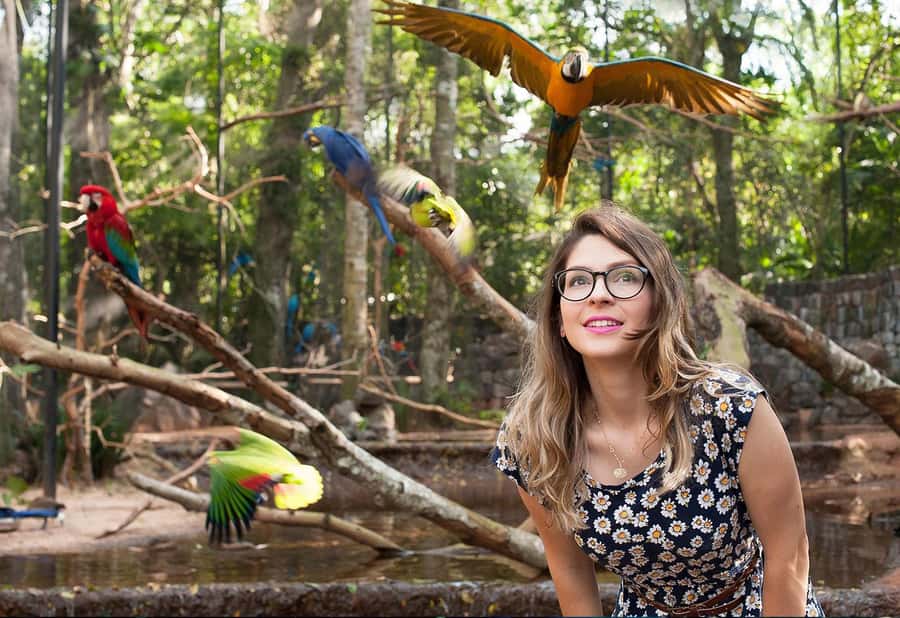
I think this tour is a strong choice if you want an easy, guided rainforest bird experience that doesn’t require intense planning. The mix of 900+ birds, the chance to spot reptiles and other wildlife, and the chance for a macaw photo make it feel like more than a basic ticket.
Upgrade to the restricted-area access if you like the idea of learning how birds are cared for. The activities—feeding toucans, holding a butterfly, and seeing recovery work—add depth that regular viewing paths cannot.
Skip or rethink it if you are the type who wants a long day packed with lots of different activities. This one is short inside the park, so you’ll want to pair it with another plan in the Iguaçu area.
If you book, go early when you can, bring your passport/ID, and expect a walking experience in rainforest-style pathways. You’ll get the best results when you treat it like slow bird watching, not a race to check boxes.
FAQ
How long is the bird park tour?
The total experience is about 4 hours, including pickup and drop-off, with around 2 hours spent at Parque das Aves.
Where does the tour start and end?
Pickup and drop-off are from hotels in Puerto Iguazú, Argentina.
What is included in the price?
You get hotel pickup and drop-off, the entrance ticket to Parque das Aves, and a professional tour guide. Backstage access is included only if you choose the option, and the tour is private.
Is food or drinks included?
No. Food and drinks are not included.
What languages is the guide available in?
The guide operates in Portuguese, Spanish, and English.
Do I need a passport to do the tour?
A passport is necessary to cross the border into Brazil. You should also check whether you need a visa and reciprocity fee for Brazil since it cannot be paid at the border.
Are there any rules about bringing things or animals?
Pets are not allowed, and smoking is not allowed.
How big is the group?
It is a private group with a maximum of 15 people.
What does the optional backstage access include?
It includes exclusive access to a restricted area, with the chance to feed toucans, hold a butterfly, and see birds in the recovery process. It also includes learning how the birds are treated.