REVIEW · RIO DE JANEIRO
Favela Santa Marta: Walking Tour with local guide
Book on GetYourGuide →Operated by Tour by Foot · Bookable on GetYourGuide
Dona Marta feels real fast. This Favela Santa Marta walking tour takes you from the Santa Marta area cable car ride to community centers and street art, all guided by an official local resident. I love how quickly the stereotypes drop away, and you get a clear sense of everyday life through real projects. One thing to consider: the experience depends on the day’s cable car schedule and on whether your guide matches your language needs.
You’ll start near the top of the favela and then walk back down, hearing how this neighborhood grew and how residents are shaping it today. I like that you’re not just looking from the outside—you visit places connected to arts, sports, and local support. The one downside I’d flag is that a late guide or weak language can make the explanations feel thin, so it’s worth confirming your language when you book.
Overall, plan for a comfortable walking pace, bring cash for small purchases, and expect a route that’s not designed for wheelchairs. If you do that, this is one of the most grounded ways to understand Rio beyond postcards.
In This Review
- Key highlights worth your attention
- Getting Up into Dona Marta: Cable Car First, Then Walking
- Learning the Neighborhood’s Real Story: Houses, Projects, and Daily Life
- Dona Marta Arts Center: Why Creativity Is a Community Tool
- Sports Center Energy: Learning the Community Through Movement
- The Laje do Michael Jackson Viewpoint: Pop Culture Meets Place
- Handicraft Shops and Souvenir Stops (With Cash in Hand)
- Community Daycare and Social Projects: What You’ll See When Open
- Price and Value: Is $34 Worth It for This Kind of Tour?
- Timing, Group Size, and Language: The Stuff That Changes Everything
- What to Bring and How to Prepare (So the Walk Feels Good)
- A Quick Reality Check: How This Tour Should Feel
- Should You Book Favela Santa Marta with a Local Guide?
- FAQ
- How long is the Favela Santa Marta walking tour?
- How much does it cost?
- What languages are available for the tour guide?
- What’s included in the tour?
- Is food included?
- Where does the tour start?
- What happens if the Santa Marta Cable Car isn’t operating?
- What should I bring?
- Is this tour suitable for people with mobility impairments?
- Can I cancel if my plans change?
Key highlights worth your attention
- Official local resident guide who explains daily life and history in plain terms
- Cable car start for the easy climb, with a walking or taxi backup if it’s down
- Arts, sports, murals, and colorful houses spread across the route
- Laje do Michael Jackson viewpoint tied to They Don’t Care About Us
- Stops for social projects like a residents’ association and a community daycare when open
- Small group or private options for a more respectful experience
Getting Up into Dona Marta: Cable Car First, Then Walking
Most people underestimate how much the first transport choice changes the mood. Here, you start with the funicular/cable car to the highest part of the favela. That gets you above the clutter fast and gives you a “where are we exactly?” view of the area before you begin walking.
Once you’re up, the tour shifts from scenery to street-level understanding. You’ll start walking through narrow streets lined with colorful homes, and you’ll hear the neighborhood’s story as you go. The tour is about 150 minutes total, so it’s structured enough to feel complete, but not so long that you’re totally fried.
What I like most is that it feels practical. You’re not doing this as a long trek with no context; the guide builds your bearings first, then hands you the real details.
If the Santa Marta Cable Car isn’t operating that day, you’ll still go. You’ll either walk to the top with your guide or take a taxi (about R$ 15) as an alternative. That matters because it changes energy level: you’ll want good shoes and patience either way.
You can also read our reviews of more walking tours in Rio De Janeiro

Learning the Neighborhood’s Real Story: Houses, Projects, and Daily Life
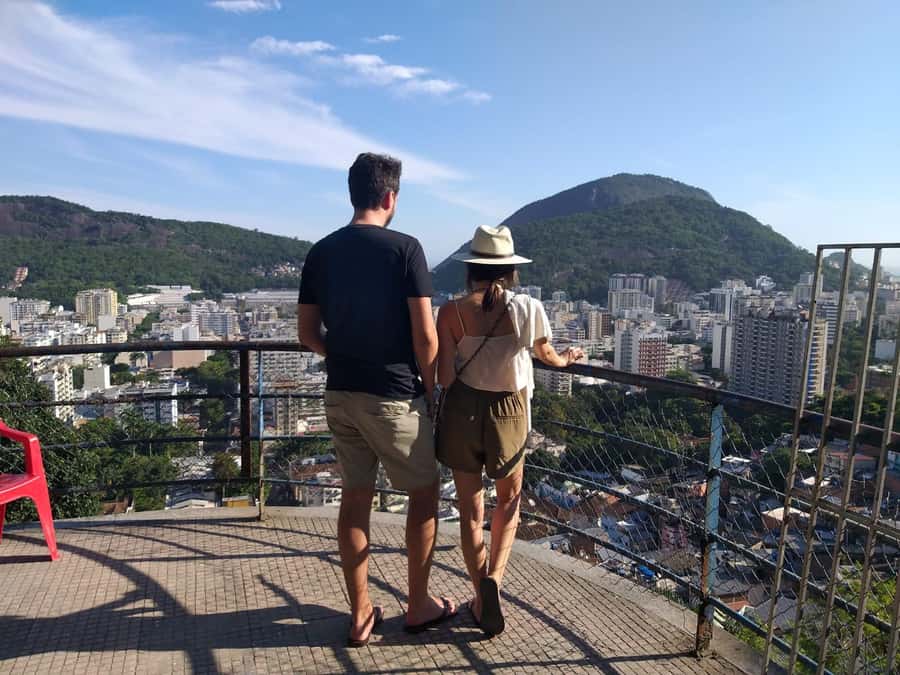
The big idea behind this tour is simple: you’re not visiting “a favela” as a concept. You’re seeing a neighborhood that houses about 8,000 residents, with families, schools, and community programs.
As you walk, expect the guide to talk about the history of the colorful houses and what life looks like day-to-day. The goal is to help you spot how stereotypes form—then show you why they don’t hold up once you’re actually there.
This is also where the tour gets most meaningful for first-timers. Instead of only showing murals or viewpoints, the route points you toward educational projects and community efforts that shape people’s lives. You’ll see evidence of initiatives that support young residents and strengthen community ties. You don’t need to “agree” with anything; you just need to look at what’s in front of you and listen to the explanations.
A practical note: the balance between “history” and “walking” can depend on the guide and language. One booking issue that can happen is a mismatch between what you requested and what the guide can do. If you’re booking in French, Spanish, or Portuguese, double-check that your guide will work in that language comfortably. It’s the difference between a smooth, informative walk and a frustrating one.
Dona Marta Arts Center: Why Creativity Is a Community Tool
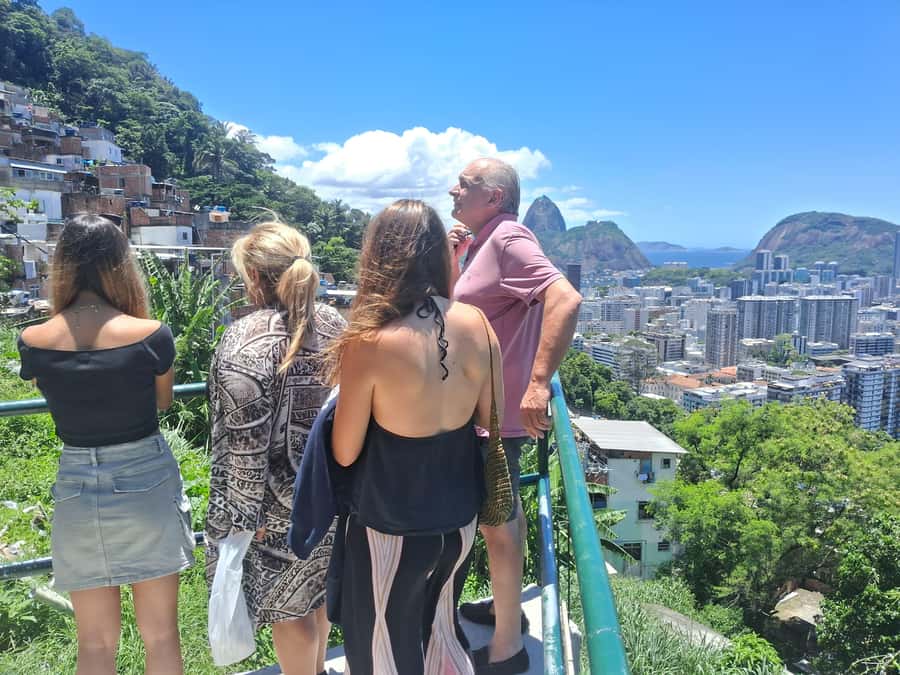
One of the stops you’ll reach is the Dona Marta arts center. This isn’t a random photo stop. It’s the kind of place that shows you how creativity functions locally: not as decoration, but as skill-building and identity.
On a walking tour like this, arts stops matter because they change your perspective. Murals can look like scenery until someone explains who makes them, why they’re meaningful, and how they connect to local life. When you see that context, you start noticing details instead of just snapping pictures.
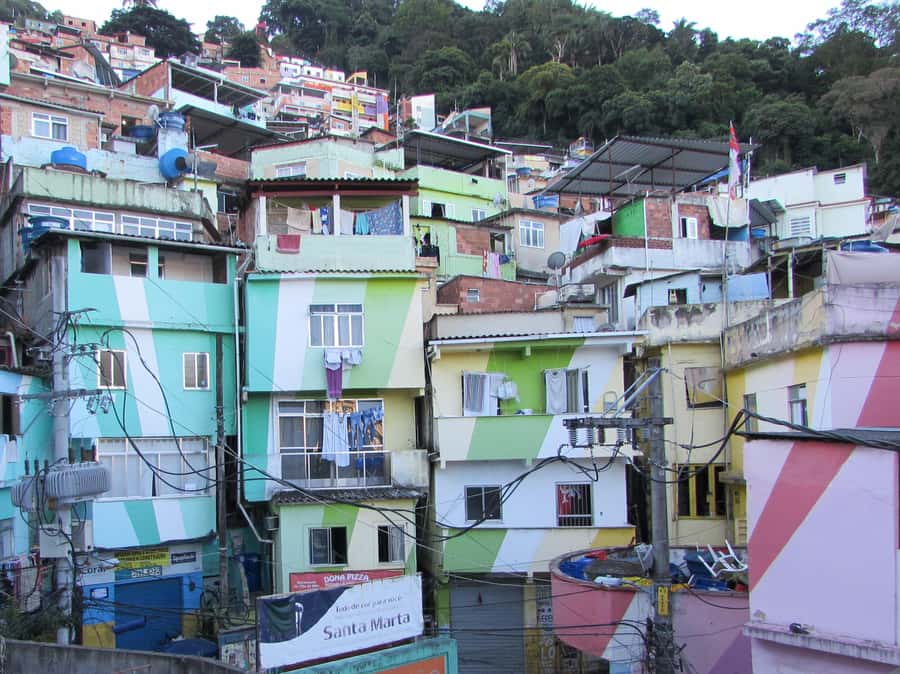
You may also see street art murals along the route. The guide’s commentary helps you connect what you’re seeing to the neighborhood’s present, not just Rio’s reputation in general.
Sports Center Energy: Learning the Community Through Movement
You’ll also visit the favela’s sports center. It’s one of those stops that can feel surprising if you arrived expecting only “sad” or “serious” narratives. Sports spaces tend to show a different side: structure, training, team routines, and community participation.
Even if you don’t know much about Brazilian sports culture, you’ll leave with a better understanding of why these spaces matter. They’re social anchors. They keep kids and teens engaged. And they give the neighborhood pride that isn’t dependent on outsiders’ opinions.
If you’re traveling with teens or you just like seeing how communities function, this stop is a strong one. It turns your walk into a story about people—not just buildings.
The Laje do Michael Jackson Viewpoint: Pop Culture Meets Place
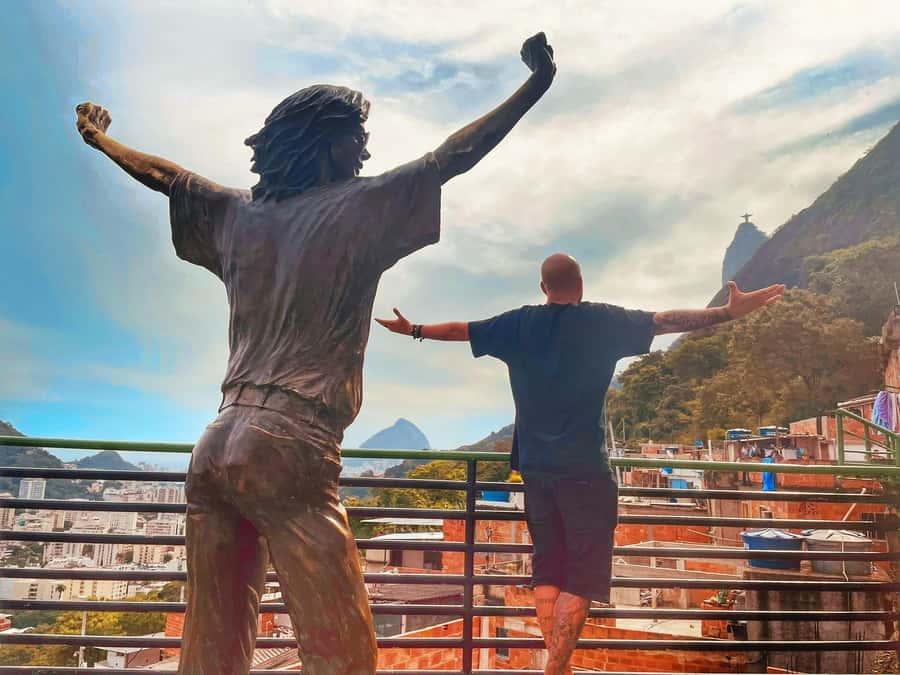
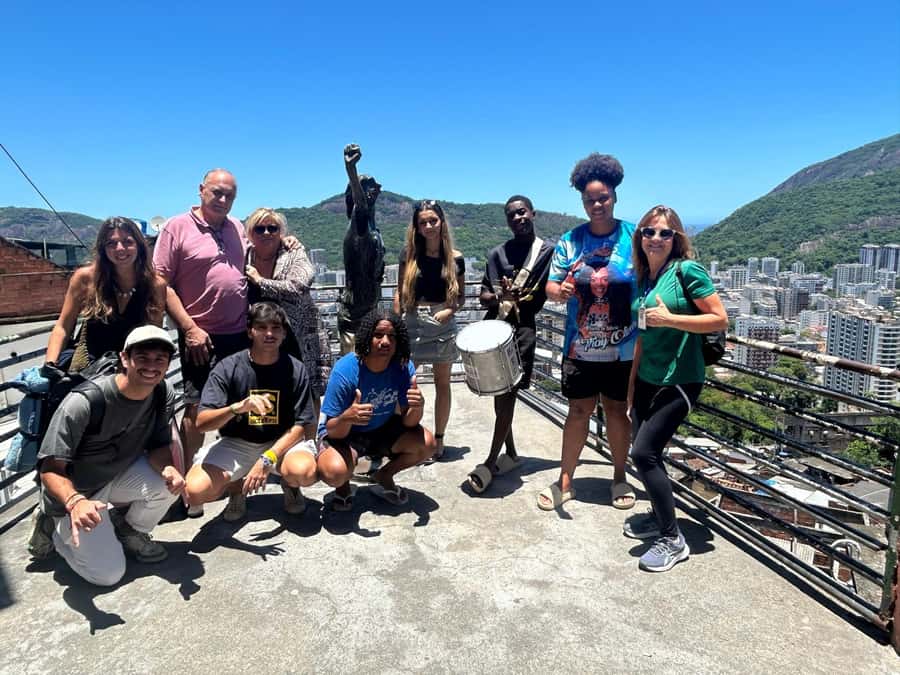
Now for the stop people talk about: Laje do Michael Jackson. This viewpoint is known for a striking statue connected to Michael Jackson’s song They Don’t Care About Us. The location is linked to the setting for the video, which adds a layer of pop culture to the geography.
But the viewpoint is more than a famous-name photo. Once you’re there, you get a spectacular view across the region’s mountains. That’s where the tour’s earlier context pays off. When you look out over the landscape, you can understand how this neighborhood sits in the broader Rio region—and why the rise to the top is worth it.
Tip for your photos: don’t rush. Find a spot where you can see both the viewpoint area and the mountain line, then let the guide finish the explanation. It’s the kind of stop where listening makes your pictures better.
You can also read our reviews of more guided tours in Rio De Janeiro






Handicraft Shops and Souvenir Stops (With Cash in Hand)
The tour includes time at handicraft shops. This is your chance to buy small items directly, and it’s also a real way to see local entrepreneurship up close.
Because the tour doesn’t include food, these shops are also where you might pick up a snack or a drink nearby. You should bring cash for souvenirs and purchases. The guide will likely help point you to places where you can spend responsibly and avoid awkward guessing.
Also: don’t plan on using a card everywhere. You’ll be happiest if you come prepared with bills.
Community Daycare and Social Projects: What You’ll See When Open
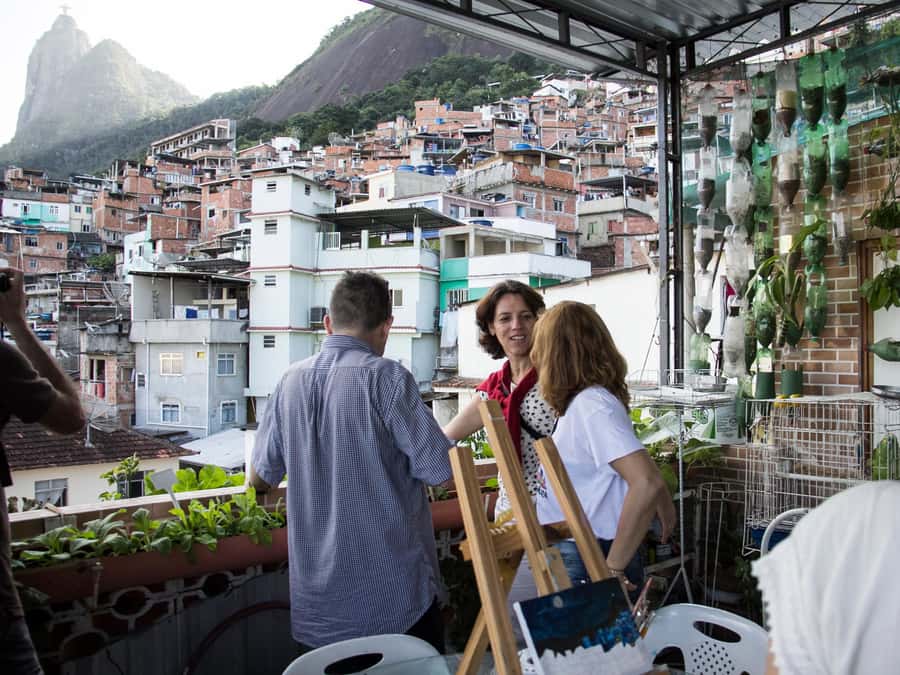
Another included part of the experience is a community daycare visit when open, along with stops connected to social support. You may also visit the Residents’ Association and other community projects.
These are the moments that make the tour feel more than sightseeing. You’ll be shown how services and support networks work inside the neighborhood, not through a distant description but through actual community spaces and signage.
One thing to know: when something is “when open,” it means schedules can affect whether you see it. If the daycare isn’t open on the day you go, you won’t get that particular stop, but the tour still focuses on the other included community sites.
Price and Value: Is $34 Worth It for This Kind of Tour?
At $34 per person for about 150 minutes, this tour sits in the “good value” category if you care about context and local voice.
Here’s why the value makes sense. You’re paying for:
- An official tour guide from the community
- A structured route that includes multiple community sites (arts, sports, residents’ projects)
- Access to specific places like the Laje do Michael Jackson viewpoint
- Time for handicraft stops and a daycare visit if available
- A small-group or private option depending on what you choose
If you only want a quick viewpoint and a few murals, you might feel like it’s more than you need. But if you want to understand how Dona Marta functions—and to see projects that push back against easy stereotypes—this price is reasonable.
Also, the tour doesn’t include food. That’s not automatically a negative. You can eat when and how you want, and you get to choose what feels comfortable. Just budget a little extra so you don’t get hungry halfway through.
Timing, Group Size, and Language: The Stuff That Changes Everything
This tour runs for 150 minutes, and the exact meeting point can vary depending on your option. That flexibility is normal for tours in busy urban areas, but it means you should show up on time and be ready to follow instructions.
Group style is either private or small groups available, which is usually where the best conversations happen. Smaller groups also reduce the pressure on the guide to speed through explanations.
Language is another make-or-break detail. The tour offers guides in English, French, Spanish, and Portuguese. That’s a great range, but it still depends on the guide assigned to your booking. If you’re counting on full explanation in a language like French, verify before you go and aim to give yourself enough time at the start so you’re not dealing with delays.
One caution I’d give you based on real-world issues: if a guide arrives late or explanations are limited, the tour can feel like it’s mostly just walking through the favela. Choose a tour time and provider option that puts you with the right language match.
What to Bring and How to Prepare (So the Walk Feels Good)
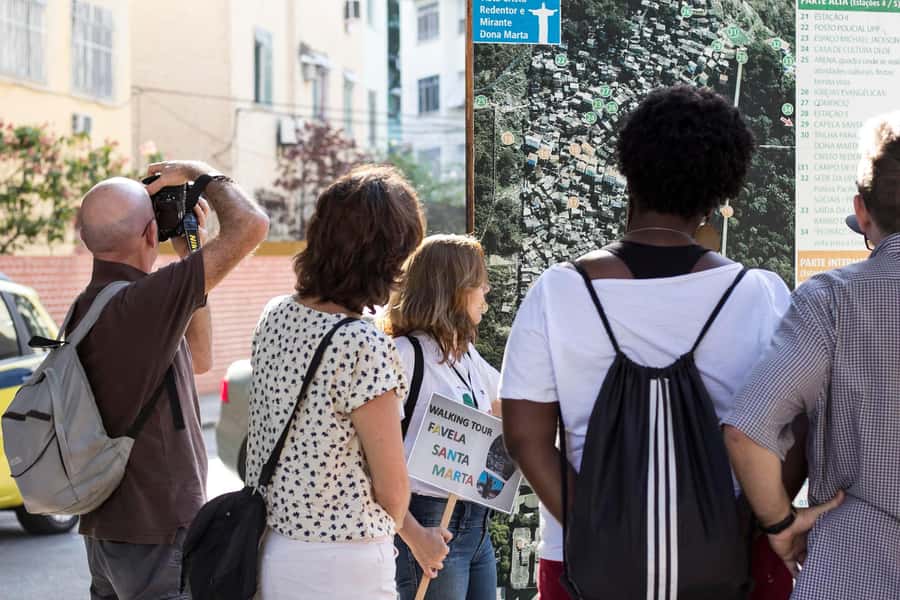
This is a walking tour, so your comfort matters more than you think.
Bring:
- Passport or ID card
- Comfortable shoes (you’ll be on foot through neighborhood streets)
- Cash (souvenirs, food, drinks at local places)
Dress for weather too. The tour can take place in light rain, so pack something that won’t ruin your day if the sky opens up for a bit.
And be honest about mobility needs. This experience is not suitable for people with mobility impairments, mainly because the route involves walking in uneven, steep, or tight areas. Plan a different Rio tour if you need step-free access.
A Quick Reality Check: How This Tour Should Feel
The best part of this experience is that it encourages you to treat Dona Marta like a real place where real people live. You see:
- Arts and creative spaces
- Sports and youth engagement
- Street art and traditional colorful houses
- Community support through the residents’ association and social projects
- A famous viewpoint connected to They Don’t Care About Us
The “stereotype breaker” effect doesn’t come from lectures. It comes from what you see and who’s explaining it as you walk.
If you keep an open mind, you’ll probably find yourself looking at murals, doorways, and community spaces with more respect. And you’ll be able to say you learned something specific, not just “I saw a favela.”
Should You Book Favela Santa Marta with a Local Guide?
Book it if:
- You want a guided, community-focused walk rather than a generic photo tour
- You’d enjoy arts, sports, and local social projects as the main storyline
- You’re comfortable walking for about 150 minutes
- You want the Michael Jackson viewpoint plus mountain views in one outing
Skip or choose a different option if:
- You need mobility-friendly routes
- You get upset when language matching is uncertain, and you require highly detailed explanations in a specific language
- You’d rather only do viewpoints and street photos with minimal community context
If you do book, go in with the right expectations: this is not a “show.” It’s a guided walk through a neighborhood with residents and projects that deserve your attention. Bring cash, wear good shoes, and let the guide’s local perspective do the work.
FAQ
How long is the Favela Santa Marta walking tour?
The tour lasts about 150 minutes.
How much does it cost?
It costs $34 per person.
What languages are available for the tour guide?
The tour is offered with live guides in English, French, Spanish, and Portuguese.
What’s included in the tour?
You’ll get the favela walking tour with a local resident guide, visits connected to community projects (including the residents’ association and social projects), a handicraft shops stop, and a community daycare visit when open.
Is food included?
No. Food is not included, though you can buy it separately at a pub.
Where does the tour start?
The meeting point can vary depending on the option you book.
What happens if the Santa Marta Cable Car isn’t operating?
If it’s not running, you’ll either walk to the top with your guide or take a taxi (about R$ 15).
What should I bring?
Bring your passport or ID card, comfortable shoes, and some cash for souvenirs, food, or drink.
Is this tour suitable for people with mobility impairments?
No, it isn’t suitable for people with mobility impairments.
Can I cancel if my plans change?
Yes. You can cancel up to 24 hours in advance for a full refund.