REVIEW · SALENTO COLOMBIA
Coffee Tour Salento-Ocaso Farm- English Tour
Book on GetYourGuide →Operated by FINCA EL OCASO SALENTO · Bookable on GetYourGuide
Coffee here is more than a drink; it’s a working farm lesson you can follow step by step. At Finca El Ocaso Salento (Ocaso Farm), you walk the coffee gardens, learn how the cherries grow, and see how the beans get processed into something you can actually brew.
What I like most is the mix of hands-on farm time and clear, practical explanations in English. You also get the feel of a working place with certifications for sustainable production, plus a coffee house on-site that stays open to the public.
One thing to plan for: getting there takes a bit of effort. The farm is 4 km from Salento on a tertiary road that isn’t fully paved, and transportation isn’t included in the ticket price.
In This Review
- Key takeaways before you go
- Salento Ocaso Farm: a coffee tour that feels like work
- The 1.5-hour format: what fits your day (and what doesn’t)
- Walking the plantations: species, growth, and real harvest technique
- Compost, fertilization, and sustainability that affects the cup
- Inside processing: hopper, pulper, drying, and storage
- Roasting types and the extraction principles that actually matter
- Traditional cloth strainer pour: learning by doing
- Price and value: why $14 can work in your budget
- Getting to the farm from Salento: 4 km, tertiary road, plan ahead
- Who should book this tour (and who might pass)
- Should you book the Salento Ocaso Farm coffee tour?
- FAQ
- How long is the Coffee Tour Salento-Ocaso Farm in English?
- What does the $14 per person price include?
- Is transportation to the farm included?
- Where is the farm, and how far is it from Salento?
- What should I bring for the tour?
- Is the tour in English?
- Is alcohol allowed during the experience?
Key takeaways before you go
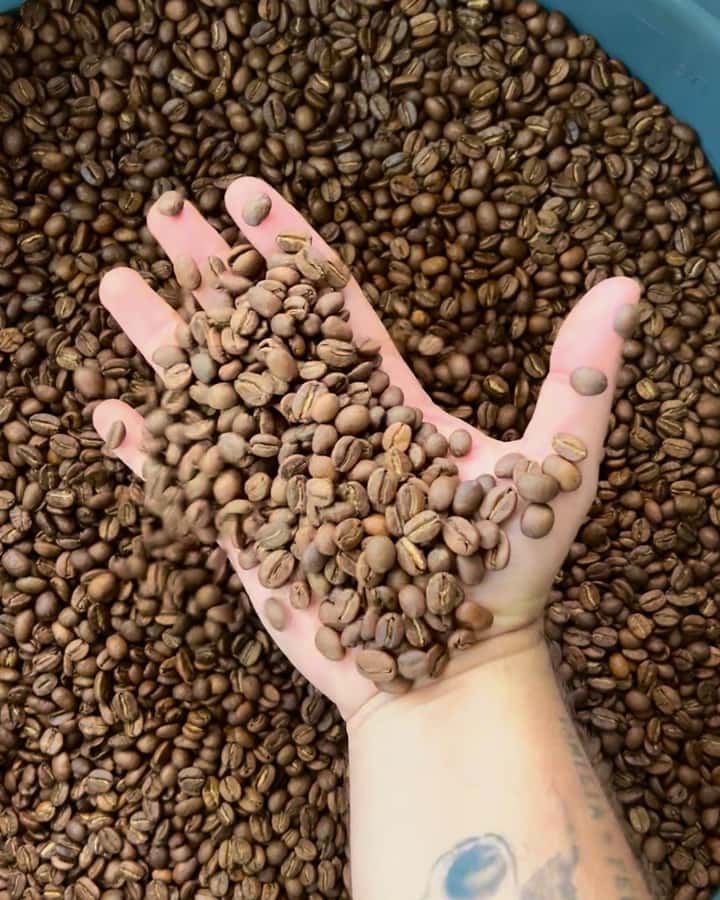
- Traditional harvester-style experience: you’ll harvest and sow using local methods, not just stand and watch
- Coffee processing inside the plant: you’ll see the hopper, pulper, drying steps, and storage flow
- Sustainability is part of the tour: composting, fertilization, and fauna/flora get explained
- Roasting and extraction basics: you’ll connect roast styles to cup quality and learn how to extract correctly
- Guides like Nicolas and Johnathan make it fun: strong English, humor, and lots of Q&A
- A real tasting at the end: you get to apply what you learned while sampling coffee
Salento Ocaso Farm: a coffee tour that feels like work
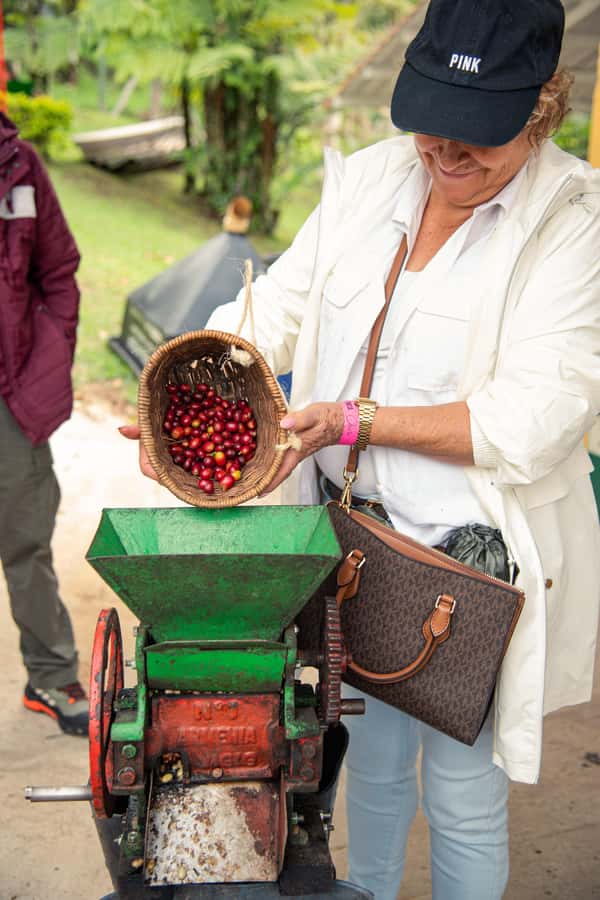
If you’re in Salento looking for a coffee experience that doesn’t stay trapped in theory, Ocaso Farm delivers. This is a traditional coffee farm in Tolima, Colombia, built for showing visitors how coffee is produced—from the tree to the processing chain.
You’ll also notice the farm is set up for visitors. Even when you’re walking through plantations and stations, the tour doesn’t wander aimlessly. It flows through the stages you actually care about: growing, processing, roasting, and brewing.
And yes, the farm’s coffee isn’t just for show. It’s tied to a working production system with sustainability certifications, which helps the whole story make sense.
You can also read our reviews of more tours and experiences in Salento Colombia
The 1.5-hour format: what fits your day (and what doesn’t)
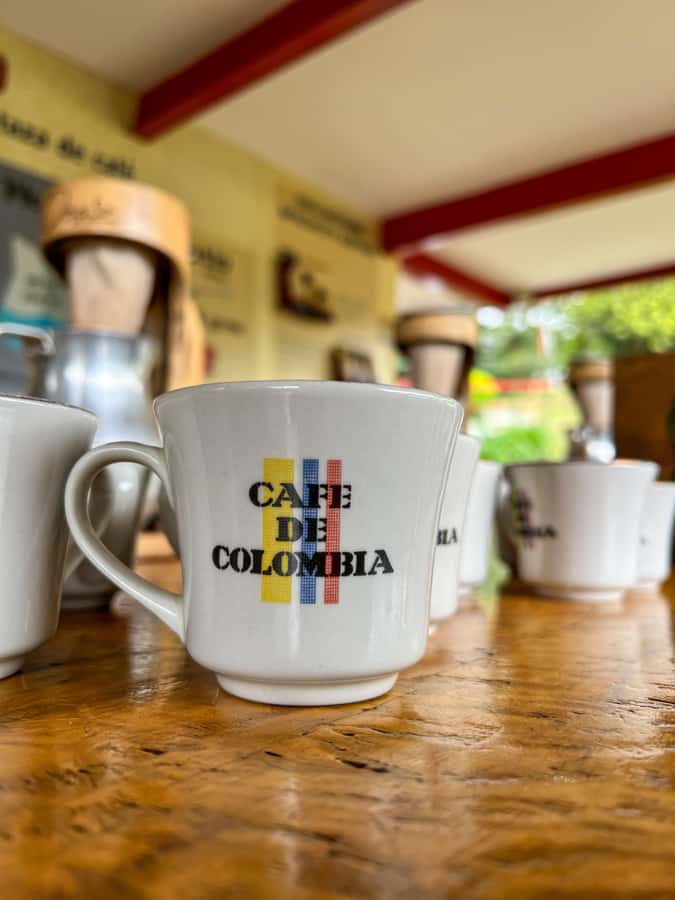
The tour runs about 1.5 hours, and starting times depend on availability. That’s a sweet spot in Salento: long enough to learn the full path of coffee production, but short enough to still enjoy the town afterward.
The guided portion is in English, with a live guide who’s quick with explanations and answers questions. In real-world terms, this matters because coffee has a lot of steps that can get confusing. Here, you get a sequence you can follow.
The main limitation is also simple: there’s no food or drinks included. If you’re doing this around mealtimes, plan your hunger ahead, or budget for what you want at the coffee house afterward.
Walking the plantations: species, growth, and real harvest technique
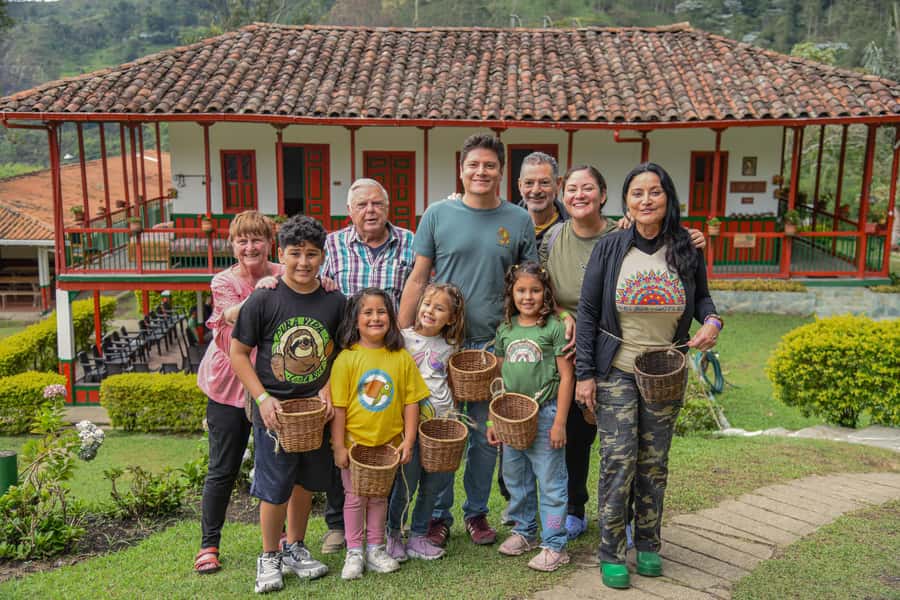
The tour starts with the coffee plant story, and it’s not just a history lecture. You’ll hear about the history of coffee, then move into the predominant species and how coffee trees get planted and grow.
From there, you shift into the garden and plantation parts of the farm. This is where you learn what coffee harvesting looks like in practice, including what it means to harvest and even help with sowing. It’s presented as working like an authentic Colombian harvester, so it’s more than a casual stroll.
You also get a sense of what the farm cares about beyond the final cup. There’s a focus on how the plants are nurtured and how ongoing work supports quality later in processing.
One small consideration: this is farm time. Wear shoes that handle dirt or uneven ground, and bring patience for walking on a working property.
Compost, fertilization, and sustainability that affects the cup
Coffee doesn’t grow on vibes. At Ocaso Farm, you’ll visit a composting and crop fertilization station, and you’ll get an explanation of sustainability that connects farming choices to the coffee itself.
You’ll also hear about fauna and flora—how life around the farm matters for the system. Even if you don’t memorize every detail, it helps you understand why certified sustainable production isn’t just a label here.
This part of the tour is valuable because it answers a common coffee question: Why do two cups from the same general area taste different? A lot of the answer starts here, with how soil gets managed and how plants are supported over time.
Inside processing: hopper, pulper, drying, and storage
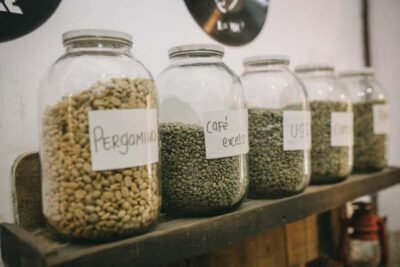
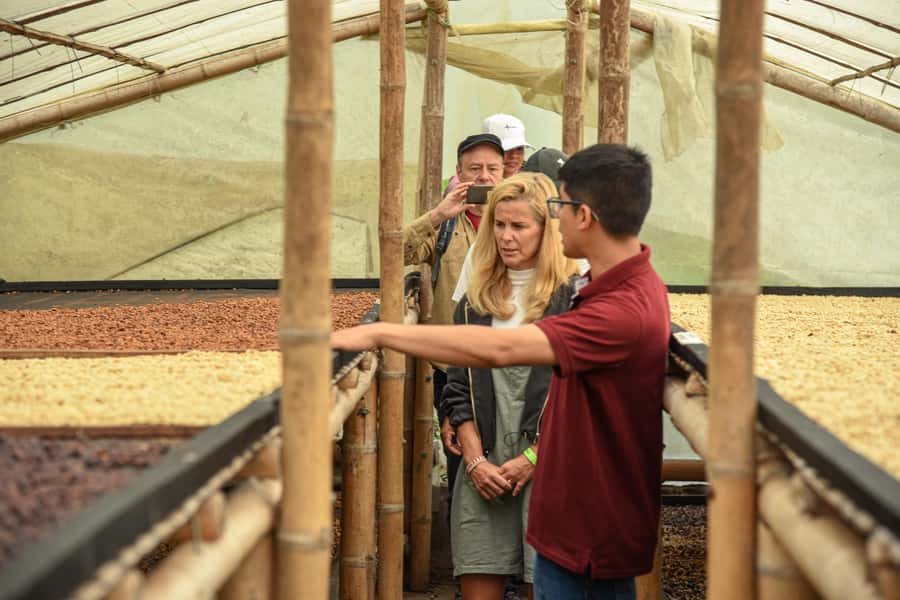
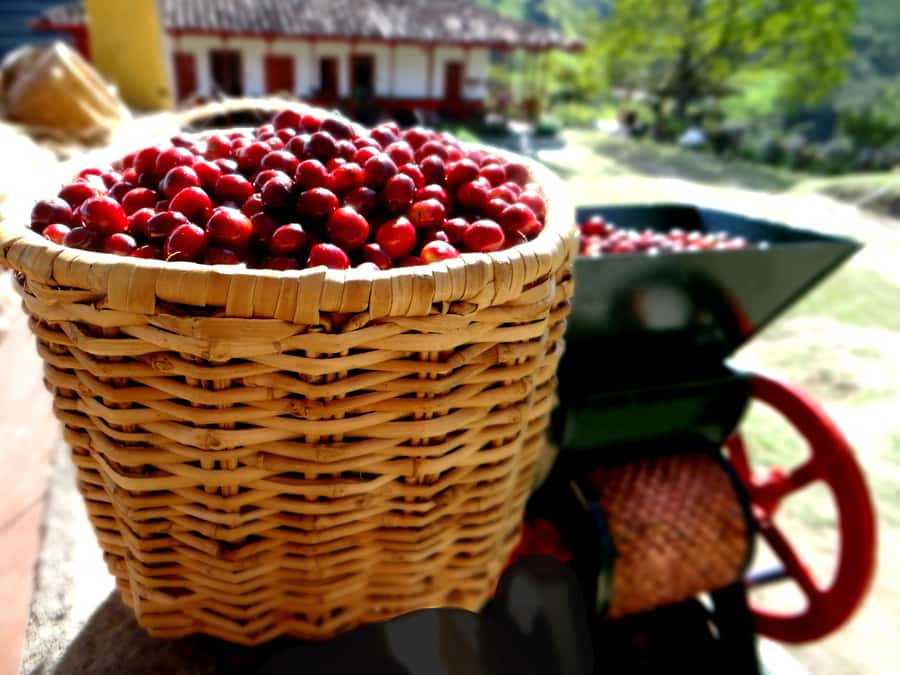
The processing plant section is where you finally see coffee turn from fruit into usable beans. You’ll be taken through the main steps of the workflow, including the hopper and pulper, then the drying stages.
You’ll learn about mechanical drying and traditional drying. Hearing those terms explained in sequence helps you understand why drying is such a big deal. Drying affects quality, and quality shows up later when you roast and brew.
After drying, the tour continues into the storage warehouse and the threshing stage. Then you’ll connect what happens next: marketing of the coffee, which is the step that ties all the farm labor to the market.
A practical note: processing areas can feel warmer or more industrial than the plantations. If you run cold easily, consider layering.
Roasting types and the extraction principles that actually matter
Once you’ve seen how coffee becomes a product, you move into the transformation that happens after harvest: roasting. You’ll learn about different types of roasting and why they matter for quality.
This is a smart move in a coffee tour. Roasting gets discussed online like it’s all taste preference, but here you get a reasoned explanation tied to what the bean can do.
Then comes extraction. You’ll get the basics for a correct coffee extraction, which helps you understand what makes a cup taste balanced rather than flat or harsh.
By the time you reach the brewing demonstration, you’re not just watching steps—you’re learning what the steps are trying to control. That makes it easier to replicate at home later.
Traditional cloth strainer pour: learning by doing
One of the most memorable parts is the traditional coffee preparation using a cloth strainer and a pot. You’ll watch how the method works, then understand it as part of the farm’s coffee culture—not as a random gimmick for tourists.
In plain terms, this step shows you that brewing is a process with choices. The cloth strainer method makes you pay attention to flow and timing, which connects nicely to the extraction principles you were just taught.
If you like hands-on learning, this is the section to focus on. Even if you don’t take the lead, you’ll follow the process and pick up practical cues.
And yes, there’s a tasting at the end, which ties the whole lesson together: fruit, processing, roasting, extraction, then the cup.
Price and value: why $14 can work in your budget
At $14 per person for a 1.5-hour guided English tour, this is positioned as strong value for a full production walkthrough. You’re paying for access to multiple stages that most coffee tours either compress or skip entirely.
What you get for that price is important:
- a live guided tour in English
- plantation and processing plant visits
- explanations that connect sustainability, processing, roasting, and extraction
- a traditional preparation and tasting at the end
What you don’t get is also clear: transportation and food/drinks aren’t included. That’s not a deal-breaker, but it affects your real cost depending on how you handle getting there.
If you’re already planning an outing around Salento, $14 looks reasonable. If you’re coming from outside town and would need a full paid transfer both ways, check your total transportation plan before booking.
Getting to the farm from Salento: 4 km, tertiary road, plan ahead
Getting there is the one logistical piece you’ll want to think about before you go. The farm sits 4 km from Salento, and the road is tertiary and not completely paved.
You can take a Willys Jeep from the square in Salento to reach the farm, but it isn’t included in the ticket price. Some people also use normal taxis to the farm, and then it can be cheaper to arrange the Jeep back to Salento. One practical tip from recent visitors: budgeting around 4,000 pesos per person for the Jeep return can help.
So here’s my advice: don’t assume the shortest or smoothest route. Plan for a slower, bumpier ride on an unpaved stretch, especially if you’re traveling with limited mobility.
Who should book this tour (and who might pass)
Book this if you want a hands-on, step-by-step coffee education without a long day. It fits best if you’re curious about how Colombian coffee moves from tree to cup, and you appreciate practical farming explanations like composting, fertilization, and drying.
It also works well if you want English guidance with energy. Guides like Nicolas and Johnathan have stood out for humor and clear explanations, and the tours feel interactive when people ask questions.
Consider passing (or at least choosing a different activity) if you’re only chasing a quick photo stop. This is a production-focused farm experience, and it expects some walking and attention.
Should you book the Salento Ocaso Farm coffee tour?
If your goal is to understand Colombian coffee production in a way you can actually retell—and brew better coffee later—this is an easy yes. The tour hits the big stages: planting and growth, harvesting and sowing, compost and fertilization, processing from hopper to drying to storage, then roasting and extraction, finishing with a cloth strainer preparation and a tasting.
The main downside is logistics. The farm is 4 km out on a rougher road and transportation isn’t included. If you’re okay handling that part of the day, the $14 price feels fair for the amount of process you get to see.
My final check: bring insect repellent, skip alcohol and drugs, and plan to eat elsewhere since food and drinks aren’t included. Do that, and you’ll come away with coffee knowledge that isn’t just theory.
FAQ
How long is the Coffee Tour Salento-Ocaso Farm in English?
It lasts about 1.5 hours, and starting times depend on availability.
What does the $14 per person price include?
The price includes a guided tour in English.
Is transportation to the farm included?
No. Transportation is not included, even though you can use options like a Willys Jeep from Salento’s square.
Where is the farm, and how far is it from Salento?
The farm is located 4 km from Salento. The road is tertiary and not completely paved.
What should I bring for the tour?
Bring insect repellent.
Is the tour in English?
Yes, the tour includes a live guide who speaks English.
Is alcohol allowed during the experience?
No, alcohol is not allowed.