REVIEW · RIO DE JANEIRO
The Best Food Tour: Taste the Most Authentic Flavours of Rio
Book on GetYourGuide →Operated by Free Walker Tours · Bookable on GetYourGuide
Rio tastes better with samba in the middle. This tour pairs 10+ tastings with Pedra do Sal samba, so you eat, learn, and end up with the neighborhood in your head, not just your stomach. I also love how the guide ties each plate to its regional roots, and the overall vibe stays relaxed and fun. The only drawback to plan for is that exact dishes can change by day and restaurant availability, so don’t count on getting every specific sample.
You’ll start inside Tacacá do Norte Gourmet (35 O), and from there the route focuses on Rio’s “Little Africa” area—bars, small restaurants, and the kind of everyday food stop you don’t stumble into by accident. I’ve especially liked the way different guides (like Louis, Jurema, and Lia) explain the food alongside local context, including how some community history shaped Rio’s culture and flavors.
Timing is another big piece of the value. The tour runs about 4 hours with a mid-day or late-afternoon start, and you’ll be on your feet with short transit breaks (including a quick metro hop). If you hate standing, or you prefer a strict food-only schedule with no music break, you may want to choose something else.
In This Review
- Key highlights I’d bank on
- Why This Rio Food Tour Feels Like Brazil, Not Just Rio
- Tacacá do Norte Gourmet: Where You Start Smelling Like Rio
- Little Africa Tastings: How the Neighborhood Becomes Part of the Meal
- Pedra do Sal and Samba: Eating With Rhythm in the Background
- The Dishes You Should Expect (and Why Some Can Change)
- A Quick Reality Check on the $75 Price
- Timing: Choose 12:30 PM or 4:00 PM Like a Local
- What the Guide Adds (and Which Stories You’ll Want to Hear)
- Transportation and Getting There Without Stress
- Accessibility and Group Vibe
- Book It or Skip It: My Decision Guide
- FAQ
- How long is the Rio food tour?
- How much does it cost?
- Where do we meet?
- Is hotel pickup included?
- What languages is the guide available in?
- Are dishes and tastings fixed?
- What start times are available?
- What’s included in the price?
- Is the tour wheelchair accessible?
- Can I cancel and get a refund?
Key highlights I’d bank on
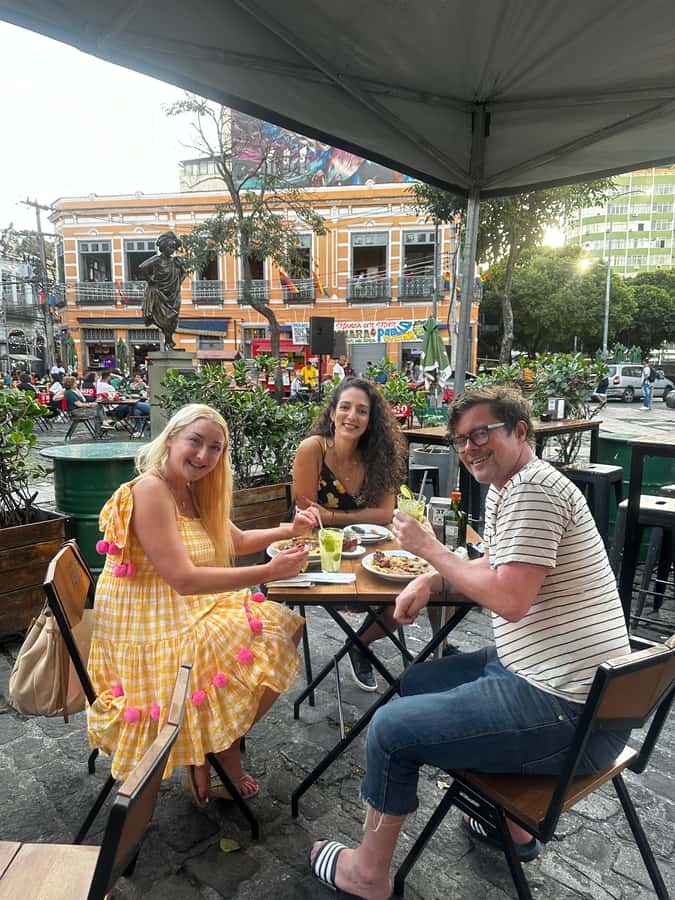
- 10+ food and drink samples from multiple Brazilian regions, not just one neighborhood
- Little Africa focus, with restaurant and bar tastings in an authentic area of Rio
- Samba at Pedra do Sal, including a traditional samba circle
- Regional food context from your guide, with history and ingredient explanations
- Two start times (12:30 PM and 4:00 PM) to match lunch plans or a samba-first day
- Menu flexibility, meaning you still get the experience even if dishes vary
Why This Rio Food Tour Feels Like Brazil, Not Just Rio
This tour is built around one clever idea: Brazilian food doesn’t come from one place. In four hours, you get a guided run through flavors that point to different regions of Brazil—so your plate becomes a map.
That matters because Rio can trick you. You can arrive chasing one famous dish or one famous neighborhood, then leave without realizing how much the country’s ingredients and cooking styles travel. Here, the goal is to show you how diverse Brazilian cuisine is, with tastings from multiple stops and more than one style of snack or main.
The other thing I like is the pacing. Four hours is long enough to get real variety, short enough that you don’t feel dragged from place to place. You’ll be sampling small portions, then moving again—ideal if you want a food win without locking yourself into a full sit-down meal marathon.
You can also read our reviews of more tours and experiences in Rio De Janeiro.



Tacacá do Norte Gourmet: Where You Start Smelling Like Rio
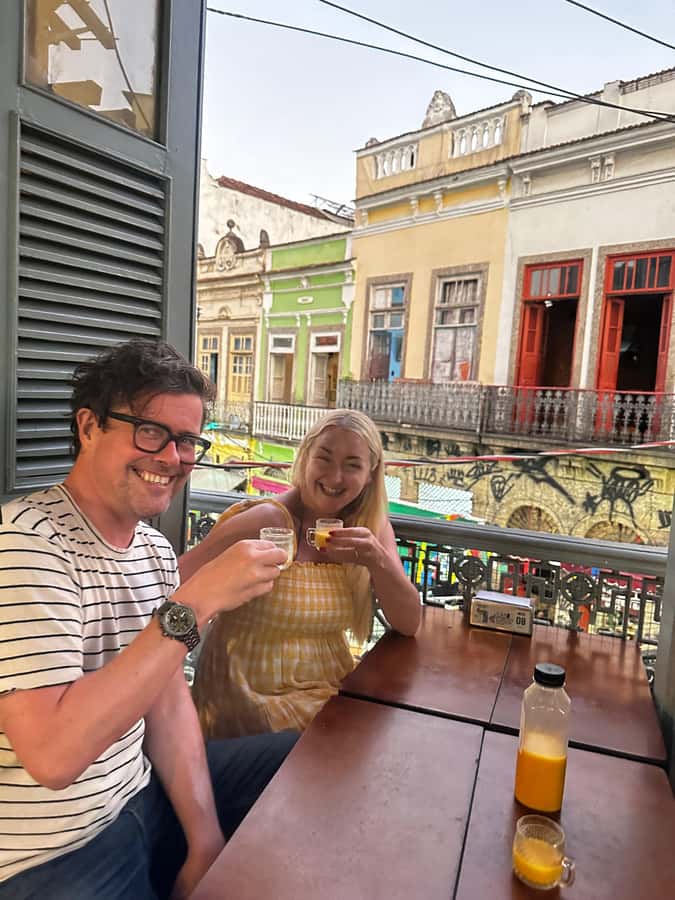
Meeting inside Tacacá do Norte Gourmet (number 35 O) sets the tone right away. This is the kind of place where the start feels local and practical: you don’t begin at a generic tourist desk, you begin at a restaurant where food is already moving.
From the first tastings, you’re likely to run into flavors tied to Brazil’s northern traditions—like tacacá and açaí-type samples mentioned for the tour. Tacacá is the kind of dish that tends to make people pay attention fast, because it’s not a bland “starter.” It’s full of character, and the tour uses that energy to pull you into the bigger story of how ingredients and regions shape what ends up on Rio menus.
Even if you’re not a hardcore foodie, this first stop helps you switch gears. You stop treating Rio as a list of attractions and start treating it like a place you can taste your way through.
Little Africa Tastings: How the Neighborhood Becomes Part of the Meal
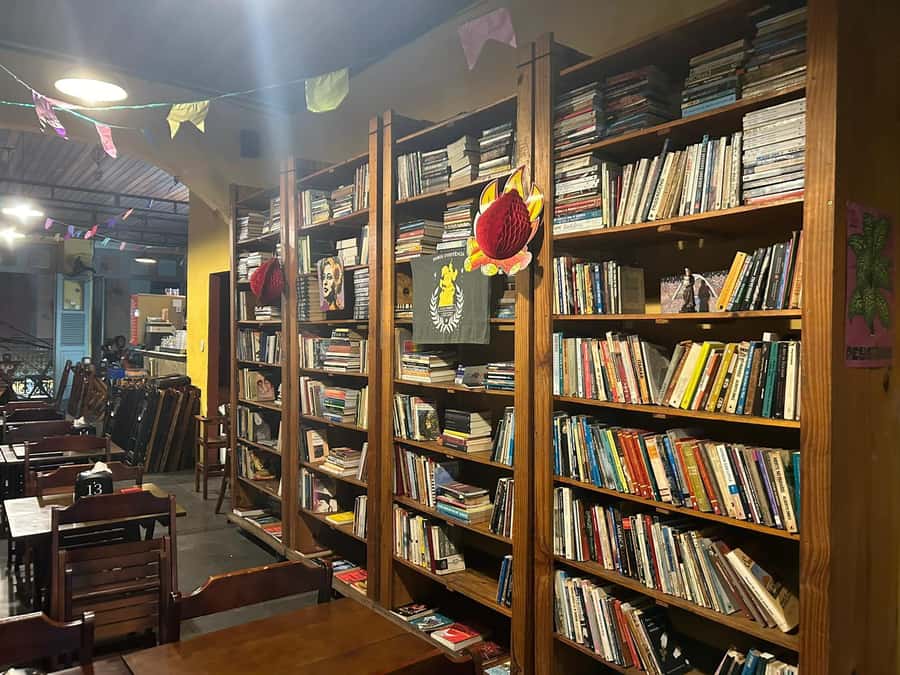
After the start, the tour moves into the “Little Africa” area—an approach that feels smart if you want more than just a food crawl. This isn’t only about eating; it’s about understanding where you are.
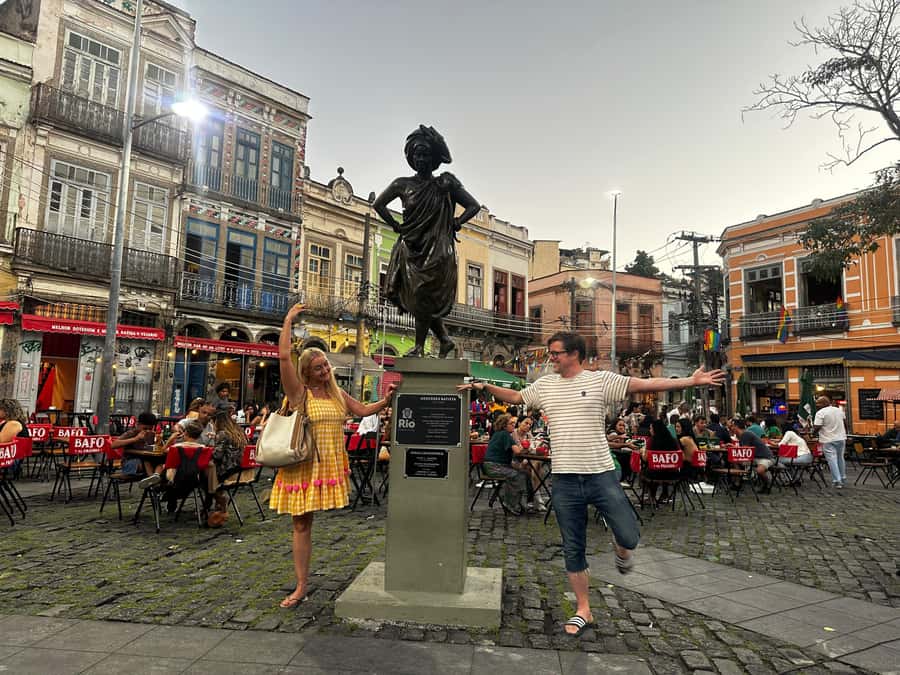
You’ll spend time at local restaurants and bars, with guided stops that include things like a photo break and a bit of walking orientation. The aim is to help you connect the food to the setting: you learn what makes the place itself worth visiting, not just the plate you’re holding.
One of the strongest values here is variety. Each stop is set up to offer its own typical foods, so you’re not repeating the same snack in different wrappers. That variety is also why the tour can keep its momentum even when the exact menu changes day to day.
Pedra do Sal and Samba: Eating With Rhythm in the Background
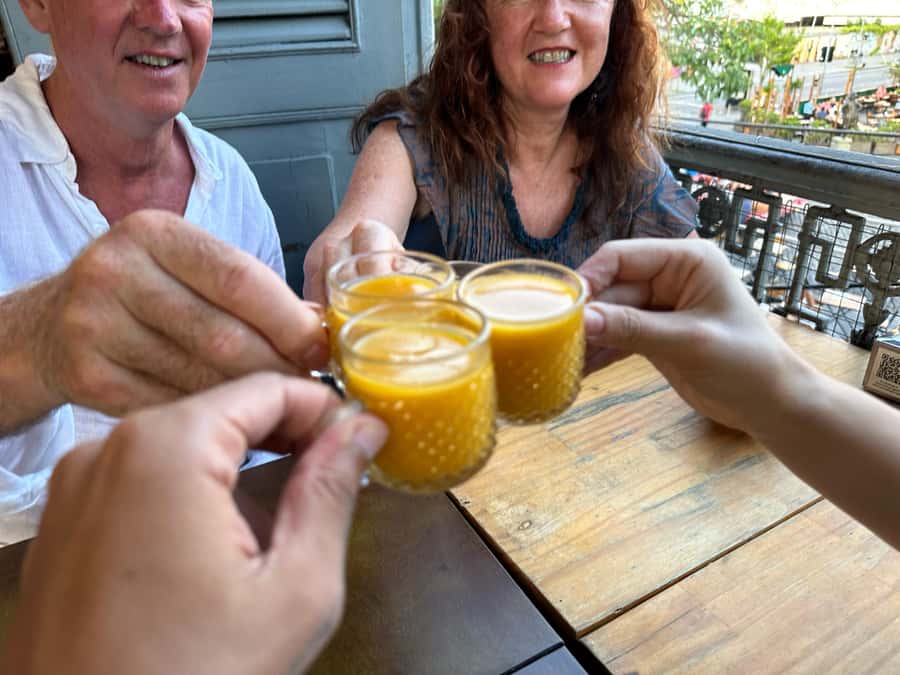
Here’s where the tour earns its name. You don’t just get local food; you get local music at the end of the meal sequence.
Pedra do Sal is known for samba circles, and the tour builds the experience around that moment—so the “food story” doesn’t end with your last bite. Samba becomes the punctuation mark. You’ll head into one of the most traditional samba settings mentioned for the tour, and the energy changes the whole feeling of the neighborhood.
There are also additional samples around the edges of Pedra do Sal, plus time to discover authentic bars. That’s a nice touch because it shifts the tour from strictly structured tasting to a more lived-in experience—music, conversations, and the sense that people are there for more than just an event.
Practical note: plan to be flexible about how long you stay and how the evening flow feels. Samba starts around 6 PM according to the tour timing notes, so your start time can change how the day feels afterward.
The Dishes You Should Expect (and Why Some Can Change)
The best part of this tour is that it’s specific about what you’ll taste—even while acknowledging that restaurants might swap dishes.
Here are dishes and samples listed for the experience, and how they fit together:
Tacacá do Norte Gourmet tastings
- Original açaí from the North (the tour highlights this regional link)
- Tacacá, with or without shrimp (the shrimp option gives you a clear fork depending on your preferences)
- Guaraná Jesus (a Brazilian classic soda drink)
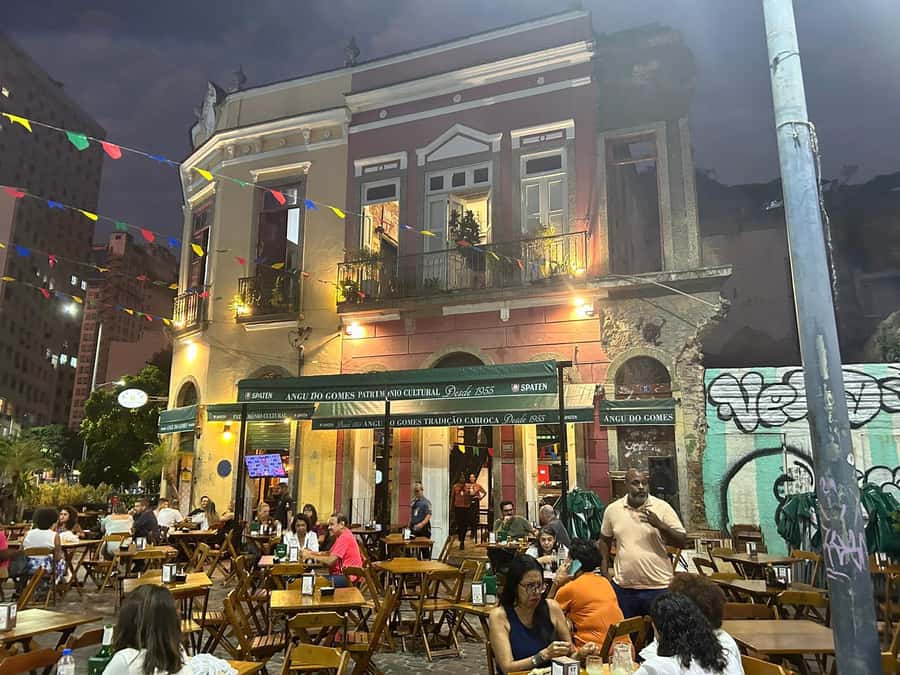
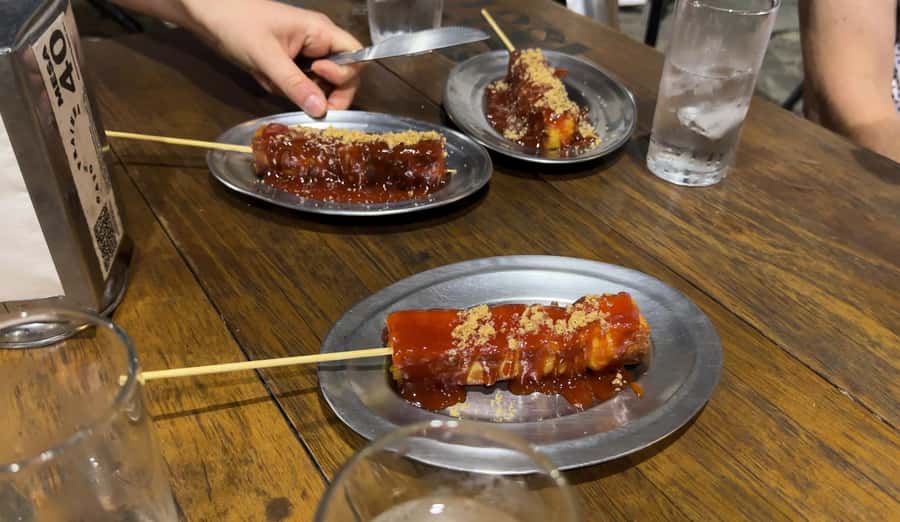
Angu do Gomes tastings
- Angu (traditional or vegetarian)
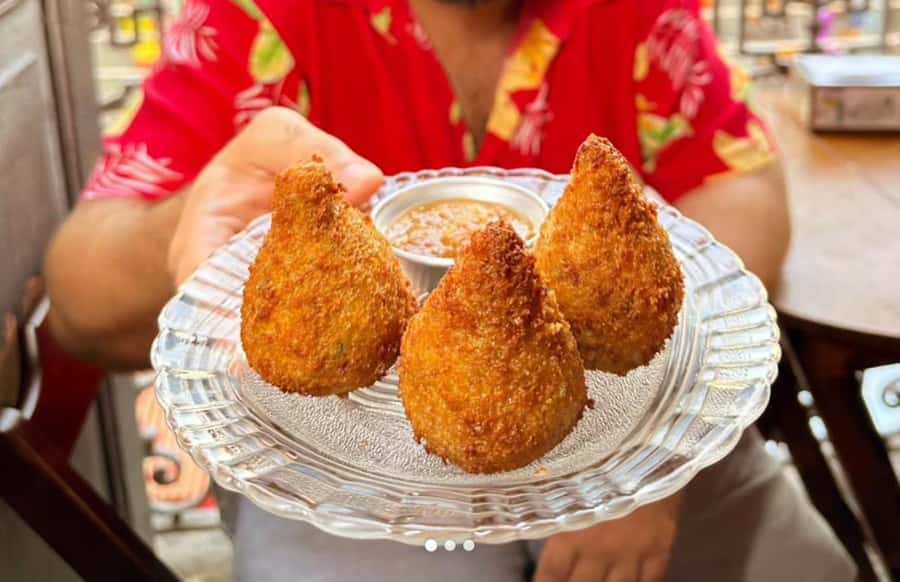
- A feijoada ball or fried cassava (so you get familiar Brazilian comfort flavors in a handheld format)
Casa Porto tastings
- Okra empada and Romeo and Juliet empada (two different empada-style bites)
- Coxinha de pernil without dough (a local twist on the coxinha idea)
- Homemade passion fruit cachaça (drink sample tied to Brazilian ingredients)
Da Pedra tastings
- Pastry
- Bar food samples
Because the tour states that dishes may change depending on restaurant availability, I’d treat the menu like a menu range, not a guarantee. If there’s a specific food you must have, ask the guide what’s most likely on your day before you commit to other plans.
Also pay attention to the “with or without” items. Vegetarian options are explicitly mentioned (angu vegetarian, plus dish choices that may fit different preferences). If you have allergies, don’t assume substitutes will be made—this tour gives you options, but it doesn’t say it can custom-build your menu.



A Quick Reality Check on the $75 Price
At $75 per person for about four hours, this tour isn’t trying to be the cheapest meal you can buy. It’s selling guided value: you pay for the guide, multiple tasting stops, and the music-and-neighborhood part that many food tours skip.
Here’s why it can still be good value:
- You get food and drink tastings across multiple stops, with the promise of more than 10 samples
- The guide provides context about ingredients and regional background
- You also get access to the samba circle experience tied to Pedra do Sal, which is often hard to assemble on your own
Where the cost can feel less comfortable is if you prefer big restaurant meals instead of small tastings. Portions are built for sampling. You’ll likely eat enough to feel satisfied, but it’s not designed like a sit-down feast.
My advice: look at this as a guided sampler plus cultural evening, not as a single-ticket “buy a meal” deal. If that matches your travel style, $75 can feel reasonable for the time and variety you’re getting.
Timing: Choose 12:30 PM or 4:00 PM Like a Local
The tour offers two starting options, and the difference matters because it shapes your whole evening.
12:30 PM tour
- You’ll be in your food groove around lunchtime
- You’ll have time to explore the area at your own pace afterward
- Samba starts around 6 PM, so you can line up your day with the music later
4:00 PM tour
- You get the food experience and then move straight into samba energy
- It’s a good pick if your priority is that evening rhythm more than an extended lunch
If you like having choices after a tour, the 12:30 PM start can be better. If you want a clean handoff—food first, samba next—the 4:00 PM start fits nicely.
What the Guide Adds (and Which Stories You’ll Want to Hear)
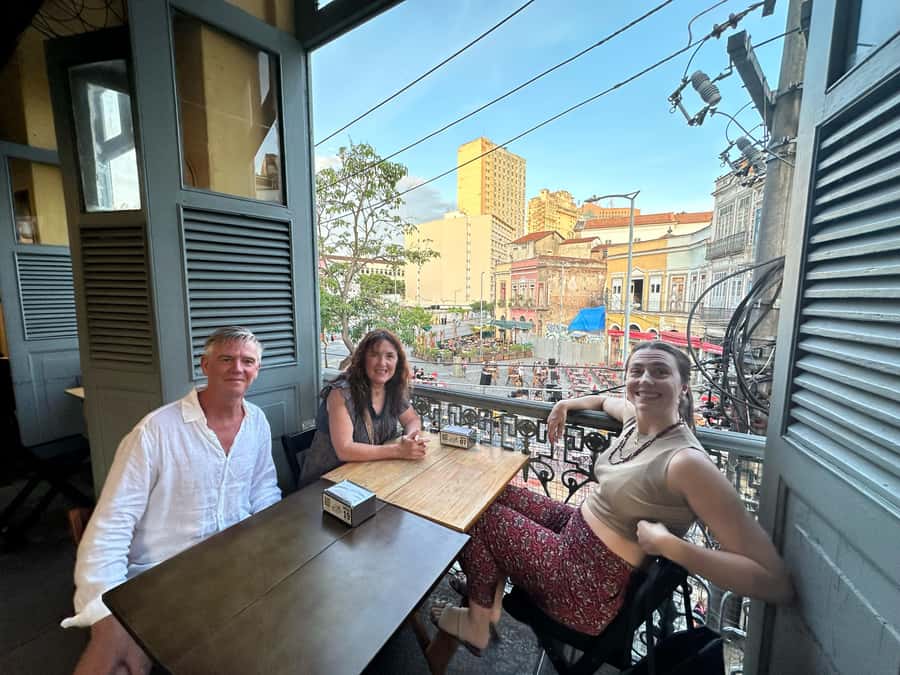
A big part of why this tour works is the guide role. This isn’t only about “try this, then try that.” The tour is built around explanations—what the food is, what ingredients matter, and how regional traditions show up in Rio.
Different guides have different styles, but names that show up in the experience include Louis, Jurema, and Lia. I like that mix because some guides focus on food science and ingredients, while others focus on community context. In particular, Louis is noted for explaining the history of the favelas clearly, and that kind of context can make your neighborhood walk feel meaningful rather than random.
If you’re the type who likes to ask why a dish tastes the way it does, you’ll get along well here. If you just want to eat and not talk much, you can still enjoy it; the guide’s job is to keep things moving while making the food understandable.
Transportation and Getting There Without Stress
Hotel pickup isn’t included, so you’ll handle getting yourself to the meeting point. The good news is that the experience uses local transit—there’s a short metro segment mentioned as part of the route.
That means two things:
- You should wear comfortable shoes. Even if it’s not long-distance hiking, you’ll still walk between stops.
- You’ll want to budget a little time for finding the meeting spot inside Tacacá do Norte Gourmet, since you’re meeting at a specific place (35 O) and not a big generic landmark.
If you’re already comfortable using metro in Rio, you’ll probably feel fine. If you’re still figuring out the system, start earlier rather than later.
Accessibility and Group Vibe
The tour is listed as wheelchair accessible, which is a real plus if you need that. It’s also set up for a group setting, where people share samples and keep the energy friendly.
This is the kind of tour where the group dynamic helps. Food breaks get more fun when you can trade bites, compare how things taste, and laugh at how surprisingly different Brazilian foods can be.
Book It or Skip It: My Decision Guide
Book this tour if you want:
- A guided tasting with 10+ samples across multiple Brazilian regions
- Neighborhood time in Little Africa instead of only high-end or tourist-only food stops
- A food plan that includes samba at Pedra do Sal
- A structured way to learn what you’re eating (ingredients, origins, and local context)
Skip it if:
- You need a fixed menu with zero changes. The tour openly warns that dishes can vary.
- You hate standing and moving between multiple stops.
- You’re looking for a fully self-paced food experience with no music segment.
If you’re the kind of traveler who likes to eat first and ask questions while doing it, this tour is a strong bet.
FAQ
How long is the Rio food tour?
It runs for 4 hours.
How much does it cost?
The price is $75 per person.
Where do we meet?
You meet inside Tacacá do Norte Gourmet, number 35 O.
Is hotel pickup included?
No, hotel pickup and drop-off are not included.
What languages is the guide available in?
The live guide is available in English, Portuguese, and Spanish.
Are dishes and tastings fixed?
Tastings may vary depending on the day and restaurant availability, and dishes can change without prior notice.
What start times are available?
The tour has a 12:30 PM start and a 4:00 PM start.
What’s included in the price?
A guide and food and drink tastings are included.
Is the tour wheelchair accessible?
Yes, it is listed as wheelchair accessible.
Can I cancel and get a refund?
Free cancellation is available up to 24 hours in advance for a full refund.